





There are several ways to translate your site from one language to another when you want to run a multilingual site. You can shell out the big bucks for a professional translator to make sure you have a high-quality localization for every blog post you write. This can, of course, get extremely expensive, particularly when you have a huge backlog of blog posts and pages you want translated.
If that option doesn't work, you can try to hire a writer who is bilingual. They can probably create translated versions of their own content for a lower fee than what a third-party translator might charge. This is in many ways ideal, because it's the right mixture of expense and quality in translation. This, of course, assumes that the bilingual writer is fluent in their second language, and it has the added benefit of ensuring the translation carries through the author's original intent.
If you're looking for a free method, you can always run everything through Google Translate or DeepL. The quality has improved dramatically over the years - DeepL in particular is genuinely impressive - but no automated translation tool is perfect, especially when dealing with obscure industry terms, nuanced phrasing, or highly localized content. For anything customer-facing or SEO-critical, automated translation alone still isn't enough.
And the numbers back up why this matters. According to CSA Research, 76% of online shoppers prefer buying products with information in their native language, and 40% will never purchase from websites in other languages. Meanwhile, W3Techs reports that over 49.2% of all web content is in English, yet only 25.9% of internet users are actually English speakers. That's a massive gap - and a massive opportunity.
Of course, if you're on WordPress, you can do it one better and use one of the many translation plugins available for the platform.
Key Takeaways
- 76% of online shoppers prefer their native language, and 40% won't buy from foreign-language websites.
- WPML, Weglot, GTranslate, and Multilingual Press are the top WordPress translation plugins worth considering today.
- Free automated translation tools like Google Translate aren't sufficient for customer-facing or SEO-critical content.
- Translate everything - themes, navigation, widgets, and static pages - not just blog post content.
- Combine automatic language detection with a visible language switcher so users can always override it themselves.
The Top Translation Plugins
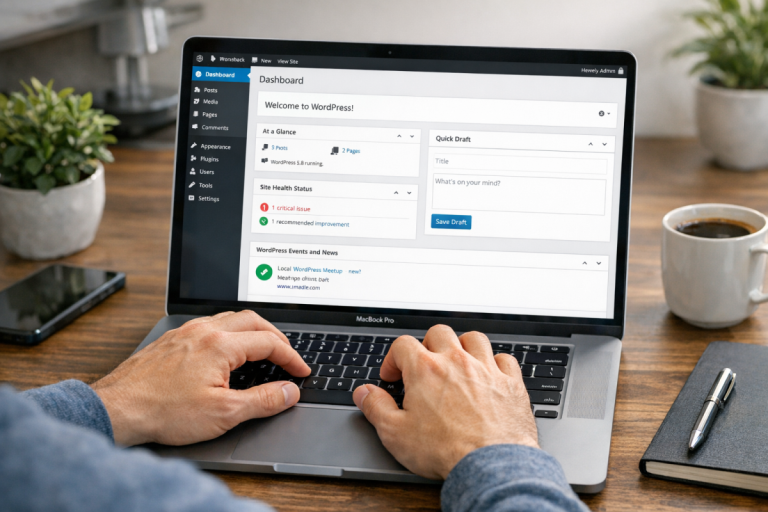
There are quite a few translation plugins to choose from in 2026. Some are free, some require a paid plan for the features that actually matter. If you have a large site and want quality and support, don't skimp just because free options exist. Here are the top options worth considering today.
WPML remains the gold standard for WordPress multilingual sites, and for good reason - it's now used by over 1.5 million websites worldwide. Pricing is structured around three tiers: €39/year for blogs, €99/year for CMS-level sites, and €199/year for agencies and developers. Each tier unlocks progressively more features, including WooCommerce compatibility, theme and plugin string translation, and multi-currency support at the higher levels.
WPML supports over 65 languages out of the box and integrates with most major page builders and themes. It has a massive active user base, a well-maintained support team, and is constantly updated to stay compatible with new WordPress releases. If you're serious about multilingual, WPML is the benchmark everything else is measured against.
Weglot has become one of the most popular translation solutions in recent years, and it's easy to see why. It's trusted by over 110,000 global brands and holds a 4.8+ star rating on G2 and a 4.9 on WordPress.org. Weglot works differently from traditional plugins - it sits as a layer on top of your site, detects all content automatically, and delivers translations without you needing to manage individual strings manually. It supports over 110 languages and combines machine translation with an optional human translation workflow for polishing results. Pricing varies by word count and language pairs, so it scales with your site's size.
GTranslate is another widely used option that has matured into a serious contender. Paid plans start at $99/year, but you'll want the $199/year plan if SEO indexing matters to you - that tier creates real translated URLs that search engines can crawl and index. Higher tiers at $299-$399/year unlock subdomain and custom domain setups for a fully localized URL structure per language. The free version exists but relies on widget-based Google Translate, which won't do anything for your SEO.
Multilingual Press is worth mentioning for those who prefer a more hands-on, multisite approach. Rather than tagging translations within a single site, it's built to support separate WordPress sites - each with its own language, URL, and content - connected under a multisite network. It automatically links translated versions of content across the network and continues doing so as you publish. It's free in its base form, with a premium version available for more advanced features. If you want complete separation between language sites and full control over each, this is still a solid choice.
One important note for any plugin you choose: WordPress.org only generates a language pack for a plugin once 90% of its stable release strings have been translated and approved by the community. This is worth keeping in mind if you're evaluating how well a plugin will work in a non-English admin environment.
Properly Using Translation Plugins

Any time you run a multilingual site, you should make sure that more than just your content is translated. Ideally, you'll have a setup that allows you to serve translated versions of your theme elements, navigation, widgets, and static pages - not just your blog posts. After all, your content does no one any good if they can't navigate enough to find it.
This means you may have to pay for separate translation of your theme strings and static pages, as well as finding multilingual-compatible versions of your plugins or manually translating their output where needed.
Don't rely solely on automatic language detection to serve your readers. A lot of people browsing primarily in a different language will still use an English-configured browser, either due to their location or the availability of localized browser versions in their region. The safest approach is to combine automatic detection with a visible language switcher, so users can always override it themselves. Most of the plugins above include this functionality built in.
If you have visitors coming from several different language backgrounds - rather than one dominant second language - a clear user-selection interface becomes even more important. Don't make your readers hunt for it; put the language switcher somewhere prominent, like the header or navigation menu.
Finally, keep your translation plugin up to date. This applies to every plugin, but it matters especially for translation tools. Updates often patch security vulnerabilities, improve compatibility with the latest version of WordPress, and - in the case of AI-assisted translation tools - can meaningfully improve the quality of your translated output. A better translation plugin means a better experience for your non-English readers, which increasingly means a better-performing site overall.

4 responses
Thoughtful replies only - we moderate for spam, AI slop, and off-topic rants.
Which of these plugins work the best in your opinion?
Your mileage may vary with each. I believe WPML is the most popular. Hope this helps!
Hi Kenny. First, I want to thank you for writing up this informative guide. Second, my question to you is: what is the difference between hiring a translator and simply using one of these free plugins? Will there be a significant difference in quality, or will a WordPress plugin be sufficient? Thank in advance!
Hi Lorena, thanks for your comment! You're welcome. Hiring a translator will yield significantly better results as they will be more accurate than a plugin. Google translate is too rough of a translation and could harm you more than hurt you.