For a certain subset of sites, getting into Google News is something of a dream. It's an absolutely wonderful place to be, from a blog and business standpoint. Google News has an estimated 280 million users worldwide, sends 6 billion clicks per month to publishers globally, and over 60% of people trust it over other news outlets. It also has a stiff selection process, so it takes a lot to get in.
What do you get if you get into Google News?
- Traffic. Google is absolutely packed with traffic, and Google News is no exception. With 6 billion clicks sent to publishers every month, it's like being part of the biggest, highest quality article directory in the world.
- Links. Google News is highly curated, so it's assumed that any site it references is going to be an authority. This is an almost automatic source of links.
- Authority. Again, if you're good enough to get into Google News, you're good enough to be widely referenced, cited and watched.
- Priority indexing. Google News needs to be up to the second, and that means any site that's good enough to get into Google News is almost always watched by the web spiders. The instant your content is published, it's indexed and added to the news feed.
The only question is: how do you get in?
Key Takeaways
- Google News offers 280 million users, 6 billion monthly clicks, priority indexing, and automatic authority-building links to accepted publishers.
- Sites must have multiple authors, a contact page, a news sitemap, proper logo specs, and syndication-source metadata tags.
- Weekly editorial meetings help teams identify unique angles, assign topics, and ensure content meets Google's journalistic standards.
- Publishing at least three posts daily requires a team of roughly five writers, a content calendar, and trend-monitoring tools.
- Google's review takes 7-21 days; rejection means waiting 2 months before reapplying, so prepare thoroughly before submitting.
Step 1: Optimize Your Site For News

Google has very specific requirements for the sites they add to the news feed. You should strive to meet them all.
First, you can't be a blog with only one author. While you could work around this by buying content and putting different author names on each piece, it's easier in the long run to just hire a few extra writers. You should shoot for around 5 writers, so you can be assured of the quality of the posts you're getting from each of them. Ideally, you'll have an "about us" page with the bios and information for each author, including links to other sites they write for, when applicable.
Second, you need a contact page. This needs to have at least the basic contact information, like an email address. A contact form is a bonus. You don't have to list an address or phone number, but it can't hurt to do so, as long as you can handle the responsibility of managing them.
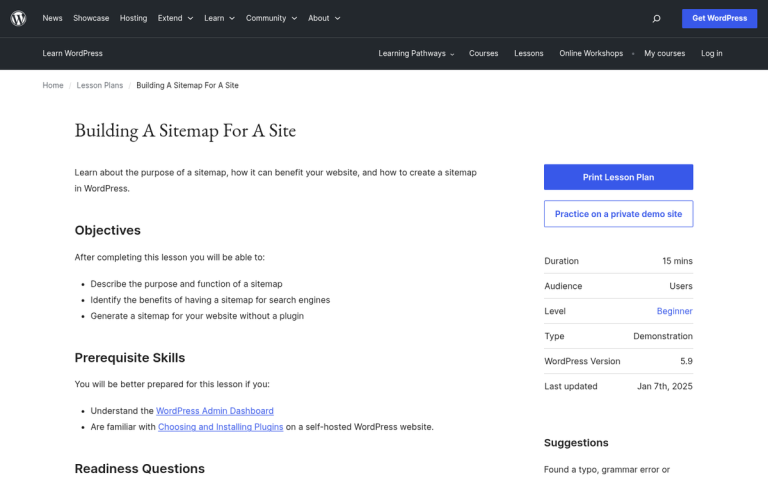
Next, create a news sitemap. A news sitemap is a little different from a normal sitemap. It includes information beyond just the links to new pages. You also want to include the name of your site, the language, the genre or topic, and whether or not you require registration. It's helpful to flag non-news posts as such when you publish them, so Google doesn't feed a site announcement into their news feed.
Don't overlook your logo. Google News requires logos to be uploaded in PNG or JPEG format, ideally at 1000x1000 px, with a minimum size of 512x512 px. Getting this right upfront avoids unnecessary delays in the review process.
Whenever you publish a new post covering a story you didn't originate, you need to flag the source. You do this by adding a meta tag named "syndication-source" to your metadata. Whenever possible, track down the original source of a story and link to it with this metadata. It saves Google time and gives you more credibility.
Step 2: Plan Your Content
There's one thing that differentiates newsworthy sites from the everyday rabble. This quality is planning. You can't just give your writers free rein and expect them to keep on topic, on focus and up to date at all times. You need to become the editor in chief of a newspaper. You're the J. Jonah Jameson of web writing.
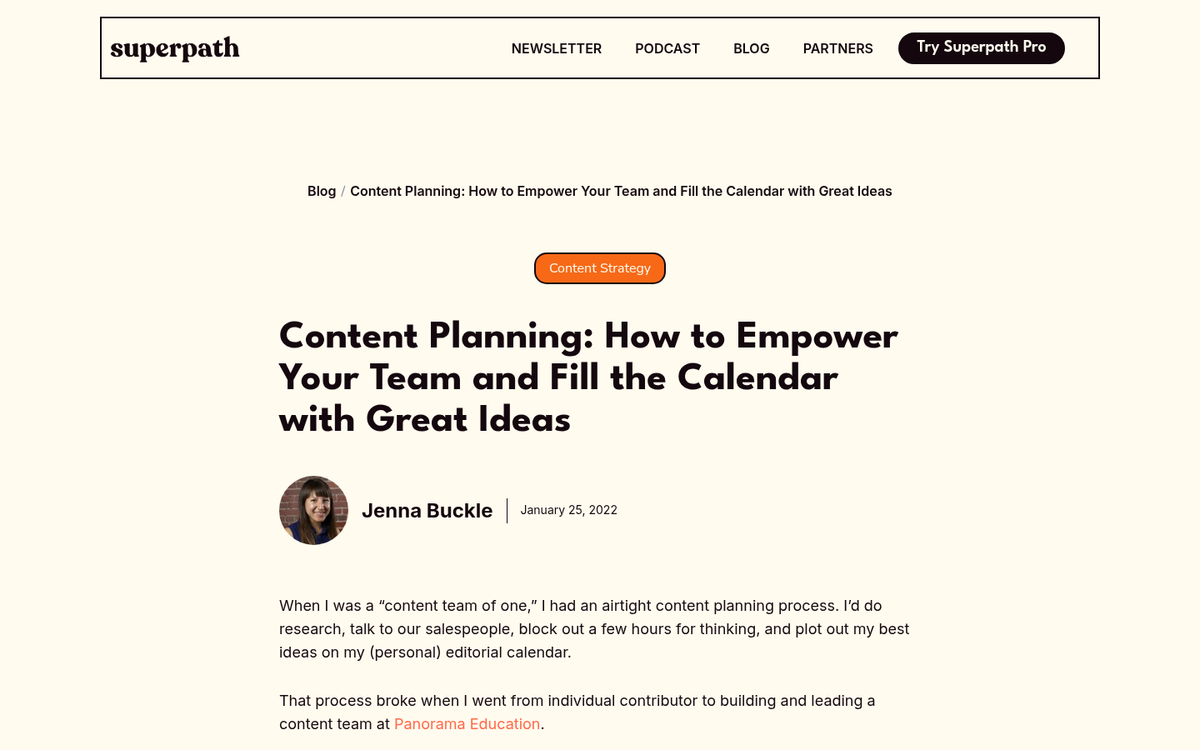
The easiest way to do this is establish weekly meetings with your writers, editors and anyone else on your news team. In these meetings, you need to talk about the trends, topics and resources necessary to do your job. When a new trend is occurring, figure out what angles you want to cover, what resources you can bring to the table, and what you can do that other news sites can't.
This is the biggest part of a strategy meeting; figuring out your unique angle. Anyone and everyone can repost the same two-paragraph press release with a few sentences of basic analysis. For proof, just look at any of the thousands of interchangeable, worthless celebrity gossip pages.
For each week, come up with assignments and topics for your writers to watch and work on. Ideally, you'll leverage their individual talents, inclinations and resources in order to produce unique content that can't be found on other news sites.
All content, of course, must adhere to Google's journalistic standards. You need to be original, honest, timely and accountable. If your site publishes non-news content or aggregates content you didn't write, you need that content flagged so Google doesn't automatically push it into the news feed when it shouldn't be there.
Step 3: Post Frequently
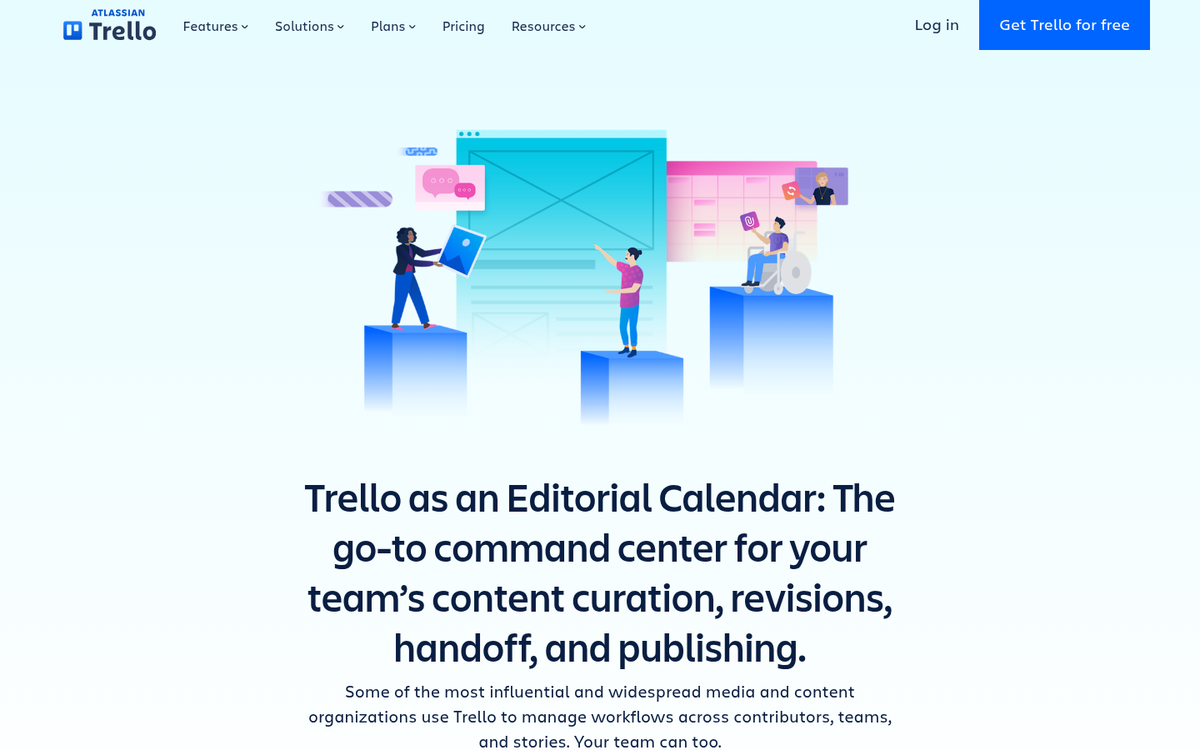
The ideal news site publishes several times per day. This is why I recommend a team of 5 writers, though you can easily go with more. You want at least three posts per day, which can be easily achieved with that many writers. You can also have contract writers on the side for special assignments. More writers makes it easier to publish more content, which in turn makes it easier to have the volume of quality content necessary to make it big on Google News.
You're probably going to need a bunch of tools to make life easier. A content calendar is a must. You need a collaboration platform for shared resources, drafts and assignments. You need trend monitoring software to stay ahead of breaking stories. Being able to forecast trends with relative accuracy is a must.
Once you've submitted your site, the review process typically takes anywhere from 7 to 21 days, with the full window running up to 2-4 weeks depending on how busy Google's team is. If you're rejected, take the feedback seriously - you'll need to wait 2 months before you can reapply, so it pays to get your ducks in a row before your first submission. get your ducks in a row before your first submission.
Google News is not for everyone. A site focused on a standard business blog isn't going to be able to generate the volume, accuracy and speed necessary to operate as a news site. News sites are very much their own beast, and you need to go into it intentionally trying to create one if you want to be successful.