





StumbleUpon is a piece of internet history - a platform that genuinely changed how people discovered content online, before ultimately shutting down for good in June 2018 after 16 years of operation. While the platform no longer exists, understanding what made it work (and what killed it for many users) offers valuable lessons that apply directly to the content discovery and social sharing platforms that replaced it.
The spirit of this post lives on, however, because the platforms that filled the void left by StumbleUpon are very much alive - and the same principles apply.
Key Takeaways
- StumbleUpon shut down in June 2018, but platforms like Mix, Reddit, Pinterest, and Flipboard now fill its content discovery role.
- Submitting too much content from one domain too quickly gets accounts flagged or banned across all discovery platforms.
- Commercial and promotional pages consistently underperform; content that educates, entertains, or genuinely helps audiences gets shared.
- Being an active community participant drives more traffic than simply dropping links and leaving.
- Submit selectively, not exhaustively - every modern platform rewards high-quality, curated submissions over sheer volume.
What Was StumbleUpon?
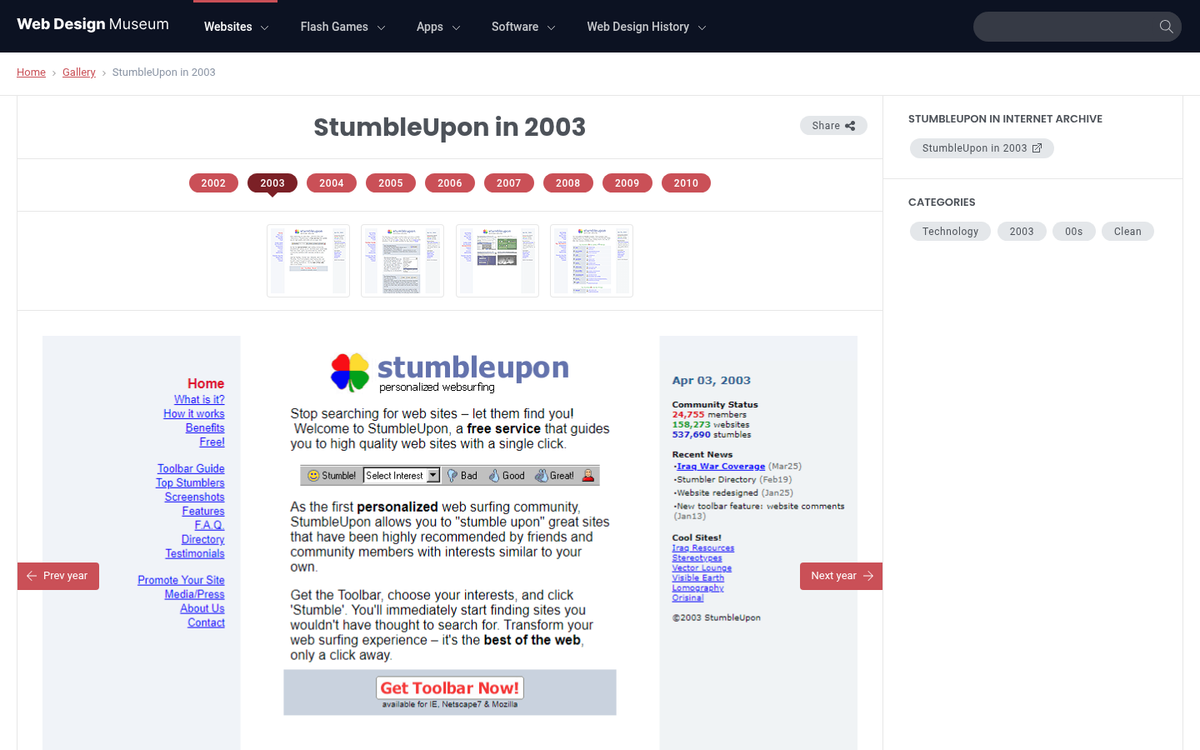
StumbleUpon launched as a solution to a simple problem: the internet is enormous, and most people kept visiting the same handful of websites. The idea was elegant - a massive database of websites categorized by interest, a single button that surfaced one of those sites at random, and a profile where you could set interests to filter what you discovered.
At its peak, StumbleUpon had over 30 million monthly active users and was driving a measurable slice of social referral traffic across the web. By the end of 2014, it accounted for 0.50% of all social traffic - behind Twitter but ahead of Reddit at the time. For many bloggers and publishers, a single well-timed StumbleUpon submission could send tens of thousands of visitors to a post overnight.
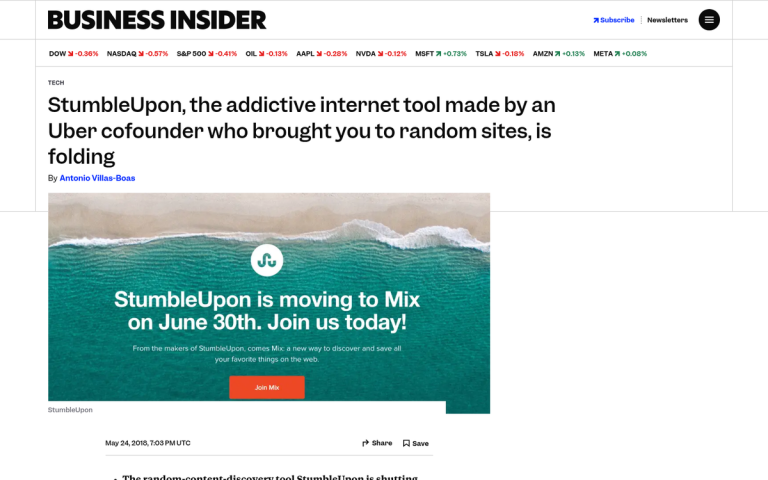
It shut down permanently in June 2018.
What Replaced StumbleUpon?

The closest spiritual successor is Mix.com, which was actually created by the co-founder of StumbleUpon and launched just before the original platform closed. It operates on a similar interest-based content discovery model. Beyond Mix, the content discovery space in 2026 is dominated by a handful of platforms worth understanding:
- Reddit - Still one of the most powerful traffic drivers when used correctly. Community-first, deeply resistant to overt self-promotion, and capable of sending massive surges of traffic from a single post. Reddit ads can also be worth exploring for paid amplification.
- Pinterest - Particularly powerful for visual niches like food, travel, home décor, fashion, and DIY. Content has a long shelf life compared to most platforms.
- Flipboard - A content curation platform that aggregates articles by topic into a magazine-style feed. Still active and useful for driving referral traffic in news, tech, lifestyle, and niche publishing.
- Pocket and Instapaper - More personal save-for-later tools, but content saved publicly can still surface to new readers.
The Lessons StumbleUpon Left Behind
StumbleUpon was ruthless about spam, and those lessons translate directly to every platform that followed it.
- Submitting too much from one domain too fast gets you flagged. StumbleUpon actively diminished the weight of stumbles from accounts that submitted content from one website more than twice a day. Reddit bans accounts that do nothing but self-promote. The pattern is universal.
- Commercial and promotional pages get buried or banned. Pure product pages, sales copy, and landing pages have never performed well on discovery platforms. Content that educates, entertains, or genuinely helps an audience is what gets shared.
- Community participation matters more than submission volume. The accounts that drove the most traffic on StumbleUpon were active users who engaged with other content, not just submitters dropping links and leaving. This is equally true on Reddit, Flipboard, and every community-driven platform today.
- Authenticity over branding. A human profile with a real picture and a genuine bio consistently outperformed obvious brand accounts on StumbleUpon. people engage with people, not logos.
How to Drive Discovery Traffic in 2026
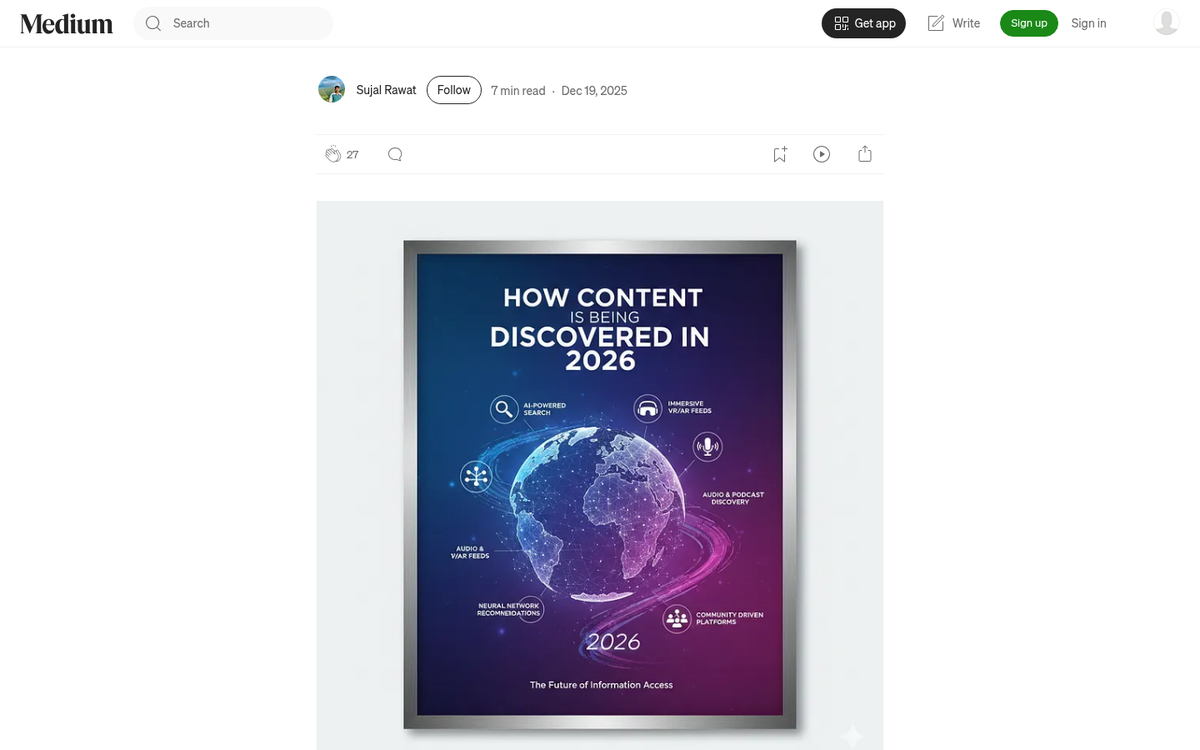
The playbook has evolved, but the fundamentals StumbleUpon taught us still apply:
Create content worth discovering. No algorithm or submission strategy rescues mediocre content. Before you think about distribution, make sure what you're sharing is genuinely useful, interesting, or entertaining to the audience you're targeting.
Choose your platforms strategically. Don't try to be everywhere. Pick one or two discovery platforms that align with your niche and learn their culture before you start submitting your own content.
Be a participant first, a publisher second. Spend time engaging with others' content before you start promoting your own. Every major platform rewards authentic engagement and penalizes accounts that exist purely to drop links.
Submit selectively, not exhaustively. Just as StumbleUpon penalized domains submitted too aggressively, every modern platform rewards curated, high-quality submissions over volume. Submit your best content, not everything you publish.
Encourage organic sharing. Your existing audience - especially email subscribers - is your most powerful asset for generating authentic shares. A genuine recommendation from a real user carries far more weight than anything you submit yourself.
Consider paid options when appropriate. Pinterest Ads, Reddit Ads, and content syndication networks like Outbrain and Taboola fill roughly the role that StumbleUpon's paid discovery feature once did. They're not free, but for driving targeted traffic at scale, they remain effective tools.
StumbleUpon may be gone, but the problem it solved - helping good content find the right audience - is still very much unsolved. The platforms and strategies above are the closest thing we have to it in 2026, and the same patience, authenticity, and respect for community rules that made StumbleUpon work will serve you just as well today.


1 response
Thoughtful replies only - we moderate for spam, AI slop, and off-topic rants.
Although I have a non-commercial site and constantly update my blog with new and interesting material, StumbleUpon has decided to ban any submissions from my blog. If StumbleUpon is becoming marginalized and irrelevant, it is because of such policies. Blogs are being systematically shut out of any public recognition in favor of larger commercial sites.