There's an infinite variety of ways you can bring traffic to your blog. Many of those methods cost money, though, and spending money on blog traffic is for chumps. Well, chumps and businesses that have the budget to burn. You're not a chump. You're reading this blog, and that's verification enough.
So, you're looking for free traffic. Thankfully, you can get free traffic almost as easily as you can get paid traffic. Just remember: in most cases, paying for traffic is a substitute for earning traffic over time. You're using money to take the place of time. Many of the methods below will earn you great traffic over time, but they don't have the immediate effect of a few bucks thrown into PPC.
And the payoff is real. Companies that maintain a blog get 57% more visitors, 67% more leads, and 434% more indexed pages than companies that don't. That's not a small edge - that's a completely different game.
Key Takeaways
- Blogging companies get 57% more visitors and 434% more indexed pages than non-blogging competitors, making it a major traffic advantage.
- SEO formatting matters: posts with 7+ images get 116% more organic traffic, and titles including "Guide" generate 3x more traffic.
- Email lists outperform social media because no algorithm controls your reach - even small, engaged lists consistently drive reliable blog traffic.
- 96.55% of content gets zero Google traffic, largely because 66% of pages have no backlinks, making outreach and promotion essential.
- Content drafting means monitoring where competitors guest post, then pitching those same sites using their published content as a proven blueprint.
Check Your SEO
The first thing to do is check the validity of your site and post SEO. You want to make sure your meta title and description are both optimized for the content and keyword you're targeting. You also want that keyword in an H1 title and naturally throughout the content, though stuffing it in everywhere will do more harm than good.
In general, today's SEO largely relies on content value, depth, and demonstrable expertise. Google's Helpful Content system - now deeply baked into its core ranking algorithm - rewards posts that genuinely help people over posts that are simply engineered to rank. Go deep on a topic, answer the real questions people are asking, and don't pad things out with fluff just to hit a word count.
A few formatting notes that actually move the needle: posts with more than 7 images get 116% more organic traffic than posts with no images - and it's worth making sure you're optimizing those images for search - and posts with at least one or two lists per 500 words get 68% more traffic than those without. Also worth knowing: blog post titles that include the word "Guide" generate 3x more organic traffic on average. Small structural choices like these add up fast.
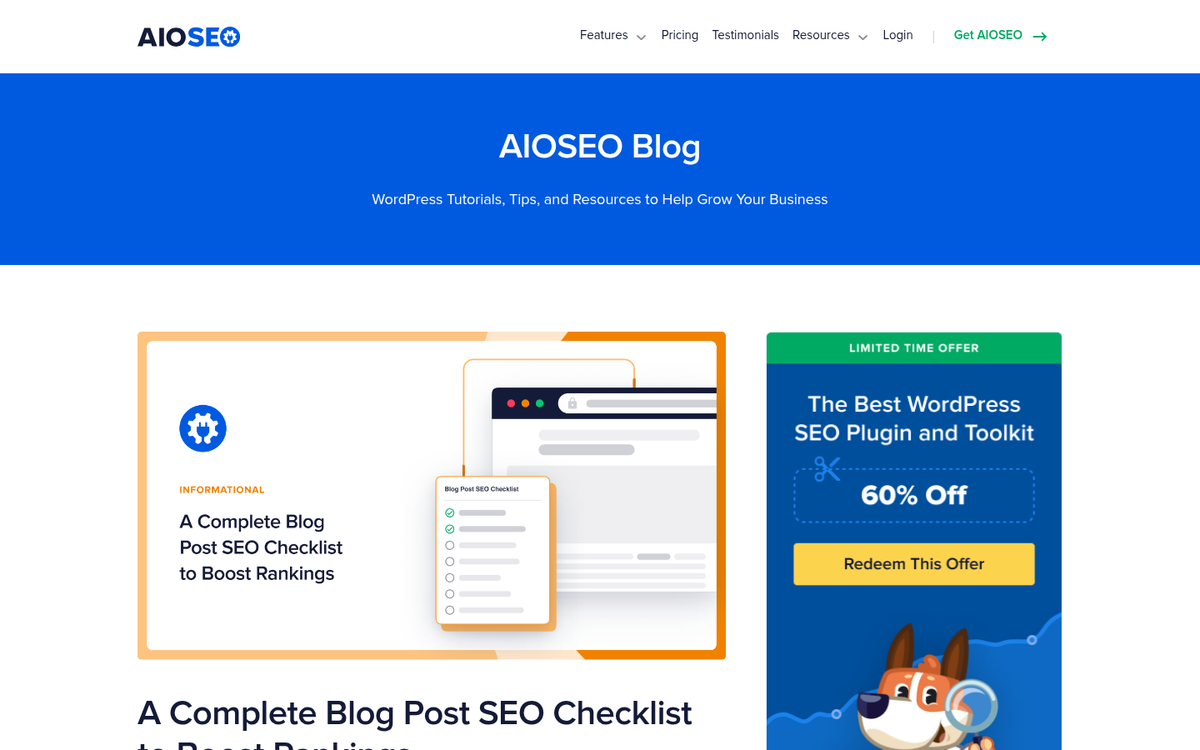
There are other SEO factors to consider too, like internal site linking, link anchor text, and image alt text optimization. These details matter more than most people give them credit for. For a full breakdown, see our SEO-friendly blog post checklist.
Post on Social Media
You need to be building a following on social media so you can leverage that audience whenever you publish new content. Organic growth takes time, but it compounds - and it gives you an audience you can reach without spending a dime.
Post to Facebook. Despite years of people predicting its decline, Facebook still has one of the largest and most targetable audiences on the internet. A business page is still worth maintaining, especially if you ever plan to layer in paid promotion later. Organic reach is limited, but it's not zero.
Post to X (formerly Twitter). X remains useful for immediate content announcements and for inserting yourself into relevant ongoing conversations. The platform has changed significantly since its rebranding, but its real-time nature still makes it one of the better channels for getting fresh content in front of people quickly. If you're wondering whether Facebook or Twitter is better for sending traffic, it's worth comparing both before committing to one.
Post to LinkedIn. If your blog has any professional or B2B angle at all, LinkedIn should be near the top of your list. Organic reach on LinkedIn is still significantly stronger than on Facebook, and the audience tends to engage more deeply with substantive content. A well-written post summary with a link back to your blog can drive meaningful traffic from your LinkedIn posts.
Post to Threads, Bluesky, or wherever your audience actually is. The social media landscape in 2026 is more fragmented than it's ever been. Don't assume one platform covers everyone. Figure out where your specific audience spends time and show up there consistently. It also helps to track your social media traffic so you know which platforms are actually delivering results.
Build an Email List and Use It

This one gets underestimated constantly. According to Statista, 62% of marketers use email to drive blog traffic - and for good reason. An email list is an audience you own. No algorithm changes, no platform pivots, no reach throttling. When you publish something new, you send an email, and people show up.
Even a modest list of genuinely interested subscribers will consistently outperform a massive but disengaged social following. Start building it early, give people a real reason to sign up, and treat every send as an opportunity to bring readers back to your best content. If you want to take it further, learn how to automate emails to your blog subscribers so your list works for you around the clock.
Advertise Your Post Elsewhere

There are going to be a number of other blogs in your industry. Rather than treat them as competitors, think of them as potential partners. When you write a new post and think their audience would find it useful, send them a link or a short note about it.
This works especially well for blogs that do weekly or monthly content roundups. You won't make the cut every time, but consistently producing strong content and putting it in front of the right people pays off. At minimum, you get them checking your blog regularly for material worth featuring.
Participating in industry discussions still has value too. Forum posts and community threads aren't glamorous, but people read them, and if you drop a relevant, genuinely helpful link into the right conversation, some of those people will follow it. The key word is relevant - spamming links into discussions helps no one and hurts your reputation.
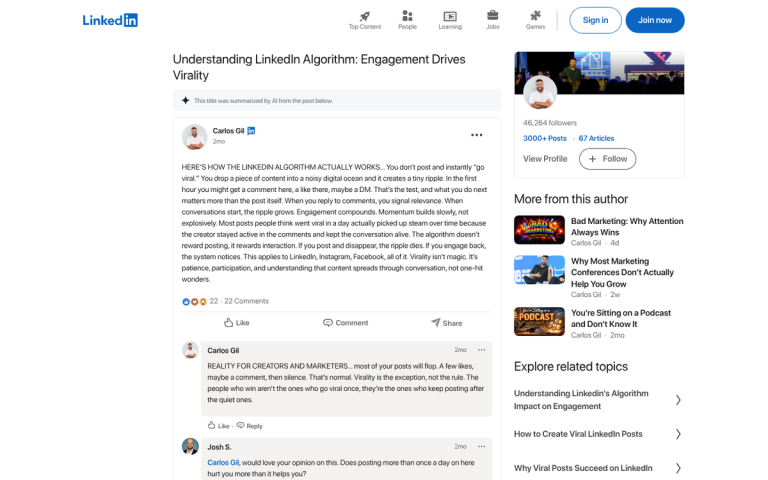
One hard truth worth keeping in mind: 96.55% of content gets zero organic traffic from Google, largely because over 66% of pages have no backlinks pointing to them. Getting your content in front of other publishers and communities isn't optional - it's how you avoid becoming part of that statistic.
Write Related Guest Posts
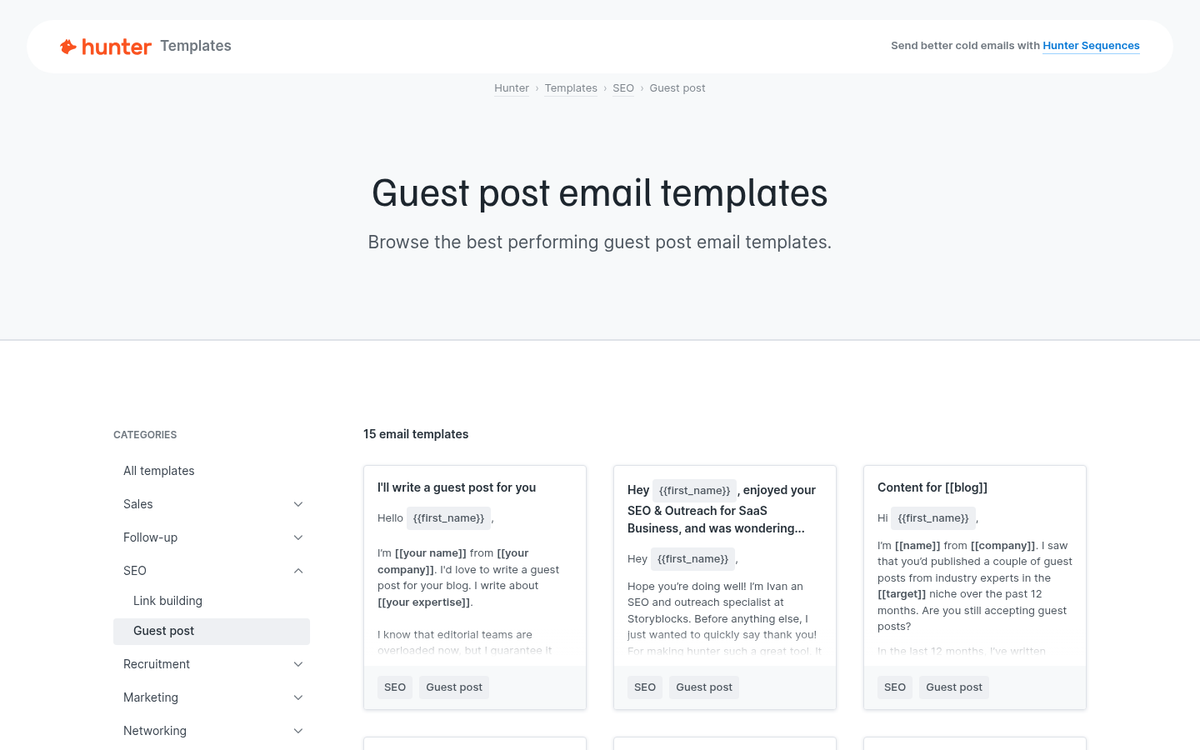
There are a lot of blogs on the internet, and a lot of them need content. If the people running those blogs are stretched thin, they'll often welcome a well-written guest post. Not all blogs accept them, and the better ones tend to have standards - which is actually a good thing. Getting published on a blog that vets its content means something.
Your goal is to write something directly relevant to your own blog and get it published on another site. If they allow links, reference your own content naturally - not as a sales pitch, but as a genuine resource. If they don't allow links, it's still worth doing. Building your name and reputation in an industry has its own long-term traffic value.
Content Drafting
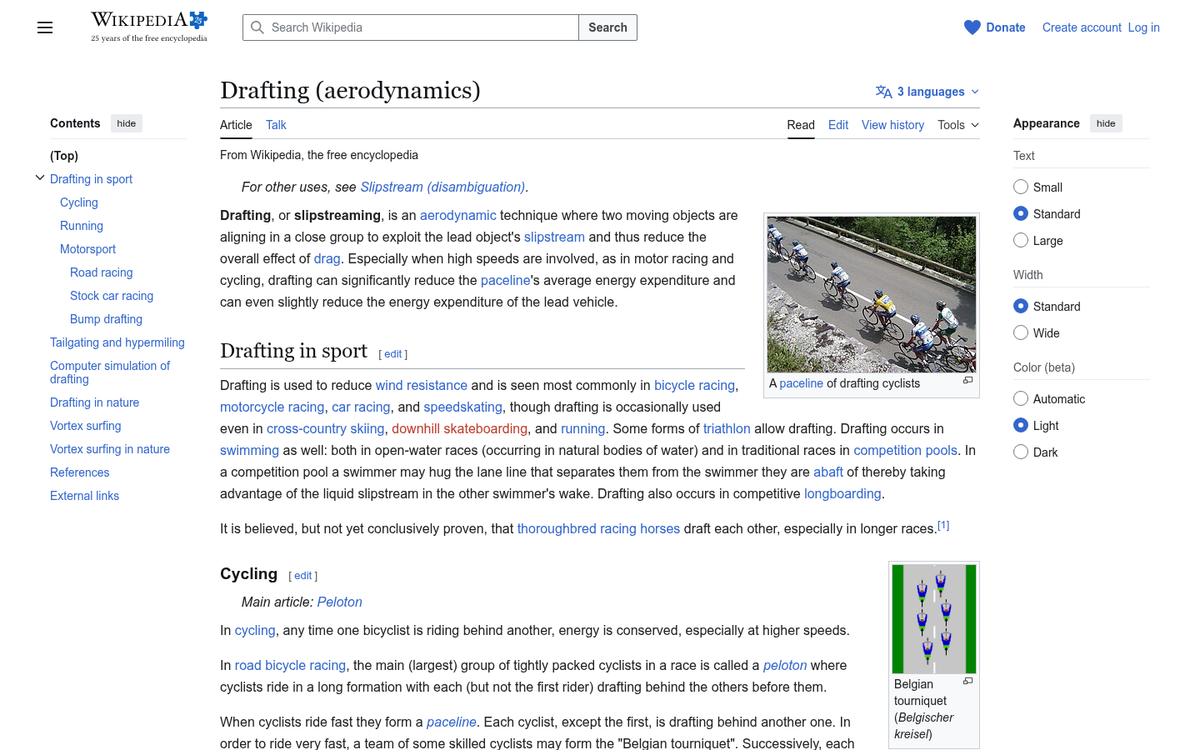
Drafting in racing is a concept where the lead car disrupts the air as it passes, while cars riding close behind take advantage of the already-disrupted air to move forward with less resistance.
Content drafting works the same way. Watch your competitors and pay attention to where they're getting guest posts published. When you see them land a spot on a high-authority site, you know two things: that site accepts guest posts, and you have a real-world example of the kind of content they say yes to.
Pitch that same site. Your odds are reasonable - your competitor already got through the door, and you're just as capable. You can even pitch a topic that challenges or refutes what your competitor wrote, if you want to add a little edge to it. A well-reasoned counterpoint tends to get attention, and knowing what makes content spread can help you craft a pitch that's hard to ignore.