Key Takeaways
- StumbleUpon reached 20 million users but traffic quality was consistently terrible, with bounce rates exceeding 90%.
- Average StumbleUpon visitors spent only 9 seconds on-site, providing virtually no meaningful engagement for publishers.
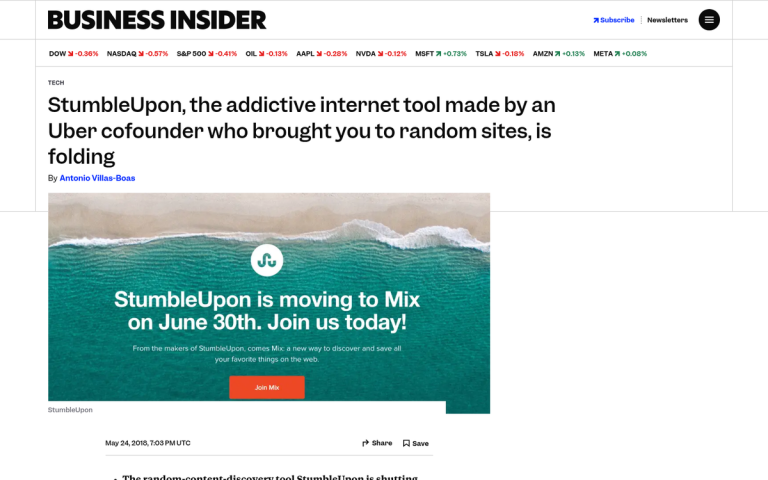
- StumbleUpon shut down in June 2018; its successor Mix failed to gain traction and faded into obscurity.
- Reddit, Pinterest, Flipboard, and TikTok have since replaced StumbleUpon's content discovery niche with better engagement.
- The core lesson: raw traffic volume without engagement quality is worthless, and today may actively harm Google rankings.
What Was StumbleUpon?
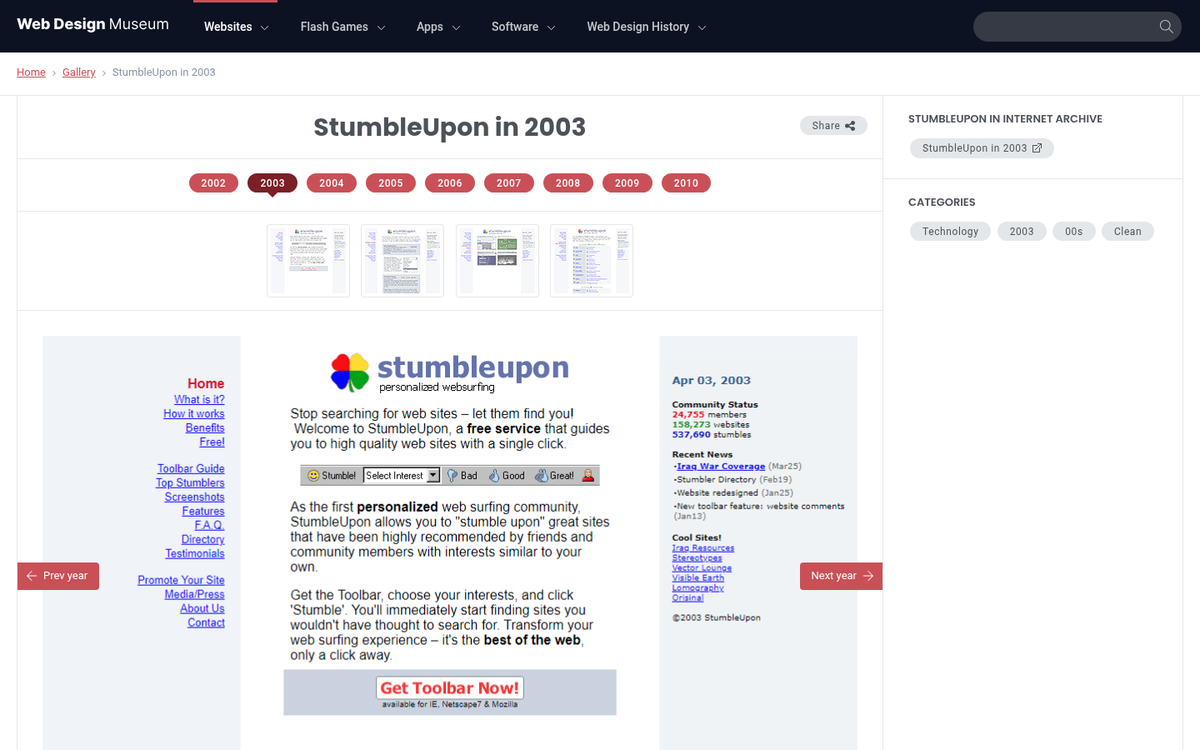
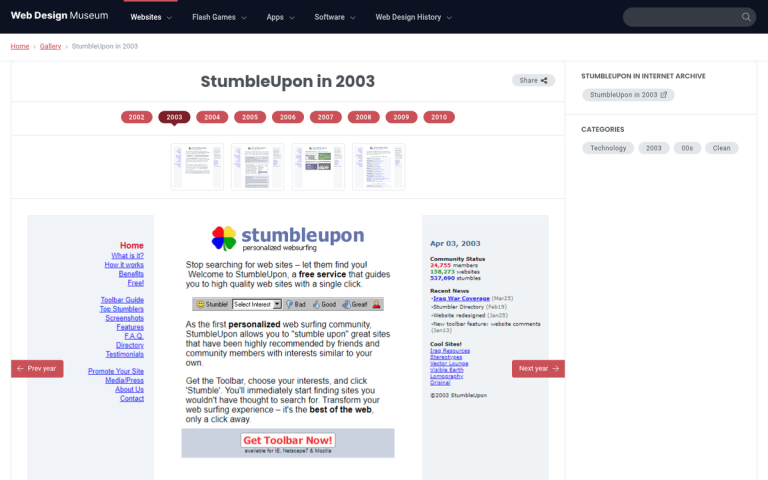
Founded in 2002, StumbleUpon was a fairly innovative idea for its time. Users would register for the site and fill out a profile built around a massive list of interest categories, ranging from art and architecture to TV shows. Once they had their profile interests saved, they would download a toolbar and install it in their web browser.
The toolbar's primary feature was the stumble button. Clicking it would pull up a website categorized within one of the user's interest areas. One click might take the user to a review of a Renaissance painter, while the next could bring them to a viral video. Users could thumbs up or thumbs down a page, leave a written review, and those signals fed back into the algorithm to surface higher-rated content more often.
StumbleUpon played on the inherent lack of attention span notable in most Internet users. Bored of the current article? Click stumble and find something new - much like bloggers who struggle to stay engaged with their own content.
At its peak, StumbleUpon claimed around 20 million registered users, growing at roughly 500,000 new users per month according to Mashable. It was a legitimate traffic firehose - sites like ToobBox.com reported receiving 7,000 views in a single day after being submitted to the platform.
The Problem With StumbleUpon Traffic

Here's the catch that most SEO writers glossed over when they added StumbleUpon to their lists: the quality of that traffic was consistently terrible.
The numbers speak for themselves:
- Per Smart Passive Income, StumbleUpon ranked as their 3rd top traffic source but had the lowest pageviews, lowest average time on site, and the highest bounce rate at 82%.
- Practical Ecommerce reported bounce rates exceeding 90% in some cases.
- Well Planned Web recorded an average time-on-site of just 9 seconds with a 90% bounce rate from StumbleUpon referral traffic.
Nine seconds. Users were clicking in, glancing at your page, and bouncing before your analytics could even register meaningful engagement. Paid promotion existed but suffered from the same problem - StumbleUpon's own definition of an "engaged" visitor was any visit lasting over five seconds, which tells you everything you need to know about the audience. If you were struggling with this, what is a good bounce rate benchmarks show just how far StumbleUpon traffic fell short, and there are effective attention grabbers that can help reduce bounce rate, though they could only do so much when the traffic source itself was the root issue.
StumbleUpon Is Gone - It Became Mix

For anyone researching this in 2026, the most important thing to know is: StumbleUpon no longer exists. The platform officially shut down in June 2018. Its founders attempted to relaunch the concept under a new brand called Mix, which tried to modernize the content discovery model with a cleaner interface and curator-based collections.
Mix struggled to gain meaningful traction and has largely faded into obscurity. It never came close to replicating StumbleUpon's traffic volume, and the content discovery space it once occupied has been absorbed almost entirely by other platforms.
What Replaced It?
The "random content discovery" niche StumbleUpon owned has been carved up and distributed across several platforms that do specific parts of it better:
- Reddit - Community-curated discovery by interest, with vastly higher engagement and much more targeted audiences by subreddit.
- Pinterest - Visual content discovery that drives significantly better referral traffic with lower bounce rates.
- Flipboard - Magazine-style content curation still active and used by publishers looking for referral traffic.
- TikTok and YouTube Shorts - Effectively the modern "stumble" experience for video content, driven by algorithm rather than a button.
What This Means for You in 2026

If you came across StumbleUpon mentioned in an older SEO article or traffic-building guide, you can safely cross it off the list. The platform is gone, its successor Mix never delivered, and the broader lesson it left behind is still worth remembering: raw traffic volume means very little without engagement quality to back it up.
A surge of 7,000 visitors bouncing in 9 seconds does nothing for your rankings, your email list, or your revenue. In 2026, with Core Web Vitals and user engagement signals playing a larger role in how Google evaluates pages, chasing low-quality traffic is arguably more harmful than it was a decade ago.
Focus your content distribution efforts on platforms where your audience actually stops, reads, and interacts. That was the real lesson StumbleUpon taught us, even if it took its own decline to make it obvious. If you're still looking for ways to grow without relying on a single source, it's worth exploring a wide range of free traffic sources that offer more reliable, engaged visitors over time.