





Driving traffic to a CPA offer is more or less identical to driving traffic to any website. You can still get traffic from all of the usual sources, and the conversion rate you get depends on the quality of that traffic.
There's just one catch with CPA; often offers will specify one particular type of traffic. If an offer you take specifies banner ad traffic, and you use the offer link in a text ad, none of the referrals you make will count for payment. You're breaking the terms of the offer, and thus forfeiting any earnings.
Key Takeaways
- CPA offers often restrict traffic types; using the wrong source means forfeiting earnings entirely.
- "Incent" offers allow you to incentivize actions with freebies, coupons, or giveaways to boost conversions.
- Quality-based niche sites outperform volume-based thin sites, which risk Google manual penalties and ranking loss.
- Diversifying traffic across organic search, social media, email, and paid ads reduces dangerous over-reliance on one channel.
- AI tools like ChatGPT and Perplexity are emerging traffic sources; building authority helps content get surfaced there.
CPA Specific Terms
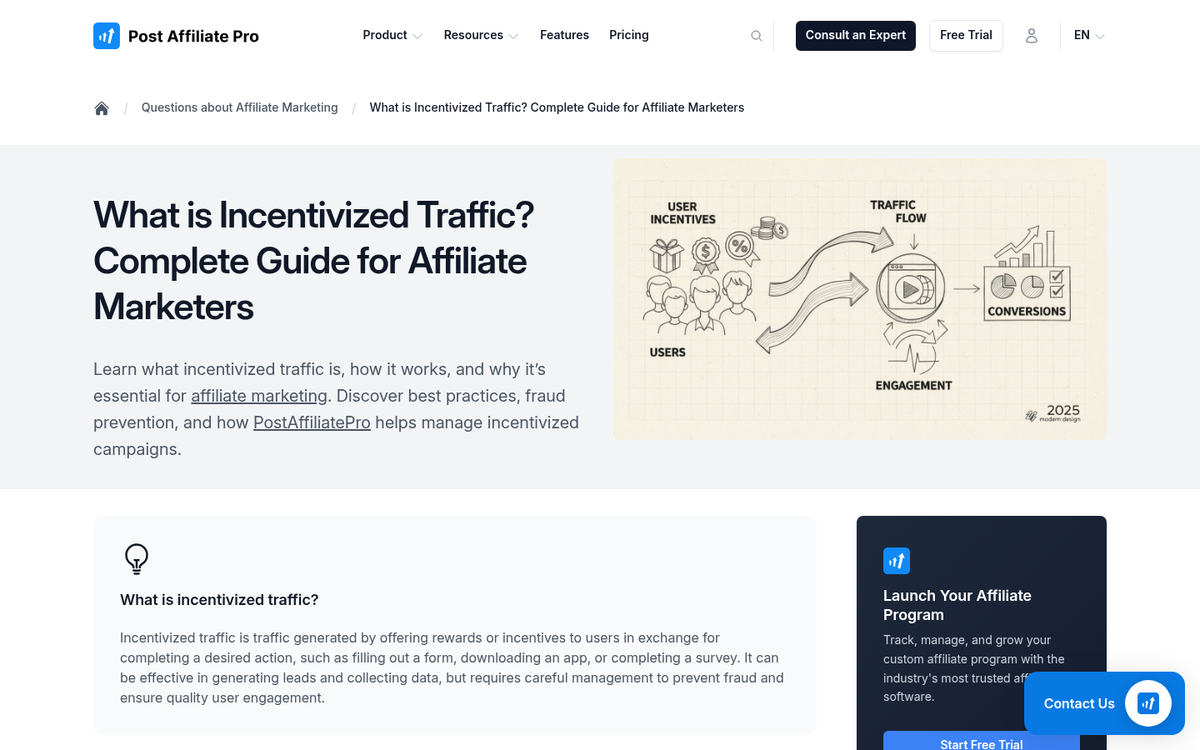
Some CPA offers are not limited. Others will specify types of traffic, such as banner traffic, traffic from emails, or organic traffic only. Keep this in mind as you read on about types of traffic and various traffic sources; you will need to either focus solely on one type of traffic, or use a variety of offers to capture each type of traffic.
One thing you might want to watch for is Incent offers. This keyword, when present in an offer, means you're allowed to incentivize the traffic in any way you desire. You can, for example, tell users that if they fill out the form, they get a free copy of your ebook or a 10% off coupon for a product.
You might even tell them they can sign up for an exclusive deals mailing list which you use for other offers. Giveaways work as well; record the people who sign up and award a gift card to a few lucky winners each month. If you're getting enough conversions and your offer pays enough, it's a small chunk of your available profits.
Finding Offers

Part of driving traffic to your offers is finding the right offers in the first place. You want to develop a website - or multiple websites - in a niche. Each niche has limits, and you need to have discipline to keep your offers focused. If you find good offers in a different niche, don't slap them on to your site; save them for a new site in a different niche.
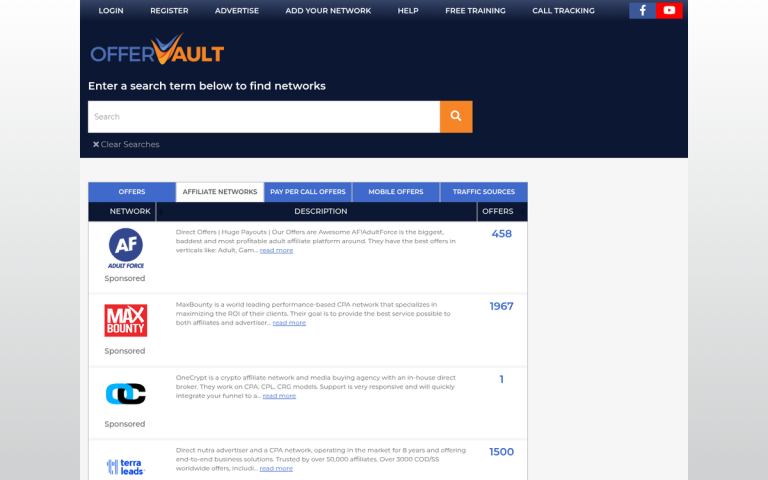
You can find offers using aggregator sites like OfferVault. Put in keywords relating to your niche and look for offers. By registering for these sites, you can use advanced search criteria, which are extremely helpful for weeding out the offers that don't apply to your site. You'll want to specify offers in the right country, for example. An offer targeting French-speaking audiences doesn't apply to your US-only site, does it?
When you find applicable offers, you will need to review them for any specifications that make them difficult to monetize. Such specifications include limits on the type of traffic, incentives you're allowed to offer, and the action required to count as a successful conversion.
With a selection of offers in hand, you will need to apply to the networks that host the offer. If you don't get accepted into the network, you can't run the offer, so you might have to search for replacements. If you're already a member of the applicable network, getting accepted into private CPA networks can open up even more options to explore.
Types of CPA Sites
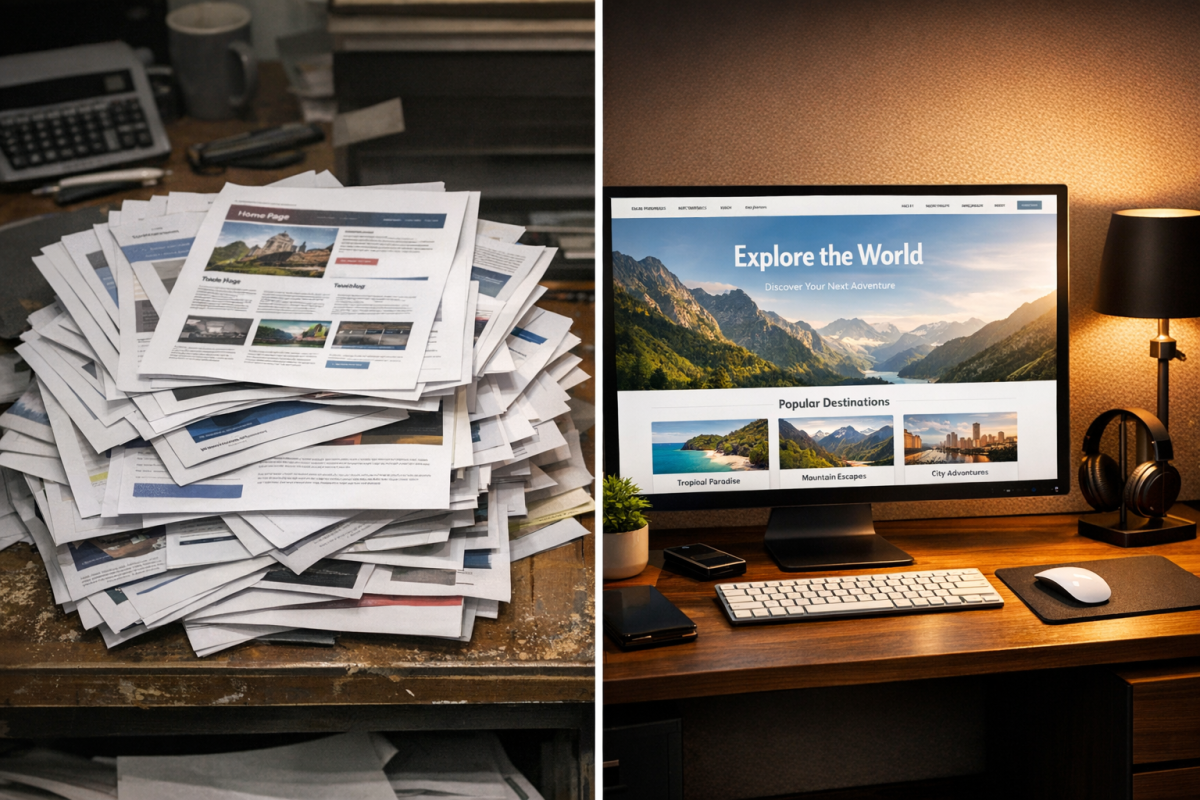
The first choice you need to make is whether you opt for a volume-based approach or a quality-based approach.
A volume-based approach has you spending the absolute minimum amount of time and money on your site. You slap up some content, you use a template site, you throw in a few offers, and you run a few ads. That's it. You do this tens or hundreds of times, creating a lot of minor sites with a lot of offers, trying to hit all the bases. At some point, you reach critical mass and make more money than it takes to set it all up.
A quality-based approach is much more stable for the long term. You create a custom niche site and put your all into it. A custom site design, nicely integrated offers, and a consistent content schedule keep the site running and hopefully flourishing. You can leverage this site into other monetization methods later, such as affiliate marketing, direct sales of ad space, and even selling your own products.
The quality-based approach is strongly recommended for a few reasons. For one thing, a quality site has more long-term growth potential. For another, a large network of thin, low-effort sites is a reliable way to earn a manual penalty from Google and disappear from search rankings entirely - something Google has been increasingly aggressive about since its Helpful Content updates rolled out in recent years.
Driving Traffic
Once you have a site set up with some offers, it's time to drive some traffic to it. You can do this in a number of different ways.
- Organic search. This remains one of the best methods for long-term growth. With organic search, you're working on SEO to build a brand presence and a trusted reputation, so you need to carefully cherry-pick your offers to avoid misleading your readers. With Google's continued focus on helpful, people-first content, thin or deceptive pages have less and less chance of ranking.
- Search ads. Using Google Ads or Microsoft Advertising (formerly Bing Ads) gives you access to a large pool of targeted traffic. The caveat, of course, is that you have to pay for ads and conversions are never guaranteed. If your targeting is off or your cost-per-click is too high relative to your payout, you'll burn through your budget fast. Always track your numbers carefully.
- Mobile ads. Mobile traffic now accounts for the majority of web browsing, so mobile-focused advertising is essential rather than optional. Make sure your offers are relevant to mobile users and that your site delivers a fast, responsive experience on all devices. Page speed is a ranking and conversion factor - don't overlook it.
- Social media. Organic social works well with the quality-based approach, because you're building a brand as much as an affiliate site. Platforms like Facebook, Instagram, TikTok, YouTube, and LinkedIn can all be used to share content and drive traffic. Short-form video in particular has become an extremely effective top-of-funnel traffic source since 2023, with TikTok and Instagram Reels consistently outperforming static posts in terms of reach.
- Social ads. Meta Ads (Facebook and Instagram), TikTok Ads, and other paid social platforms offer highly granular audience targeting. These can be effective for driving traffic to CPA offers, though you'll need to be mindful of each platform's policies around affiliate and CPA-style promotions, as enforcement has tightened considerably in recent years.
- Mailing lists. Building your own mailing list remains one of the highest-ROI traffic sources available. You own the audience, there's no algorithm between you and your subscribers, and a well-segmented list can drive consistent, high-quality conversions. You can also buy placements in established newsletters in your niche, though costs have risen significantly as email marketing has regained popularity.
- AI-driven discovery. An emerging traffic source worth considering in 2026 is visibility within AI tools like ChatGPT, Google's AI Overviews, and Perplexity. These tools are increasingly being used for product research and recommendations. While you can't directly advertise within most of them, building genuine authority and earning citations from trusted sources can result in your content being surfaced to users who are actively looking for exactly what your offers provide.
Using a mixture of these traffic sources is ideal, so you're not relying too heavily on any single channel. Experiment, find where your best conversions come from, and push for growth from there.

2 responses
Thoughtful replies only - we moderate for spam, AI slop, and off-topic rants.
Great guide! Is there specific traffic sources for CPA ads that works better than others or does it vary?
Great info.
I would suggest youtube and document sharing sites like slideshare are great source for free quality traffic.
Thanks