Key Takeaways
- Custom WordPress design costs range widely, from free DIY tools to $100,000+ for complex agency-built projects.
- Page builders like Elementor and Divi offer affordable customization ($50-$200/year) without requiring coding knowledge.
- Under $500 typically gets a lightly modified premium theme; genuinely custom work starts around $2,000-$5,000.
- Developer hourly rates vary significantly by location, from $15-$40 in Asia to $50-$150 in North America.
- Quality designs prioritize mobile-first layouts, clean code, performance optimization, and Core Web Vitals compliance.
One of the primary benefits of WordPress is the freedom of the platform, in more ways than one.
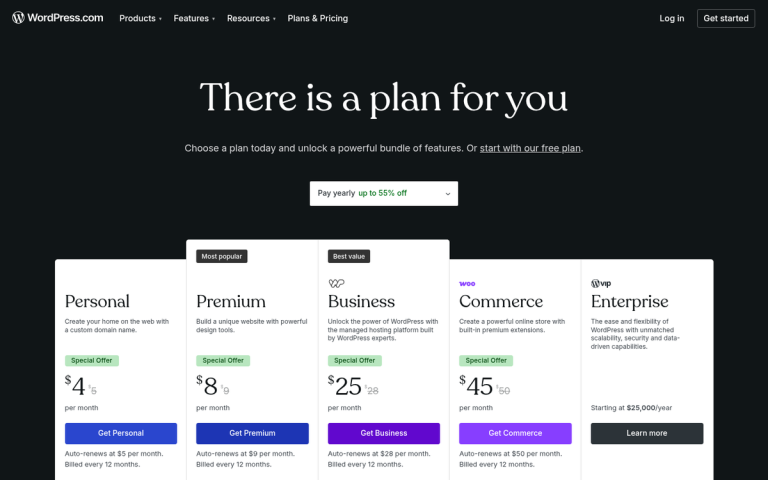
On one hand, you have the software itself, which is completely free to use. You have all of the various plugins and themes, which can be expensive for premium versions, but can often be simulated or replaced by combinations of free versions. For some people, the only expense when running a WordPress website is the hosting, and with WordPress.com, even that can be free.
There's just one problem; if you want the best, unique design for your business, you're probably not going to get away with free hosting, design, and plugins. You want the best for your business, and the best doesn't come cheap.
The focus of this piece will be on themes and design, but remember that they aren't the only expenses. Your hosting needs to be powerful enough to support a commercial site. Your plugins will be a mixture of free and paid, but some of the best out there require basic fees. Premium themes typically run $25-$250, and premium plugins anywhere from $15-$200 - costs that add up quickly once you start building something serious.
Methods of Custom Design
There are a few ways you can get a custom design for your WordPress site. You can:
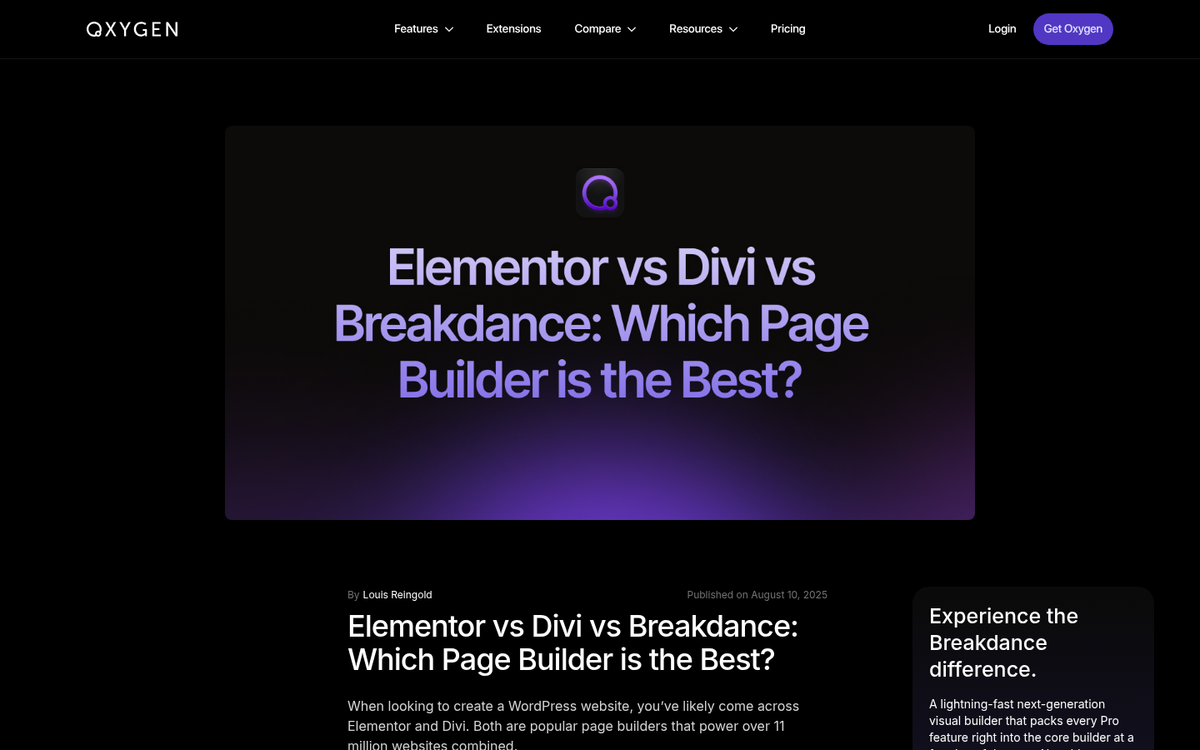
- Use a page builder like Elementor, Divi, or Bricks Builder to create your own design visually, without needing to write code. These tools have matured enormously and offer drag-and-drop interfaces with powerful customization. Free versions exist, but the premium versions - which unlock the features you actually want - typically run $50-$200 per year. This is now one of the most popular routes for small business owners who want control without hiring a developer.
- Use a block-based theme with the WordPress Site Editor (formerly known as Full Site Editing, or FSE). Since WordPress 5.9, the native block editor has expanded into full site editing, meaning you can customize headers, footers, templates, and more - all within WordPress itself, no third-party tools required. It's free, but does require some patience and design sensibility to pull off well.
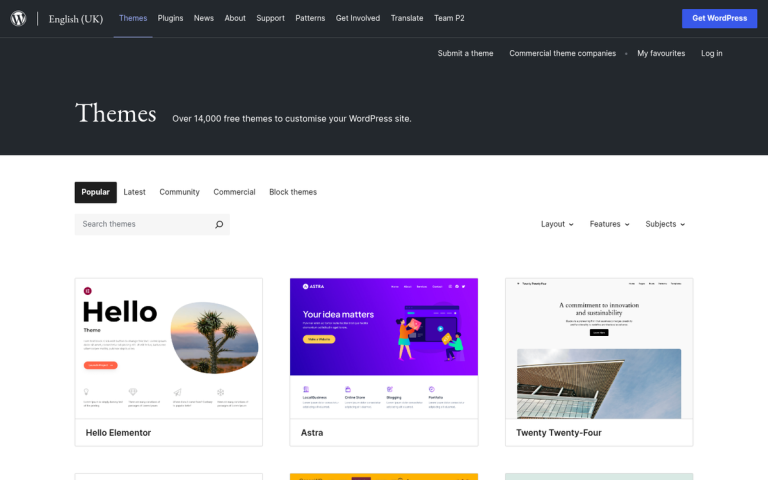
- Buy and customize a premium theme from marketplaces like ThemeForest, Elegant Themes, or StudioPress. Premium themes range from $25-$250 and often come with demo content, support, and built-in page builder compatibility. You won't get a fully unique design, but with enough customization you can get close. If you're not sure where to start, check out what makes a strong WordPress theme before committing to one.
- Wireframe a design and hand it off to a developer. Services and freelancers will take your design files - whether that's a Figma file, Adobe XD mockup, or even a detailed brief - and turn them into a fully functional WordPress theme. This is a hands-off solution once the design is done; you send in the files, they send back a working site. Pricing varies widely based on complexity.
- Hire a freelancer through platforms like Upwork or Toptal. You can hire a designer to handle the visuals and a developer to handle the build, or find someone who does both. Because it's a freelance marketplace, quality and pricing vary - but you can vet candidates carefully through portfolios and reviews. Freelancers typically charge $500-$5,000 for a design project.
- Hire a WordPress development agency to do all of the work for you. You work closely with them throughout the process to make sure the final product meets your specifications. Agencies charge significantly more than freelancers, but bring more resources, accountability, and polish. This can range from $3,000 to $100,000+ depending on the scope and the agency.
So, as you can see, there are a lot of options available to you. Pick the one that best suits your budget, do what you can to get a site that's uniquely fit to your business, and consider setting aside budget later for a more professional upgrade as your business grows. You might also find it helpful to explore WordPress themes with strong traffic potential to make sure your design choices support your growth goals.
Cost Considerations
Some of you might have had a bit of a double-take at the mention of prices reaching into the tens of thousands - or even six figures. It's a reality of the industry. A fully custom WordPress website built by an agency can range from $6,000 to $15,000+ for a small business site, and significantly more for complex builds. According to WebFX, agency projects can run anywhere from $3,000 to $100,000 depending on scope, features, and reputation.
That said, hourly rates tell an interesting story. According to Clutch, hiring a WordPress development company averages around $25-$49/hour, though U.S. and Canadian developers typically charge $50-$150/hour, European developers $40-$100/hour, and developers in Asia $15-$40/hour. Glassdoor puts the median hourly rate for a WordPress developer at around $30, though this reflects a broad range of skill levels.
The Genesis framework, once a go-to recommendation for premium WordPress development, has declined in relevance in recent years as the block editor and modern page builders have taken over. Today, the conversation around frameworks has largely shifted to tools like Elementor Pro, Bricks Builder, and Kadence - each with their own ecosystems of developers and premium add-ons. If you're running your site on a tighter budget, it's also worth considering whether WordPress.com Premium or a self-hosted install better fits your needs before committing to a developer.
For vetting developers, community trust signals still matter. Look for developers with strong Upwork profiles, verifiable portfolio work, and genuine client testimonials. Agencies often list their WordPress partnerships and certifications publicly, which can serve as a useful quality indicator. Once your site is live, don't overlook the basics - things like reducing your bounce rate can have a significant impact on how well your investment performs.
The Hallmarks of a Good Design
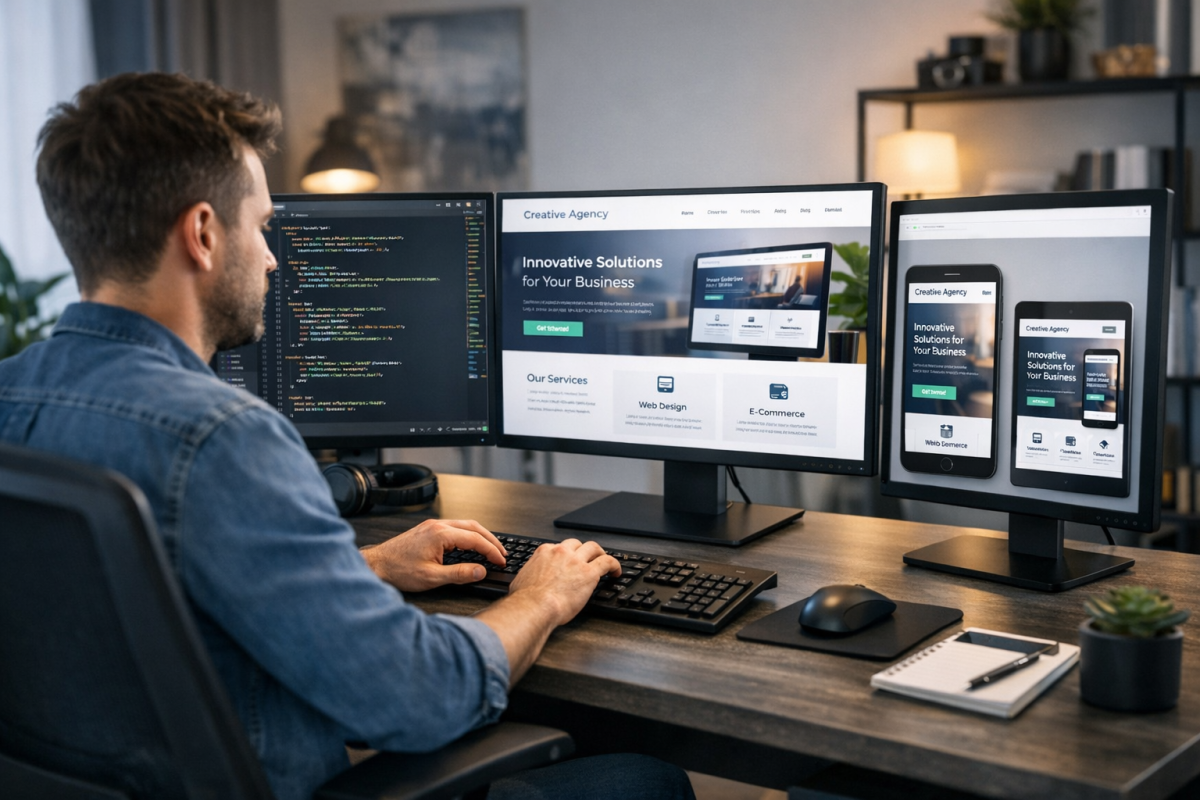
How do you evaluate a theme or a designer to make sure they produce something of quality that is worth their price? Here are some things to consider.
- Proper handling of scripts and performance optimization, to make sure the site loads fast and integrates cleanly with the plugins you depend on. Core Web Vitals are now a ranking factor, so performance is no longer optional.
- Segmenting unique functions into plugins, rather than hard-coding them into the theme, so that if you upgrade or switch themes you don't lose critical functionality.
- Clean, validated code that doesn't bloat your page size or break across browsers and devices. The last thing you need is buggy code that fails for every fifth user - or tanks your Google rankings.
- Mobile-first design as a baseline, not an afterthought. With the majority of web traffic now coming from mobile devices, any developer not building mobile-first in 2026 is already behind.
- A good developer should be able to provide references, so you can get a personal recommendation from someone who's actually worked with them.
- A good developer will also have a verifiable reputation - whether that's well-known themes in the marketplace, a strong portfolio, active contributions to the WordPress community, or simply glowing reviews from past clients.
Getting What You Pay For
Consider this. If you're paying less than $500 for a custom design, you're likely getting something very basic - possibly a lightly modified premium theme rather than anything truly custom. There's nothing wrong with that for an early-stage site, but be honest with yourself about what you're getting.
In the $500-$2,000 range, you can expect solid freelance work - a customized theme, a handful of pages, and a site that looks professional without being groundbreaking.
The $2,000-$5,000 range is where you start getting genuine custom work. A developer or small agency will build something specifically tailored to your brand, with custom templates, unique functionality, and real attention to detail. According to WPBeginner, a custom theme alone typically falls in this range.
From $5,000 to $15,000+, you're commissioning a full custom website - built from the ground up, with a proper discovery process, multiple rounds of revision, and a finished product that's truly yours. This is the right investment for an established business that takes its online presence seriously.
Anything above that, and you're either dealing with a complex, feature-rich web application that goes well beyond a typical business site - or you're paying a premium for agency brand recognition. Sometimes that's worth it. Often, it isn't.