The skepticism is worth taking seriously. The SEO industry has a long history of inflating patterns - remember when every business was told they'd fail without a Pinterest strategy? AEO arrives at a moment when AI-powered search tools like ChatGPT, Google's AI Overviews and Perplexity are legitimately changing how people find information. But the fact that something is happening in the background doesn't automatically mean the services being sold around it are legitimate or necessary.
So that's what this post digs into. Not just if AEO is a real concept - because to some degree, it is - but if it matters for the average business owner or marketing team trying to make decisions right now. There's a difference between an actual strategic change and a billable line item dressed up in new language, and that distinction is worth looking at before anyone commits time, budget, or trust to it.
Key Takeaways
- AEO is legitimate, but being cited by AI tools doesn't automatically translate to traffic, leads, or revenue.
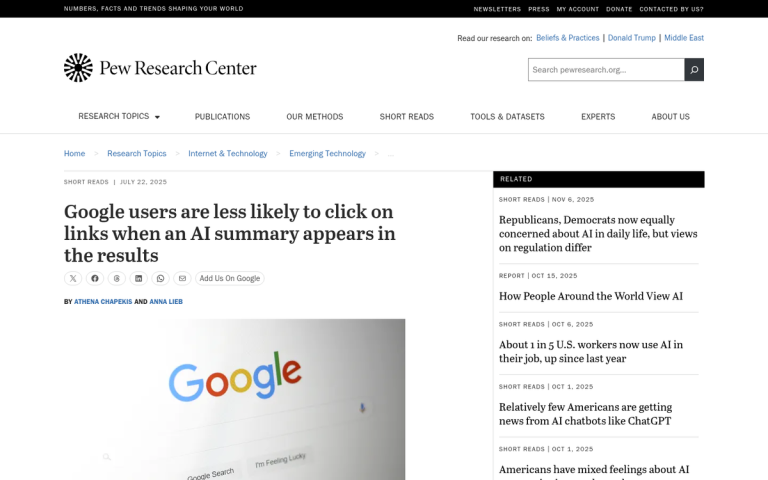
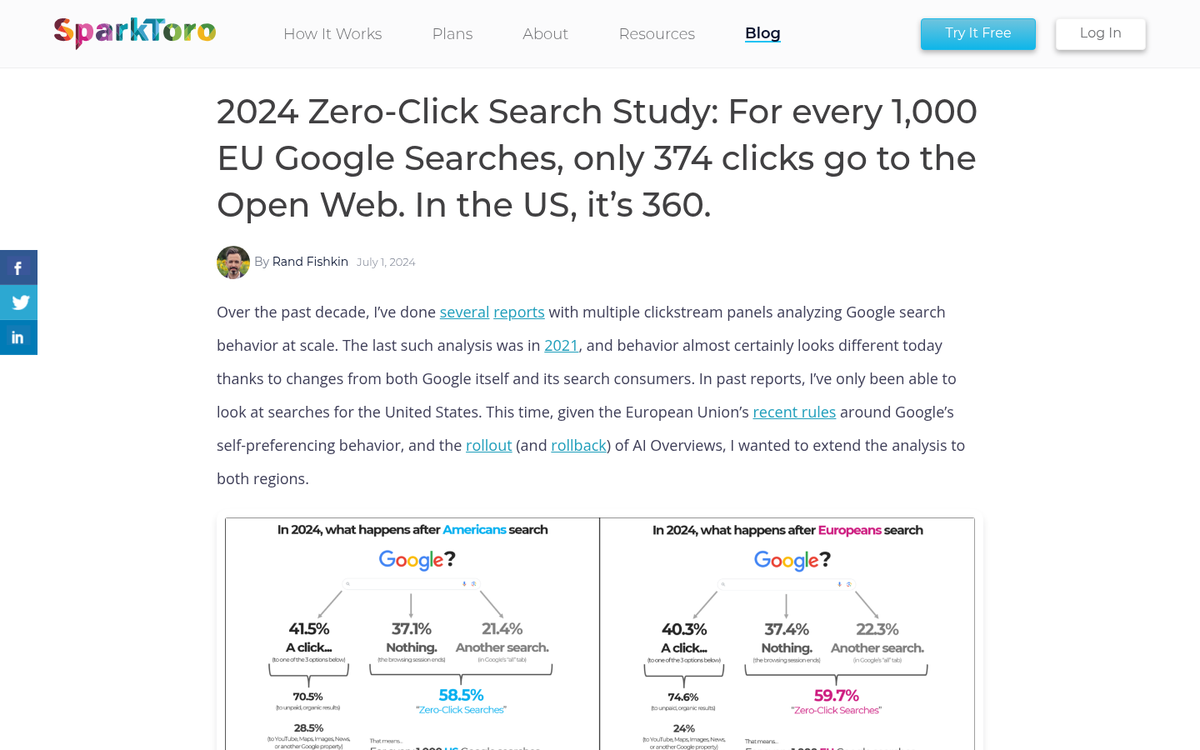
- 57% of Google searches ended without a click in 2024, and top-ranking page CTR dropped 64% in one year.
- Many AEO services repackage older content optimization tactics like structured data and conversational writing under a premium new label.
- B2B, professional services, and local businesses benefit most from AEO; broad e-commerce is currently lower priority.
- Before buying AEO services, demand concrete deliverables and measurable outcomes - vague "visibility" promises are a red flag.
What AEO Actually Is (And What It Is Not)
Answer Engine Optimization is the practice of structuring your content so AI-powered tools surface it as a direct answer to a user's question. No tricks, no black-box algorithm - just content built to satisfy the way these tools retrieve and present information.
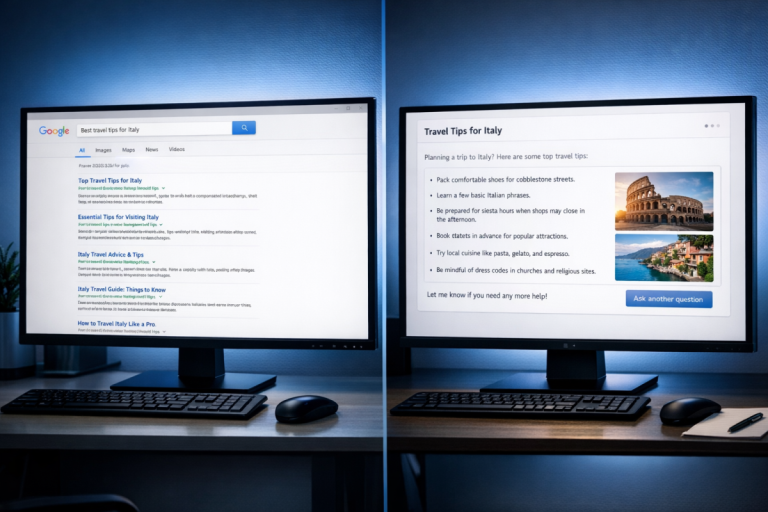
The distinction from traditional SEO matters more than it might seem. With SEO, the goal is to rank high enough that a person clicks your link. With AEO, the user may never visit your site at all.
The tools driving this are places like ChatGPT, Perplexity, and Google's AI Overviews. These are answer engines instead of search engines, which means they interpret a question and generate a response instead of returning a list of links. They pull from existing content across the web. But the content they favor tends to be structured, direct, and easy to parse.
AEO is not a replacement for content, and it's not a separate discipline that lives in isolation from everything else you do for search. Strong, well-organized content that serves your audience is still the foundation. AEO is about how you format and frame that content so answer engines can use it.
It's also worth being clear about what AEO does not guarantee. Being cited by an AI tool does not automatically translate to traffic, leads, or revenue. That tension is something the marketing around AEO quietly skips over.
The next section gets into the search behavior data behind this, because the case for AEO depends on whether the numbers back it up.
The Search Behavior Data That Makes AEO Hard to Ignore
The case for AEO is not marketing hype. The numbers behind it point to a change in how search works and where people go to get answers.
In 2024, 57% of Google searches ended without a single click. That means more than half of all searches were resolved directly on the results page, through featured snippets, knowledge panels, and AI-generated summaries. For businesses that have spent years chasing page-one rankings, that statistic should at least prompt some questions.
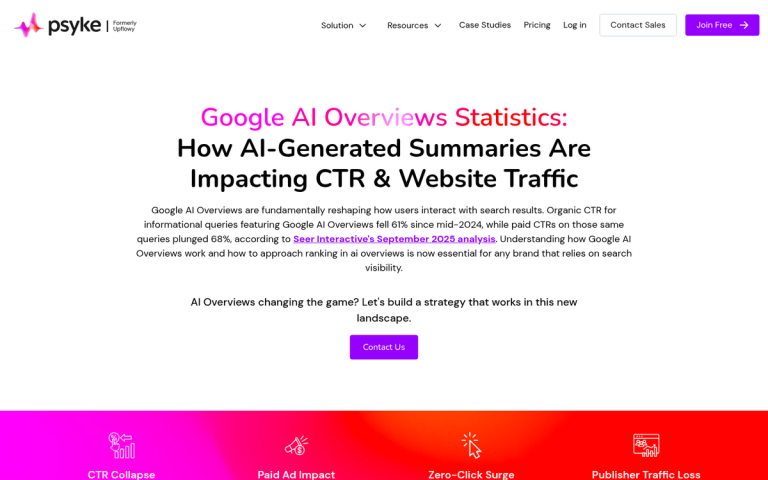
It gets more pointed from there. The click-through rate for the number-one ranked page on Google dropped by 64% between March 2024 and March 2025. That is not a gradual decline. Ranking first used to be the goal because it reliably brought traffic. That link between rank and visits is weakening.
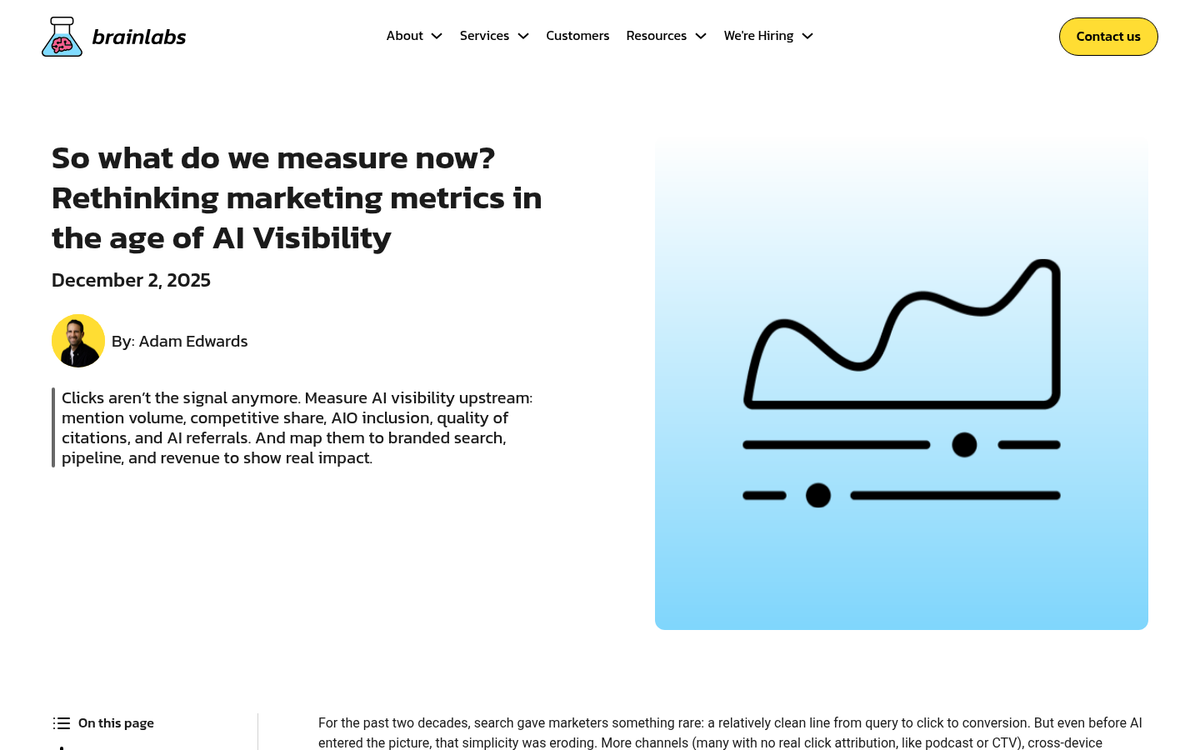
Then there's the AI side of the picture. ChatGPT is now handling around 3 billion queries per day. That is an actual slice of information-seeking behavior that never touches a traditional search engine at all. AEO, in part, is about showing up in those results too.
The query length gap tells you something important about intent. The average Google search is about 3.37 words long. The average ChatGPT query runs closer to 23 words. Short keyword searches and conversational questions call for different types of content.
| Metric | Google Search | ChatGPT |
|---|---|---|
| Average query length | 3.37 words | ~23 words |
| Daily queries | ~8.5 billion | ~3 billion |
None of this proves that AEO matters or that traditional SEO is finished. But these numbers do explain why the conversation is happening at all.
Where the "Scam" Label Actually Comes From
The frustration is legitimate. A lot of businesses have spent money on AEO services and walked away with almost nothing to show for it - no results, no trackable changes, and a final report full of vague language that doesn't translate to results.
A big part of the problem is how some agencies package and sell AEO. The pitch tends to sound great. But the deliverables are vague. You might get a content audit, a few rewritten FAQs, and some schema markup - work that looks technical but is hard to tie to any measurable result. If you push for numbers, you get told that "AI visibility is difficult to track right now." That answer isn't always wrong. But it does make it very easy to charge quite a bit and deliver very little.
There's also the repackaging issue. Many AEO services are basically older content optimization strategies dressed up in new language. Structured data, conversational content, and authoritative writing have been best practices for years. Calling it AEO and charging a premium for it is where people start to feel misled.

It's worth saying that business owners have seen this pattern before. Voice search SEO, featured snippet optimization, and semantic SEO all went through similar hype cycles where the promise outpaced the reality. That history makes skepticism reasonable - not paranoid.
The measurement problem makes everything worse. There's no standardized way to prove that a piece of content is performing well in AI-generated answers. Unlike traditional SEO, there's no ranking position to point to. So when results are hard to verify, it can become easy for bad actors to move the goalposts.
What you were actually sold versus what you received is the right question to ask.
What Legitimate AEO Strategy Actually Involves
Legitimate AEO work is less glamorous than most agencies make it sound. At its core, it means structuring content so AI-powered answer engines can read it and pull from it when a user asks a relevant question.
One helpful part of this is FAQ formatting. When you write content that directly mirrors how people phrase questions to tools like ChatGPT or Google's AI Overviews, you give the systems something easy to work with. That matters because people ask AI tools very different questions than they type into a search bar. A traditional search could be "running shoes flat feet" while the same person asking an AI might say "what are the best running shoes for people with flat arches who run on pavement?" Longer, more conversational, more specific. Content that isn't shaped to match that query tends to get passed over.
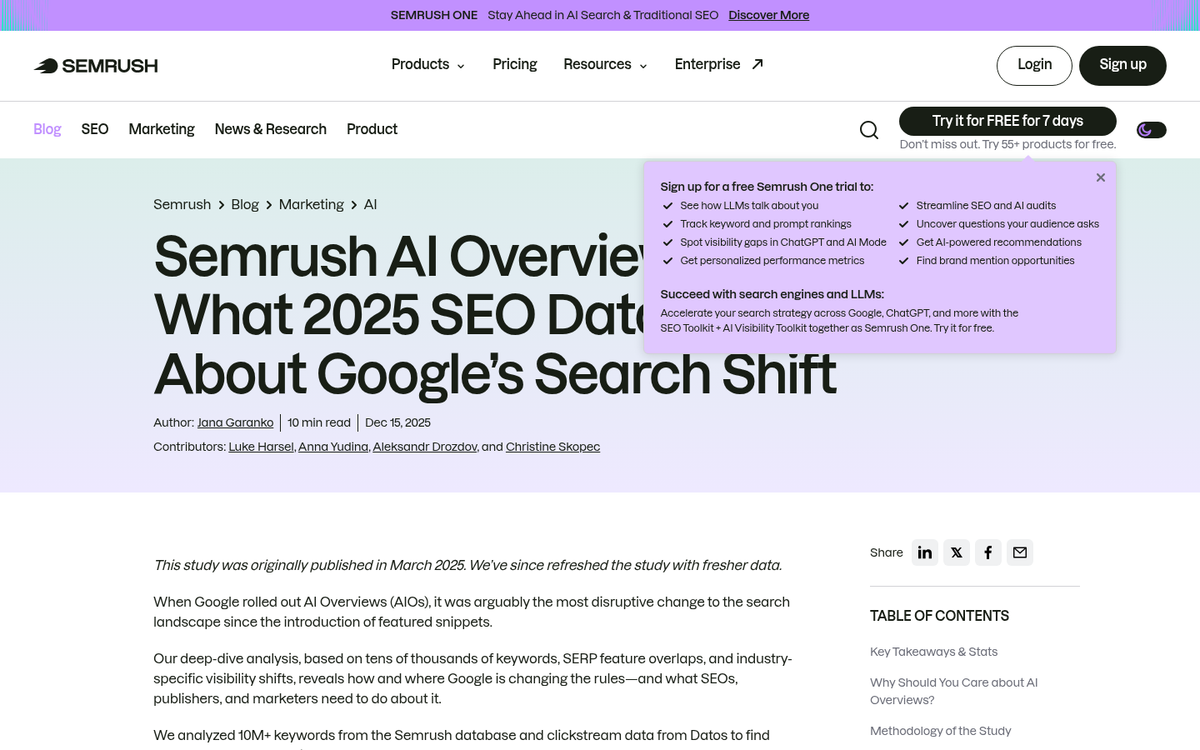
Schema markup is another component - it's structured data you add to a webpage to help search engines and AI tools classify what the content is about. It's not a trick - it's a way to label your content so machines can process it more accurately. When done right, it can meaningfully improve how and where your content appears in AI-generated replies. HowTo and FAQ schema are two formats worth understanding in this context.
HubSpot has published data showing that AEO-optimized content can improve conversion rates compared to content that isn't structured for answer engines, and it's worth taking seriously. But the results depend heavily on execution - generic FAQ sections slapped onto an existing page won't move the needle.
Legitimate AEO treats structured content and query alignment as the work - not a hidden technique or a proprietary system. It's a set of formatting and writing decisions that need to be applied across your content. Anyone selling you something more mysterious than that deserves a closer look.
How to Tell If the AEO You're Being Sold Is Worth It
Before you spend money on AEO, the most helpful thing you can do is ask direct questions and see how the person selling it responds. A credible strategy should have concrete deliverables, a way to measure progress, and a connection to what your business actually wants to achieve.
Start by asking how success will be measured. If the answer is vague - something about "visibility" or "presence" without any specifics - it's worth pushing back on. Good AEO work should tie back to results like traffic from AI-driven referrals, featured answer placements, or changes in branded search behavior over time.
It's also worth asking what the deliverables actually are. Will you receive updated content? Structured data implementation? A content gap analysis? Knowing what you're paying for in concrete terms makes it much easier to hold anyone accountable and to judge if you're getting value.
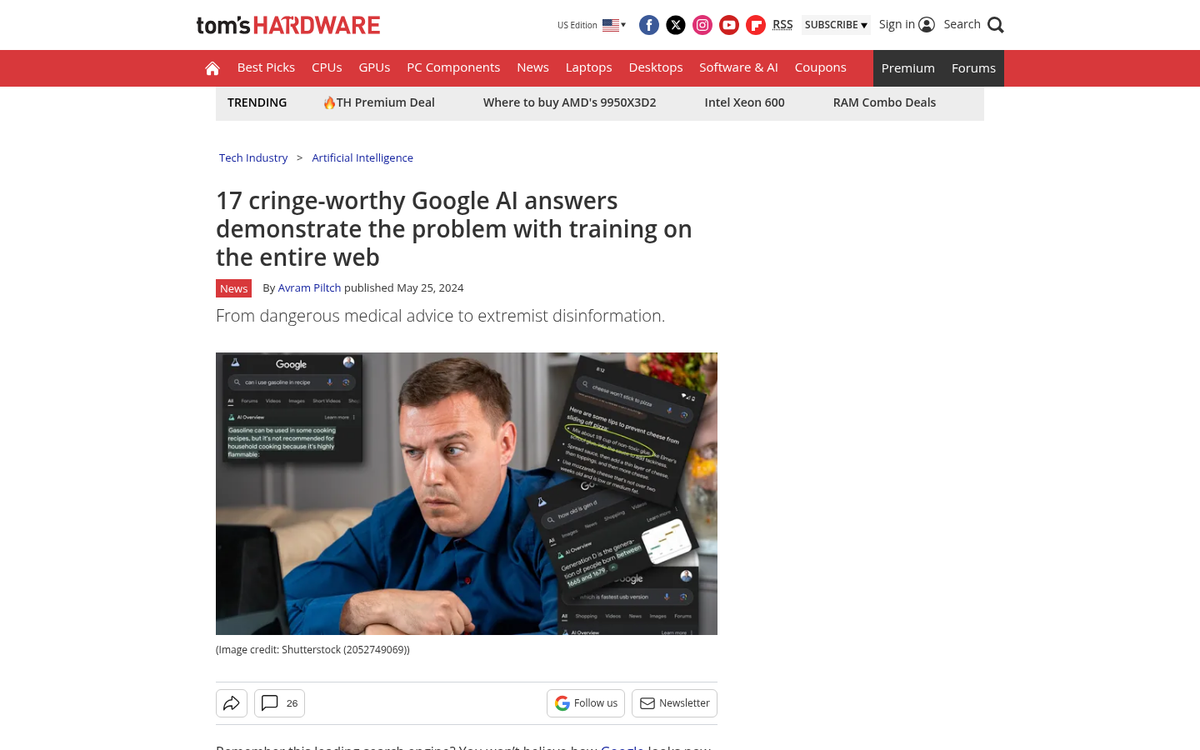
The other thing to consider is whether AEO is even the right priority for your business right now. Some industries are better positioned to benefit from it than others at this stage.
| Business Type | AEO Readiness | Why |
|---|---|---|
| E-commerce (broad product range) | Lower priority | AI answer engines don't drive product purchase decisions well yet |
| Local service businesses | Moderate to high | People ask AI tools for local recommendations frequently |
| B2B or professional services | High | Buyers use AI to research before they contact anyone |
| Health, finance, legal content | High with caveats | AI tools pull from authoritative sources heavily in these areas |
If someone is pitching AEO without asking about your business model, your audience, or your existing content, that's a sign the pitch is more generic than it should be. A strategy built around your goals looks very different from one built around a standard package.
AEO Is Real - But That Doesn't Mean Every Pitch Is
The scam danger lives in the selling of it. When vendors use fear, promise visibility, or bury you in tough language instead of deliverables, that's when "AEO" starts functioning more like a buzzword than a strategy. The concept isn't the problem - the pitch can be.
The best thing you can do is treat AEO the same way you'd treat any other marketing investment: ask hard questions, demand measurable outcomes, and stay skeptical of anyone who can't explain what success actually looks like in plain language. Curiosity and accountability are your best defenses - not against AEO itself, but against the hype that sometimes surrounds it. Go in informed and you'll be just fine.