Most content was never built to be understood by AI systems - it was built to rank - optimized for keywords, structured for click-throughs, written with a search engine results page as the final destination. Answer engines have different needs. They're looking for content that directly addresses a question, speaks clearly, and can be trusted as a citable source. A lot of content that performs well in traditional SEO quietly fails that test.
That's what an AEO content audit was built to surface. Think of it as a diagnostic - a structured way to look at your existing content and review how well it's positioned to be cited, quoted, or summarized by AI-driven answer engines. It tells you what's working, what's falling short, and where the gaps are that lead you to spend more time creating content that still won't get picked up.
I'll walk through the whole picture: what an AEO content audit actually is, why running one matters right now, and the process for creating one on your own content. Whether you're starting from scratch or trying to retrofit an existing library, the goal is to give you a helpful framework you can use.
Key Takeaways
- AEO audits evaluate whether content can be extracted and cited by AI answer engines, not just ranked by search engines.
- Content structure carries the highest audit weight (30%); pages should open with self-contained, direct answers rather than burying them.
- Schema validation and entity density are key trust signals AI engines use when deciding what content to cite.
- A five-step audit process covers inventory building, AEO scoring, schema validation, AI crawler tracking, and prioritizing fixes.
- Most organizations should audit quarterly; high-competition fields like law, healthcare, and finance warrant monthly audits.
AEO Content Grader
What Makes a Content Audit "AEO" Rather Than Standard SEO
A traditional SEO audit is built around a familiar set of questions. Can search engines crawl your pages? Where do you rank for target keywords? Do you have enough backlinks to compete? These are still valid things to track. But they measure a very different goal than an AEO audit does.
AEO stands for Answer Engine Optimization, and it's focused on a different win. A standard SEO audit asks if your page ranks on page one; an AEO audit asks if your content gets pulled into an AI-generated answer. That distinction matters more than it seems. If you want to evaluate your content against these criteria, an AEO content grader can help surface gaps quickly.
Think about how people now get information. A growing number of searches end with an AI summary at the top of the results, or with asking ChatGPT or Perplexity a direct question. In those cases, a high-ranking page that isn't structured for extraction can get skipped over in favor of one that is.

The question an AEO audit forces you to ask is this: are you optimizing to rank, or to be quoted? Both matter. But they call for different things from your content.
A standard audit might flag that your meta descriptions are too long or that your page speed is slow. An AEO audit looks at whether your content actually answers questions in a way that an AI can lift and use - it checks for definitions, direct answers, and logical structure that makes sense out of context. Tools like WordPress plugins built to improve rankings can address the technical side, but structured writing is a separate discipline entirely.
That last part is what matters. AI engines don't always send users to your page. They extract a snippet, paraphrase it, or summarize it - sometimes without a click involved at all.
The danger in applying an old audit framework to this new reality is that you'll get a clean bill of health on metrics that no longer tell the full story. A page can pass every traditional SEO check and still be invisible to AI engines because it was never written to answer anything.
| Standard SEO Audit Focus | AEO Audit Focus |
|---|---|
| Rankings and visibility in search results | Extractability in AI-generated answers |
| Backlink profile and domain authority | Content clarity and direct answer structure |
| Technical crawlability and indexing | Schema markup and machine-readable formatting |
| Keyword presence and density | Question-and-answer alignment in content |
The Scoring Categories AEO Audits Actually Measure
AEO audits break your content down into weighted categories, and each one corresponds to something AI systems look at when they choose what to cite. The scoring isn't arbitrary - it maps closely to how large language models and answer engines pull information from pages.
Below is an overview of the core categories and what each one means for your score.
| Category | Weight | What It Evaluates |
|---|---|---|
| Content Structure | 30% | How well the page is organized for AI to extract answers |
| Schema and Structured Data | 20% | Whether markup gives machines a clear content framework |
| Authority and Trustworthiness | 20% | Signals that the source is credible and well-supported |
| Answer Completeness | 15% | How fully the content addresses the user's likely question |
| Freshness and Accuracy | 10% | How current and factually reliable the information is |
| Readability and Clarity | 5% | How easy the content is for both humans and machines to parse |
Content structure carries the highest weight at 30%. That's worth sitting with for a bit. The measure is not whether the writing is good, but whether AI systems can find a direct answer without having to interpret the whole page first.
In practice, that means heading hierarchy matters quite a bit. A page that buries its answer inside long paragraphs will score lower than a page that uses clean subheadings to signal what each section covers. AI systems scan for structure before they scan for meaning.
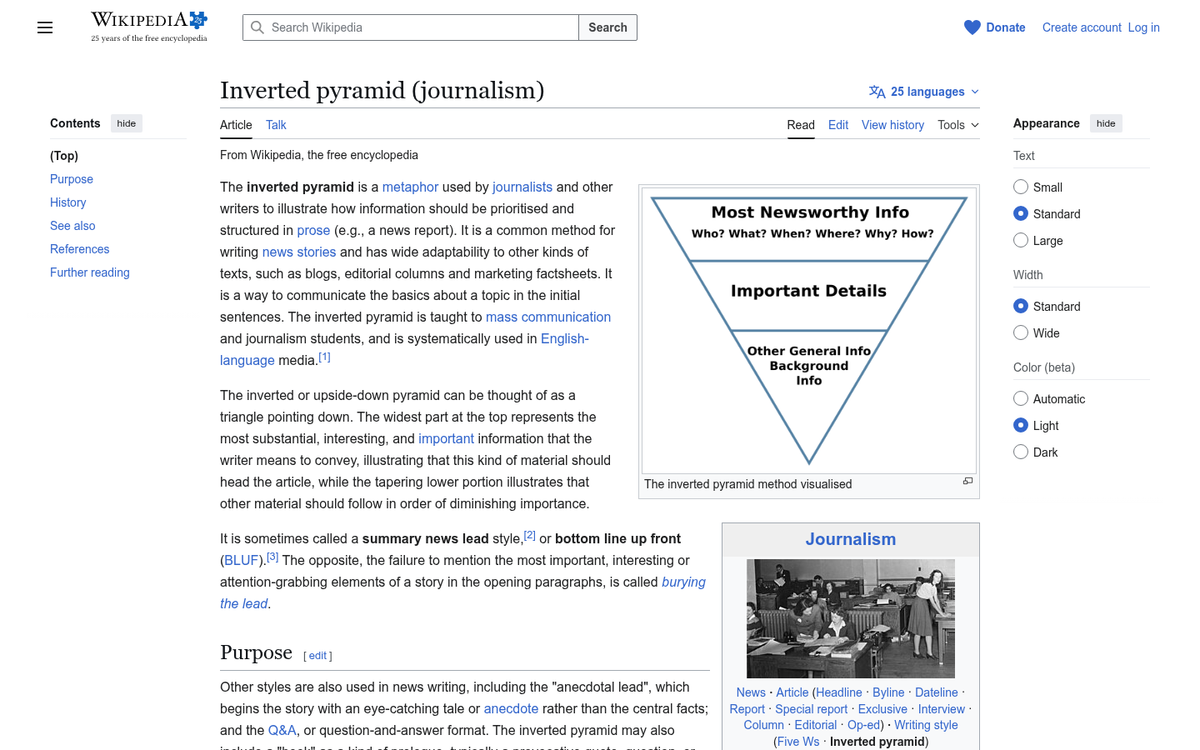
Schema and structured data come in second at 20%, which makes sense because markup is basically a content label that machines can read without guessing. Pages with no schema leave AI tools to infer context, and that inference isn't always accurate.
Authority and trustworthiness at 20% covers things like author credentials, external citations, and signals that the content comes from a source with expertise behind it - this category is where content quietly loses points without the writer realizing it. If you want to dig deeper into this area, there are practical ways to improve your E-A-T score that apply directly to how audits evaluate credibility.
The remaining categories - answer completeness, freshness, and readability, which also affects how long visitors stay engaged - round out the picture. They matter. But they're also easier to address once the structural and authority gaps are handled first.
How Content Structure Signals Affect AI Citation Rates
Of the things an AEO audit measures, content structure is one of the most immediately fixable - and one of the most often wrong. Fewer than half of the pages audited in most content libraries open with a short, self-contained answer to the question they're meant to help with. That gap directly cuts back on how an AI engine will pull from that page.
The reason comes down to how AI systems read content. They don't scroll and skim the way a human does. They parse the page for a usable answer and prioritize content that delivers that answer fast, without requiring them to wade through context-setting paragraphs first.
A page structured for AI citation tends to open with two or three sentences that could stand alone as an answer. Those sentences name the topic, give the core response, and hold up without the rest of the post around them. Everything after that - the detail, the examples, the nuance - functions as supporting material.
A buried-lede page does the opposite - it opens with background, eases into the topic, builds tension, and finally lands the answer somewhere in the third or fourth paragraph. That writing strategy works for long reads designed to hold attention, but it can become a liability when the reader is an AI engine that stops parsing once it finds something usable.
Most blog content is written to reward patience. Writers are taught to hook the reader, set up context, and earn the conclusion. That model made sense when the goal was to keep a human on the page. The goal now also includes being the source an AI engine quotes. That content is going to need a different opening.
If someone asked you a direct question in conversation, you would answer first and explain second. A well-structured page does that. The answer comes first, and the explanation follows for anyone who wants to go deeper. Using quotes strategically can also affect how that content performs in search and AI results.
The structural gap is also cumulative across a site. One or two buried-lede pages won't tank a content program. But when the majority of a site's content buries the answer, the whole library can become harder for AI engines to cite confidently. An audit quantifies that gap so the scale of the problem is clear enough to start fixing it.
Schema Validation, Entity Density, and the Trust Signals AI Engines Read
Two technical tells carry weight in how AI engines choose what content to trust and cite. The first is schema validation, and the second is entity density. Neither is obscure, but both are easy to forget when you're focused on words and structure alone.
Schema markup tells AI systems and search engines what your content actually is - a post, a product, a FAQ, a how-to guide. When that markup has errors or is missing altogether, the AI has less to work with when it tries to classify and use your content. A helpful benchmark to check against: if more than 20% of your high-value pages are failing schema validation, that's a red alert worth acting on faster.

Entity density is the other signal to measure. To explain it, entities are the named things in your content - people, places, organizations, concepts, and events. Entity density is how much of your content is made up of these recognizable, verifiable references. Normal web content sits around 5-8%. But research into AI-cited content shows that heavily cited pages can hit around 20.6%. That gap is worth noting.
Higher entity density gives AI engines more anchors to work with - it shows that your content connects to a web of known information instead of floating in vague generalities. You don't need to stuff things in names and places artificially - you'll just need to write with enough specificity that real-world references appear throughout.
| Trait | Low Entity Density Content | High Entity Density Content |
|---|---|---|
| Language style | General and abstract | Specific and grounded |
| References used | Few named people, places, or concepts | Named sources, organizations, and locations |
| AI citation likelihood | Lower | Higher |
| Verifiability | Hard to cross-reference | Easy to connect to known information |
Schema validation and entity density work together as trust tells. Clean, validated markup tells AI systems how to categorize your content, and strong entity density tells them your content is grounded in traceable information. Both are things you can measure and act on during an audit.
A Step-by-Step Process for Running Your First AEO Content Audit
The process is easier than it looks. You're working through your content systematically, scoring it against AEO criteria and flagging what needs to change.
Step 1: Build Your Content Inventory
Start by pulling a full list of your indexed pages. A tool like Screaming Frog or a simple Google Search Console export works here. You want the URL, page title and word count for every page you're looking to review.
Step 2: Score Each Page Against AEO Criteria
For each page, check four things. Does it open with a self-contained answer in the first two sentences? Does it use structured headings that mirror questions? Does it have the correct schema markup? And does it mention the entities that set up its topic?
A simple scoring table makes this faster to work through.

| Criteria | What to Check | Pass / Fail |
|---|---|---|
| Self-contained opener | First 1-2 sentences answer the core question directly | |
| Question-based headings | H2s and H3s reflect natural language queries | |
| Schema markup | Validated and appropriate for page type | |
| Entity density | Key topic entities appear naturally throughout the page |
Step 3: Validate Your Schema
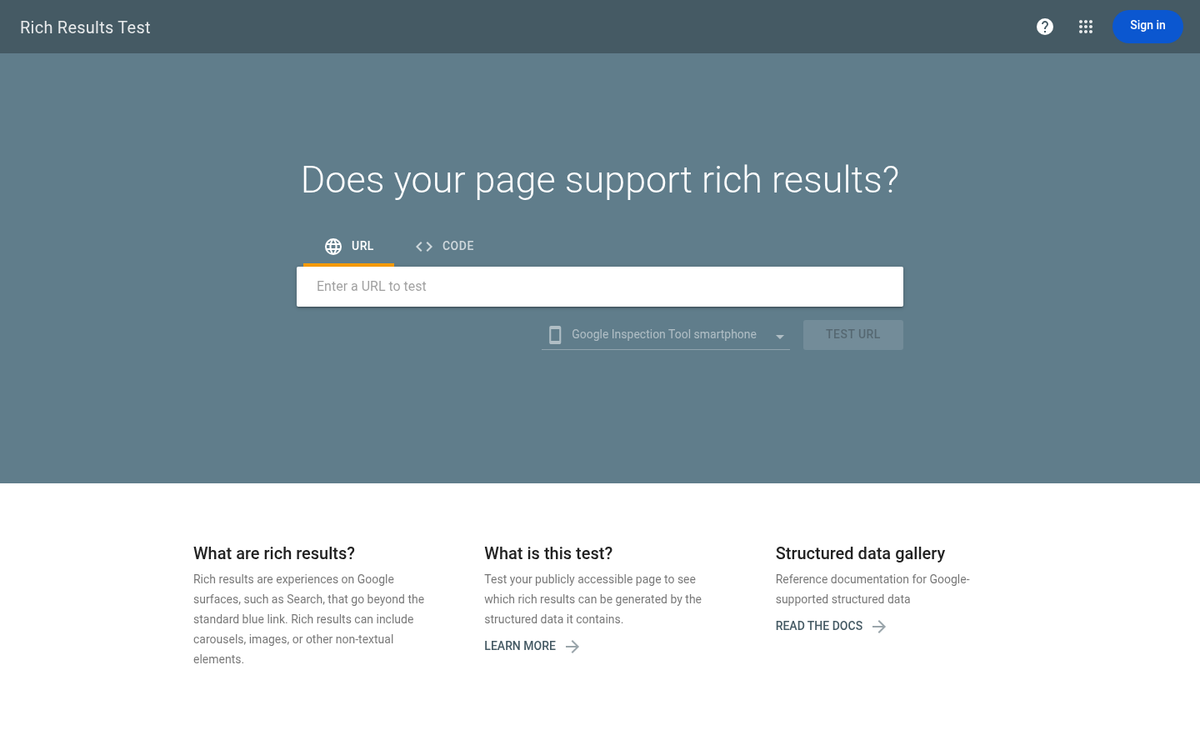
Run each URL through Google's Rich Results Test to confirm your schema is valid and correctly implemented. Flag any pages where schema is missing or throwing errors.
Step 4: Check Which Pages AI Crawlers Are Actually Visiting
This is a helpful step that most audits skip. Microsoft Clarity added AI Bot Activity tracking in January 2026, which lets you see which of your pages AI crawlers are visiting and how frequently. That data tells you where AI engines are paying attention and where they are not. Pages with low or no AI crawler activity despite strong content are worth investigating more.
Step 5: Flag Priority Pages
Mark any page that fails two or more criteria as a priority fix. Pages that already receive AI crawler visits but have weak openers or missing schema are your fastest wins. They are already in the frame - they just need to perform better once they get there. If you're also managing technical issues on your site, it's worth knowing how to diagnose and fix an internal server error so problems don't interfere with crawler access during your audit.
How Often to Run an AEO Audit and How to Prioritize Fixes
For most organizations, a quarterly audit is a good basic pace - it gives you enough time for changes from the last round to start looking better. If you run in a high-competition field like law, healthcare, or finance, monthly audits make more sense because AI tools and search engines pull from fresh, authoritative content and your competitors are likely updating their pages constantly.
Frequency matters more in those industries because the stakes around accuracy are higher. A legal or medical answer that AI surfaces needs to be current, and outdated content in those fields gets replaced fast by newer, more precise pages. Staying on top of that cycle is part of competing in those spaces.
Once you have your audit findings, resist the urge to fix everything at once. Prioritization is what turns a long to-do list into progress.
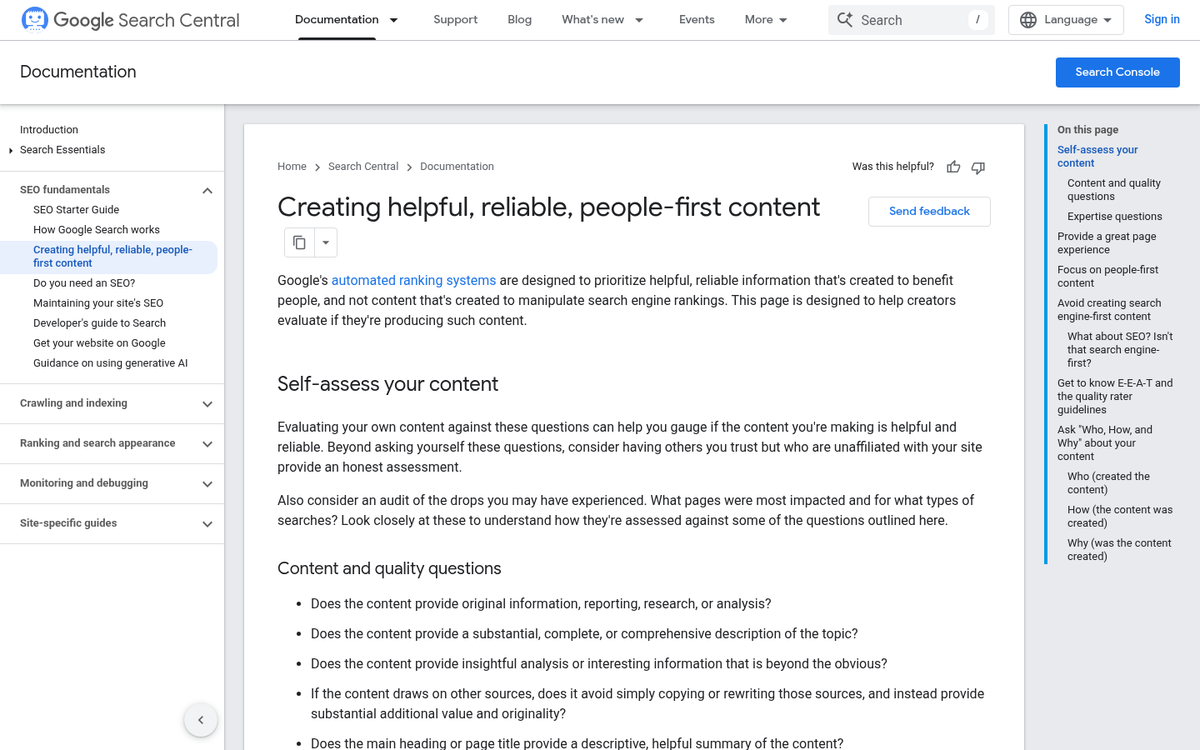
The best way to choose what to fix first is to look at three things together: how much traffic the page could realistically get, how much authority that page already has, and whether the page targets a question-style query. Pages that score well on all three are your best starting point because the work you put in has the highest chance of paying off faster. Tools like Long Tail Pro can help you assess traffic potential and keyword competitiveness when making those calls.
The table below gives you an easy way to remember priority levels.
| Priority Level | Traffic Potential | Existing Page Authority | Question-Style Query |
|---|---|---|---|
| High | High | Strong | Yes |
| Medium | Medium | Moderate | Yes or No |
| Low | Low | Weak | No |
High-priority pages are the ones where small improvements to structure, directness, or answer formatting can move the needle noticeably. A page that already ranks reasonably well and targets a conversational query is much closer to being AI-ready than a page starting from scratch.
Low-priority pages are not necessarily worth ignoring forever. But they should wait until your higher-results work is done. Spread effort too thin across every page at once and nothing gets done well enough to make a difference. If you are looking for broader strategies to grow your reach in the meantime, reviewing ways to make a good living blogging can help you think about where your time is best spent.
Your AEO Audit Is a Snapshot, Not a One-Time Fix
If the process feels big, shrink it down. Pick ten pages that matter most to your business and run them through the framework. Look at being, structure, authority signals, and schema. See what's working and what's leaving opportunity on the table.
The goal was never just to rank - it was always to be trusted. AI engines are raising the bar on what trust looks like, and audits are how you measure if your content clears it. You have more control over that than it might feel like right now.
If you'd like a team to manage the heavy lifting - one that builds AEO and schema optimization into every part of content from the start, with human editorial review layered on top of AI-powered scale - that's what BlogPros does. Our entire process was built to make your brand the answer AI engines reach for, across Google, ChatGPT, Perplexity, Gemini, and beyond. And because we stand behind the work, your first month is free - no contracts, no credit card, no catch. Start your free month with BlogPros today and see what content built for the age of answer engines actually looks like.