WordPress is a great framework for an affiliate site, but you need more than just a basic installation. People will trust a site that looks good, but they won't put as much stock in a site that looks like you hit "new blog" on WordPress.com and left it as it is.
First of all, you need a stand-alone installation of WordPress.org. The hosted solution is fine for basic blogs, but you're severely limited in what you can and can't do with it, including the plugins and themes you can use. A lot of the nice, advanced techniques available for affiliate marketing require being able to customize your site at a root level, which you can't do when someone else is using WordPress multisite to run your site.
I'm not going to go deep into the various affiliate techniques here, at least in part because they've been covered by us before.
- How to Properly Cloak Your Affiliate Links
- 10 Reasons Why You're Not Earning with Affiliate Marketing
- 11 of the Highest Paying Affiliate Programs
I'm just going to focus on WordPress themes for this post. Let's dig in.
Key Takeaways
- WordPress.org self-hosted installation is essential for affiliate sites, as hosted solutions severely limit plugin and theme customization.
- Speed and Core Web Vitals performance now directly impact rankings, making lightweight, block-editor-compatible themes critical for affiliate marketers.
- Genesis Framework, once the gold standard, has largely been overtaken by modern alternatives like Kadence and GeneratePress.
- Niche-specific themes like Couponis for deal sites and Coinflip for crypto affiliates offer credibility advantages over generic blog designs.
- Commercial WordPress themes average around $59; however, support quality, update frequency, and performance matter more than price.
The Landscape in 2026

A lot has changed in the WordPress theme world. The affiliate marketing industry is now valued at over $17 billion annually, and WordPress powers roughly two out of every three websites on the internet. That means competition is fierce, and your theme choice matters more than ever - not just for looks, but for speed, Core Web Vitals performance, and conversion optimization.
The old Genesis Framework, once the gold standard for serious WordPress sites, has largely been overtaken by faster and more flexible modern alternatives. StudioPress was acquired by WP Engine years ago, and while Genesis still technically exists, most of the ecosystem around it has gone quiet. New theme development on that platform has slowed considerably, and many of the child themes we used to recommend are either abandoned or no longer actively supported. For most affiliate marketers starting fresh in 2026, there are better options available.
The current landscape is dominated by lightweight, block-editor-compatible themes that integrate cleanly with page builders like Elementor, Bricks, or the native WordPress block editor (Gutenberg). Speed is everything now - Google's Core Web Vitals are a direct ranking factor, and a bloated theme will hurt you in search before a single visitor even lands on your page.
With that said, let's get into the actual theme recommendations.
The Grand Theme List

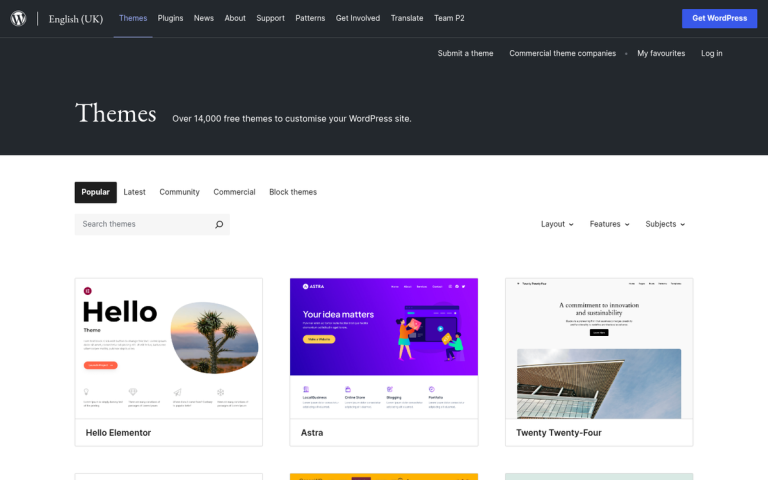
Below, I have listed a range of solid theme options for affiliate sites in 2026. I've linked to each of them so you can check out demos and current pricing yourself, since things change. The short descriptions here won't do them full justice, so take a look and get a feel for whether the style and structure matches what you're trying to build.
Kadence has become one of the most popular free and premium WordPress themes available, and for good reason. Launched in 2020, it already has over 300,000 active installations and a perfect 5-out-of-5-star rating on WordPress.org - which is almost unheard of at that scale.
The free version is genuinely powerful, with a robust header/footer builder, full block editor compatibility, and excellent performance out of the box. The premium version unlocks additional starter templates, custom fonts, advanced color controls, and WooCommerce integration. For affiliate marketers, it works exceptionally well for content-heavy review sites, comparison pages, and authority blogs.
Kadence Pro runs around $79/year for a single site, or you can bundle it with their Kadence Blocks Pro plugin for a more complete package. There's also an agency tier if you're managing multiple sites.
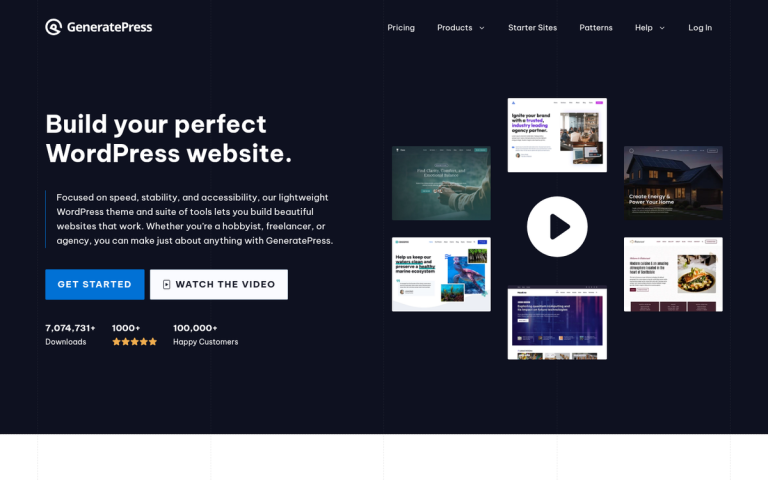
GeneratePress has been a staple of the performance-focused WordPress community for years, and it's earned that reputation. With over 600,000 active installations, it's one of the most widely used themes in the space, particularly among SEO-driven affiliate marketers who prioritize page speed above all else.
The theme generates minimal CSS and JavaScript, meaning your pages load fast without a lot of extra configuration. It integrates cleanly with the block editor and most page builders, and the modular premium add-on lets you turn features on and off so you're only loading what you actually need.
GeneratePress Premium is $59/year for unlimited sites, which is outstanding value given how broadly it can be used. If you're running more than one or two affiliate sites, this is one of the most cost-effective options on the list.
SeedProd started as a coming soon and maintenance mode plugin, but has since evolved into a full theme and landing page builder. It's worth including here because it's particularly strong for affiliates who need to build focused landing pages, lead capture pages, or individual product promotion pages without a full blog infrastructure behind them.
The drag-and-drop builder is genuinely easy to use, and there are dozens of conversion-focused templates included. If your affiliate strategy involves driving paid or social traffic to a single offer or a small group of tightly related offers, SeedProd gives you a clean way to build and test those pages quickly.
Premium plans start at $39.50/year, making it one of the more affordable options on the list for what it offers.
If your affiliate model involves coupon and deal promotion - think cashback sites, discount aggregators, or niche deal blogs - Couponis is purpose-built for that. It's available on ThemeForest for $39 for a single site license, with six months of support included and the option to extend to twelve months for an additional $10.13.
The design is clean and familiar to users of deal sites, which helps with trust and usability out of the gate. It supports front-end deal submission, which opens up the possibility of building a community-driven deals site over time.
Mercury is a well-established review and magazine theme on ThemeForest that's worth a look if you're building a broader authority site with a heavy review component. It includes 37 shortcodes and 26 custom widgets, giving you a lot of flexibility in how you lay out your content and comparison sections.
It works well for niches where you're covering a wide range of products and need your site to feel like an editorial publication rather than a pure affiliate landing page. The depth of customization available without needing to touch code is genuinely impressive for the price point, which sits around the $59 average for commercial WordPress themes.
For affiliates working in the cryptocurrency, fintech, or broader financial services space, Coinflip is a niche-specific theme worth knowing about. It's priced at $75 on ThemeForest for a single site, with six months of support and an option to extend for an additional $23.63.
The design language is modern and trustworthy-feeling - important in a space where users are naturally skeptical - and it comes with layout options suited to comparison tables, exchange reviews, and product breakdowns. If you're running crypto affiliate offers, using a theme purpose-built for that niche gives you a credibility advantage over a generic blog design.
A note on average theme pricing: The average price of commercial WordPress themes currently sits at around $59 per theme, so anything in that ballpark is roughly in line with market rate. Don't let a low price tag be your primary deciding factor - support quality, update frequency, and performance scores matter a lot more in the long run.
Do you have a favorite theme for your affiliate marketing site? Is there one you swear by, or one you'd specifically warn others away from? Feel free to let me know in the comments, and I'll take a look. The best recommendations often come from people who've been in the trenches with these tools, and a good suggestion might well make it into a follow-up post down the line.