There are a few different ways you can make money online. You can sell yourself as a consultant or a freelancer. You can create a product or service, an app or a physical product, and sell it through a website. You can create content and rely on ads and affiliate marketing to make your money.
Or you can do what a small few people do, and sell entire websites.
The idea is simple. Other people don't always want to start from scratch. They want to find and buy a website that already has traction - an existing audience, search rankings, and revenue - rather than investing months into building something from zero. Why do it themselves, they think, when they can buy a site that's already generating income and has an established presence?
You fill that niche by becoming adept at starting websites and pumping them with value. Go from nothing but a concept and a domain name into a thriving, if modest, site in the span of months. Then list the site on a marketplace like Flippa, sell it, and start again.
You might also not be adept at starting sites. You might simply have started one around a passion, only to find the idea wasn't as viable as you had hoped. Maybe your interest waned, maybe your business failed, or maybe you're just getting rid of a blog you can't bring yourself to kill. In all of these cases, you can divest yourself of a web property in the same way: listing it on a marketplace and selling it.
Before you go around listing your site, though, you need to make sure you've laid the groundwork to get the most out of it you possibly can. What should you do before making a listing public?
Key Takeaways
- Only sell when your site is at peak traffic and revenue; avoid listing just to offload a declining or unprofitable property.
- Provide at least six to twelve months of verified analytics upfront; buyers will immediately spot inflated or low-quality traffic claims.
- Promote your auction beyond Flippa using ads, niche forums, and direct messages to qualified buyers who've engaged with similar listings.
- Use auction format over classified listings, starting bids low to build momentum, and set a reserve reflecting your true minimum acceptable price.
- Run the full seven-day auction without accepting early off-market offers; patience typically yields better final prices from serious buyers.
1. Determine if you Really Want to Sell

There are good reasons and bad reasons to want to sell a site. If you're trying to sell just to get rid of it, or if traffic has dropped and you would rather sell than invest in getting it back up to par, you might not be in the best situation. If you've hit a growth wall and don't have the time or energy to overcome it, if you receive an offer and want to see if it can go for more at public auction, or if competition is about to overtake your niche, you might be in a great position to sell.
The key here is to make sure that you're in a position to get as much out of your site as you feel it's worth. Do some research to see what you can expect, pricing-wise, and make sure that number is satisfactory for your needs and goals. If you can't get as much out of it as you'd prefer, you might want to either hold off on selling or put some work into the site to increase its value first.
Sell your site when it is at peak traffic and peak revenue - timing matters more than most sellers realize.
2. Make Sure the Website is Profitable
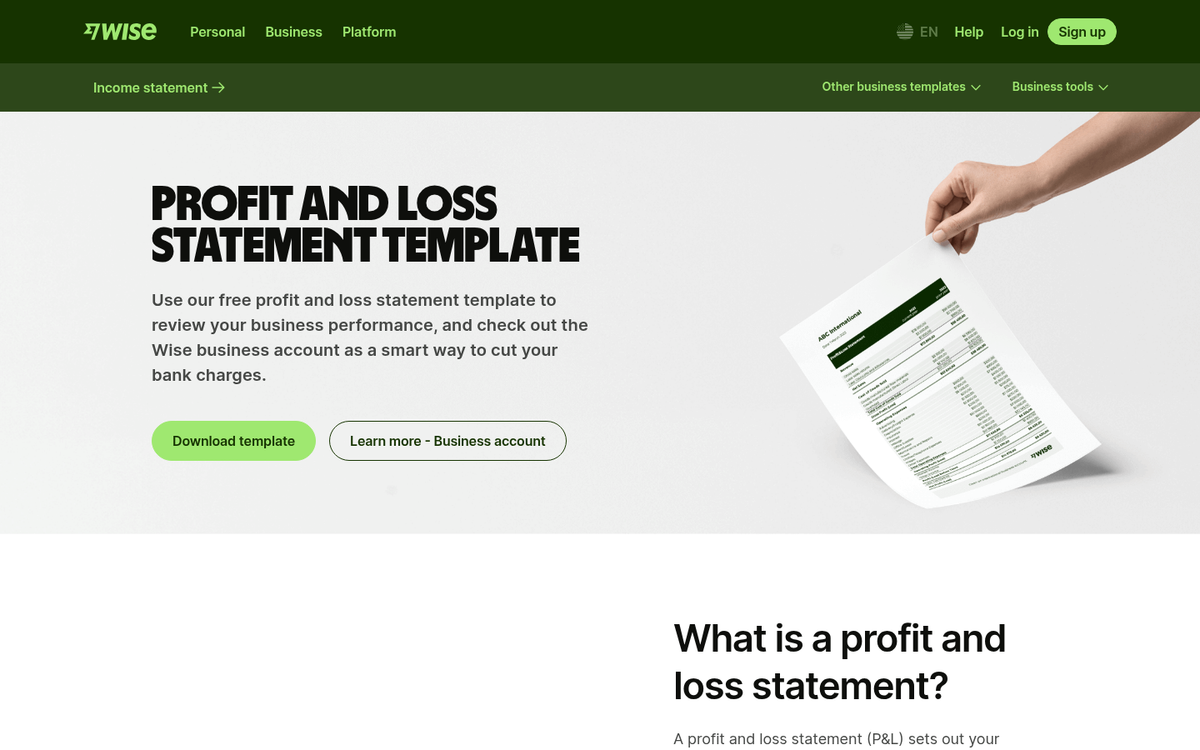
If your site isn't making any money, who is going to want to buy it? Keep in mind that the people who buy websites aren't purchasing them as collector's items or hobby projects. They're buying them either to improve, flip, and profit, or to invest in as long-term business opportunities. They want a strong foundation, and that means consistent, documented revenue.
Before listing, you should prepare a clear profit and loss statement covering the last twelve months. This is now considered a baseline expectation among serious buyers, not an optional extra. A site demonstrating consistent attraction of 10,000 or more monthly organic visitors over a six-month period is also a strong selling point, particularly for content-based sites.
Keep in mind that the amount you can sell your site for depends heavily on the nature of your assets. A site that only exists based on content and makes money through display ads will be valued differently than a site with an accompanying brand, email list, and an e-commerce or dropshipping component. Smaller or simpler sites with clean financials and solid traffic proof can sell in as little as 30 to 45 days when priced correctly.
3. Provide Data Upfront

Anyone seriously looking to buy a website is going to want to see the data. Most site owners use Google Analytics or similar platforms, so that's what you want to have available - accurately recording and reporting data for at least the past six months, ideally twelve. At the very minimum, buyers are going to want to see detailed traffic reports.
Traffic reports are critical because they show where the traffic you're claiming is actually coming from. Buyers can immediately spot if you're claiming 10,000 visitors a week but your analytics only show 800. They can also identify traffic quality issues - if nearly all of your traffic is direct or paid, that's a red flag. No one wants to buy a site only to discover that 95% of its traffic came from paid advertising and that it has no real organic foundation.
While you're at it, make sure you're not trying to boast about the growth potential of the site. If your site is making $400 per month and you write "with a few weeks of work, you can easily have it making $800 monthly!" it raises an obvious question: why haven't you done it yourself? It's only a few weeks and it would double your income. Buyers will notice this and it will erode their confidence in your listing.
4. Consider a Due Diligence Report
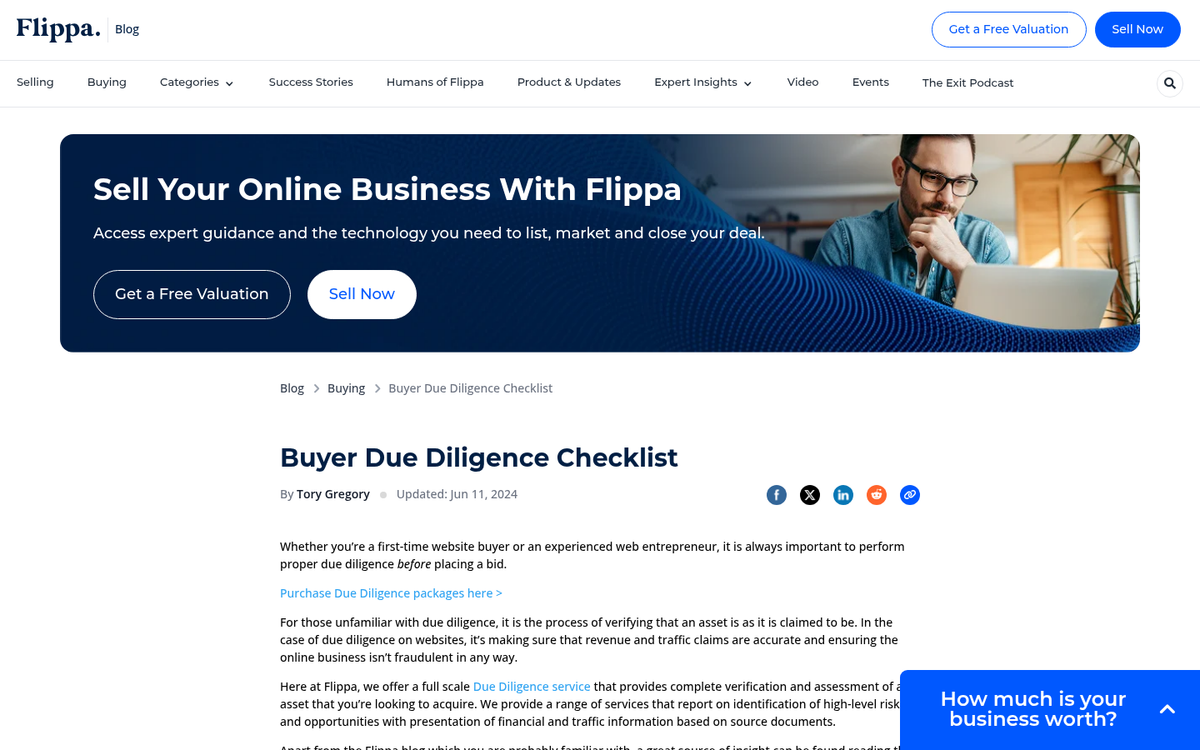
A Due Diligence Report is a service offered by Flippa auditors for approximately $200. It's a third-party audit of the site you have for sale, detailing traffic stats, monetization, and a range of other factors - including any potential problems or misrepresentations made in your listing.
This service is designed specifically to assure potential buyers that you're being completely transparent. It will catch misrepresentations and flag data inconsistencies, so it should only be pursued if you have nothing to hide.
Honestly, most of the time you won't need one of these reports for a lower-value listing. If your site is expected to sell above $20,000, that's when a Due Diligence Report starts to make real sense and can actively help close the deal by building buyer confidence. If you're unsure how to navigate the process, it may be worth learning how to hire a website broker to sell your site.
5. Verify Your Identity
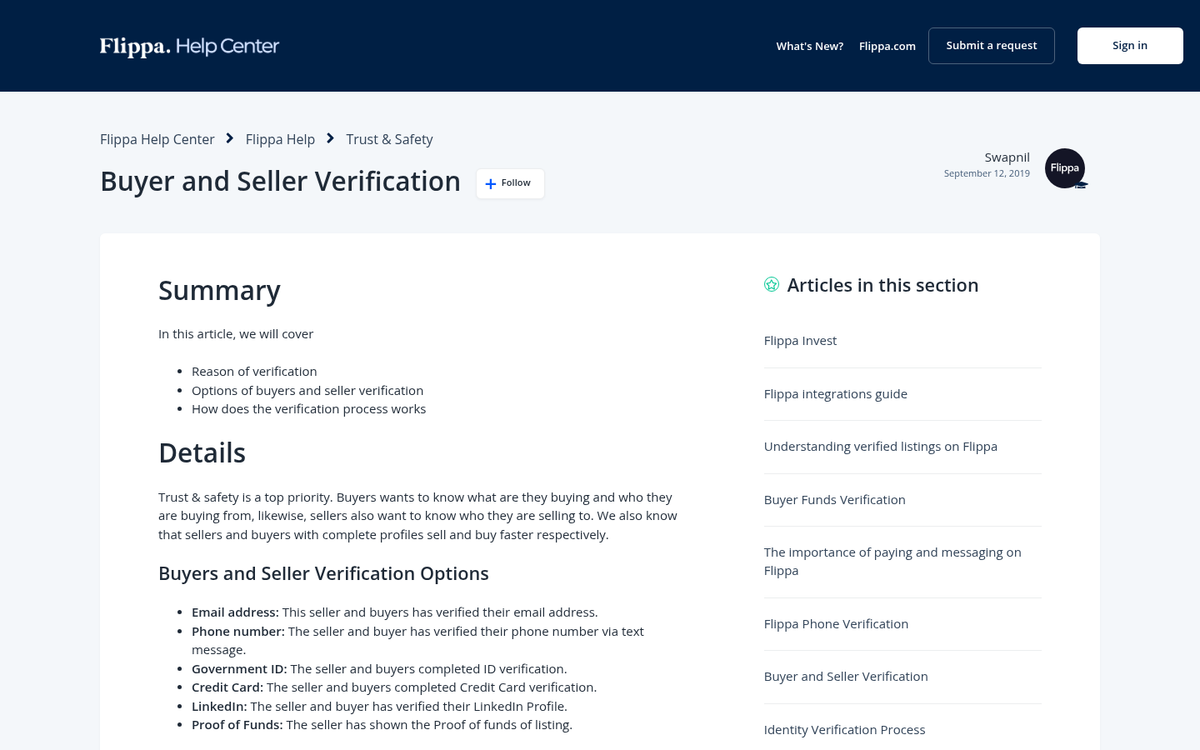
One additional measure of trust you can establish regardless of your site's value is account verification. You can link your Flippa account to other accounts, such as LinkedIn, and verify via phone number. With over 1.5 million users on Flippa ready to buy, standing out as a credible, verified seller matters more than ever.
Verification signals to buyers that you're confident in your reputation and that you're not going to put yourself in a position where a scam could damage you. It's a small step that adds a meaningful layer of credibility to your listing.
6. Promote Your Auction Outside of Flippa
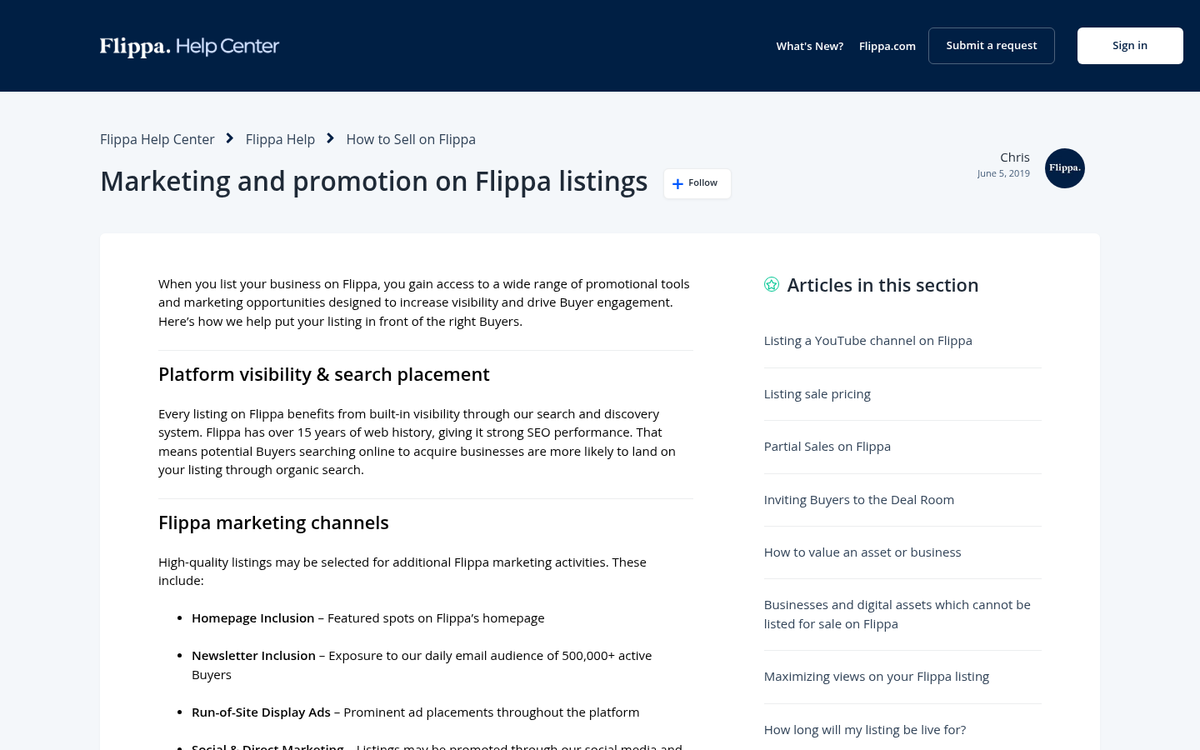
Nothing in Flippa's rules prohibits promoting your auction outside of their platform. They aren't a private auction house. In fact, outside promotion benefits everyone - more interest drives higher sale prices, and Flippa takes a cut of a higher sale. It's all around a good thing.
Where can you promote? All over the place. Add a banner to your site indicating it's for sale. Run targeted ads on platforms like Facebook, LinkedIn, or Reddit toward people interested in buying online businesses. Promote it in niche communities, forums, and industry-specific Facebook or Discord groups. You have more options than ever in 2026, so make use of them.
7. Directly Invite Buyers
Flippa has an internal messaging system, and you can use this to your advantage. After your site has been listed for a day or two, search for other sites in your niche that have recently ended their auctions. Browse through those listings and look at the comments sections. You'll find users who asked detailed questions and showed genuine interest - your goal is to identify buyers with strong trust ratings and a history of completed purchases. They're clearly interested in sites like yours, which makes them qualified leads.
Send these people a concise, personalized message pitching your listing. Lead with who you are, what the site is about, its key metrics, and a link to the full auction for more detail. A few targeted messages to the right buyers can generate meaningful early momentum.
8. Answer Comments on Your Listing
When you post a listing on Flippa, people can leave comments in addition to placing bids. These will often be questions asking you to clarify your business model, traffic sources, revenue breakdown, or other verification points.
Take the time to monitor these questions and answer them promptly and thoroughly. Avoid deleting comments - this is a major red flag that damages your trust rank as a seller. It's a tactic associated with fraudulent listings, and Flippa penalizes it. Transparency in your comment section builds confidence and often directly influences whether a hesitant buyer decides to bid.
9. Set Reasonable Prices
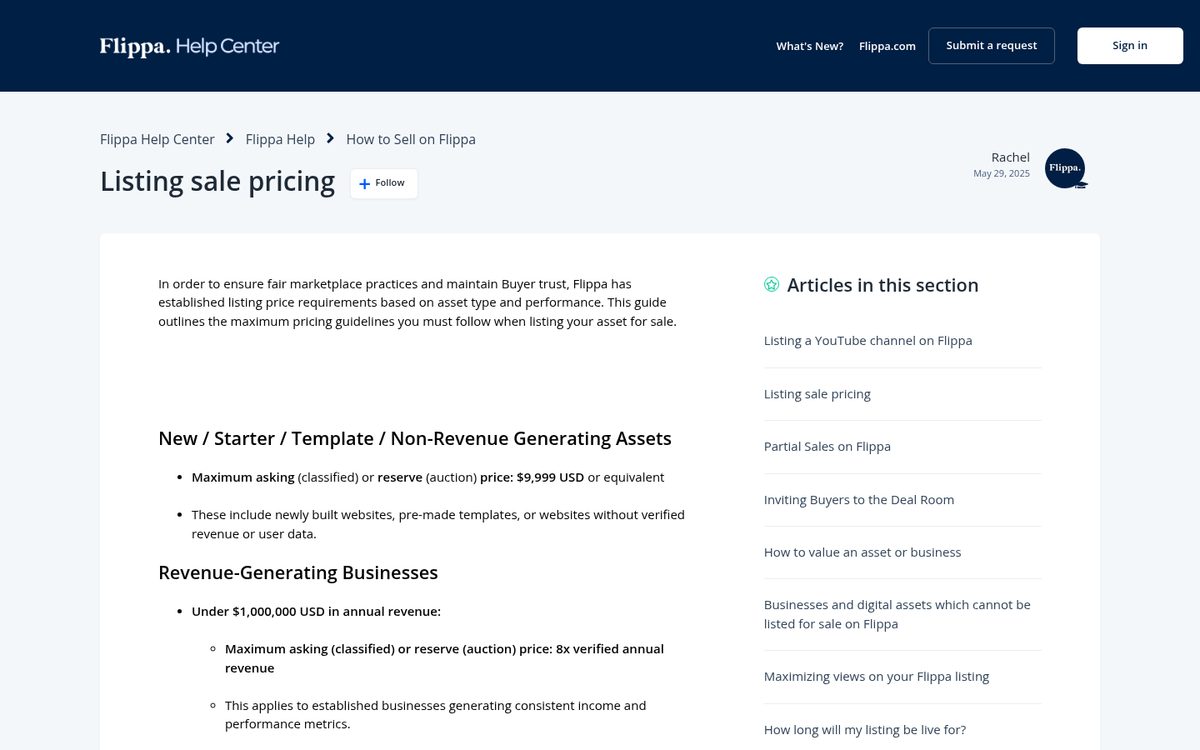
There are three prices you can set when configuring an auction on Flippa. You should generally be using an auction format rather than a classified listing - many buyers gauge interest by the number of bids an auction has already received, and classified listings often get less visibility.
The first number to set is your starting bid. Many sellers recommend starting at $1, which encourages early bidding activity and gets your listing ranked higher on activity-based filters. This creates momentum that often attracts more serious buyers as the auction progresses.
The second number is your reserve. This is the minimum price you're willing to accept. Set it at the lowest amount you'd genuinely be satisfied with - ideally, you'll sell for more, but the reserve ensures you don't walk away with less than your floor. If you want to guarantee your site sells, be careful not to set the reserve too high relative to market expectations.
The third number is the buy it now price, which lets an impatient or highly motivated buyer acquire the site immediately at a premium. Think of this as your "grand slam" number - you don't necessarily expect someone to hit it, but if they do, you'll be more than happy with the outcome.
10. Be Patient

At least, be as patient as you can afford to be. If you're running an auction, seven days is widely considered the optimal length. Any longer and the listing grows stale - new bids slow to a trickle and some early bidders may even withdraw. Any shorter and you don't give enough time for the bid to reach its natural ceiling.
If you have a seven-day auction running, don't jump the gun and accept a decent offer on day four. Better offers may come in as urgency builds near the deadline, and it's unlikely you'll lose a serious buyer in those final days. If someone approaches you privately and offers to take the listing off-market, be skeptical - these situations are often attempts to get you to remove your listing and then back out, leaving you with nothing and a damaged seller reputation.
If your auction ends without meeting your reserve, or a classified listing generates no real interest, don't cave and accept a lowball offer just to close the deal. You're almost always better off waiting a few weeks and relisting. Sometimes the timing is simply off, but patience tends to reward sellers who put in the work to build something genuinely valuable.