




For website owners, understanding search intent has always mattered for SEO. But in the era of Answer Engine Optimization, it matters even more. AI-powered tools like ChatGPT, Google's AI Overviews, and Perplexity don't match keywords - they interpret meaning. When your content is built around the right intent, these systems are far more likely to pull from it, surface it, and present it as a trusted answer.
In this glossary entry, I'll talk about how search intent is categorized, why it's a foundational concept in AEO, and how to use it practically to make your content more likely to be chosen by AI systems when they're picking what to serve your audience.
Quick Answer
Search intent (also called user intent) is the primary goal or purpose behind a search query. It represents what a user actually wants to find when they type a search term into a search engine. There are four main types: informational (seeking knowledge), navigational (finding a specific site), commercial (researching before buying), and transactional (ready to purchase). Understanding search intent is crucial for SEO, as search engines prioritize content that best matches what users are genuinely looking for.
How Search Intent Is Classified (And Why AI Reads It Differently)
Search intent falls into four categories that most SEOs know well. Informational intent is when someone wants to learn something. Navigational is when they want to get somewhere. Commercial is when they're comparing options before a buy. Transactional is when they're ready to act.
These four categories have been the foundation of keyword strategy for years, and Google's traffic has reflected a pretty steady split across them. But data from Profound, which analyzed over 50 million ChatGPT prompts, tells a very different story about how people use AI tools to search.
| Intent Type | Google Share | ChatGPT Share |
|---|---|---|
| Informational | 52.7% | High |
| Navigational | 32.2% | ~2% |
| Commercial | 14.5% | Rising |
| Transactional | 0.6% | 6.1% |
The navigational drop is the number that warrants attention. On Google, nearly a third of all searches are navigational - typing in a brand name or a website to get there. In ChatGPT, that same intent type accounts for roughly 2%. That gap represents a near-total collapse of a whole category.
This aligns well with how people actually use AI tools. You don't ask ChatGPT to take you to a website. You ask it to explain something, compare products, or talk through a choice.

Transactional intent went the other direction entirely. People are using AI to make purchasing decisions in a conversational way that looks nothing like typing a product name into a search bar.
This matters because AI engines don't match intent the same way Google does. Google reads keywords and ranks pages based on tells like links and relevance. An AI engine interprets the meaning behind a prompt and constructs a helpful answer, reading intent at a deeper level. Your content has to work harder to communicate its job.
A page stuffed with transactional keywords might rank on Google for a buying query. But for an AI to pull it into an answer about a buying choice, the content itself needs to help with that choice - the comparison, the use case, the reason to choose one thing over another.
If your content strategy has been built primarily around Google's intent distribution, the data above shows where the gaps are. The audience AI tools attract is skewed toward learning and deciding, and the volume of transactional prompts is growing fast.
Matching Your Content to What AI Answer Engines Actually Reward
AI answer engines don't scan for keywords. They pull from content that directly addresses the question being asked, which means your page structure matters just as much as what you're writing about.
Informational intent is still the most common type of search, and it's where AI engines do the most work. To get featured in an AI-generated answer, your content needs to lead with the answer instead of build toward it. Put the direct response in the first sentence or two, then use the rest of the section to add context and detail.
Writing for Informational Intent
Think about how someone would ask a question out loud and write the answer the same way. Short, confident sentences tend to be more helpful here than long explanations. AI engines favor content that gives a clean answer first and supports it second, so front-load your paragraphs with substance.
Subheadings formatted as questions also help quite a bit. A heading like "What does X mean?" signals intent alignment directly to the engine pulling content for that query.
Writing for Transactional Intent
Transactional intent is growing fast in AI search, and product or service pages need to keep up with that. Vague or passive language like "we aim to help" doesn't perform well here. AI engines reward pages that state what you do, who it's for, and what the next step is - all in plain language.
Be direct and confident on these pages. Swap out soft phrasing for declarations, and make sure the page answers the user's underlying question instead of just describing your product. If you sell through your blog, it's worth reviewing shopping cart plugins that help add products in a way that keeps pages clear and conversion-focused.
Writing for Navigational and Commercial Intent
Navigational content should confirm identity fast - name, location, what you do, and any credentials worth mentioning. For commercial intent, users are comparing options before they choose, so your content needs to help with the comparison. Lay out what sets your product or service apart in factual terms instead of just listing features. A resource like a cost and effectiveness comparison between popular tools is a good example of the kind of content that performs well for this intent type.
| Intent Type | What AI Engines Look For | Content Tip |
|---|---|---|
| Informational | A direct answer early in the content | Lead with the answer, then add supporting detail |
| Transactional | Confident, action-oriented language | State what you do and what happens next |
| Navigational | Clear entity signals - name, location, purpose | Confirm who you are within the first paragraph |
| Commercial | Factual comparisons and specific differentiators | Address the "why choose this" question directly |
One thing worth keeping in mind: a single page can serve more than one intent type. A product page might also need to answer an informational question to earn its place in an AI result. Content written with that overlap in mind has more range across different query types.
Where Local and Behavioral Intent Signals Change the Game
Nearly half of all Google searches carry local intent, and the majority of smartphone users who walk into a store searched for something on their phone first. That connection between a search and a physical action is what AI answer engines are better at reading.
These users are ready to move. AI tools find these signals and prioritize replies that feel immediately helpful for that location. That second. A general page about your services will not cut it here.
What Behavioral Signals Actually Mean
Behavioral intent is about what is likely next based on how they phrased a query. A search for "how to fix a leaking pipe" seems like the person wants a tutorial. A search for "emergency plumber tonight" tells you they want to call right away. AI engines read these signals and serve different types of content accordingly.
This matters because the format and specificity of your content either match that expected next action or they don't. If someone is about to make a phone call and your page buries your number three scrolls down, you are already losing.
The Local Markup Problem Most Sites Have
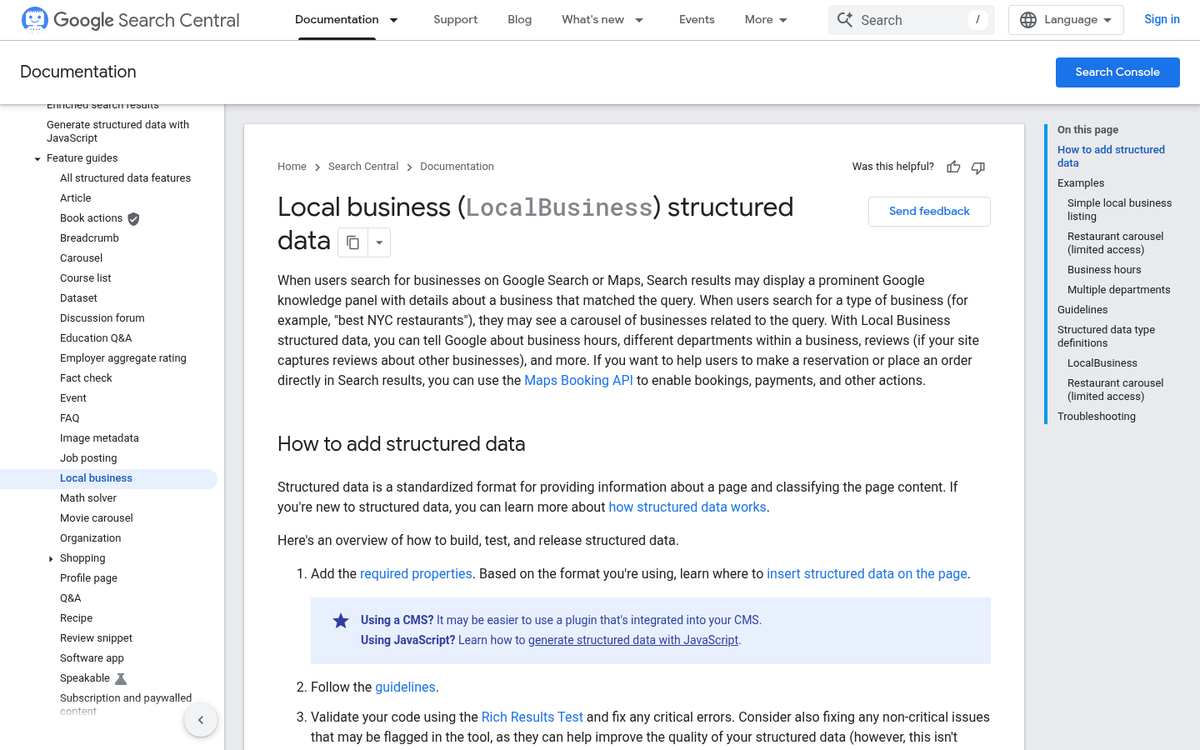
A lot of website owners write location-focused content but skip the technical side entirely. Schema markup tells AI engines where your business operates, what hours you keep, and what services you cover in a given area. If you don't have it, even well-written local content can stay invisible to the systems that generate location-based answers.
It is worth being direct about this: local schema is not optional anymore. AI-generated answers for location queries pull from structured data first because it's easier to read and verify. If your site does not speak that language, another site will get the answer placement instead.

The same thing goes with content. A single "About Us" page that mentions your city once is not the same as a dedicated page that addresses what you do in that area, who you serve there, and what people in that location need to know. AI engines treat these two things very differently. If you are unsure whether to install your blog on a separate domain for location-specific content, that decision can also affect how well structured data signals carry through.
Putting It Together
Local and behavioral intent work together. One tells AI tools where the person is and what action they are building toward. The other tells those tools if your content is the right match for that action in that place.
Businesses that address both tend to show up in AI-generated answers more. Those that focus only on broad keyword content, without location pages or structured data, are handing that ground to competitors who did the work. Tools like plugins that auto-share new blog posts can help surface location content more quickly once it is properly built out.
The difference between those two groups is growing as AI tools get better at reading context and intent together instead of treating them as separate things.
Stop Guessing What Your Audience Wants - Let Intent Tell You
Aligning your content to search intent is no longer a refinement you get to eventually - it's the baseline. When your content legitimately matches what someone is searching for - learn, compare, or buy - it performs better across traditional search and AI-generated answers alike. The fit between intent and content is what earns placement, trust, and clicks.
The most grounding next step is an easy one: audit your existing content through an intent lens. Look at your top pages and ask - does this match what someone searching that query actually wants? Are you answering an informational question with a sales page? Targeting a transactional keyword with a blog post that never converts? Small realignments here can have results without starting from scratch. You already have content - now make sure it's working as hard as it can for the right audience, at the right moment.
FAQs
What is search intent and why does it matter for AEO?
Search intent refers to the underlying goal behind a search query. In the era of AI-powered answer engines, it matters more than ever because AI tools like ChatGPT interpret meaning rather than match keywords, making intent-aligned content far more likely to be surfaced as a trusted answer.
How does search intent differ between Google and ChatGPT?
Navigational searches make up 32% of Google traffic but only about 2% on ChatGPT, while transactional intent is growing rapidly in AI search. AI users predominantly seek to learn or make decisions, not navigate to websites.
How should I write content for informational search intent?
Lead with a direct answer in your first sentence or two, then support it with context. Use question-based subheadings and short, confident sentences. AI engines favor content that delivers the answer first rather than building toward it gradually.
Why is local schema markup important for AI search?
AI engines prioritize structured data when generating location-based answers because it's easier to read and verify. Without schema markup, even well-written local content may remain invisible to AI answer engines, giving competitors the advantage.
Can one page target multiple search intent types?
Yes. A product page, for example, might also need to answer informational questions to appear in AI-generated results. Content written with overlapping intent in mind performs better across a wider range of query types.