





Key Takeaways
- Yoast SEO remains the top beginner-friendly SEO plugin, handling meta tags, schema markup, sitemaps, and content readability analysis.
- Google Site Kit officially connects WordPress to GA4, Search Console, and PageSpeed Insights, revealing traffic patterns and optimization opportunities.
- AddThis was shut down in 2023; Social Snap is a recommended replacement for frictionless social sharing across modern networks.
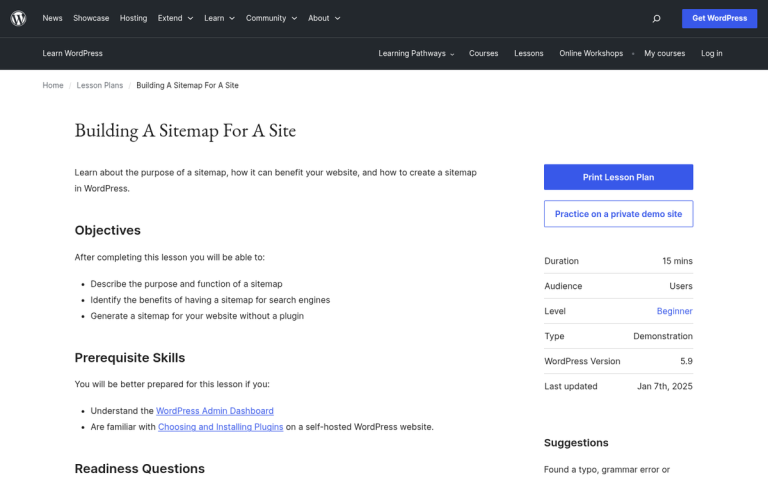
- Yoast and Rank Math now generate XML sitemaps automatically, making standalone sitemap plugins largely redundant in 2026.
- OptinMonster's exit-intent popups convert one-time visitors into email subscribers, building sustainable traffic less vulnerable to algorithm changes.
5 WordPress Plugins to Help Increase Your Traffic (2026 Edition)
WordPress is a highly robust platform for one reason above all others: the sheer range of plugins available to expand functionality. If there's a feature you want on your WordPress blog, chances are there's a plugin available to give it to you. Some of these plugins are nearly essential - security plugins, spam prevention, caching tools - while others are more cosmetic. Some, like the ones listed below, are incredible tools to help you grow your traffic.
1. Yoast SEO
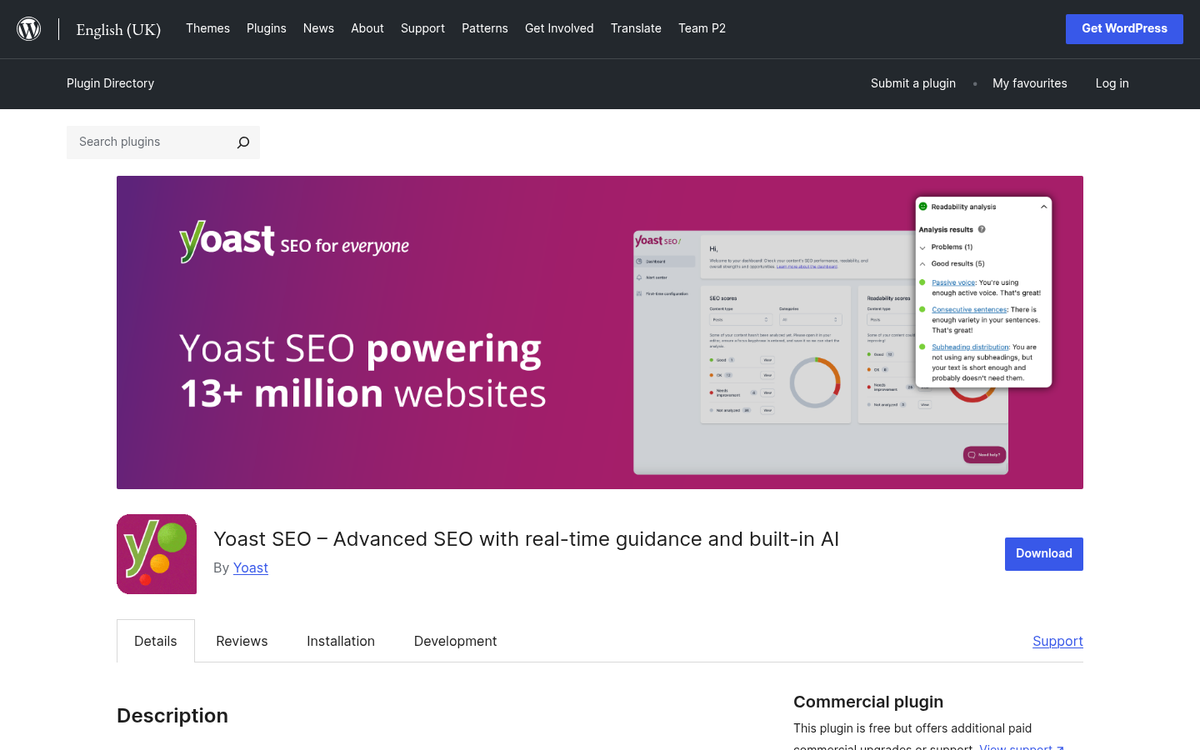
What it is: Yoast SEO has been the gold standard WordPress SEO plugin for well over a decade, and in 2026 it's still one of the most widely installed plugins in the entire WordPress ecosystem. While competitors like Rank Math have grown significantly and given Yoast a real run for its money, Yoast remains a powerhouse with a massive development team behind it. The plugin handles everything from automated title tag and meta description generation to content readability analysis, schema markup, and XML sitemaps baked right in.
How it helps you grow traffic: Yoast's SEO plugin remains second to none when it comes to accessible, beginner-friendly search optimization. Showing up in Google results is still the single most important driver of organic traffic for most blogs, and every optimization helps. Yoast's traffic light system makes it easy to identify what needs fixing on any given post before you hit publish. A good companion to this is following a solid checklist for creating SEO friendly blog posts.
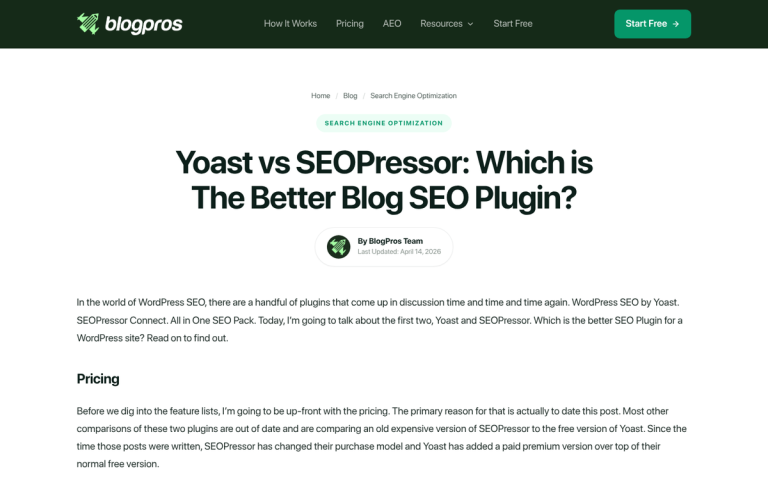
Yoast SEO also has the added benefit of high-quality ongoing support and documentation. Their blog and help center are consistently updated as Google's algorithm evolves, and the premium version layers in features like internal linking suggestions and redirect management that are genuinely useful as your site grows. If you're comparing your options, it's worth reading up on how Yoast stacks up against SEOPressor.
2. Google Site Kit
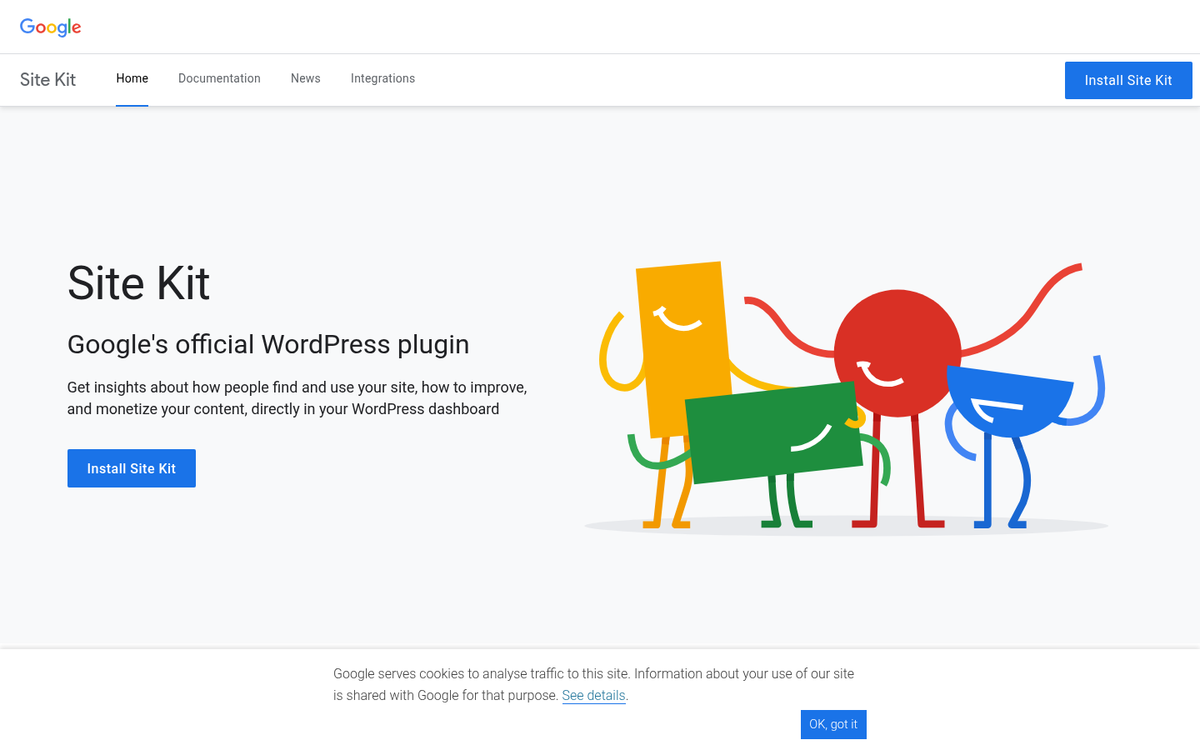
What it is: Gone are the days of manually pasting tracking snippets into your theme files or relying on third-party plugins like Google Analyticator, which has largely fallen out of active development. Google Site Kit is now Google's own official WordPress plugin, and it's the cleanest way to connect your WordPress site to Google Analytics 4, Google Search Console, PageSpeed Insights, and AdSense - all from a single plugin.
Setup is straightforward, and once connected, Site Kit pulls your analytics data directly into your WordPress dashboard. Its GA4 module lets you view traffic data for the last 90 days, covering page views, user sessions, engagement rates, session durations, traffic channels, devices, and location - all without leaving your admin panel.
How it helps you grow traffic: Google Analytics 4 helps you optimize your site for real human behavior, not just search engines. You'll see which content drives engagement, where users drop off, what devices they're on, and what they searched for when they found you. If a significant slice of your traffic arrives on mobile but bounces at a much higher rate, that's a clear signal your mobile experience needs attention.
Pairing GA4 audience data with Google Ads targeting lets you build highly relevant campaigns to bring new users in - and with Search Console integrated through the same plugin, you can spot keyword opportunities without juggling multiple tabs.
3. Social Snap (or Alternatives)

What it is: AddThis, which was long a staple recommendation for social sharing on WordPress, was officially shut down on May 31, 2023. If you're still running it on your site, it's dead weight and you should replace it immediately. The good news is that the social sharing plugin space has matured significantly. Social Snap is one of the best current options, alongside Shared Counts and Monarch depending on your budget and setup. If you want to compare your options, check out this breakdown of AddToAny, AddThis, and ShareThis to see how the major plugins stack up.
How it helps you grow traffic: Social sharing is still essential for growing traffic in 2026, even as the social landscape has shifted. Pinterest, Reddit, LinkedIn, Threads, Bluesky, and YouTube all drive meaningful referral traffic depending on your niche - and your readers aren't going to manually copy and paste URLs. You need frictionless sharing built into your content.
Social Snap covers all the major networks, offers floating sidebars, inline buttons, and click-to-tweet style highlights, and gives you real social share count data. It's actively maintained, which is exactly what you need from a plugin in this category - the social network landscape changes fast, and abandoned plugins stop working as APIs evolve.
4. Yoast SEO XML Sitemaps (Built-In) or Rank Math
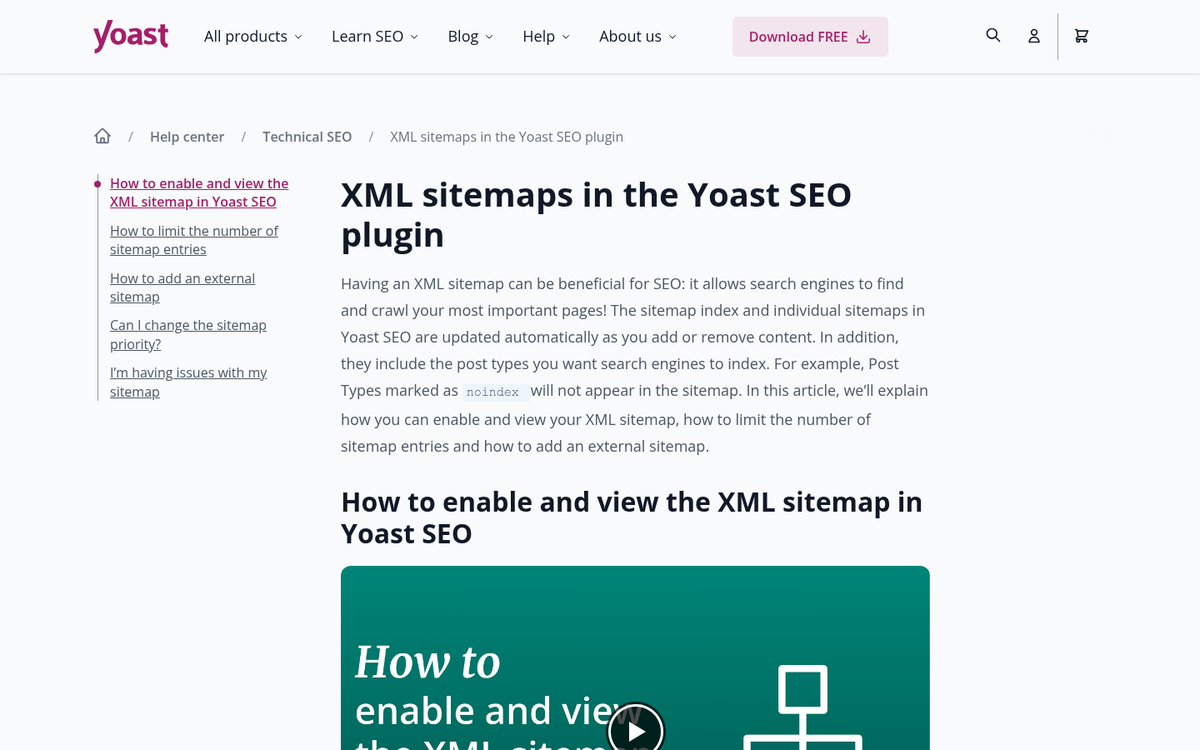
What it is: The old Google XML Sitemaps plugin by Arne Brachhold was a staple recommendation for years. It still works, but it's largely been made redundant. The power of a sitemap still comes in discovery - Google can't index a page it can't find - but in 2026, both Yoast SEO and Rank Math generate fully optimized XML sitemaps automatically as part of their core feature set. There's no longer a compelling reason to run a separate plugin for this if you're already using either of those.
How it helps you grow traffic: Whether you're using Yoast or Rank Math, your sitemap is automatically updated every time you publish new content. Both plugins also handle pinging search engines to signal fresh content. If you're running a large site with complex taxonomy structures or news content, Rank Math's sitemap module gives you granular control over exactly what gets included and how it's structured - which can have a real impact on crawl efficiency and indexation speed.
5. OptinMonster or a Modern Popup Tool
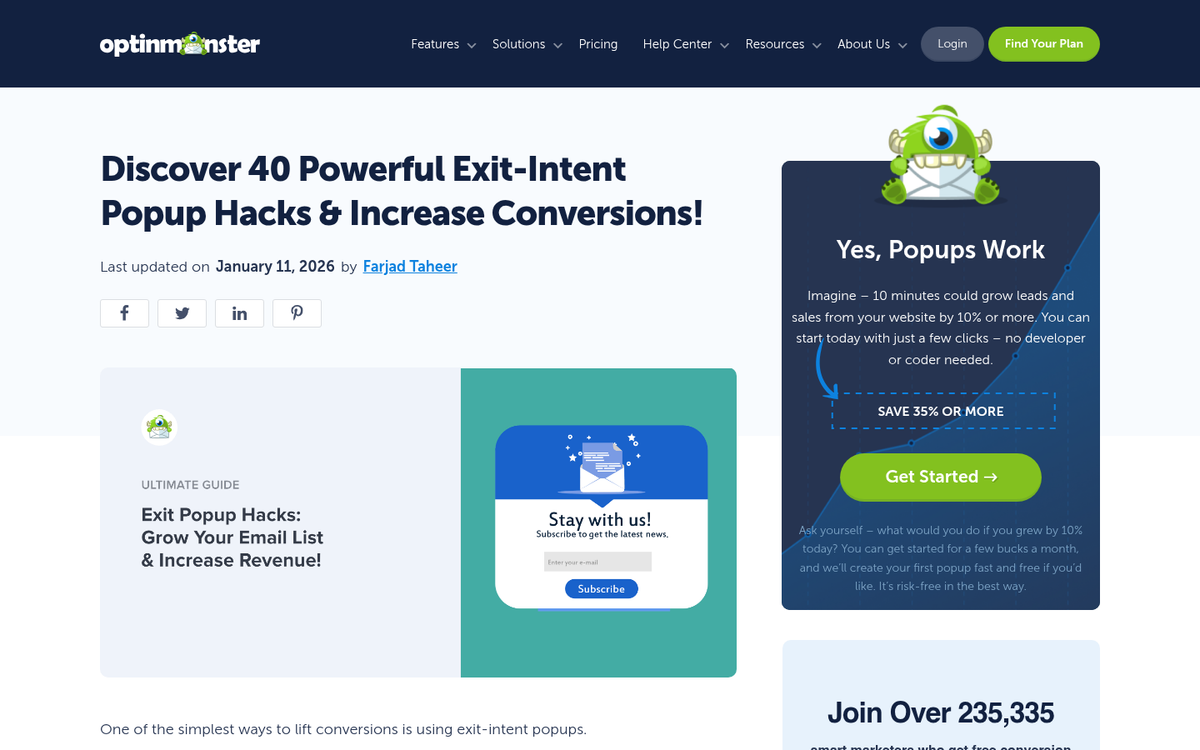
What it is: PopUp Domination, the plugin recommended in the original version of this post, has largely faded from relevance. The modern leader in this space is OptinMonster, which has evolved far beyond a simple popup tool into a full conversion optimization platform. It integrates directly with WordPress via its own plugin and gives you access to lightbox popups, floating bars, slide-ins, gamified spin wheels, and more.
How it helps you grow traffic: The best way to use a modern popup is still to trigger it on exit intent - detecting when a user's cursor moves toward closing the tab and presenting a targeted offer at that moment. This keeps it out of the way during reading while catching users who are about to leave without converting. OptinMonster's behavioral targeting goes further, letting you show different messages to first-time visitors versus returning readers, or to users arriving from specific traffic sources.
Used well, these tools turn one-time visitors into email subscribers, and email subscribers into loyal returning readers - which is still one of the most reliable ways to build sustainable traffic that doesn't evaporate every time Google updates its algorithm.
3 responses
Thoughtful replies only - we moderate for spam, AI slop, and off-topic rants.
It should be pointed out that Yoast's WordPress SEO plugin has a fantastic XML sitemap built in making the Google XLM sitemap plugin redundant.
I've been using quite a few of these plugins for some time and they all seem to be much for muchness with regards to functionality.
SEO by Yoast seems to be the one that's stuck though
Cheers for the list!
Useful list of WP plugins! My personal favorites : SEOYoast & AddThis