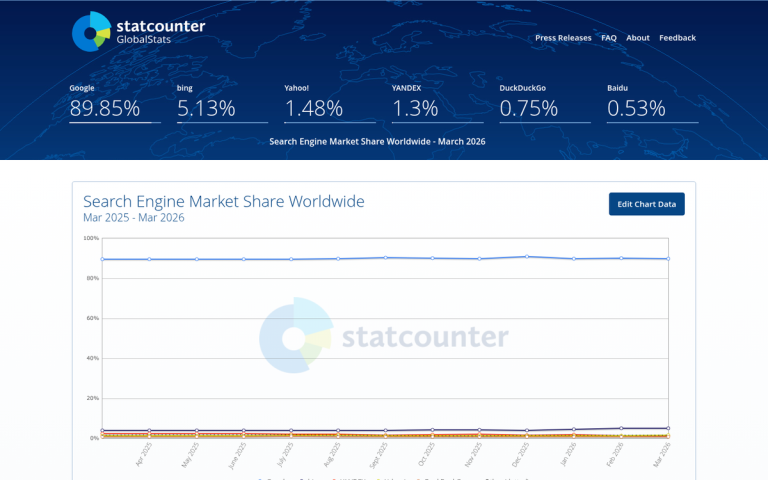
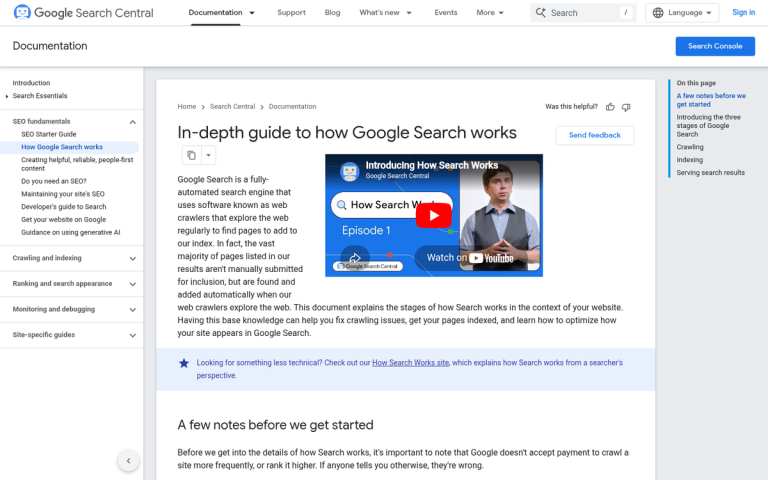
In the dark days of history long ago, search engines were not the omnipresent deities they are today. They had flaws like mortal men, and they did not see all that goes on in their domain. To make yourself known to the search engines was to gain power, a following, a resonance throughout the Internet. It was a process, an ordeal, to submit your site to the search engines. People paid good money to have others more knowledgeable than they do it for them.
Today, the search engines have ascended. Google alone maintains a web index of approximately 400 billion documents, and they grow their near-omnipotence with each passing year. You no longer need to submit your site to their systems; chances are they already know. Even so, you can go through the motions, like praying to a god above. Perhaps they will take notice sooner, and set you on your path.
Key Takeaways
- Modern search engines like Google index sites automatically; paid submission services are unnecessary and potentially wasteful.
- Check your indexing status free by searching "site:yourURL.com" on Google or Bing directly.
- Using Google Search Console's URL Inspection Tool to manually submit pages gets them indexed 4x faster.
- Google uses mobile-first indexing for 100% of new websites, so mobile optimization is essential before seeking indexing.
- Submitting an XML sitemap via Google Search Console and Bing Webmaster Tools is the most effective indexing method.
Avoid Submission Services

Beware! The men of the past who sold their services to those who wished to attain higher power still remain, their profession base and corrupted. They know as well as I that the search engines will find you on their own, given time. There is no need for you to pay a tithe to gain their notice.
Worse, beware those who would proclaim to put you before the attention of hundreds of search engines. Those claims are, perhaps, true, but those other search engines are but motes compared to the might of Google and Bing. Those lesser engines fade at the merest glimpse of what you draw from the high pair.
Check if You're Already Indexed

You are new to this world, and so I give you advice you may not otherwise know. You may already be within the gaze of the engines. Until you have cleansed yourself and dedicated your site to the tenets set forth by Google, you may not even see the effects of their notice. You may, however, freely ask of the engines about your status.
All you need to do to check upon your status is approach them in their homes, www.google.com and www.bing.com. Once there, simply state your name in the ritual form: site:www.yourURL.com. The engines will relay to you the presence of your site, should they know of you. If the response you receive is one of ignorance, of blank emptiness, then you are not yet within their notice, and submission may be in order.
Be patient, however. According to Google Search Central, crawling can take anywhere from a few days to a few weeks. For larger sites, the wait grows longer still - small sites under 100 pages may take 4 days to 6 weeks, medium sites up to 1,000 pages may take 14 days to 12 weeks, and large sites of 1,000 pages or more may take anywhere from 1 to 6 months. If you're wondering why your new website isn't getting any traffic yet, the answer often lies in this indexing timeline.
Manual Submission

The most basic form of ritual to submit yourself to the notice of the engines is a direct petition. The preferred path for both Google and Bing now runs through their respective Webmaster Tools, where you can request indexing directly:
Google Search Console: https://search.google.com/search-console
Bing Webmaster Tools: https://www.bing.com/webmasters
Within Google Search Console, you can use the URL Inspection Tool to request indexing for individual pages. Simply paste your URL into the tool, and if the page is not yet indexed, you will be offered the option to request indexing directly. Pages submitted this way are indexed 4x faster on average than those left to be discovered on their own - a considerable advantage for those who wish to hasten their ascension.
There is no instant confirmation for these petitions. You will need to return to the site:URL ritual in the days that follow to check whether your petition was accepted. If you want your new backlinks indexed as fast as possible, the same principles apply - proactive submission will always outpace passive discovery.
Mobile-First Indexing

A word of warning that did not exist in the old texts: Google now practices mobile-first indexing for 100% of new websites, as confirmed in their 2024 indexing guidelines. This means the engines judge your site as it appears to those who approach on small, handheld devices - not the grand desktop screens of old. If your site is not properly prepared for mobile visitors, you may find yourself seen but not favored. Ensure your site is responsive and swift on mobile before you seek the engines' attention.
Build Links from Indexed Sites
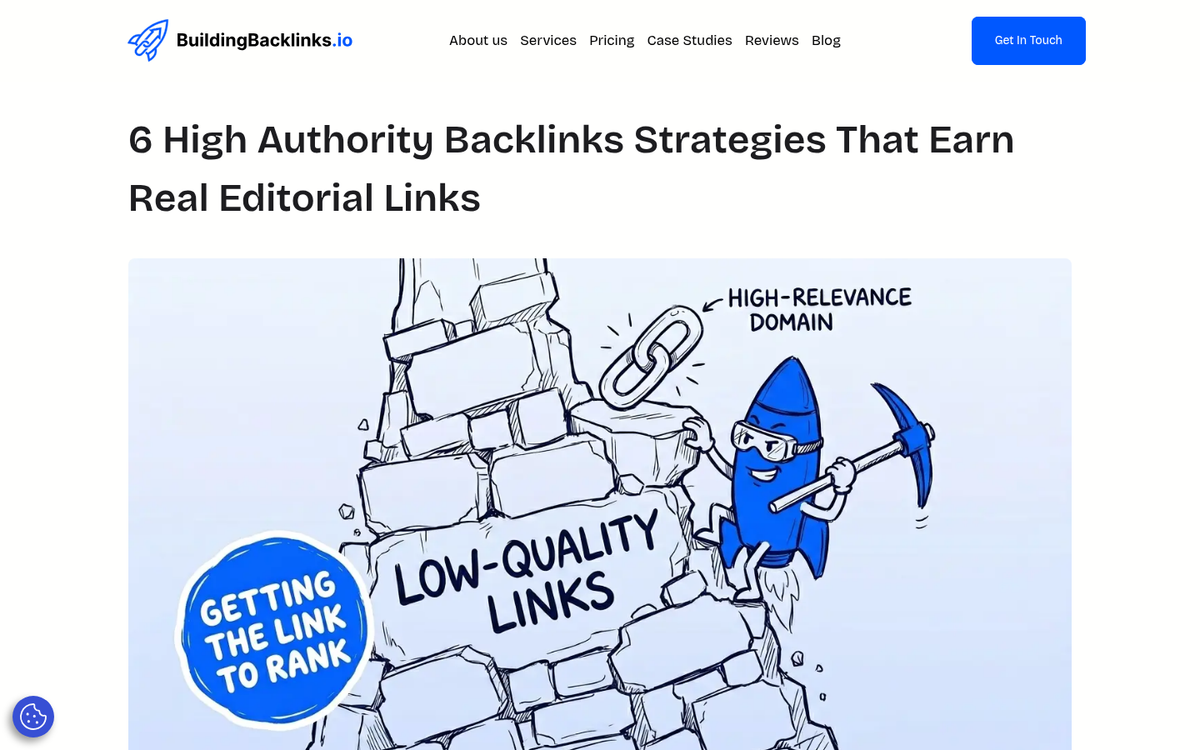
Another powerful means of gaining the attention of the search engines is to gain the attention of one or more of their high-ranking acolytes. Should you hail from the country of SEO, sites such as Moz.com, Search Engine Journal, or Ahrefs are amongst the most notable acolytes around. If you can obtain a followed, indexed link from one of these sites, the attention of the search engines can pass from those pages to your own.
This works because the omniscience of the search engines is artificial, relying on the backs of crawler bots that are sent out on the tireless errand of following every link available, recording the destination, and reporting back. Links to your site, in sufficient number and quality, are highly beneficial. Obtaining them when you are otherwise unknown to the search engines will add you to their awareness far more swiftly than waiting alone.
Create a Sitemap
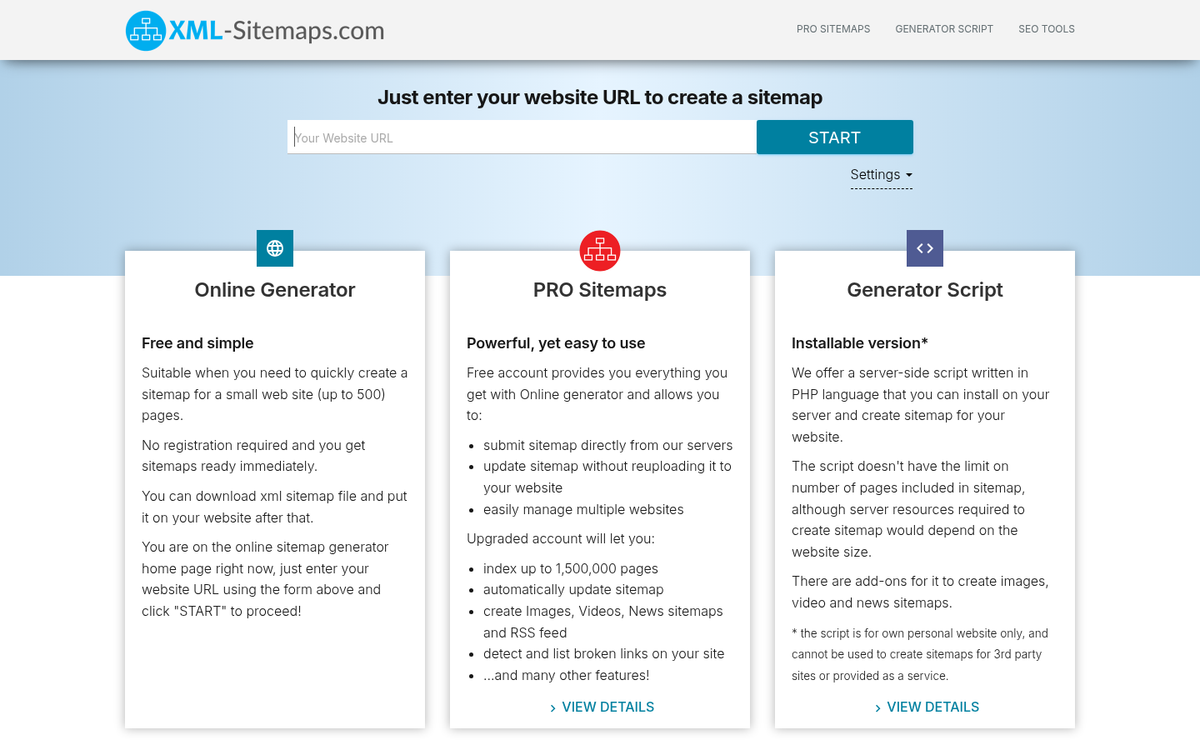
The most respected, effective, and useful method of gaining the attention of the search engines is through a map of the self. You will need to generate such a map, noting down the location and generation date of each page within your domain. You can use certain tools for assistance, and again, you do not need to pay for this service to be done for you. If you wield WordPress, plugins such as Yoast SEO or Rank Math will generate and maintain this map on your behalf, updating it automatically as new pages are born.
Place this map on your site in a location visible to the search engines, and bring that location to each in turn. It is also worth noting that sites which maintain active blogs receive an average of 434% more indexed pages than those that do not - a testament to the value of fresh, consistent content in expanding the search engines' awareness of your domain.
Submit a Sitemap to Google and Bing
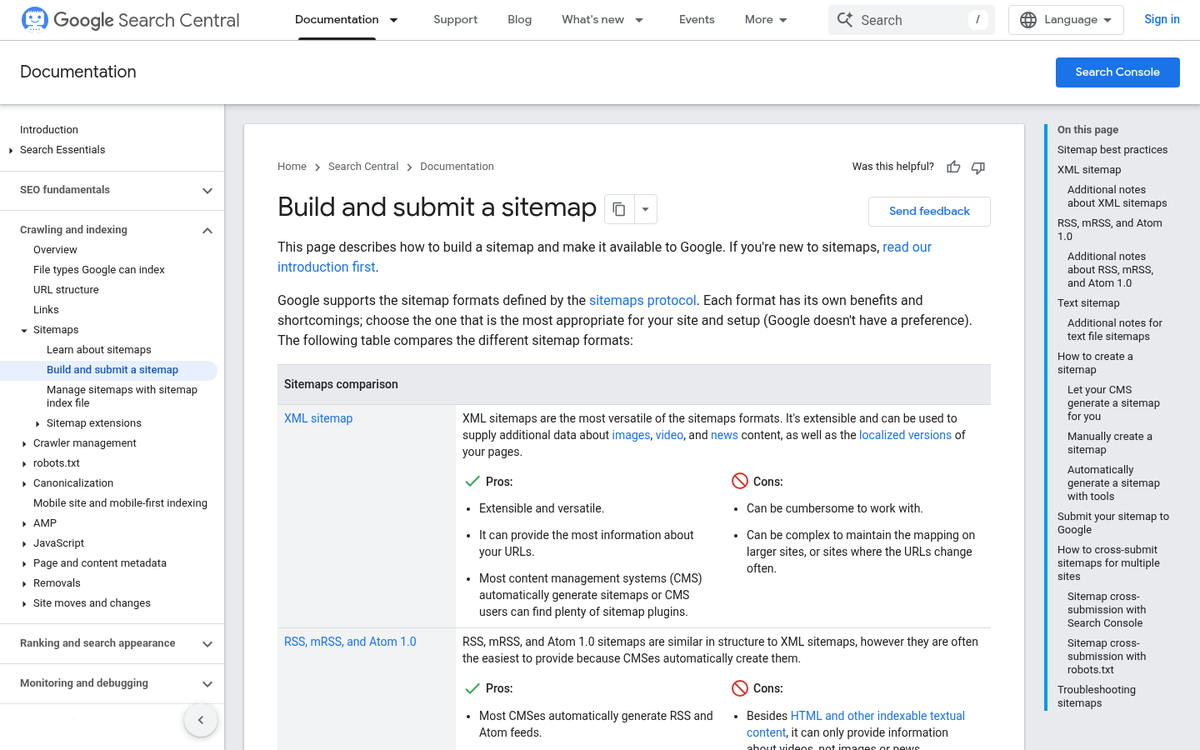
The process for submitting this map of your site to Google and Bing differs slightly for each.
- For Google, you will need to adopt the tools of the engine - Google Search Console. You will need to verify ownership of your site through one of several available methods, including HTML tag, DNS record, or Google Analytics.
- Within Search Console, navigate to the Sitemaps section found under the Index menu. Enter the location of your sitemap - typically something like yoursite.com/sitemap.xml - and submit.
- For Bing, the process is similar. Use Bing Webmaster Tools to verify your site and submit your sitemap directly. Bing also accepts a sitemap directive placed within your robots.txt file as an alternative path.
- Additionally, Bing allows you to automatically import your Google Search Console settings, sparing you the full ritual a second time - a convenience worth knowing.
Once again, when this process is complete, you will be able to perform the site:URL ritual to check for your presence in the awareness of the engines. If you notice unexpected gaps in your data, it may be worth investigating why Google Analytics isn't showing your traffic.
If You're Still Not Indexed

If you have performed the above rituals and, after several weeks, you are still not present in the awareness of the search engines, you may be suffering under a punishment earned by your site or by the previous holder of the name. Common causes include a noindex tag left carelessly in your page code, a disallow rule buried in your robots.txt file, thin or duplicate content that gives the engines little reason to take notice, or a manual action penalty issued by Google itself - visible within Search Console under the Security & Manual Actions section. You will need to identify the cause for this punishment and resolve it before you will be brought back to their light once more.