You ask me this question, and I ask you several questions in return. What do you mean by a traffic source? Are you talking broadly, like "social traffic" and "organic traffic"? Are you speaking on a more specific level, like "traffic from Facebook" and "traffic from TikTok"? Also, do you honestly expect a simple answer?
The thing about a question like "what is the best converting traffic source" is that there is no single answer. Your conversion rate and my conversion rate are going to be different. They can be different from day to day, from month to month, and from industry to industry. For that matter, the same traffic source can have different conversion rates on two different pieces of content. Users coming organically from Google will convert at different rates depending on their queries.
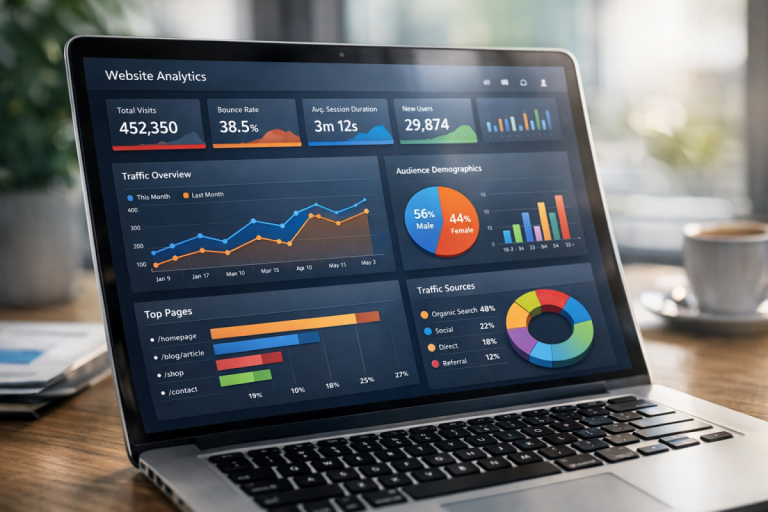
The only real answer I can give you is "check your analytics." Only your own data will be able to tell you what your conversion rates are from source to source.
That said, we do have some solid benchmarks now. Ruler Analytics analyzed over 100 million data points and found that direct traffic converts best on average at 3.3%, followed by organic search at 2.7%, and paid search at roughly 7.52% (Google Ads average across all industries, per 2025 data). Cold social traffic - Facebook, Instagram, TikTok - typically sits at a much lower 0.5-1.5%. And perhaps most surprisingly, email traffic converts 60% better than paid social and 370% better than display ads, according to Unbounce's dataset of 57 million+ conversions.
So, rather than try to tell you what traffic source is best, I'm going to run down the most common traffic sources and give you some pros and cons. You can use this general information, plus your own data as it relates to those traffic sources, to decide which have the most potential and which you should invest in.
Key Takeaways
- Email traffic converts 60% better than paid social and 370% better than display ads, making it the most underrated traffic source.
- No single traffic source universally wins - conversion rates vary by industry, content type, and audience intent.
- Paid search averages 7.52% conversion rate, outperforming organic search (2.7%) and cold social traffic (0.5-1.5%).
- Matching traffic source to user intent is critical - misaligned destinations kill conversions regardless of traffic quality.
- Over 60% of web traffic is mobile, making mobile-optimized conversion paths essential across every traffic source.
Matching the Source to the Content
One thing you always have to remember is that different traffic sources are likely to be looking for different things when they visit your page. If you're using paid advertising to market a free ebook, people are probably going to click through looking for an ebook and not much else. They might stick around for some content, but they won't jump to your store page and buy your product. By contrast, people searching for you on YouTube are looking for video content, and may not care for your non-video content.
If you want to have a high conversion rate, you need to understand the intent behind the traffic source, and make sure the destination is as catered to that intent as possible. Once you get people on your site as invested as possible, you can shape their experience and guide them towards your conversion objectives. If you're still struggling with engaging them, conversions might not be possible from some sources.
Email Traffic
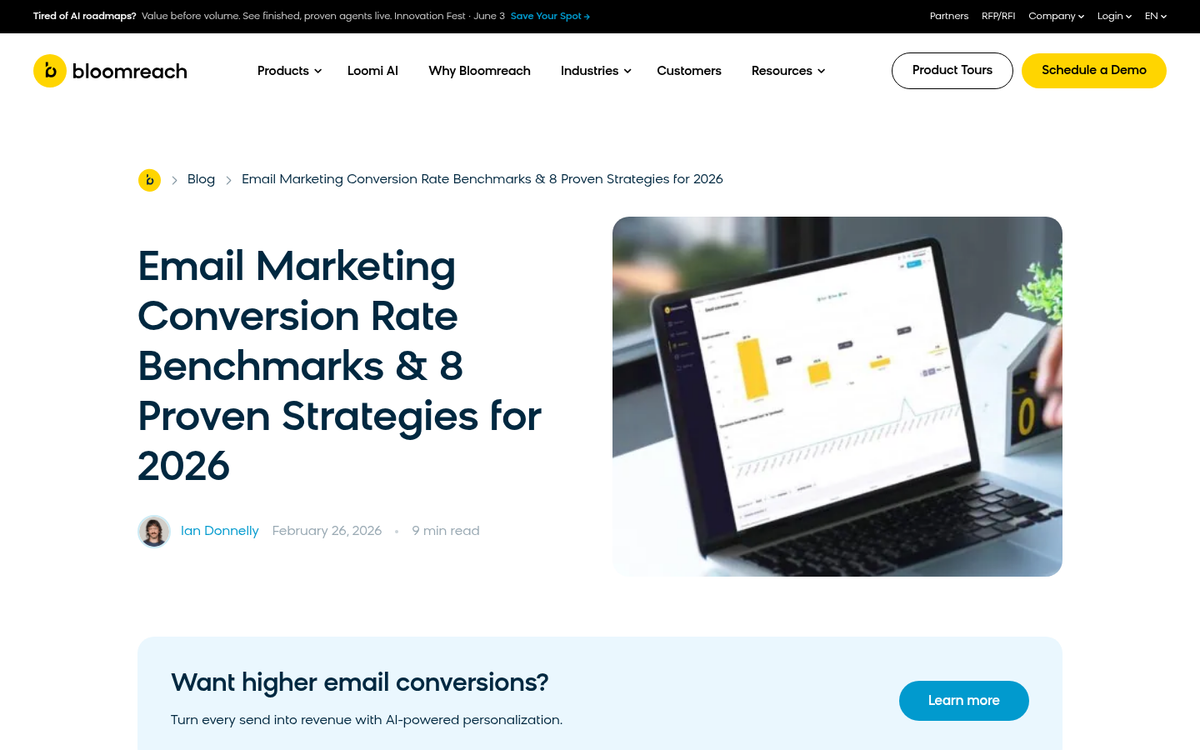
Let's start here, because email is arguably the most underrated traffic source in 2026 and the data backs it up hard.
Per Unbounce's analysis of over 57 million conversions across 41,000+ landing pages, email visitors convert 60% more than paid social visitors, 77% more than paid search visitors, and a staggering 370% more than display ad visitors. Email also generates 9.6% of eCommerce sales despite representing only 4.4% of traffic - a conversion efficiency ratio of over 2x.
Why does email convert so well? Because the people clicking your emails already know who you are. They opted in. They have context. There's a baseline of trust that cold traffic simply doesn't have. When you pair that warm audience with a targeted, relevant offer, conversion rates climb fast.
The con? You have to build the list first. Email traffic doesn't exist without an audience, and growing a quality list takes time, lead magnets, and a consistent content strategy. But once it's built, it's an owned channel - no algorithm changes, no rising CPCs, no platform risk. That's increasingly valuable in 2026 when every major ad platform seems to raise prices every quarter.
Direct Traffic
Direct traffic - people typing your URL directly or arriving via a bookmark - is the ultimate signal of brand strength, and it converts at an average of 3.3% across all industries according to Ruler Analytics. That's not surprising when you think about it: these are people who sought you out specifically. No ad. No search query. Just intent.
The downside is that you can't really "run a campaign" to get direct traffic. It's a lagging indicator of everything else you're doing - your SEO, your social presence, your email list, your word of mouth. But it's worth watching in your analytics, because growth in direct traffic over time is a strong sign your brand is actually sticking.
Organic Search Traffic
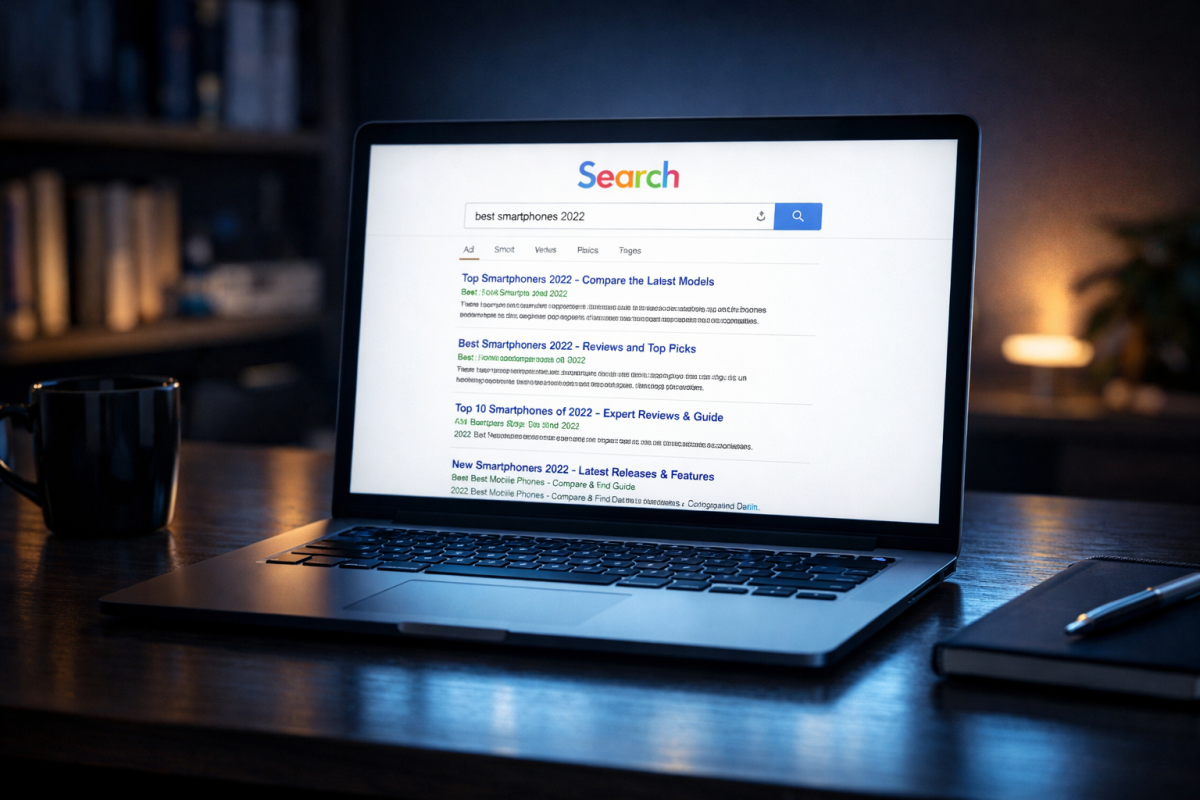
Organic search averages a 2.7% conversion rate across industries, which is solid - especially when you factor in that you're not paying per click. It's "free" in the sense that there's no cost-per-click, though the investment in content and SEO is real.
First, you have the different search engines. Google dominates, but Bing has quietly grown its market share - partly due to its integration with Microsoft Copilot and AI-powered search experiences. DuckDuckGo and other privacy-focused engines also remain relevant for specific audiences. You'll focus primarily on Google, but don't ignore the others entirely.
Secondly, different queries will have different intent. Almost everyone is going to land on a piece of content on your site rather than your homepage or store page, so you have to be intentional with your content. Each piece should address what kind of users will be arriving, what their search intent is, and how you can guide them one step deeper in the funnel.
One major development worth noting: AI Overviews (formerly Search Generative Experience) have significantly changed how Google displays results in 2025-2026. Zero-click searches are more common now, which means your content strategy needs to work harder - focusing on middle and bottom-funnel queries where people are closer to a decision and more likely to click through.
Paid Search Traffic
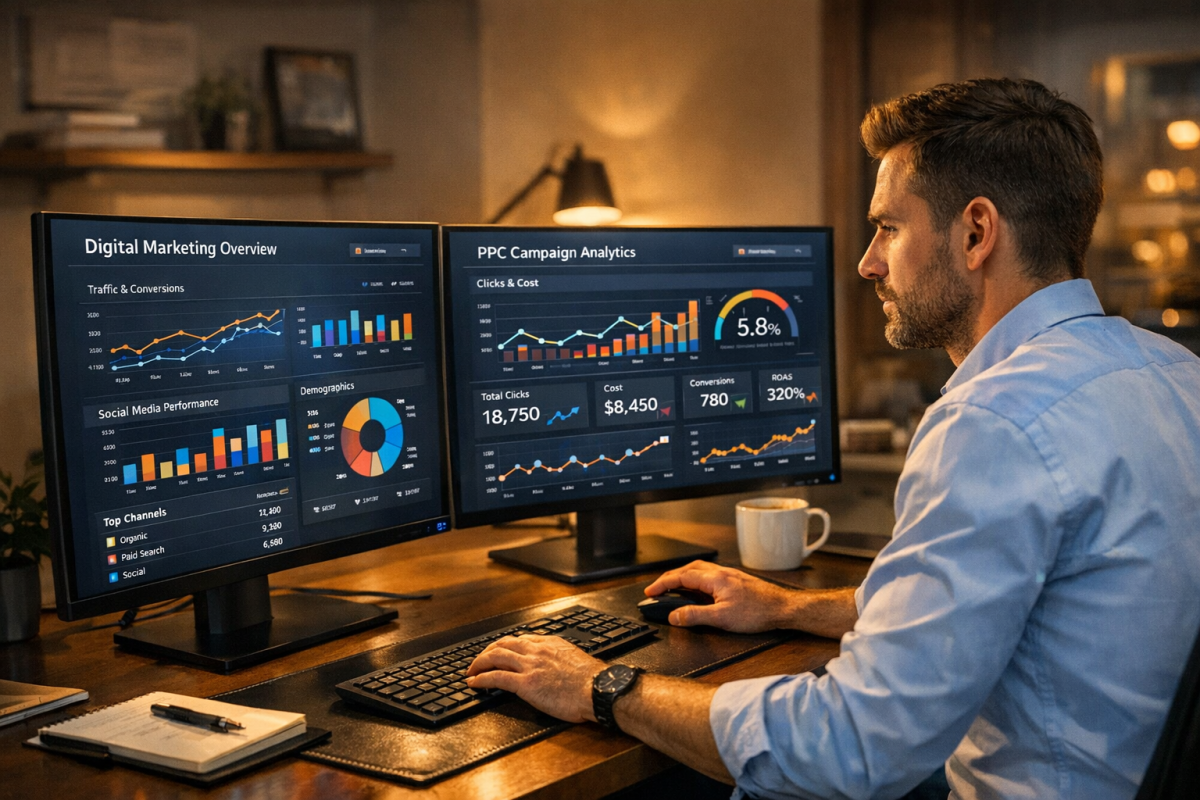
Paid search, particularly Google Ads, remains one of the highest-converting traffic sources when done right. The average Google Ads conversion rate across all industries in 2025 was 7.52% - higher than organic search, and well above social. Google also converts 41% better than Bing and 95% better than Yahoo on a paid basis.
The trade-off is cost. Some competitive niches can run $50-$150+ per click, which means you need strong landing pages, good Quality Scores, and a clear handle on your customer lifetime value before you scale. Google Ads has also gotten considerably more complex with the shift toward AI-driven campaign types like Performance Max, which gives advertisers less direct control than traditional search campaigns.
Microsoft Ads (formerly Bing Ads) are worth testing. Their costs are lower, competition is thinner, and the audience skews slightly older and more professional - which works well for certain B2B or higher-ticket offers. Use it to test messaging and landing pages cheaply before scaling to Google.
YouTube Ads can work well for awareness and consideration stages, particularly with skippable in-stream formats. But YouTube users are there to watch content, not to click away, so your expectations and conversion objectives need to match that intent. Use YouTube for warming audiences rather than expecting direct conversions.
Organic Social Media Traffic
Social media organic traffic is essentially free in dollar terms, but it costs time and consistency. The honest reality in 2026 is that organic reach on most platforms has compressed significantly compared to even a few years ago. The exception tends to be newer or growing platforms that are still incentivizing creator content.
As a general rule, cold organic social traffic converts poorly - typically in the 0.5-1.5% range. Social media is better understood as a top-of-funnel, brand awareness and community tool rather than a direct conversion engine.
Facebook still has the largest addressable audience, but organic reach for brand pages is minimal without paid amplification. It remains more useful as a community hub (Groups, in particular) and as a retargeting pool.
Instagram has strong engagement for visual brands and lifestyle niches, but still makes it difficult to drive traffic off-platform. Link in bio tools and Stories swipe-ups are the main levers. Good for brand building and warming audiences; less reliable for direct conversions.
TikTok is the biggest shift since the last time this post was written. Organic reach is still strong for creators who understand the algorithm, and TikTok Shop has made in-app purchasing increasingly viable for consumer products. For B2C brands, it's now a serious consideration - not just for reach, but increasingly for direct sales. That said, the ongoing regulatory uncertainty in the US has added a layer of risk for brands building heavily on TikTok.
Twitter/X has changed considerably under new ownership. It's smaller, more fragmented, and less reliable as a traffic driver than it once was. It still has value for real-time news, niche communities, and certain professional or financial audiences, but it's not where most brands should be prioritizing organic effort.
Reddit remains a unique case - highly engaged, community-driven, and very sensitive to overt advertising. The demographics skew tech-savvy and skeptical of brands. Done well (authentically, helpfully, non-promotionally), Reddit can be a fantastic source of engaged niche traffic. Done poorly, you'll get roasted and banned.
LinkedIn has grown significantly as an organic content platform, especially for B2B. Organic reach is notably better than Facebook or Instagram for professional content, and it's one of the few platforms where thought leadership content still gets real traction without paid support.
Pinterest remains underrated for certain niches - home, food, fashion, DIY, and anything visually inspiring. Traffic from Pinterest can be surprisingly intent-driven, similar to search in some ways, since people are often actively planning purchases or projects.
Paid Social Media Traffic
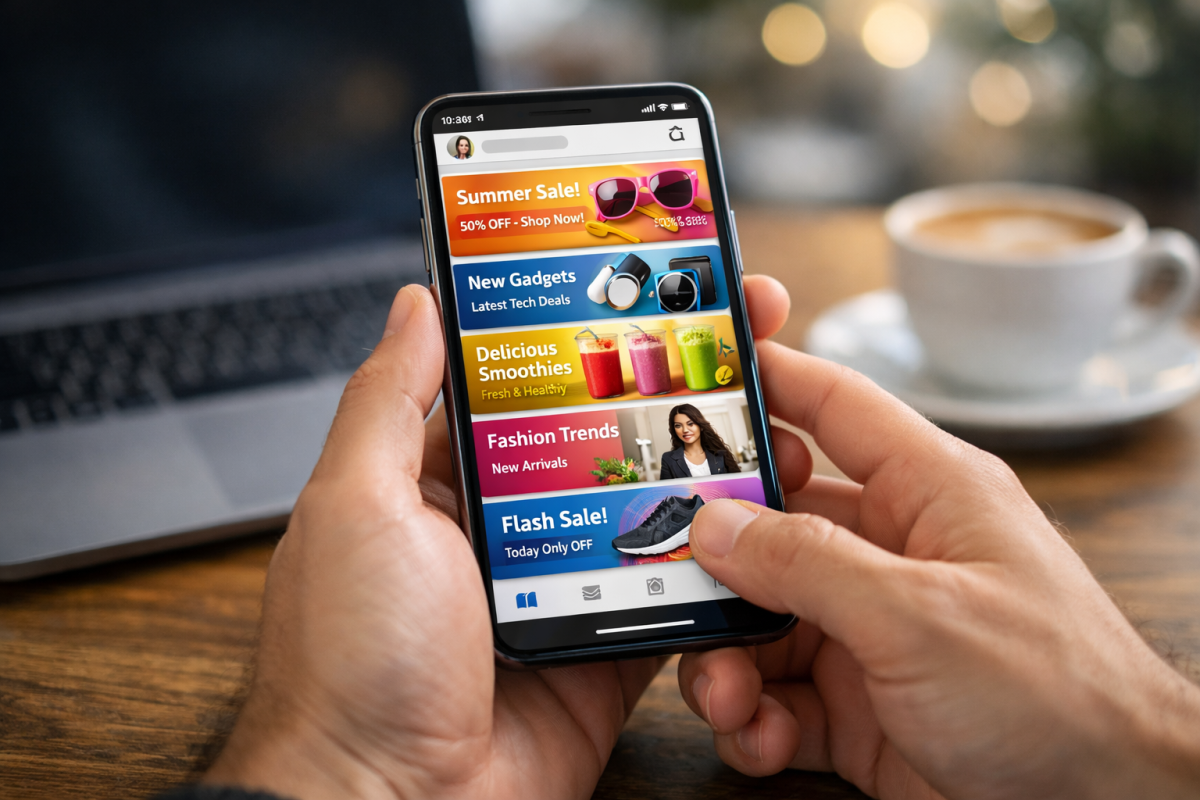
Paid social sits at roughly 0.5-1.5% conversion rates for cold audiences - lower than paid search, which makes sense given the difference in intent. Someone who searches "buy running shoes size 10" is much closer to a decision than someone who sees a shoe ad while scrolling their feed.
That said, paid social plays a crucial role in a full-funnel strategy, particularly for retargeting warm audiences where conversion rates improve dramatically. Facebook retargeting is one of the most effective ways to re-engage visitors who didn't convert the first time.
Meta Ads (Facebook and Instagram) remain the most powerful paid social platform for most advertisers due to the sheer scale and depth of targeting options. iOS privacy changes have reduced some targeting precision, but Meta has largely adapted its attribution and optimization systems. For eCommerce and B2C, it's still a top-tier channel when managed well.
TikTok Ads have matured significantly and can be highly effective for the right products, particularly anything targeting under-40 consumers. Spark Ads (boosting organic creator content) tend to outperform traditional ad creative. TikTok Shop Ads are also worth exploring for product-based businesses.
LinkedIn Ads are expensive - often $8-$15+ per click - but for B2B, targeting by job title, company, industry, and seniority can make those costs worthwhile. If you're selling something with a high LTV to a professional audience, LinkedIn paid is hard to beat for precision.
Reddit Ads have improved but remain a niche option. Targeting by subreddit gives you tight interest-based audiences, but volume is limited and Reddit users are still highly ad-resistant. Learn how effective Reddit ads really are before committing significant budget to the platform. Use it selectively.
Mobile Traffic

In 2026, mobile is no longer a separate consideration - it's the default. Over 60% of web traffic globally comes from mobile devices, which means every traffic source discussed above is predominantly mobile. The question isn't really "should I optimize for mobile?" - it's "is my conversion path actually good on mobile?"
If your landing pages are slow, your forms are tedious, or your checkout isn't mobile-optimized, you're losing conversions across every channel. Mobile users are action-oriented when they tap on ads but equally quick to bounce when friction appears.
In-app advertising through networks like AppLovin, Unity Ads, and Meta's Audience Network still drives significant volume for certain niches, particularly gaming, finance apps, and consumer products. Quality varies widely, so monitor post-click behavior closely.
For most brands, the bigger opportunity on mobile isn't a separate ad network - it's ensuring that your email, paid search, paid social, and organic search traffic all land on experiences that are genuinely built for the phone in someone's hand.
What's your favorite source of traffic? What converts best for you? The landscape looks very different in 2026 than it did even three or four years ago - email and direct traffic are quietly dominating conversion metrics while social media earns its keep at the top of the funnel. Test broadly, measure honestly, and let your own data have the final word.