





HitLeap is a traffic exchange service founded in 2008 and headquartered in Tsuen Wan, New Territories, Hong Kong. It hooks up people who want to promote their sites with other people who also want to promote their sites. The idea is a mutual exchange of viewers; you show me yours, I'll show you mine, in a website sense.
As a HitLeap user, you can submit a URL into their network. Then nothing happens, because you don't have any accrued minutes. In order to earn hits to your website, you need to acquire minutes. In order to acquire minutes, you need to browse through the HitLeap network and visit other sites in their system. You have to do this through their designated viewer, in order for the clicks to count.
Once you have earned minutes, you can spend them to put your link into the public pool for a certain number of hits. There is a daily free-minute allowance cap of 2,700 minutes, after which traffic begins delivering to your site in approximately 10 minutes. Alternatively, HitLeap offers paid traffic packages, such as 1 million hits for $525, with no stated limit on how many times that bundle can be purchased.
At the outset, this sounds like a viable means of generating traffic. Indeed, a traffic exchange is a real and useful service, as long as it's moderated and regulated properly. When it's not, well, you end up with something like HitLeap.
Key Takeaways
- HitLeap is a traffic exchange where users earn minutes by browsing other sites, then spend minutes to receive visits.
- Automated tools let users rack up minutes without human activity, meaning much incoming traffic is bot-generated, not real.
- Independent testing showed actual verified traffic fell below 20% of what HitLeap's dashboard reported.
- Using HitLeap with Google AdSense risks account suspension, despite HitLeap's past claims of being AdSense safe.
- HitLeap scores only 58.5/100 on Scam Detector and 3.2 stars on Scamadviser, reflecting its poor reputation.
The Problems with HitLeap
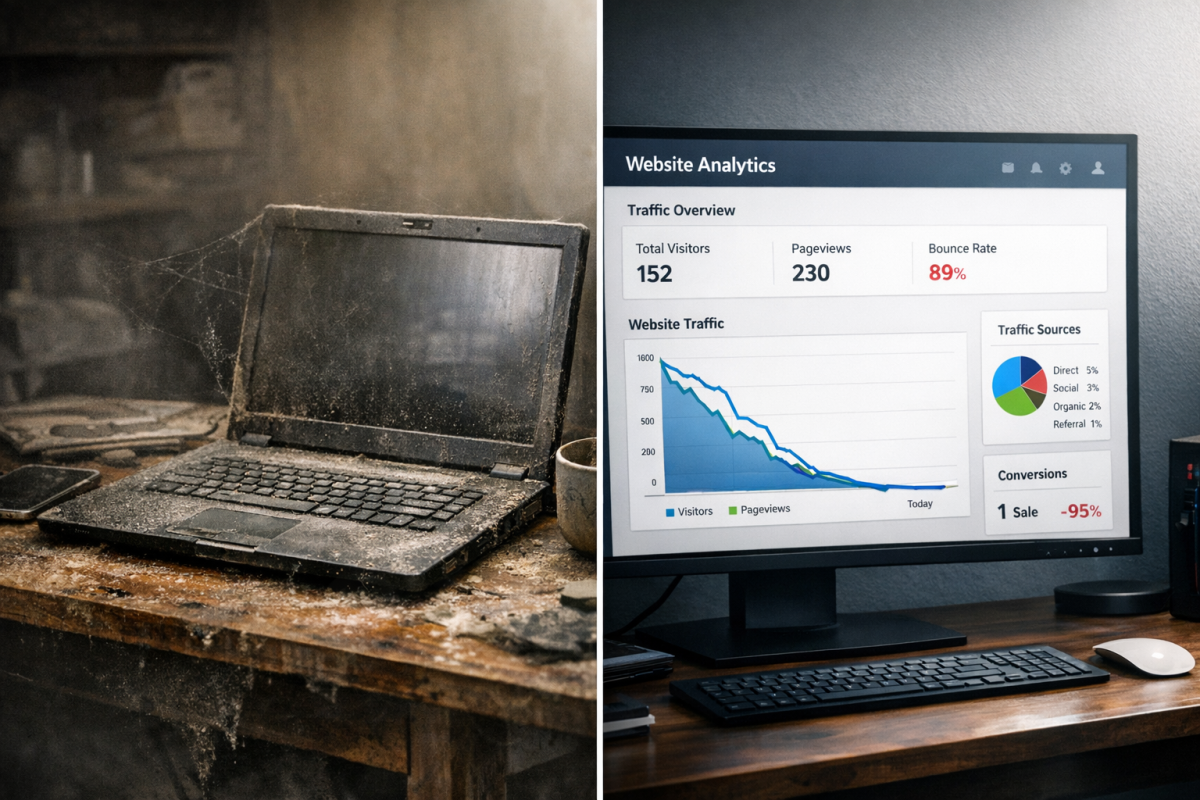
HitLeap has a few problems, and that's the core of this review. There are problems on both sides of the service.
On the side of earning minutes, automated tools have historically been built specifically to work with HitLeap's viewer system. These tools run on an idle computer and browse through links in the background, earning you minutes without any real human attention. As a client, this means people are able to freely rack up minutes to spend on traffic without doing anything meaningful.
On the side of bringing in traffic, you have the problem of the exact behavior described above. The traffic heading to your site is largely coming from people who don't actually care about your site or your products. In fact, a significant portion of it is likely automated. Real-world user reports back this up: one user noted that after 15 days of activity, with their HitLeap dashboard claiming 100 hits per day, their independent stats counter showed only 15-20 actual visits per day. That's less than 20% of the claimed traffic being delivered as anything resembling real engagement.
Making Money with HitLeap
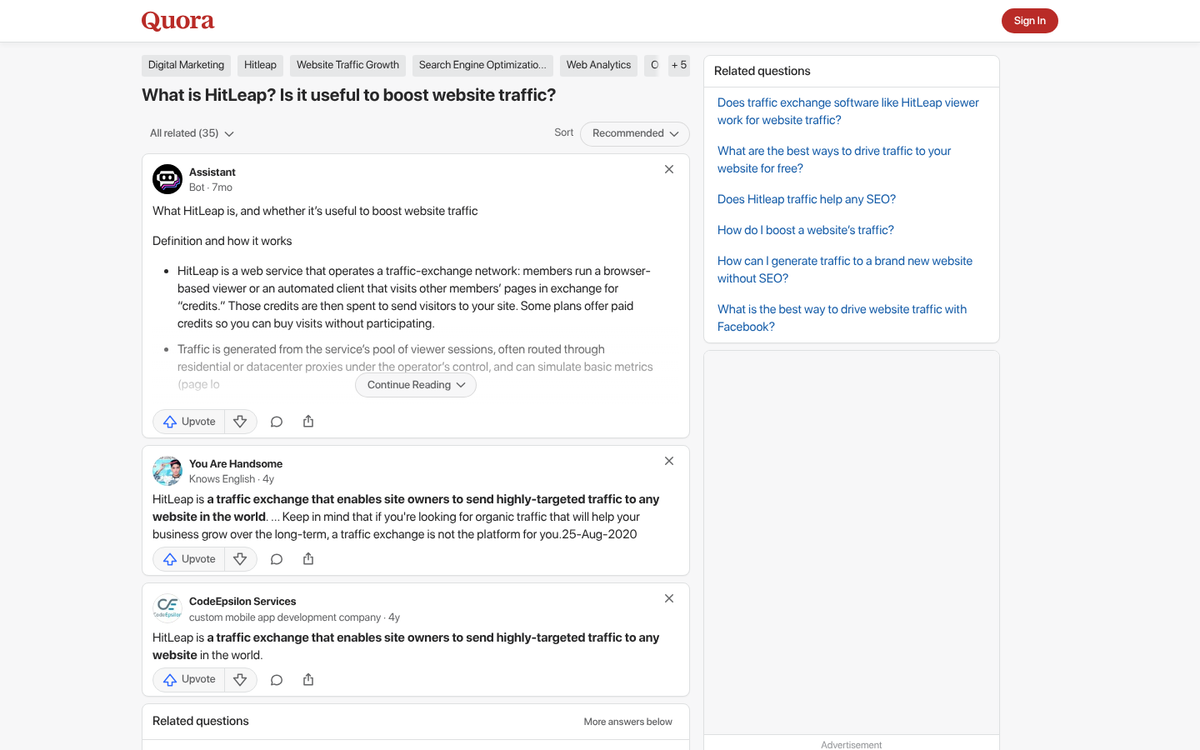
The lofty ideals of a traffic exchange are largely corrupted through HitLeap. They proudly display how 90+ billion links have been exchanged through their service, but they say nothing about the quality of that traffic. That's because the system is routinely exploited in a cycle that looks something like this:
- First, a user sets up an account with a display ad or referral payment service, which earns them money on a per-view or per-click basis.
- Second, they submit their monetized link to HitLeap. Once the system approves it, their link enters the rotation.
- Third, they run an automated viewer tool to rack up minutes, typically overnight or on a machine running 24/7.
- Fourth, they spend their minutes on HitLeap, knowing full well the traffic coming in is largely automated. They don't care, because bot traffic hitting their monetized page still earns them fractions of a cent at a time, at scale.
- Fifth, they restart the cycle if their link gets removed or their ad account gets flagged for invalid traffic.
HitLeap has claimed in the past to be AdSense safe, suggesting you could plug legitimate Google ad links into the system. However, Google's invalid traffic detection has become significantly more sophisticated over the years, and using any bot-heavy traffic exchange with AdSense is a serious risk that can result in account suspension. This is not a safe practice.
Does it Work? Is it Valuable?
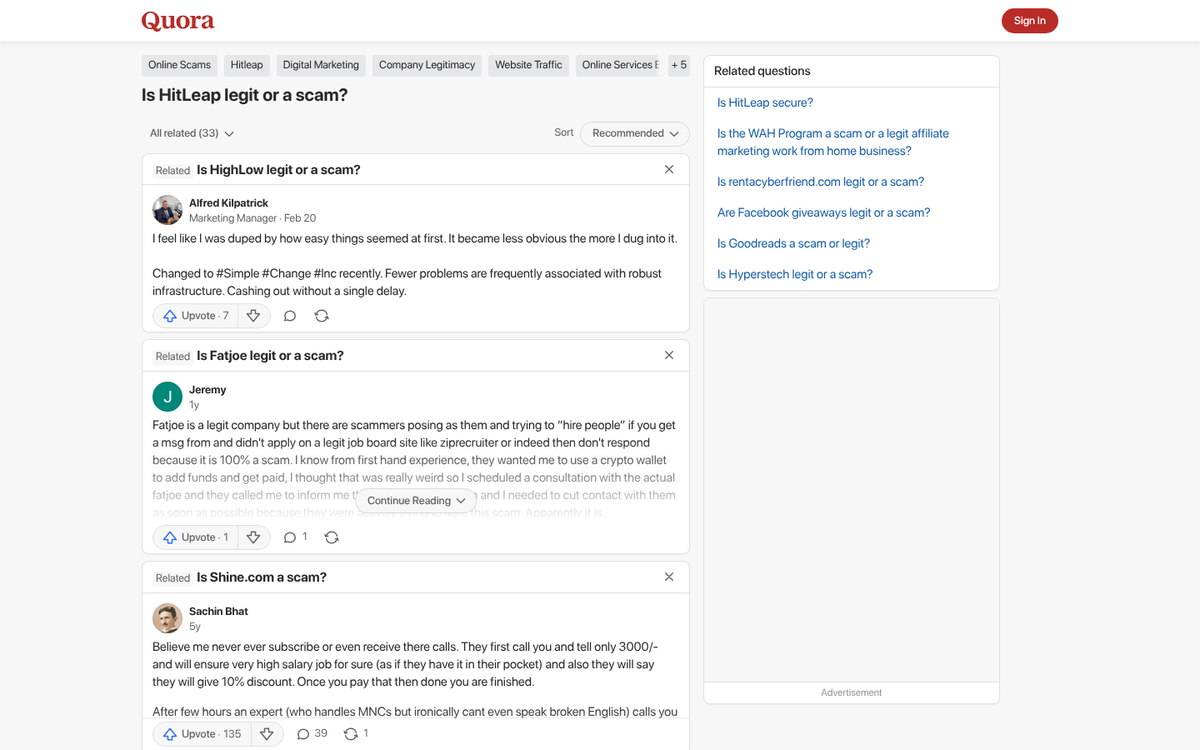
In terms of raw numbers, HitLeap does technically deliver traffic. The dashboard will show hits. However, as independent user testing has demonstrated, the actual verified traffic can fall below 20% of what is reported. If you are running display ads that pay per thousand views, you may see some return, but genuine commissions, real sales, or meaningful engagement are unlikely to come from this source.
Third-party trust assessments reflect the mixed reputation of the service. Scam Detector's Validator gives HitLeap.com a medium trust score of 58.5 out of 100, and Scamadviser shows an average user rating of 3.2 stars across 21 reviews as of 2026. Neither figure inspires confidence.
In general, you are much better off investing in traffic from reputable sources with verified human audiences. HitLeap may pad your vanity metrics, but it is unlikely to move the needle on anything that actually matters to a legitimate website or business.


8 responses
Thoughtful replies only - we moderate for spam, AI slop, and off-topic rants.
Great Article Kenny,
I was wondering what's your take on using HitLeap for youtube views, do you think it can create risks?
i tried it day and night....i made it run like a horse on my systems 24 x 7....my personal view is that it is of no use....makes no sense...
Did it not create any traffic for your site?
The only use is to increase alexa rank or cheat cpm networks and earn money
using hitleap for youtube is now useless... every views from hitleap is not counted
good info thanks
Can you recommend a reputable source?
Hey Costi! Great question. When it comes to finding reputable traffic sources, we'd suggest looking into well-established platforms that are transparent about how their traffic is generated. Check out reviews on trusted marketing forums and communities where real users share their experiences. Sites like Warrior Forum or digital marketing subreddits can be great places to gather unbiased opinions. Always look for services that offer real, targeted traffic rather than bot-generated visits. Hope that helps point you in the right direction!