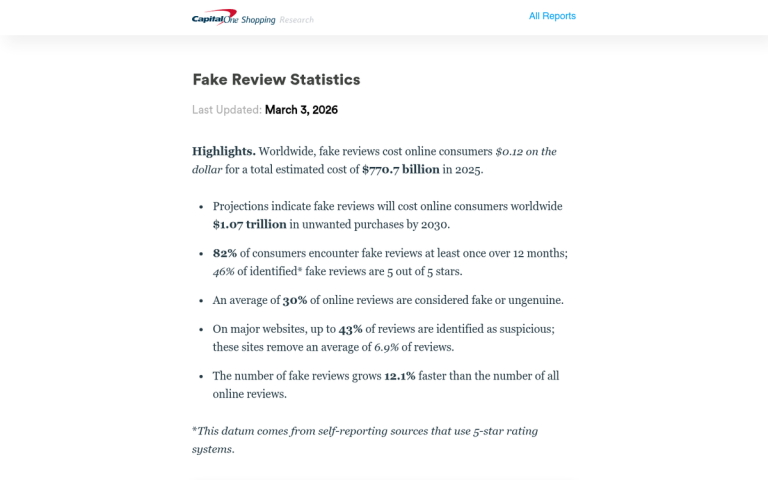
Reviews are incredibly important. As much as 95% of consumers read online reviews before making a purchase, and 93% say online reviews influence their purchasing decisions. With 58% of people willing to pay more for products from a brand with good reviews, the stakes have never been higher for building a strong review profile.
At the same time, it's incredibly difficult to get reviews. Only 1-2% of satisfied customers actually leave reviews, creating a notorious imbalance where dissatisfied users are far more motivated to share their experiences. It skews reviews away from the positive, so you need to actively and consistently fight to outweigh the few bad experiences with the many good ones.
Making matters more complicated, Amazon's review ecosystem has a serious trust problem. More than 200 million suspected spam reviews were removed before customers even saw them, and independent monitors estimate that as many as 42% of Amazon reviews may be fake. With 24.6% of Amazon shoppers only trusting reviews from verified purchasers, authenticity is no longer optional - it's essential.
How can you get more positive reviews, or even just more reviews in general? Here are some techniques I've seen and used.
Key Takeaways
- Only 1-2% of satisfied customers leave reviews, making active review-generation strategies essential for balancing negative feedback.
- Amazon's "Request a Review" button is one of the safest, most effective tools, sending policy-compliant requests between 5-30 days post-delivery.
- Amazon Vine connects Brand Registry sellers with vetted reviewers at no cost for products with fewer than two reviews.
- Review contests and incentives are strictly prohibited on Amazon but may work on third-party platforms with proper FTC disclosures.
- Over 200 million suspected fake reviews were removed by Amazon, making authenticity critical to maintaining a trustworthy review profile.
1. Provide Excellent Customer Service
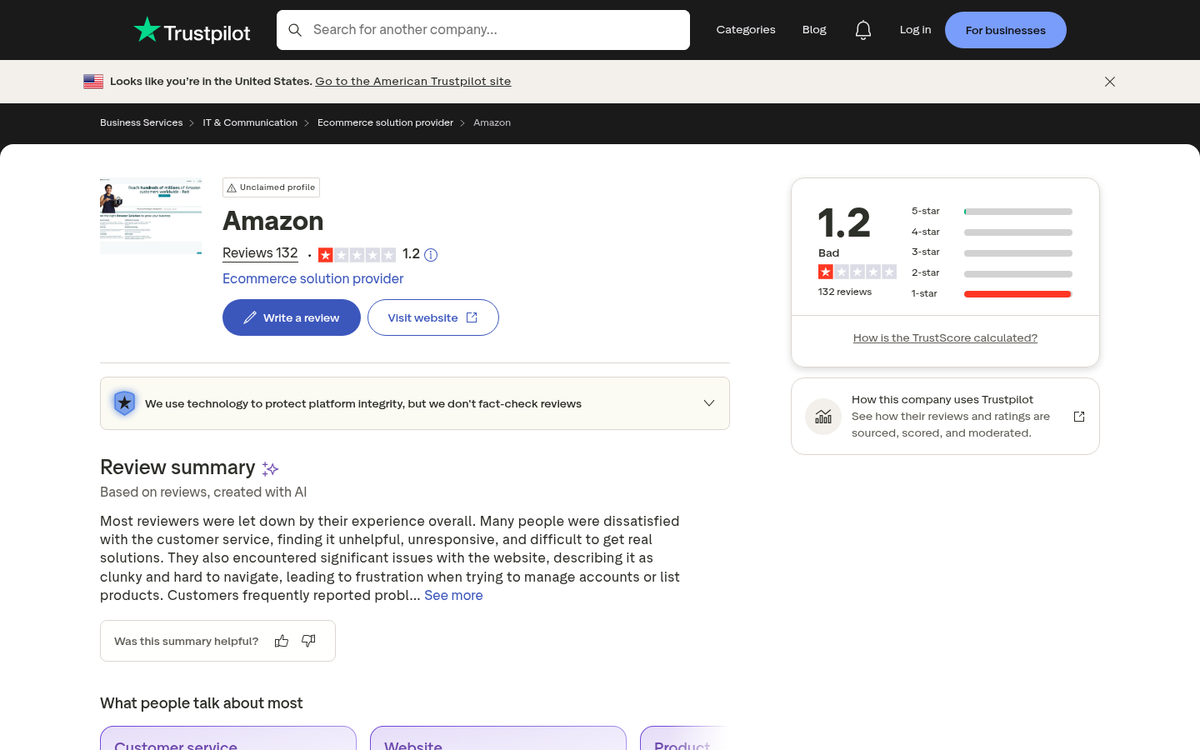
Most of the people who purchase from you won't be leaving reviews naturally. The most likely group to do so are the disgruntled customers who receive a dead or broken product. Forestall their negative reviews by making it very easy to contact you for customer service, and provide that service promptly.
A lot of brands find themselves hesitant to send out free replacements and eat the cost of a bad or broken product, and I can understand why when you're running on thin profit margins. However, negative reviews and a reputation for poor customer service can stunt your growth and make it harder to sell more, whereas good customer service might set you into the red for a week but lead to much greater conversions down the road.
2. Send a Follow-Up Email
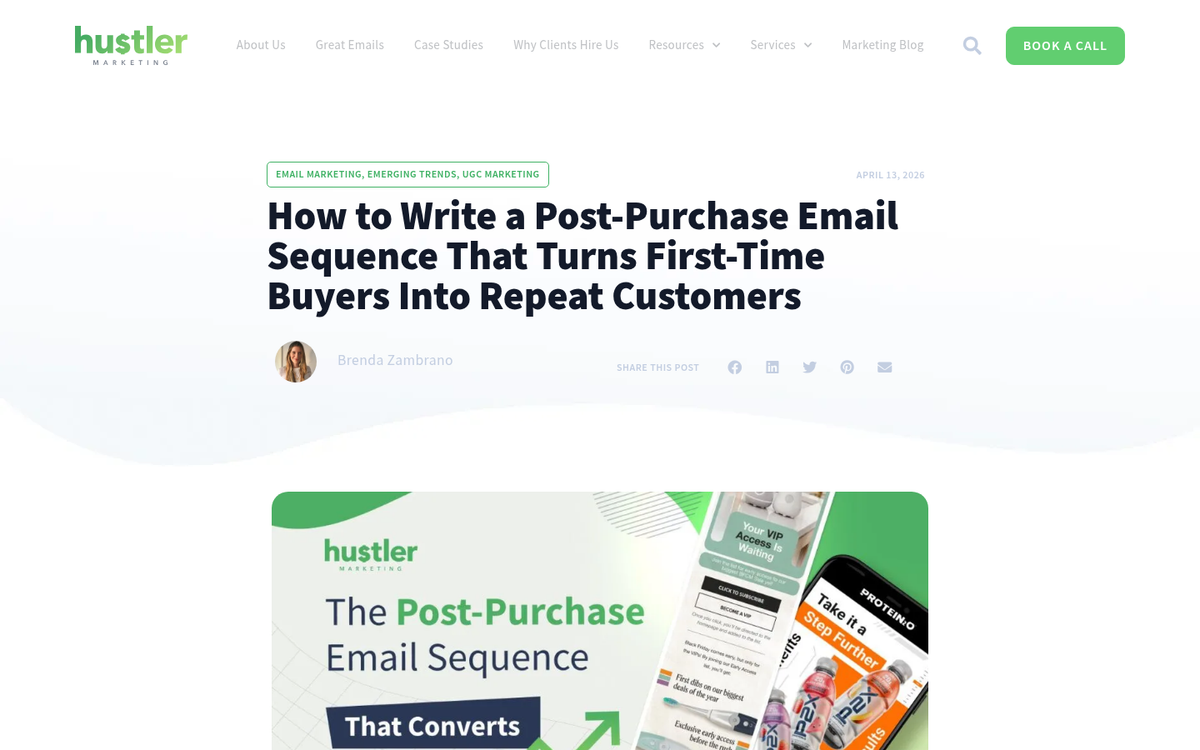
When a customer buys your product, it should come with everything they need to get started. However, it can be a good idea to reach out to them a week or two after the expected date of delivery. I like to send out a general all-purpose email.
My sample email includes an initial question of whether or not the user is satisfied. If they're satisfied, I have a call to action for leaving a review - an honest review, not specifically requesting a 5-star review - along with whatever other action the user wants to take. I then follow up with informational links to user guides, advanced tips, or other links that might be useful. Closer to the end, if the user isn't satisfied, I have customer service links.
If you don't want to cram all of this into one email, you can spread it out over several. The first message should be a purchase confirmation with some helpful links for assistance or tutorials. The second, sent later, can be aimed at helping the user with any problems and asking them to leave a review. You can follow up even later if they haven't left a review, asking if they've run into any trouble and providing customer service links. Keep in mind that Amazon has strict policies around buyer-seller messaging, so ensure your emails comply with their current guidelines and are sent through approved channels.
3. Use Amazon's "Request a Review" Button
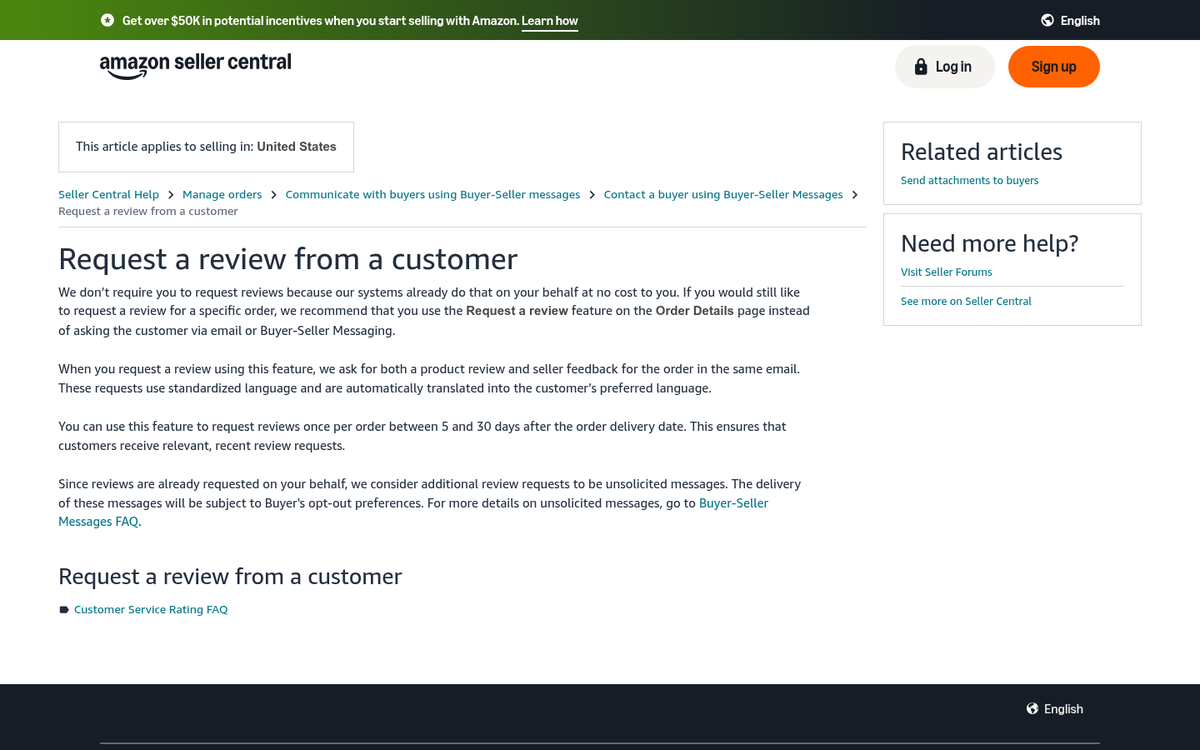
Amazon now provides sellers with a built-in "Request a Review" button within Seller Central. This feature allows you to send a standardized, Amazon-approved review request to buyers between 5 and 30 days after their order is delivered. Because the message comes directly from Amazon rather than the seller, it tends to carry more trust with buyers and is fully compliant with Amazon's policies.
This is one of the safest and most effective tools available to sellers today. Many sellers automate this process using third-party tools that integrate with Seller Central, sending the request at an optimal time within the eligible window. If you're not already using this feature, it should be your first step.
4. Ask for Reviews on Social Media
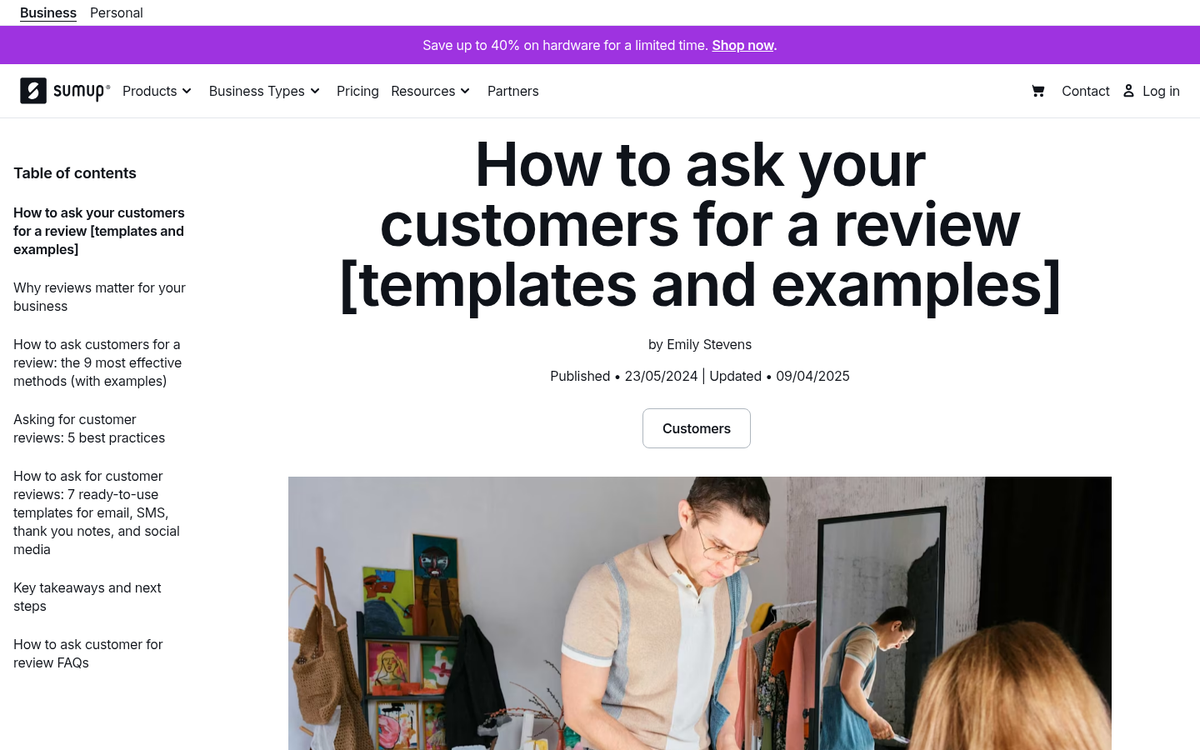
Chances are, a lot of your followers on social media are also people who have purchased from you at some point. If at all possible, ask them to head to the site they purchased from and leave a review.
Before you do this, be aware of a few things. Some sites, like Yelp, strongly discourage soliciting reviews and may penalize your profile if they detect it. On Amazon, you want real reviews from verified purchasers - and ideally recent ones. Avoid anything that could be construed as incentivizing or directing reviews, as Amazon's policies on this are strict and actively enforced.
5. Solicit Reviews from Top Reviewers
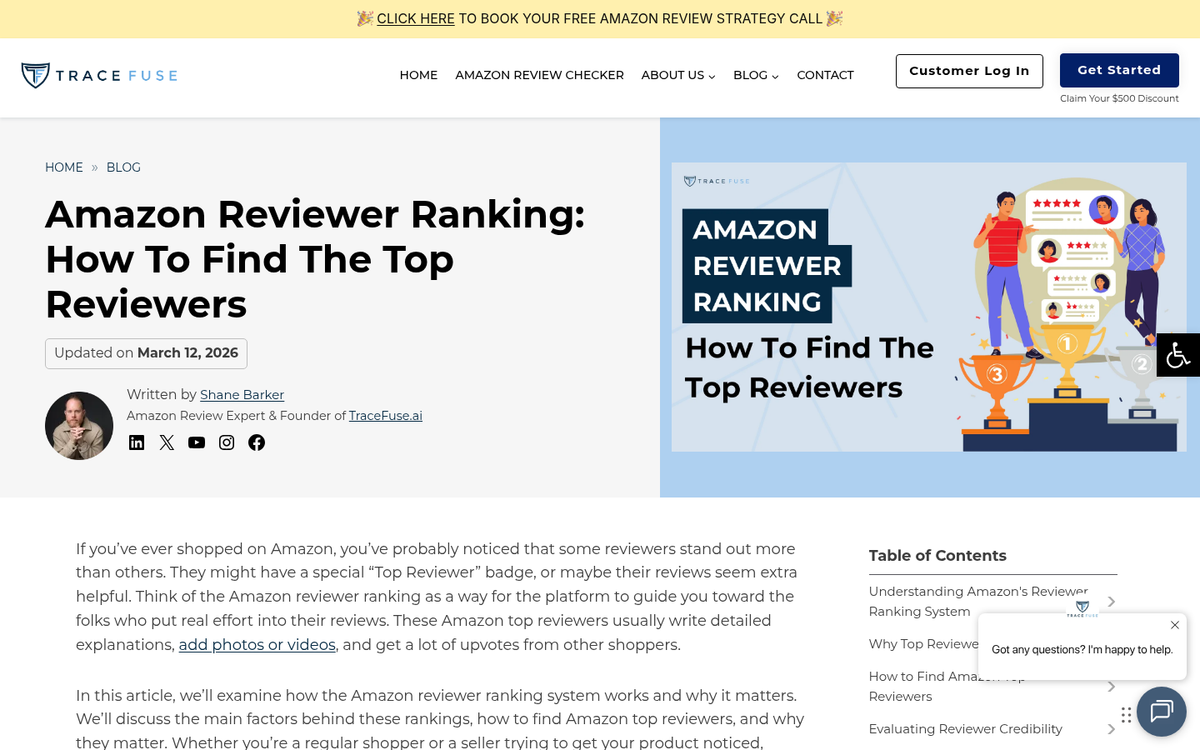
Reviewing products has been, to a certain extent, gamified on Amazon. Every product category has a selection of top reviewers - people who have reviewed a wide range of products in their niche and are always open to reviewing more. These people leave thoughtful, detailed, hands-on reviews and generally include photos and videos as well.
Often, in the reviewer profile for these users, you can find an email address you can use to contact them. Reach out and ask if they would be interested in reviewing your product. Be straightforward and make your case. Also be aware that if you have any requirements for the tone or content of the review, they will turn you down - keeping an air of impartiality is central to their credibility. You'll have to send out a free product, and the review will be labeled as such, but it's still generally better than not having a review at all.
6. Send a Call to Action in the Package

It doesn't take much to print out something the size of a business card. Create a small insert that thanks the customer for their purchase, gives them a shortlink or QR code for support, and politely asks them to leave an honest review once they've had time to experience the product.
It gets tricky to do this if you're a reseller and don't have much interaction with the people who actually fulfill orders in your supply chain. In some cases, you can talk to the wholesaler and ask that they include an insert when they ship one of your orders. If you're unsure what to discuss, check out our guide on questions to ask a wholesaler before selling their products. In other cases, they won't accommodate customization, and you'll have to rely on other methods like the emails described above.
You can also include a coupon for a discount on a future purchase. Just be careful never to tie the coupon to leaving a review in any way - that constitutes an incentivized review, which Amazon explicitly prohibits and actively enforces against. Keep the coupon and the review request separate and unconditional. For more ideas on effective prompts, see our case studies of highly converting calls to action.
7. Find and Solicit Bloggers and Content Creators
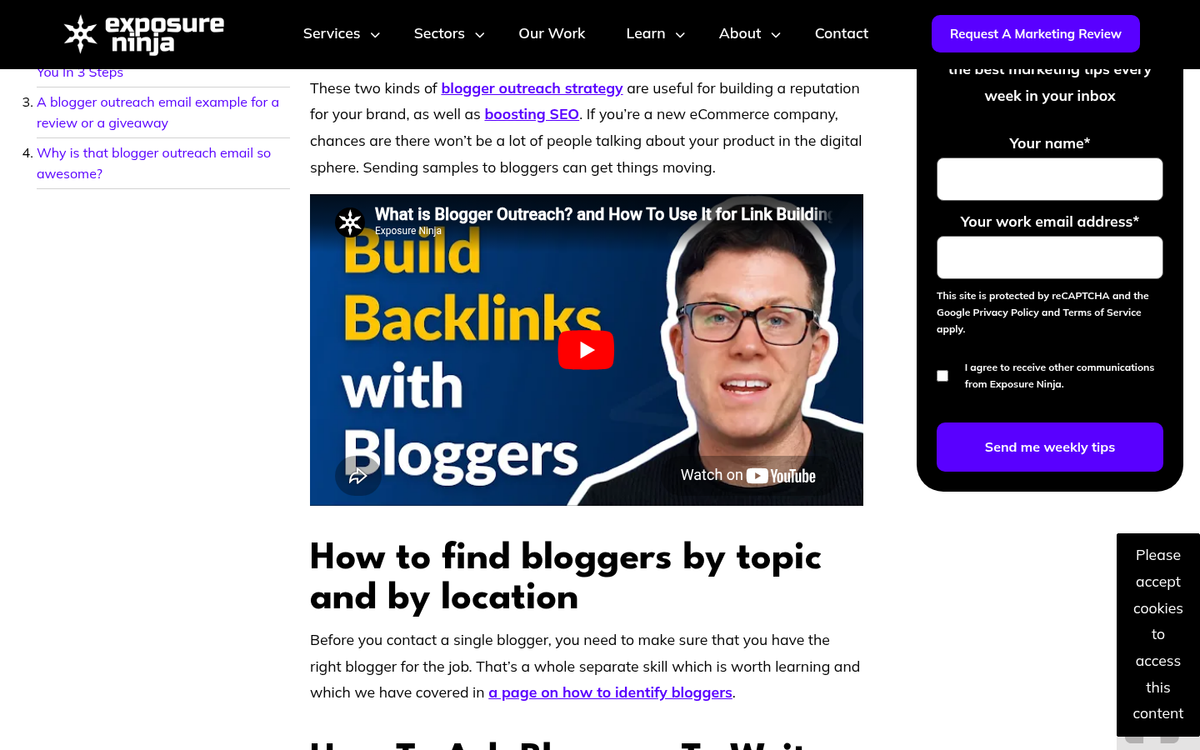
Much like finding top reviewers on Amazon, you can find people in your niche who blog or create video content about topics relevant to your products. These creators might already be customers, advocates for competitors, or completely unaffiliated.
When you find them, do a little digging to see if they've said anything about your product before. It does you no good to offer an existing customer a free trial for review purposes since they already have it. You also don't necessarily want to pitch to someone who has already written a scathing negative review - unless your product has significantly improved since then, in which case you might offer them a chance to revisit it.
It's the unaffiliated creators that you really want to reach. You want people who will leave an unbiased review in exchange for a free product. This gets you a review on a blog or YouTube channel rather than directly on Amazon, but influential niche creators can drive significant purchasing decisions among your target audience. As an added incentive, creators can use their own Amazon affiliate links to earn a small commission on resulting sales.
8. Leverage Facebook Groups and Online Communities
Just as there are people who review products on Amazon, you can find similar communities on Facebook and Reddit. Facebook groups centered around product reviews or your specific niche can be valuable, though you'll need to filter carefully for relevance and activity level.
My recommendation is to look into as many groups as you can find and read their rules carefully. Closed groups will specify whether vendors are permitted to participate. Open groups allow you to read the existing posts and get a feel for how the community operates before reaching out.
Find groups that review products in your niche - a software company won't get much traction in a group focused on kitchen appliances. Make sure the group is active; a community that hasn't posted in months won't deliver meaningful engagement. Always ensure that reviewers properly disclose their relationship with you per FTC guidelines, and keep everything above board to avoid having reviews flagged or removed.
9. Join Amazon Vine
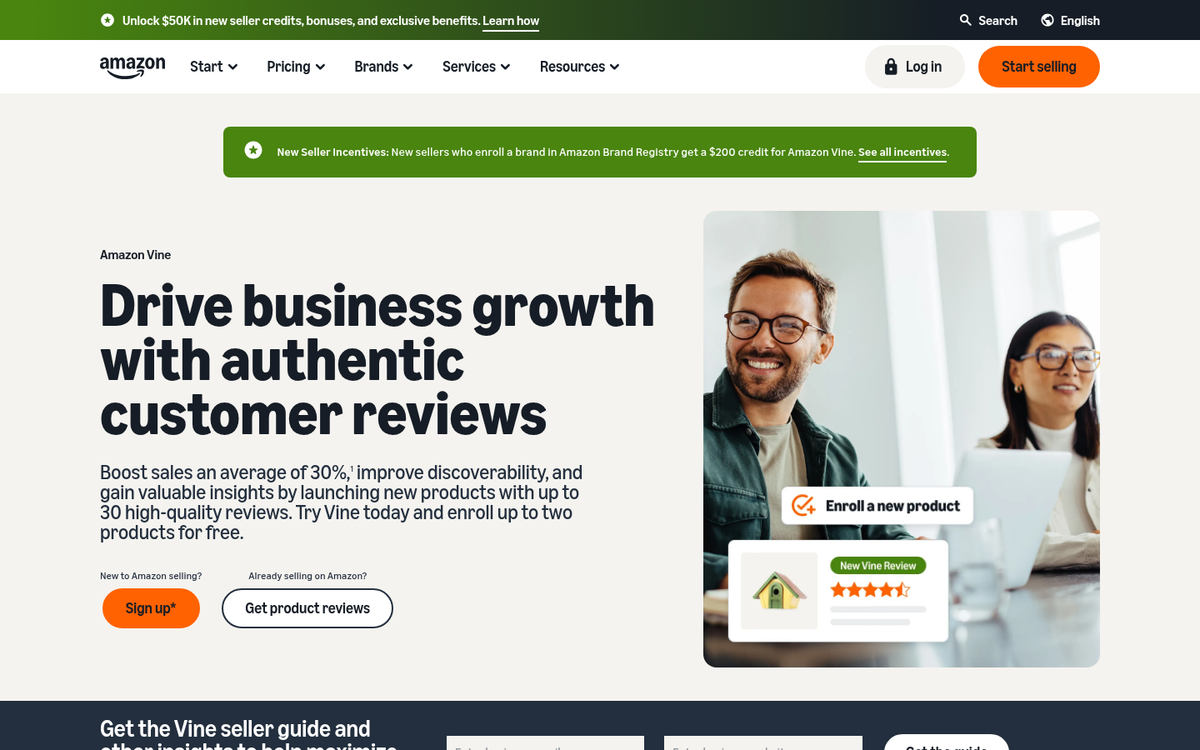
Amazon Vine is Amazon's formalized program for incentivized reviews, connecting enrolled vendors with a curated pool of trusted, high-quality reviewers. It has evolved significantly in recent years and is now more accessible than it once was.
As of 2026, Amazon Vine is available to sellers enrolled in the Brand Registry program, not just vendors in Vendor Central. Sellers can enroll products with fewer than 30 reviews and provide units to Vine reviewers at no charge. Importantly, Amazon eliminated the enrollment fee for Vine in late 2023 for products with fewer than 2 reviews, making it far more accessible for smaller sellers and newer product launches than it used to be.
The trade-off is that you must provide free units, you cannot influence the content of the reviews in any way, and Vine reviews are clearly labeled as such. That said, Vine reviewers are vetted by Amazon and known for leaving detailed, credible feedback - which carries weight with shoppers who are increasingly skeptical of anonymous reviews. If you're eligible, Vine should be a standard part of your review-building strategy.
10. Consider a Review Contest - With Caution
It's possible to implement something like a review contest for platforms outside of Amazon. The idea is to keep track of reviews left on your own website, a blog, or social media, and periodically offer a prize - a product, a discount, or a feature on your platform - to a randomly selected reviewer.
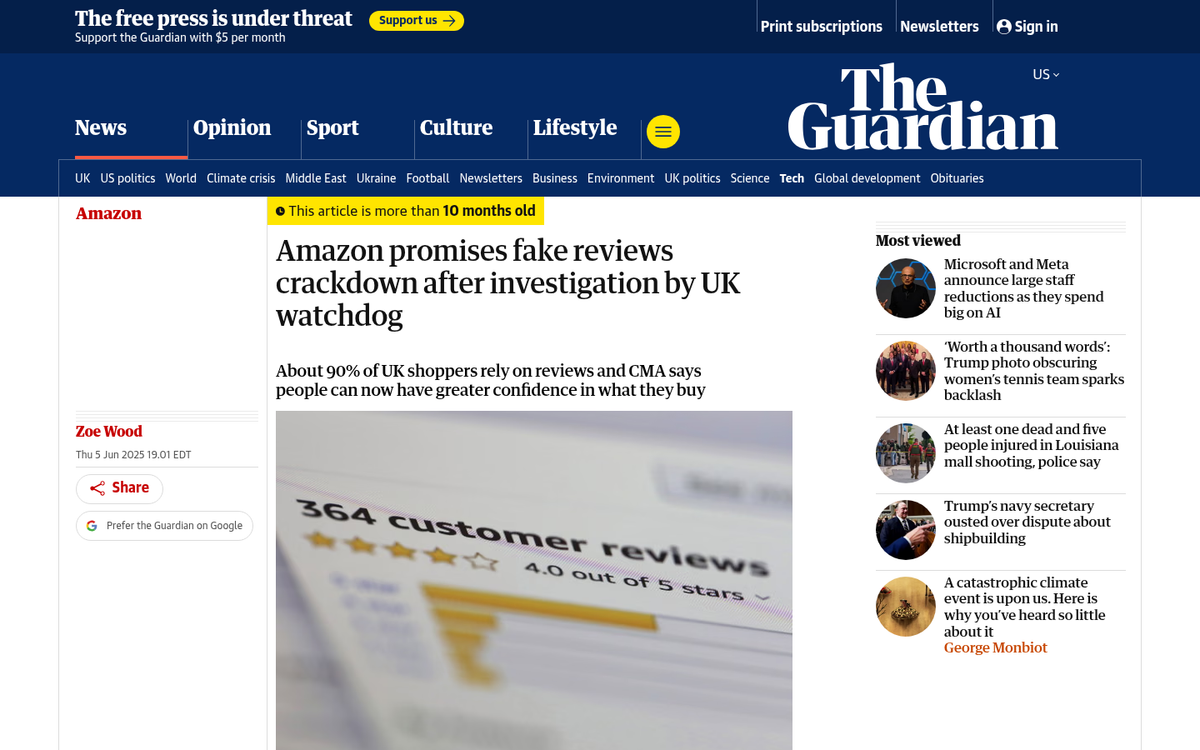
This approach is a form of incentivized reviewing, which Amazon explicitly prohibits on its platform. Amazon cracked down hard on incentivized reviews after widespread backlash about the trustworthiness of their review system, and enforcement has only tightened since. Do not attempt any review contest or incentive scheme tied to Amazon reviews - the consequences can include review removal, listing suppression, or account suspension.
For your own website or third-party platforms that permit it, a well-structured contest can encourage more customers to share their experiences. Just be transparent about the incentive and ensure compliance with FTC disclosure requirements.
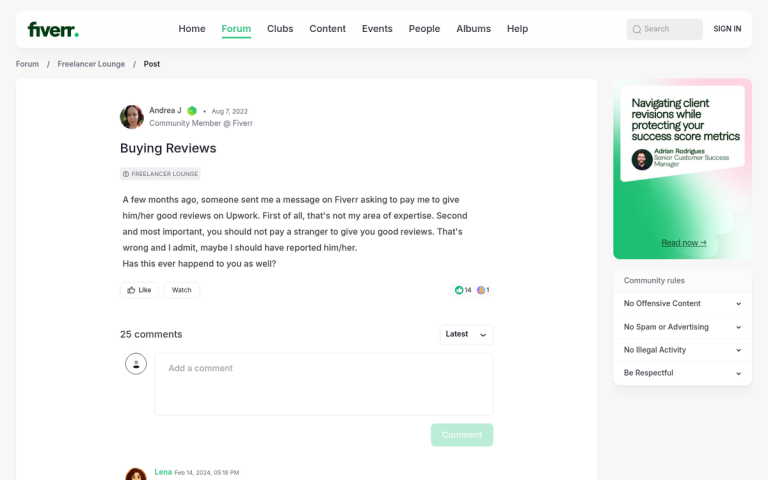
Regardless of how you get your reviews, two things matter above all else: quality and authenticity. You want as many reviews as you can get, but they must be legitimate. With Amazon removing over 200 million suspected fake reviews and independent analysis suggesting that up to 42% of Amazon reviews may be fraudulent, the platform's algorithms and shoppers themselves have become highly sensitive to anything that looks inauthentic. Buying fake reviews is not only easy to spot - it's a fast track to having your account sanctioned. Stick to legitimate, policy-compliant methods, and your review profile will be an asset rather than a liability.