





When it comes to buying web traffic, there's a lot of debate. Some people claim it's perfectly ethical, safe, and in fact virtually essential to running a good website. Others claim it's unethical and that you should earn your traffic organically. Naturally, the people in the second camp tend to have mid-range sites, while the people who buy traffic either have great sites or terrible sites. It's an interesting dichotomy - and in 2026, the landscape has gotten significantly more complicated.
Key Takeaways
- Buying traffic is not inherently unethical, but quality and intended use determine whether the practice is legitimate.
- In 2024, bots accounted for 51% of global web traffic, making purchased traffic increasingly risky and harder to validate.
- Third-party traffic networks are cheaper than Google or Meta but have significantly less quality control, requiring thorough vetting.
- Using cheap bot traffic to inflate CPM ad revenue is considered unethical, and ad networks are increasingly catching it.
- Buying traffic from providers using malicious redirects or adware carries serious reputational and algorithmic consequences in 2026.
First Party Traffic Buying
The title of this post indicates that I'll be talking about third party traffic buying, but first I have to define what isn't third party purchasing. Consider the scenario: you have your site and you have a platform running ads, like Meta or Google. First party traffic would be using Meta or Google Ads to send traffic to your site. With Google, you can both buy traffic and run ads that pay you when they're clicked. You effectively spend money to have Google send people to your site, and then do your best to shuttle them back along Google ad links so that Google gives you money.
Of course, given the costs involved, it will pretty much always cost more to bring those people in than it will pay you to send them back out. If it was easy to make a profit just by buying traffic and running Google ads, everyone would do it. That said, first party platforms like Google and Meta remain the gold standard for traffic quality in 2026, largely because of the verification systems and invalid traffic filtering they've built out over the years.
Third Party Traffic Buying
By contrast, buying traffic from a third party adds another entity to the mix. You have your site, and you have for example Google, running ads on your site. You want to get traffic, but you know that buying traffic from Google PPC is going to be too expensive to make a profit from your ads.
This is where you turn to a third party traffic source. These networks essentially act just like Google or Meta Ads, but they come from a different selection of websites and a different pool of users. They tend to be cheaper than the big names, but they also often have significantly less quality control. It's a risk you have to take, and it means you should thoroughly vet the reputation of any network you contract with before spending a cent.
The Variable Quality of Purchased Traffic - And It's Getting Worse
The biggest problem with PPC, ranging from Google and Meta all the way down to some sketchy traffic reseller on a forum, is the quality. Even Google has issues with quality; any site can set up ads through Google, even if the traffic they refer is highly disinterested. But in 2026, this problem has escalated dramatically.
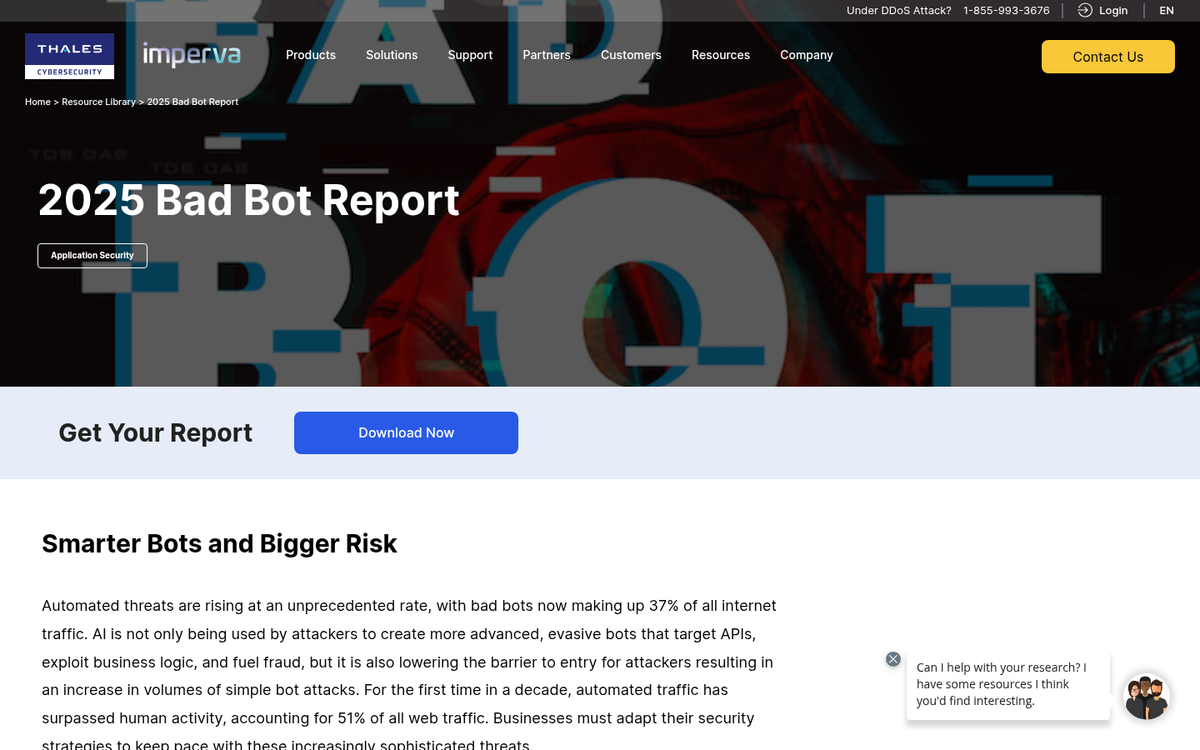
According to Imperva's 2025 Bad Bot Report, bots accounted for 51% of all global web traffic in 2024 - the first time automated traffic has outnumbered real humans in over a decade. Let that sink in. More than half of the traffic on the internet isn't human. Bad bots specifically made up 37% of all web traffic in 2024, up from 32% in 2023, marking the sixth consecutive year of growth. Meanwhile, an Akamai report from mid-2024 found that bots compose roughly 42% of overall web traffic, and a staggering 65% of those bots are malicious.
This isn't just an abstract problem. Lunio found that 8.5% of all paid traffic across major channels including Google, Meta, LinkedIn, X, and TikTok was invalid - meaning roughly 1 in every 12 paid visits you're paying for isn't a real person. That's money straight out of your pocket, even on the most reputable platforms.
At the absolute lowest end of the market, you have traffic created entirely by bots. It's not much different from sitting at your computer and hitting F5 over and over to refresh the page. It might earn you a few cents from pay-per-view ads, but ads that require clicks do nothing meaningful. Those viewers will never buy anything, ever. The only real difference between robotic views and a DDoS attack is volume and intent.
Certain industries are getting hit harder than others. The Imperva 2024 Bad Bot Report identifies the industries with the highest bad bot traffic share: Gaming (57.2%), Telecom & ISPs (49.3%), Computing & IT (45.9%), Travel (44.5%), and Community & Society (42.2%). If your site operates in any of these verticals, you need to be especially vigilant about where your traffic is coming from.
At a higher tier, you have disinterested users from outside your demographic. If you're advertising clothing for teenage girls, you don't want your visitors to be primarily middle-aged men. Or, if you're advertising something you only sell regionally, you don't want your visitors coming from halfway across the world.
The highest tier of traffic, and what Google and Meta try to focus on, are genuinely interested real users. Real people will read your content, click ads, and may even become real customers. This is the traffic worth paying for - and it's increasingly rare and valuable precisely because the bot problem has gotten so bad.
The Ethics of Traffic

So what about ethics? There's nothing illegal or inherently unethical about buying traffic - it's a matter of where that traffic comes from and what you're using it for.
You can buy traffic just to increase the number of visitors on your site. But if you're buying low quality traffic, you're largely wasting your money and potentially harming your site's reputation with ad networks. If you're buying high quality traffic, those visitors can turn into real customers, and it's a perfectly legitimate way to grow a business. It becomes unethical, however, if you're using inflated traffic statistics to misrepresent your site's value - particularly if you're looking to sell the site and not disclosing your traffic purchasing practices.
If you're buying traffic with the goal of making money from it, the ethics vary depending on your approach:
- You're running ads that pay per thousand views. To make more money from them, you buy the absolute cheapest traffic you can find, because CPM ads don't pay much and you need huge volume to turn a profit.
- You're running ads that pay for clicks. To make money, you need people who are at least vaguely interested in the topic - enough to click. You don't necessarily need buyers, just engaged referrals.
- You're running ads for your own products. To make money, you need to convert users. This means you need the highest quality traffic you can realistically afford.
In the first scenario, what you're doing is not very ethical. You're essentially trying to extract money from an ad network using fake or near-worthless traffic before they detect it and ban you. In 2026, ad networks have gotten much better at catching this, so it's also increasingly ineffective as a strategy.
In the second scenario, it depends entirely on the source of the traffic. If you're buying click farm traffic, what you're doing is unethical and will likely get your account flagged or banned. On the other hand, if you're legitimately driving interested users to advertisers, that's perfectly acceptable. Everyone expects a small percentage of bad hits to come through - it only becomes a problem when fraudulent traffic is the majority of what you're sending.
For the third scenario, you essentially can't afford to be unethical even if you wanted to be. Buying bad traffic won't get you conversions - it will just drain your budget. You need real, targeted visitors, and those necessarily come from legitimate, ethical sources.
The only other way to buy traffic unethically is to buy it from a provider that acquires it through malicious redirects, adware, or compromised websites. Given that 65% of bot traffic is classified as malicious according to Akamai's research, the risk of unknowingly buying traffic from a shady source has never been higher. You don't want your brand associated with hacked or spammy websites - and in 2026, the reputational and algorithmic consequences of doing so are very real.

1 response
Thoughtful replies only - we moderate for spam, AI slop, and off-topic rants.
Good article raising ethical questioning. One thing most 'internet marketers' lack is ethics and they will do anything they need to to make profits. This unfortunately often means you cannot trust any review you read anymore or place an add yourself online as its most likely a bot will be pumping up your impressions and wasting your money.