When you're running an eCommerce site, one of the most exciting things is discovering the right plugins and apps to supercharge your store. There are thousands of them out there - and that's after filtering out the outdated, redundant, and low-quality ones that clog up directories and app stores. I've done the legwork and found fifteen of the best, divided by ecommerce platform.
Most, but not all, of these plugins are free. Some come with licensing fees or annual subscriptions. Honestly, they're worth paying for, even if you're still trying to get your business off the ground. The features you get are hard to replicate any other way.
Key Takeaways
- The article covers 15 plugins split across WooCommerce, Shopify, and cross-platform tools suitable for most eCommerce stores.
- Most plugins are free, but paid options like MonsterInsights Pro ($199.50/year) are considered worth the investment.
- Social proof tools like TrustPulse and Yotpo can significantly boost conversions, with TrustPulse increasing rates by up to 15%.
- Cross-platform tools like Klaviyo, Gorgias, and Recharge work on both Shopify and WooCommerce, offering broad compatibility.
- Improving site search alone can drive a 50% conversion increase, yet 34% of eCommerce searches return irrelevant results.
WordPress / WooCommerce Plugins
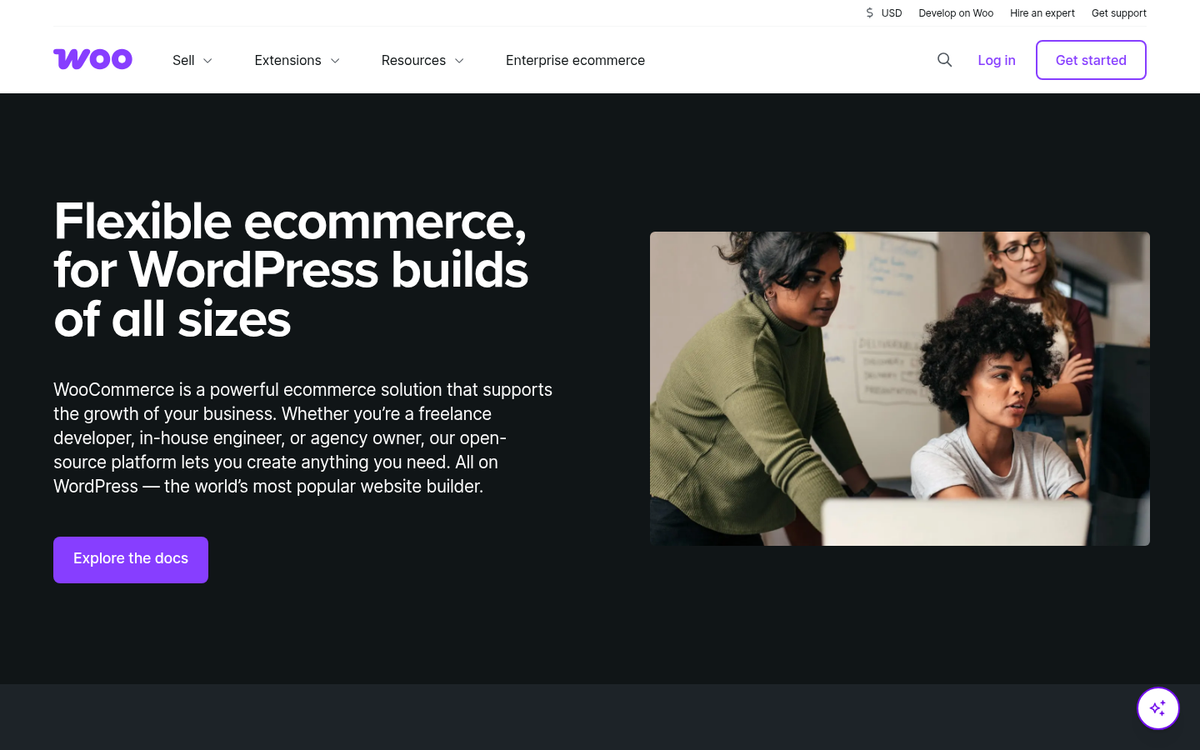
WooCommerce now powers over 28% of all online stores, making it the most dominant eCommerce platform on the web. It's built on WordPress, which means the ecosystem of plugins available to you is enormous. Here are five worth your attention in 2026.
- Easy Digital Downloads. If you're selling digital products - software, ebooks, templates, courses - this plugin is purpose-built for you. It integrates cleanly with Stripe, PayPal, and a growing list of payment processors, and it comes with features that make managing digital downloads genuinely simple. No bloat, no unnecessary features for physical goods. If you sell ebooks specifically, check out how to sell an eBook through WordPress with free plugins.
- WooCommerce. It would be a disservice not to include WooCommerce itself. It's the foundation most WordPress store owners build on, and for good reason. It handles everything from product listings to checkout, and its extension library means you can add almost any feature imaginable. The core plugin is free, and it scales well into enterprise territory.
- MonsterInsights Pro. Understanding your store data is non-negotiable in 2026. MonsterInsights connects WordPress directly to Google Analytics 4 and gives you enhanced eCommerce tracking without touching a line of code. The Pro plan runs $199.50 per year, which is a fair price for the clarity it brings to your traffic and conversion data. You may also want to set up conversion tracking with Stripe Checkout alongside it.
- Dynamic Pricing and Discounts. This plugin gives you incredible flexibility in your pricing engine. You can adjust prices on the fly, offer bulk discounts, set cart-based deals, or trigger promotions when customers add specific product combinations. If you run frequent promotions or compete in a price-sensitive market, this one pays for itself quickly.
- Zoom Magnifier. You know how on Amazon you can hover over a product image and see a zoomed-in close-up of the fine details? This plugin brings that exact functionality to your WooCommerce store. It's a small thing, but it builds product confidence and reduces hesitation at the point of purchase. For more ways to grow and promote your eCommerce store, there's plenty more to explore.
Shopify Apps
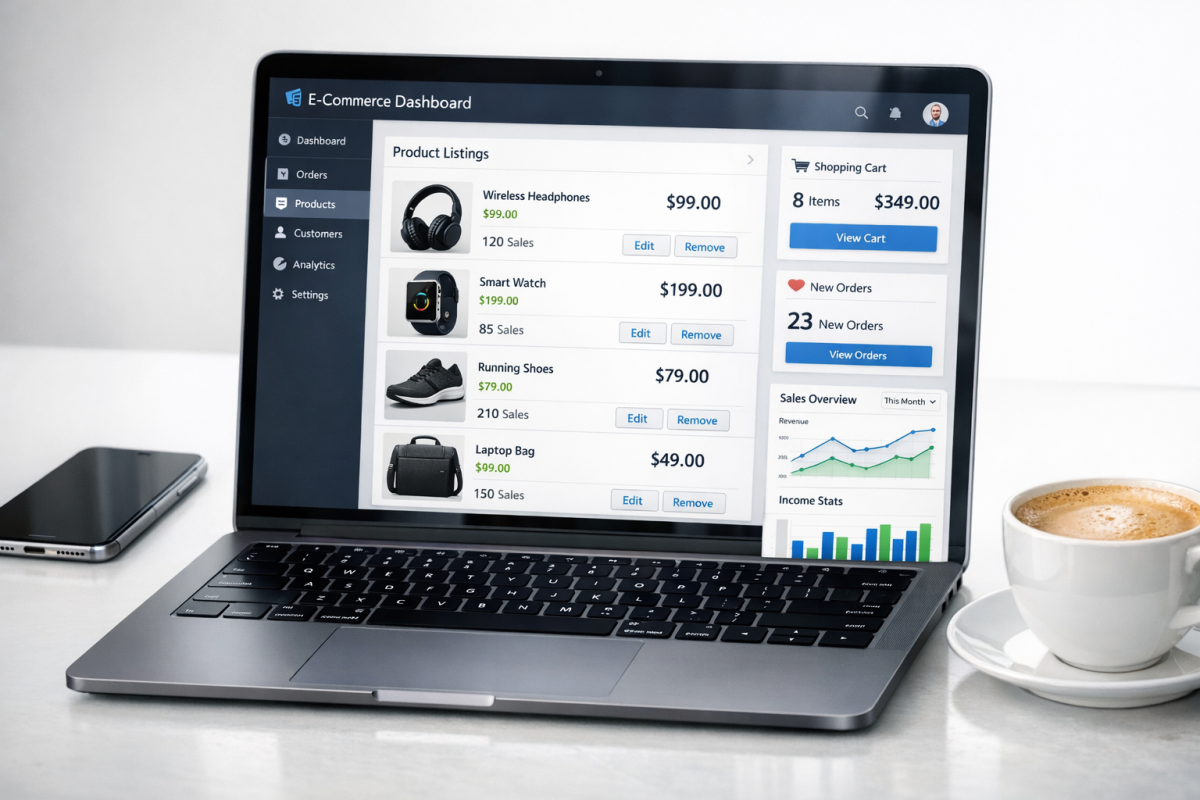
The Shopify App Store has grown dramatically - it now houses over 6,000 apps, which makes narrowing down a list genuinely difficult. These five stood out for their real-world impact on conversions, operations, and customer experience.
- Order Printer. Simple name, simple function. Shopify doesn't come with great native invoice or packing slip printing out of the box. Order Printer fills that gap cleanly and is one of those apps you install once and forget about - in a good way.
- Yotpo Product Reviews. Getting satisfied customers to actually leave a review is one of the hardest things in eCommerce. Yotpo automates the ask and makes it easy for customers to respond. The social proof it generates is legitimately valuable - reviews remain one of the top purchase-influencing factors in 2026.
- AfterShip. AfterShip is a comprehensive shipment tracking app that integrates with hundreds of carriers worldwide. It lets customers track their orders in real time from the moment a label is created to the moment it lands on their doorstep. Fewer "where's my order?" emails alone makes this worth installing.
- Search & Discovery. Here's a stat worth paying attention to: adding a proper search experience can drive a 50% increase in conversions, yet 34% of eCommerce searches fail to return relevant results. Shopify's native Search & Discovery app has improved significantly and helps fix that problem with better filtering, synonyms, and product boosts.
- TrustPulse. Social proof notifications - the small popups that show recent purchases or signups - have been shown to increase conversion rates by up to 15%. TrustPulse does this elegantly without being obnoxious about it. In a crowded market where trust is hard to earn fast, it's a smart addition to any Shopify store.
Cross-Platform Picks
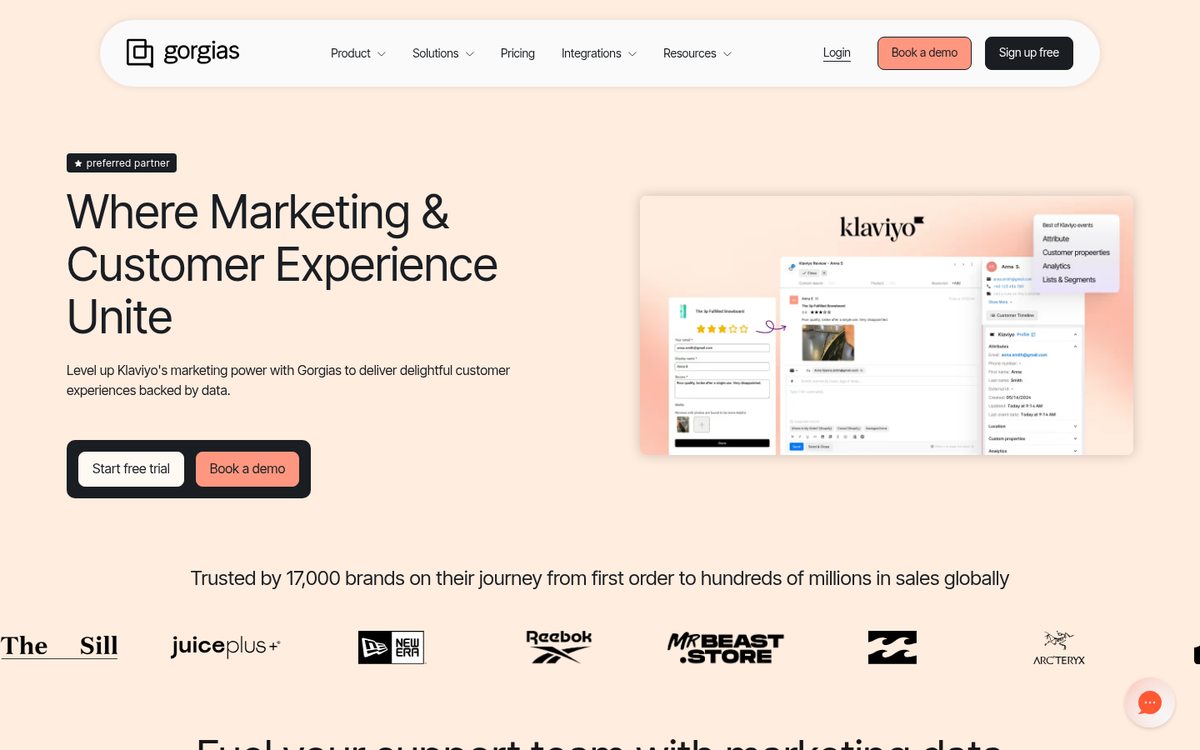
These final five tools work across multiple platforms and are worth considering regardless of which eCommerce setup you're running.
- Klaviyo. Email and SMS marketing built specifically for eCommerce. Klaviyo integrates natively with both Shopify and WooCommerce and uses your store data to power highly targeted automations - abandoned cart sequences, post-purchase flows, win-back campaigns, and more. It's become the industry standard for a reason.
- Gorgias. Customer support is the part of eCommerce that most store owners underestimate until it becomes a crisis. Gorgias is a helpdesk built for eCommerce that centralises email, chat, social media, and SMS support in one place. It also integrates with your order data so your team can resolve issues without switching tabs.
- Privy. Privy handles email capture, exit-intent popups, and on-site conversion tools. It's one of those apps that works quietly in the background turning browsers into subscribers and subscribers into buyers. The free plan is genuinely useful for smaller stores.
- Loox. Photo and video reviews add a layer of authenticity that text reviews alone can't match. Loox automates the process of collecting visual reviews from customers and displaying them attractively on your product pages. With 61% of users expecting to find what they're looking for within five seconds, a well-designed product page with real customer imagery does a lot of heavy lifting.
- Recharge. If subscriptions are any part of your business model - or if you've been thinking about adding them - Recharge is the go-to solution. It handles recurring billing, subscription management, and customer portals cleanly across both Shopify and WooCommerce. Subscription revenue is predictable revenue, and in 2026 that's worth a lot. If you're running on Shopify, it's also worth exploring how to fully automate your Shopify store to make the most of tools like this.