When you're doing eCommerce, you want the best CMS you can get. One that has all the features you need, all the functionality you've come to expect, and all of the support that makes things happen when the worst comes to pass.
All of that is just flowery language for "something that works, works well, and doesn't break." CMS platforms, specifically those designed with eCommerce in mind, have certain sets of features. Some of them are hosted solutions, some of them have deep customization, some of them include a bunch of analytics beyond what you might get from installing your own Google Analytics, and so on.
Which one is best for you? I can't tell you. If there was one "best" CMS out there, all the competition would be out of business. Different platforms work better for different businesses. What works for a small tech business might not work for an affiliate retailer. What works for that retailer won't work for a larger company. With that in mind, and with roughly 897 CMSs to choose from, here are a few of the best CMS platforms available for eCommerce today.
Key Takeaways
- No single "best" eCommerce CMS exists; the right choice depends on your business size, technical capacity, and specific needs.
- WooCommerce leads with 36.7% market share, offering flexibility and low cost but requiring hands-on technical management.
- Shopify excels in ease of use and fast setup, making it ideal for small to mid-sized businesses avoiding infrastructure management.
- Magento suits large enterprises needing deep customization, but costs and complexity make it impractical for smaller businesses.
- BigCommerce and PrestaShop fill mid-market and international niches respectively, offering strong built-in features without heavy third-party reliance.
WooCommerce

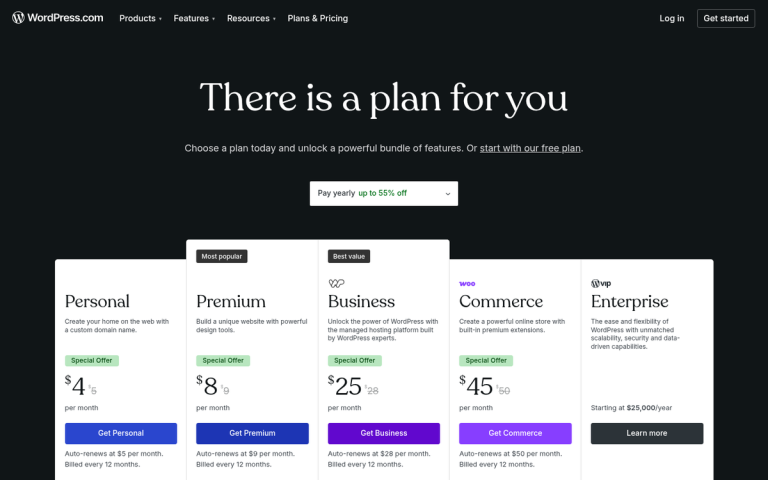
WooCommerce is the undisputed leader in eCommerce CMS platforms, holding a commanding 36.7% share of the eCommerce platform market and a 12.4% overall CMS market share. If you're already running WordPress - which powers the majority of the web - WooCommerce is the natural extension that turns your site into a fully functional online store.
It's a self-hosted, open-source solution, meaning you control your own hosting, security, and data. That comes with added responsibility, but also enormous flexibility. You can customize virtually everything, from checkout flows to product pages, using thousands of free and premium plugins and themes.
WooCommerce handles inventory management, order tracking, shipping integrations, and payment gateways out of the box. It connects seamlessly with Google Analytics, and a wide ecosystem of third-party tools means you can build just about any store configuration you need. The trade-off is that it requires more hands-on management than a fully hosted solution, so it tends to suit businesses with some technical capacity on staff.
Pricing is flexible. The core plugin is free, but costs scale as you add premium extensions, themes, and hosting. For businesses that want control without the enterprise price tag, it's hard to beat.
Shopify
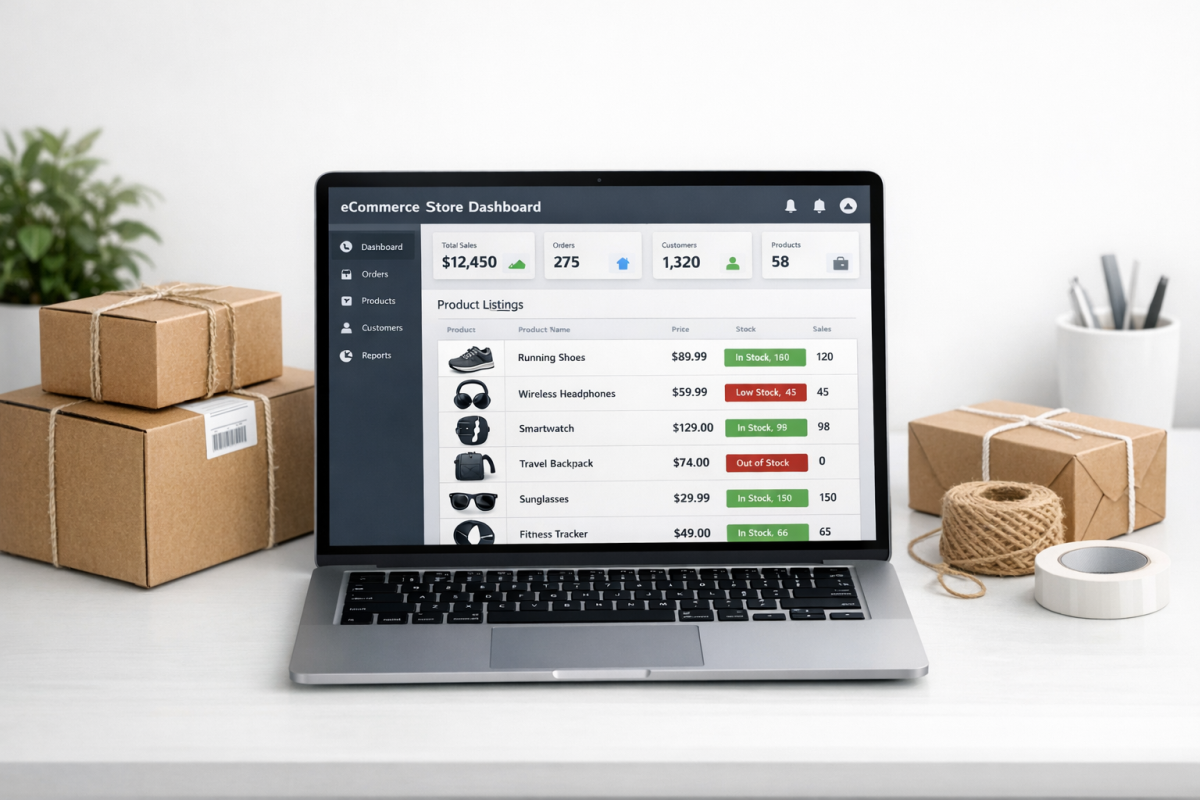
Shopify remains one of the most popular eCommerce platforms on the market, powering nearly 20% of all eCommerce websites and holding around 29% of the eCommerce CMS market. Its overall CMS market share has more than doubled since 2020, climbing from 3.4% to over 7%, and the company posted 24% year-over-year revenue growth at the end of 2024 - a sign that it's still gaining ground fast.
It's a completely hosted platform, meaning you don't have to worry about or pay for hosting, security, and all of the rest. That makes it particularly appealing for small to mid-sized businesses that want to launch quickly without managing infrastructure.
There are hundreds of themes to dig through, free and paid, to customize the look and feel of your shop. If you're a bit tech savvy, or you have a coder on staff, you can go deeper with customization. Shopify also includes blogging functionality if you don't have a separate site for content.
Shopify handles inventory tracking, sales reporting, and links with Google Analytics for customer and referral data. The shopping cart is fully secured, and it's built with SEO in mind - letting you customize meta data for product pages and more. It also supports point-of-sale systems for in-store selling.
Pricing is tiered based on the scale of your store. There's a free trial to get started, followed by monthly plans that vary in features, transaction fees, and credit card processing rates.
Magento (Adobe Commerce)

Magento - now officially rebranded as Adobe Commerce - is still a major player for large-scale enterprise eCommerce. It's a self-hosted, open-source platform at its core, giving developers deep access to customize virtually every aspect of a store. That power comes with complexity, and it's best suited for large businesses with dedicated development resources and thousands of SKUs to manage.
The free, open-source Community edition (now called Magento Open Source) is still available and still highly customizable. The enterprise tier, Adobe Commerce, is a premium cloud-hosted product aimed at global brands and mid-to-large enterprises. Pricing for Adobe Commerce is custom and quote-based, but it remains one of the more expensive options in the market - expect costs well into the five figures annually depending on your needs.
If you're a smaller business, Magento Open Source can work, but the learning curve and maintenance overhead make it a tough sell when platforms like WooCommerce and Shopify offer more accessible entry points.
BigCommerce
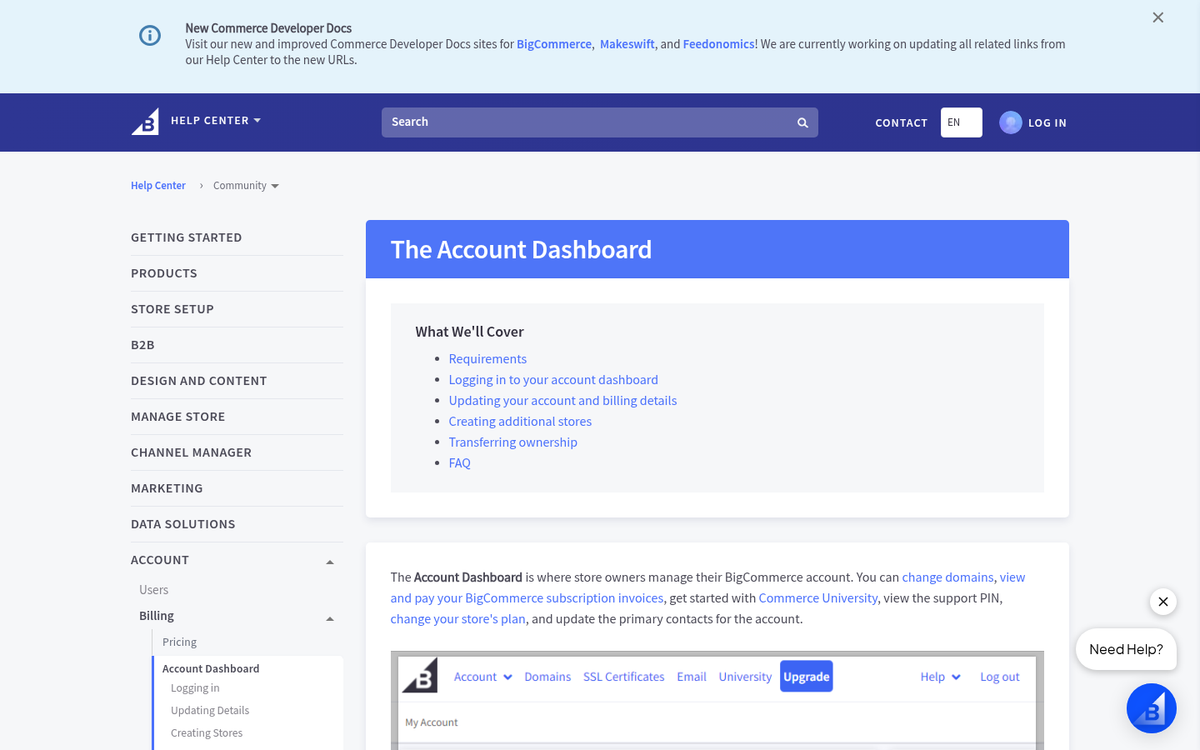
BigCommerce has quietly become one of the stronger mid-market and enterprise eCommerce options, growing its annual revenue from around $152 million in 2020 to roughly $310 million by 2023. It sits between Shopify and Magento in terms of complexity - fully hosted like Shopify, but with more built-in features that larger stores typically need without relying on third-party apps.
BigCommerce supports multi-channel selling across Amazon, eBay, Facebook, Instagram, and more, all from a single dashboard. It offers robust SEO tools, flexible APIs for custom integrations, and no transaction fees on any plan. It also handles complex catalog structures well, making it a solid choice for businesses with large or varied product lines. If you're looking to get the most out of the platform, check out these BigCommerce plugins that will improve your sales.
Pricing is tiered and based on your annual online sales volume, which means costs scale with your growth. There's a free trial available before committing to a plan.
PrestaShop
PrestaShop remains a solid self-hosted, open-source option, particularly popular in European markets. The core platform is free, and it includes templates, a customizable shopping cart, mobile support, and international language and currency support - making it a genuinely strong choice for stores with a global customer base.
A cloud-hosted version is also available for those who want to skip the technical setup and get a store running quickly. You trade some customization depth for convenience, but for many smaller operations, that's a worthwhile exchange.
The community around PrestaShop is one of its strongest assets. Forums, documentation, and training programs support users from first-timers to experienced developers, which matters a lot when you're running a free platform without a dedicated support line.
In the end, picking the right eCommerce CMS comes down to what your business actually needs. WooCommerce wins on raw market share and flexibility. Shopify wins on ease of use and growth trajectory. BigCommerce suits scaling mid-market stores. Magento and PrestaShop serve those who want deep customization and don't mind the technical overhead. Figure out which aligns with your priorities, take advantage of free trials where available, and go from there.