"People influence people." Mark Zuckerberg built his entire empire around this idea, and it remains just as true in 2026 as it ever was. Nothing influences a purchasing decision quite like a recommendation from someone who has actually used the product - whether that's a friend, a verified buyer, or even a stranger on a review platform.
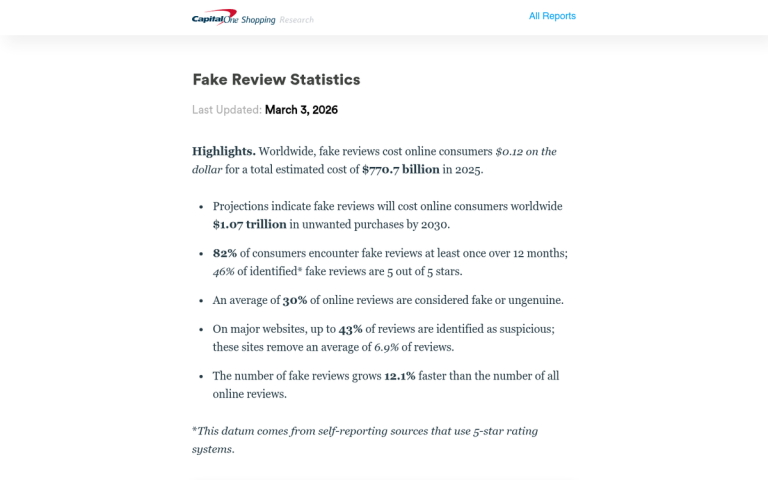
That, in a nutshell, is what testimonial and review marketing is all about. Testimonials and reviews - slightly different, but I'll use the terms interchangeably throughout this piece - are a form of social proof. They're extremely powerful on landing pages and product pages, helping people feel confident enough to pull the trigger on a purchase. In fact, according to Spiegel Research Center, just 5 reviews increases the likelihood of a purchase by 270%. One single review can improve conversion rates by more than 10%. Thirty reviews bumps that to 25%+. The numbers speak for themselves.
Key Takeaways
- Just 5 reviews increases purchase likelihood by 270%; 100+ reviews can improve conversion rates by 37% or more.
- Follow-up emails are highly effective - up to 80% of reviews originate from post-purchase email prompts asking customers to review.
- Offering incentives like discounts or sweepstakes entries encourages reviews, but rewards must not be conditional on positive ratings.
- Monitoring social mentions helps capture untagged praise, letting you invite satisfied customers to leave formal reviews elsewhere.
- Strong reviews can be repurposed into testimonials by reaching out to enthusiastic customers, especially those with name recognition.
First: The Difference Between Testimonials and Reviews
Testimonials are essentially curated, highly positive endorsements. They tend to come from recognizable names - industry figures, well-known clients, or respected voices in your niche. For example, a SaaS company with both individual users and enterprise clients will typically spotlight testimonials from their most recognizable accounts. A good landing page will feature a small handful of potent testimonials prominently displayed, chosen for their credibility and persuasive power.
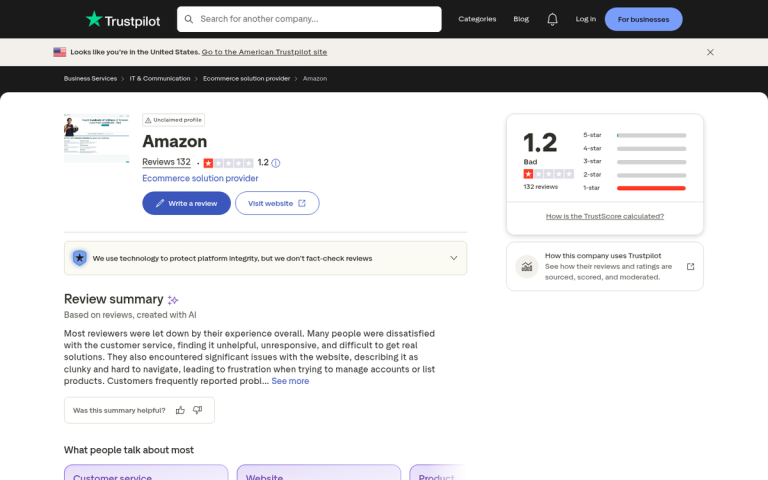
Reviews, meanwhile, live on product pages, Google Business profiles, third-party platforms, or a dedicated reviews section. They should be both good and bad - don't censor the negative ones. That will be discovered, and the reputational damage isn't worth it. What you want is to solicit enough reviews from satisfied customers that your overall rating stays strong and your review count grows.
There are ways to minimize negative reviews that don't involve censorship. One of the best is simply reaching out to customers who leave them and genuinely working to resolve their issues. Great customer service is your best reputation management tool. For businesses that have accumulated significant negative reviews across the web, professional reputation management services are worth exploring.
Obviously, if you're going to use reviews as part of your marketing, volume matters. According to Bazaarvoice, 100+ reviews can improve conversion rates by 37% or more. Womply found that businesses with more than 25 reviews earn 108% more revenue than average. Shoppers are savvy - they look for products that are both well-rated and well-reviewed in meaningful numbers. A single glowing review rarely moves the needle on its own.
That's exactly why I put together this post. Below are proven techniques to solicit and accumulate reviews, preferably positive ones, for your product, service, or business as a whole. If you don't sell a specific product and people review your business generally, even better - you have more platforms to work with, including Google, Facebook, Yelp, and industry-specific directories.
1. Offer Review Incentives
Just like contests and giveaways help grow social media followings, incentives are highly effective at generating reviews. Set up an ongoing reward for people who leave reviews and watch them come in. Some customers will even make additional purchases just to participate again.
There are two approaches worth considering. The first is a sweepstakes model, common among restaurants and retail chains. Printed at the bottom of a receipt is a code that unlocks entry into a prize drawing. You can replicate this easily - ask users to leave a review through your platform, submit the code from their purchase receipt to confirm the transaction, and enter them for a prize. Gift cards ranging from $20 to $1,000 are common, with the higher end reserved for larger brands with bigger margins.
The second method is to offer a smaller reward to everyone who reviews. A 5-10% discount on their next purchase is a popular option. You can offset the cost slightly by adjusting your pricing, and the added loyalty often more than pays for itself. Customers who receive a discount for reviewing are also likely to return and purchase again.
One important note: platforms like Amazon and Google prohibit incentivized reviews that are contingent on a positive rating. Make sure any incentive you offer is for leaving a review - not specifically a positive one - and that you're complying with the terms of service of any platform involved. If you sell on Amazon, it's worth reading up on ways to get more reviews on your Amazon products to ensure your approach stays within their guidelines.
2. Monitor Social Mentions
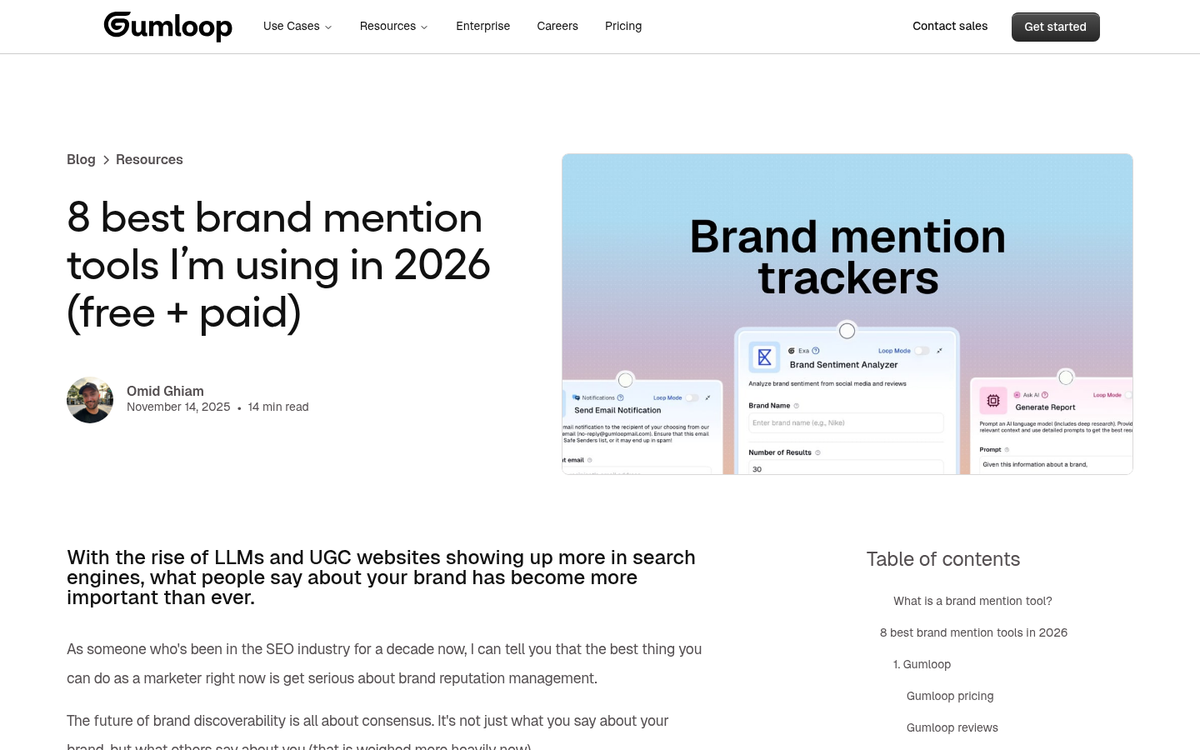
You can use a variety of monitoring tools - or something as simple as Google Alerts - to track when your brand is mentioned without a direct tag. This catches conversations you might otherwise miss entirely, like someone posting about your product on Instagram without tagging your account, or discussing it in a Reddit thread.
Some of these mentions will be pre-purchase curiosity. Others will be genuine post-purchase reactions - exactly what you're looking for. When you spot those, reach out and invite them to leave a more formal review on your site or platform of choice. Keep it simple: "Hey, thanks for trying us out! We're glad you're enjoying it - would you mind leaving a quick review here?"
This also gives you a chance to manage your reputation without censoring it. When you spot a negative untagged mention, don't ask that person for a review - reach out to help them solve their problem. Turning a frustrated customer into a satisfied one is not only the right thing to do, it occasionally results in them updating their negative post to something far more favorable.
Just make sure you're cross-referencing with your website tracking tools to avoid asking someone to review who has already done so.
3. Send Follow-Up Emails
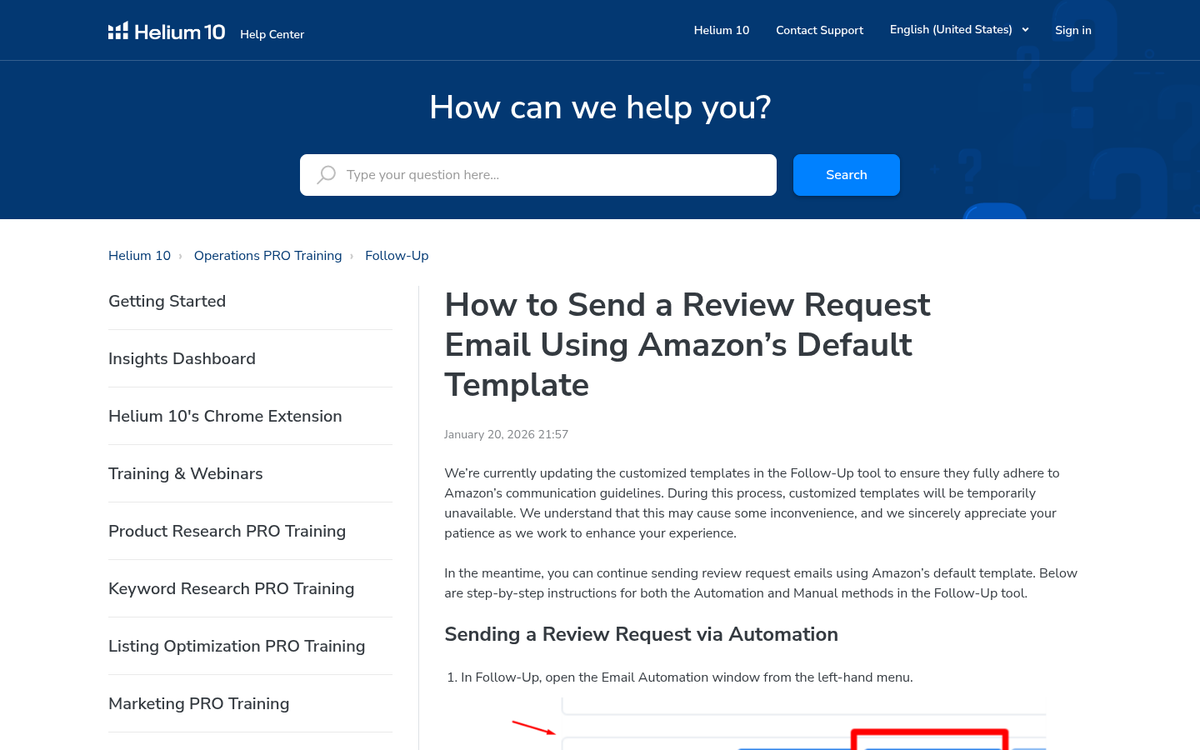
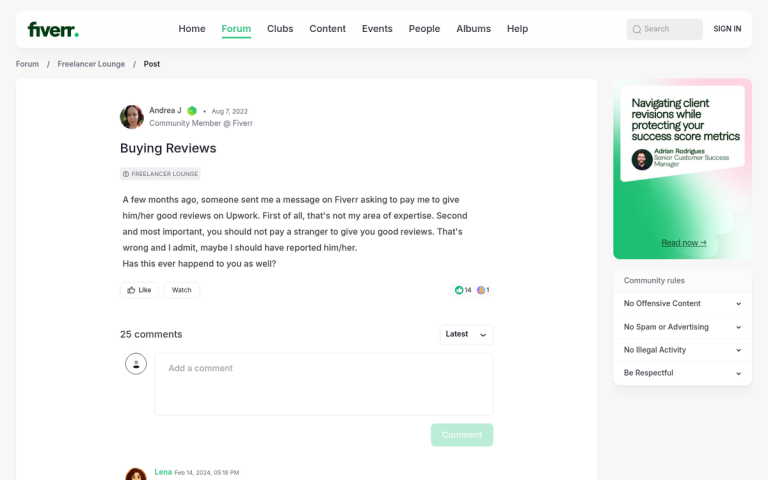
This remains one of the highest-leverage tactics available. Research suggests that up to 80% of reviews originate from follow-up emails prompting customers to review their purchases. And BrightLocal found that 68% of consumers have left a review for a local business after simply being asked. Most people are willing - they just need a nudge.
Most online purchases involve an email address, which gives you a natural channel to follow up through. The timing matters. Wait long enough that the customer has had a genuine experience with the product, but not so long that the excitement has faded. For physical products, one to two weeks post-delivery is a reasonable window. For software or services, you might wait longer - until a user has reached a meaningful milestone.
The goal is to catch users when they're satisfied and the experience is still fresh. A good follow-up email does more than just ask for a review - it serves multiple purposes at once. Check in to make sure they're happy, offer a customer service contact if they have issues, and then invite them to share their experience. One message, multiple functions.
Yotpo has studied the subject lines of millions of post-purchase review request emails to identify what actually drives opens and clicks. It's worth researching their findings if you're refining your email approach, as even small changes to subject line copy can significantly affect completion rates. If you sell on Amazon, you may also find it useful to explore ways to solicit Amazon customers for 5-star reviews using a similar follow-up strategy.
4. Include Solicitation in Point of Sale
Not every business closes deals through an online checkout. Service businesses, contractors, consultants, and local businesses often close with a handshake, a contract, or a face-to-face exchange - and collecting an email address isn't always a natural part of that process.
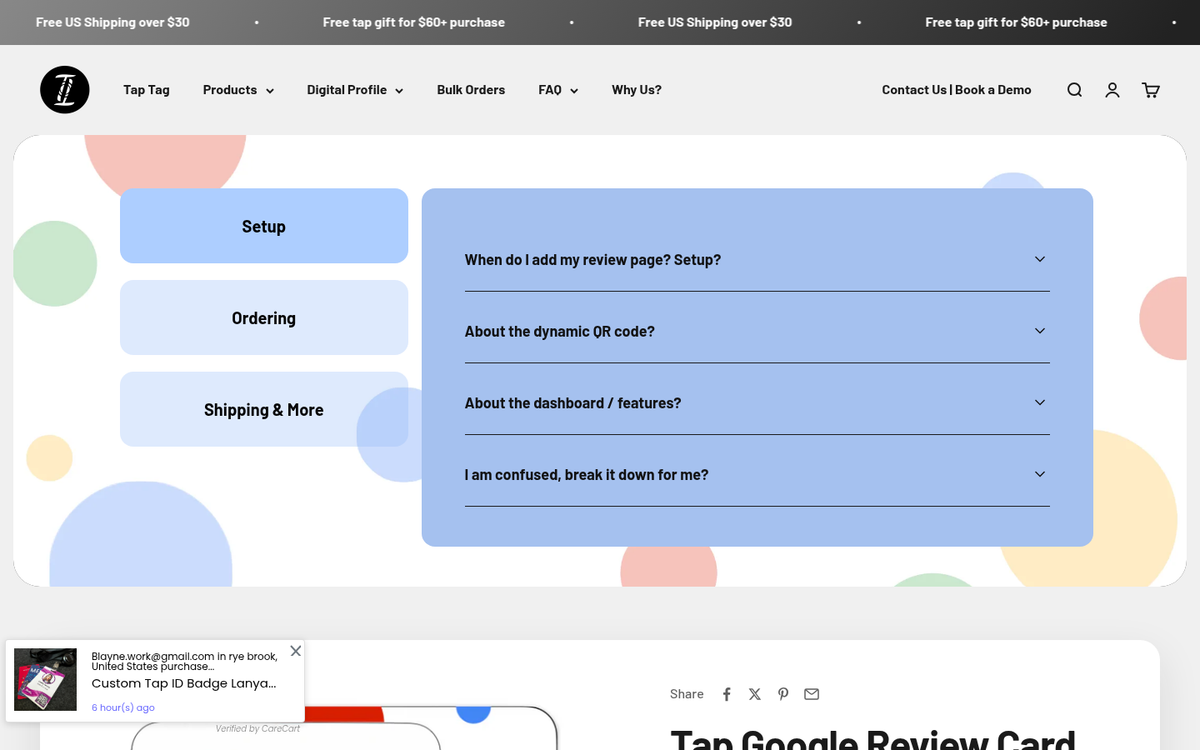
In these cases, build the review solicitation directly into your point-of-sale materials. A simple card or printed insert with a URL, a QR code, and a one-line ask is often all it takes. It doesn't need to be elaborate - just clear and easy to act on.
As a bonus, you can combine this with an incentive from tip one. Include a coupon for their next purchase or service that must be activated online, and gate that activation behind a review submission. People who are actively claiming a reward tend to be in a more positive mindset, which naturally skews toward favorable reviews. If you run an online store, must-have plugins to increase ecommerce sales can help streamline this kind of post-purchase flow.
Research from CustomerLobby has shown that reviews solicited at or near the time of service can achieve completion rates as high as 80-90% - far above average - because the experience is fresh and the motivation is immediate. To keep momentum going after a sale, it also helps to have a plan for what to do next after you launch a new website or product offering.
5. Provide Review Cards at Time of Service

For service businesses - cleaning companies, auto detailers, landscapers, repair services - the relationship is often personal, and so the review request should be too. Handing a customer a card at the moment your team delivers the finished work is timely, personal, and highly effective.
Train your service staff to leave a small, professionally printed review card at the point of delivery. Leave it in the car that was just detailed, include it in the completion paperwork, or hand it directly to the customer when the job is done.
That card should make it as easy as possible to leave a review. Include a short URL for desktop users, a QR code for mobile users, and if your audience skews older, consider including a phone-based option for older audiences as well. Multiple paths to the same destination means fewer people hit a dead end.
6. Run a Beta Test
Any time you're developing a new product - software, an app, or a physical product - consider opening it up to beta testers before the official launch. Beta participants self-select; they're typically enthusiastic, forgiving of early-stage issues, and genuinely invested in seeing the product succeed.
At the end of your beta period, ask participants to share their experiences. These can serve as early reviews on your product page (flagged as beta feedback, if relevant) and give you a base of social proof before you've made a single official sale.
More importantly, beta testing gives you detailed insight into how real users interact with your product, what they actually want from it, and where the friction points are. Fixing those issues before launch means your post-launch reviews are far more likely to be positive - and a great product is ultimately the best review strategy there is.
7. Offer Many Social Review Methods
There are more places than ever for customers to leave reviews - Google, Facebook, Trustpilot, Yelp, industry-specific platforms, Reddit, and beyond. Trying to direct every customer to every platform will overwhelm them and result in nothing.
The smarter move is to claim and optimize your profiles on each platform, then strategically route different customers to different places depending on where you most need review volume. If your Google Business profile is lagging behind your Yelp page, send the next wave of review requests toward Google. If you're trying to build credibility on a niche industry platform, focus there for a while.
Almost every major review platform will add your business automatically once it hits a certain level of activity - but the auto-populated profile will often be incomplete or inaccurate. Claiming your profile on each platform lets you control the information, keep it current, and present a consistent brand image across the web. That consistency builds trust - and trust converts.
Note that Google+ no longer exists (it was shut down years ago), but Google Reviews through your Google Business Profile are now one of the most important review channels available to any business. If you're also looking to generate free traffic through Facebook, maintaining an active and well-reviewed presence there can work hand in hand with your broader review strategy.
8. Turn Reviews Into Testimonials
Occasionally, a customer will leave a review so well-written and genuinely enthusiastic that it deserves a bigger stage. When that happens, reach out and ask if they'd be willing to expand it into a formal testimonial you can use in your marketing. Most people are flattered to be asked, and the resulting content is far more authentic than anything you could write yourself.
The best candidates are reviewers who happen to have some name recognition - a well-known blogger, a recognizable brand, or an industry figure. A testimonial carries more weight when the person behind it is known and credible. Reach out through the email you have on file or through their business contact, and make the ask simple and low-pressure.
This also works when strong reviews appear on third-party platforms. Leave a comment thanking them, then follow up privately to ask if they'd be willing to leave a review on your site as well - or to provide a quote you can use with attribution. Free tools for blogger outreach can make it easier to find and contact the right people at scale.
9. Promote Blog Praise

Bloggers, content creators, and industry writers are often early adopters of tools and services that make their work easier or more effective. When they write positively about your product, that's genuinely valuable - both as a source of traffic and as a source of credibility.
Use Google Alerts and social monitoring to catch these mentions when they happen. When someone publishes a favorable write-up, drop a genuine comment thanking them. With their permission, pull a strong quote and use it as a testimonial on your site. You can also follow up to invite them to leave a review directly on your platform - just verify they haven't already done so.
In 2026, this extends beyond traditional blogs. Creators on YouTube, podcasters, newsletter writers, and niche community moderators all carry significant influence with their audiences. A shoutout in the right newsletter or a mention in a respected industry podcast can carry as much weight as a formal review - and often drives a wave of new ones. mention in a respected industry podcast can carry as much weight as a formal review - and often drives a wave of new ones.