Key Takeaways
- Test every change to your opt-in forms, CTAs, and landing pages - what works for one audience may fail for another.
- Minimize friction by reducing form fields, distractions, and competing CTAs, especially on key conversion pages.
- Social proof - testimonials, subscriber counts, and recognizable brand logos - reliably boosts signup conversions.
- Lead magnets, referral programs, and contests remain effective, but must offer genuine value to attract the right subscribers.
- Transparency about data handling and email frequency builds trust, which is critical given today's heightened privacy awareness.
Your email capture form is the first step in a long process leading from new reader to satisfied customer. The more people you can get reading your newsletter, the more people you have to market to, and the more people you can get to buy your product. Fortunately, there's a lot you can do to increase signups - and in 2026, the playbook has evolved significantly.
Not all of these will work for you. In fact, many of them won't. They're just ideas to get you started, and they're changes you can test. Testing is the key to any change you make, no matter how large or small. Don't go all in on an untested change, unless you like gambling with your conversion rate at stake.
Designing a Compelling CTA and Opt-in Form
Minimize distractions from your call to action. Consider that every link that leads away from your landing page is a potential lost conversion. This is why some websites go absolutely minimal on their landing pages and home pages; it boosts focus on the opt-in and sign up process.
Increase contrast to make your CTA stand out. It might be images or font colors, it might be graphics, it might be a short video; in any case, you want your call to action to stand out from the rest of the page so people know where to click and what to do.
Test different positions, colors and phrasing for your CTA. Does your landing page work better with your CTA to the left or the right? Should it be at the top of the page or the bottom? Should it be red, green, blue, or another color? Test all these variations to find out what works best for your specific audience.
Use more personal language for your CTA. It's surprising how much changing one simple word in your call to action can affect your conversion rates. First-person phrasing like "Send me the guide" still consistently outperforms generic "Submit" buttons. You can even try a little reverse psychology and tell people not to click if they're happy with the status quo.
Minimize the number of fields in your opt-in form. Users prefer to put as little information in as possible - preferably just an email address. The less you ask for, the less data you collect, but the more often you'll get it. In 2026, with privacy awareness at an all-time high, this matters more than ever. Tools like a dedicated landing page builder can help you optimize this balance.
Use a two-step opt-in form. Rather than showing the full form upfront, prompt users with a button click first. Once they've clicked and started the process, most people follow through. It's a small commitment that leads to a bigger one. If you're driving paid traffic to these forms, getting this flow right becomes even more critical.
Opt-in Placement, Timing, and Pop-up Strategy
Make your opt-in form visible anywhere on your landing page. This is primarily for pages with a lot of detail that require scrolling. Use a sticky opt-in that follows the user as they scroll, or place buttons and links at regular intervals so the CTA is never far away.
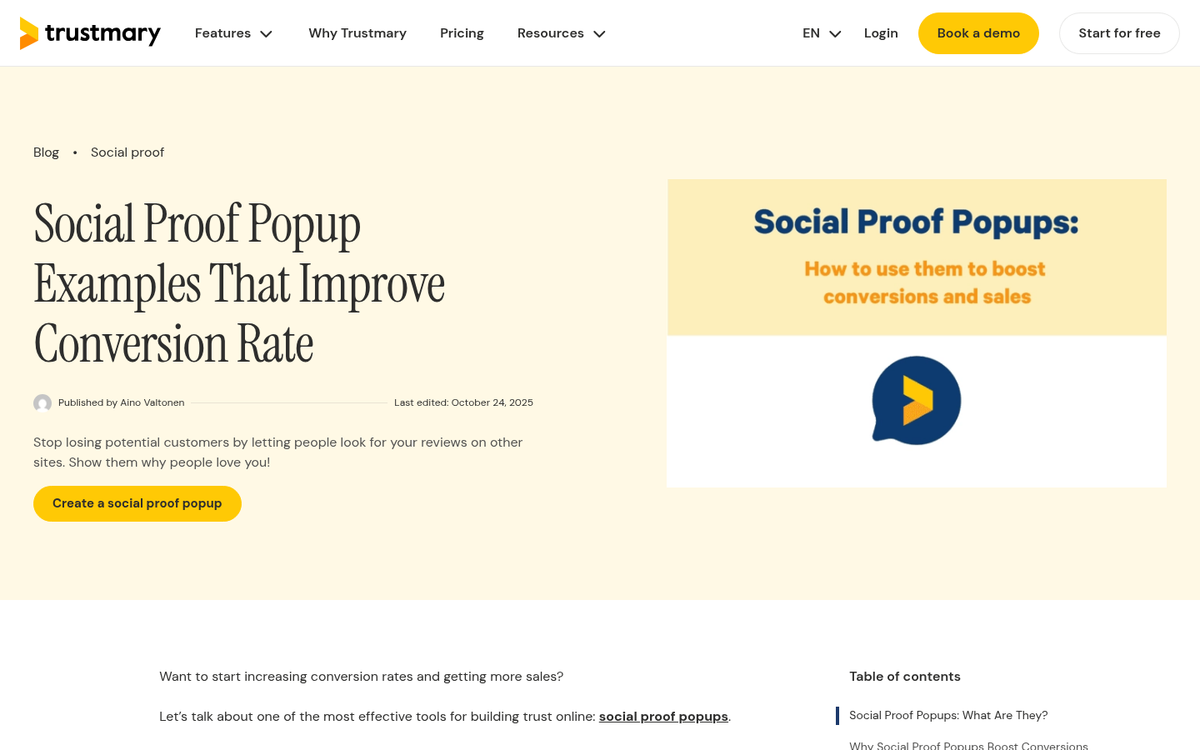
Collect first-party data intentionally and transparently. With third-party cookies largely phased out and privacy regulations like GDPR and CCPA firmly established, the days of quietly harvesting user data through hidden tracking are effectively over - and not worth the legal risk. Instead, ask users to self-report preferences during opt-in. A simple "What topics interest you most?" dropdown goes a long way for segmentation and builds trust at the same time.
Be transparent about how you handle subscriber data. A short, clear line like "No spam. Unsubscribe anytime. We never sell your data." does more than you'd think. In an era where data breaches make headlines regularly, users are more skeptical than ever. Earn their trust upfront by reviewing our privacy policy approach.
Building Trust Through Social Proof and Guarantees
Offer a product satisfaction guarantee. A satisfaction guarantee - whether a free trial or a money-back offer - helps users feel confident giving your product a try. Knowing there's no risk if they don't love it removes one of the biggest conversion barriers.
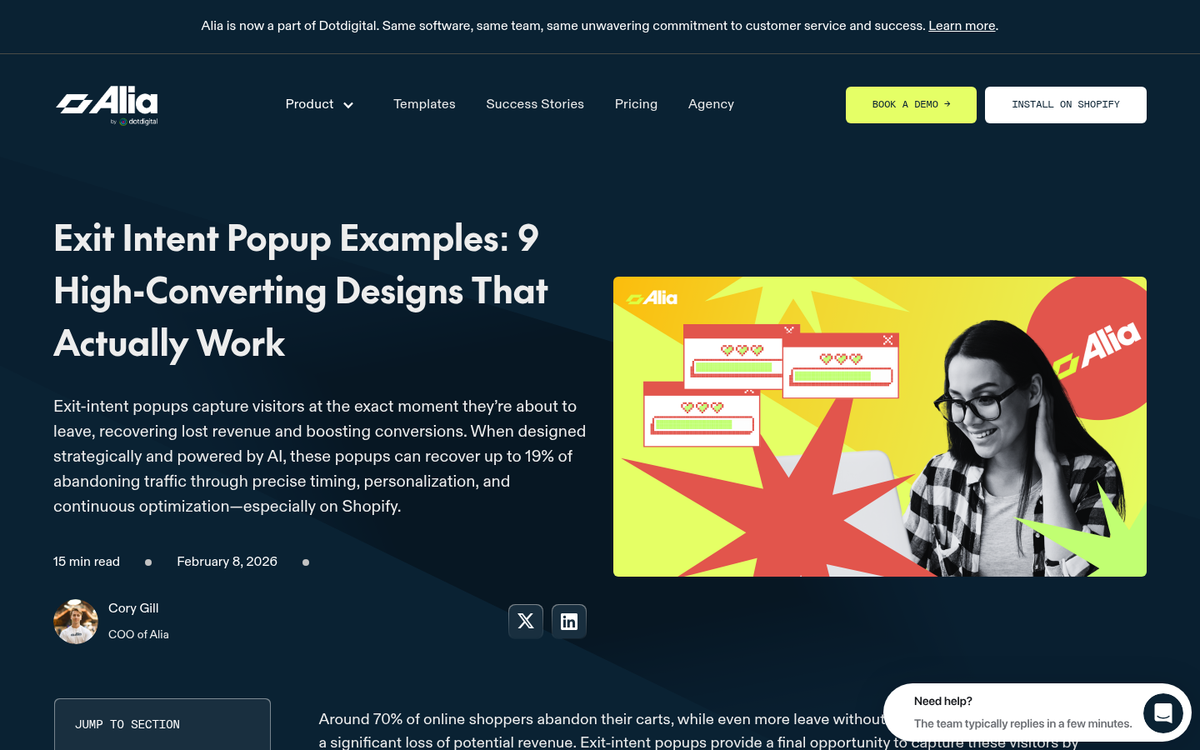
Use user testimonials for social proof. Social proof remains one of the most reliable conversion levers available. Written testimonials work, but short video testimonials are even more compelling in 2026. If you can get a recognizable voice in your industry to praise your newsletter or product, even better.
Use company logos of trusted brand clients for social proof. If you work on a B2B model, featuring the logos of well-known businesses you've worked with lends immediate credibility. If it's good enough for them, it must be worth checking out.
Capturing Leads with Pop-ups, Exit Intent, and Incentives
Use an exit intent script to capture bounce leads. Exit intent popups are triggered only when a user is about to leave, so you're not interrupting their experience mid-content. They remain one of the more effective last-chance conversion tools when the offer is compelling enough.
Use a scroll-triggered notification for your CTA. Many sites use a small slide-in widget that appears only after a user has scrolled a meaningful portion of the page - signaling genuine interest. These are far less disruptive than full-page takeovers and tend to convert well because the timing is better.
Offer a free lead magnet as an incentive. The classic ebook-for-email trade still works, but the bar has risen. In 2026, users expect lead magnets to be genuinely useful - think templates, tools, checklists, mini-courses, or exclusive data reports. A low-effort PDF won't cut it anymore.
Use interactive quizzes and assessments as high-converting lead magnets. The static PDF ebook has been losing ground for years, and in 2026 it's largely been replaced by interactive quizzes. Tools like ScoreApp, Interact, and Typeform let you build "what kind of X are you" or "grade my Y" assessments that people genuinely want to complete - and delivering the personalized results by email captures the opt-in naturally. Conversion rates on quiz-gated opt-ins routinely beat traditional lead magnets by 2-3x because the user has already invested time in the outcome. As a bonus, the answers double as segmentation data, letting you tag subscribers based on how they responded.
Create a referral program with achievements or status rewards. Gamified referral programs give your most enthusiastic subscribers a reason to recruit. Badges, leaderboards, and public recognition can motivate sharing even without a monetary reward attached.

Create a referral program with earnable rewards. A traditional referral program with tangible rewards - free subscription time, account credits, exclusive products - gives subscribers a concrete reason to spread the word. Tools like SparkLoop make it easy to run newsletter referral programs with very little setup.
Use time-sensitive offers for returning non-converting visitors. Use cookie-based targeting to identify visitors who've been to your site multiple times without opting in, then show them a limited-time offer. A small push at the right moment can be the nudge they needed.
Use a modal window for your opt-in form. Lightbox-style modals keep users on the page while presenting the opt-in form. When timed well - not firing the instant someone lands - they can significantly improve conversion rates. Be aware that ad popups and modal windows can affect SEO if implemented poorly, so balance conversion goals with user experience.
Optimize your opt-in experience for mobile first. With mobile traffic now dominant for most sites, a form that converts beautifully on desktop can be a thumb-crushing disaster on a phone. Use large tap targets (44px minimum), set the correct keyboard type on each input (email keyboard for email fields, numeric pad for phone), and avoid full-screen interstitials that trigger Google's mobile intrusive interstitial penalty. Test on actual devices, not just Chrome's mobile emulator - the real world catches issues that DevTools misses, especially around popup timing and scroll behavior on iOS Safari. If you manage your site on the go, it helps to know how to run your WordPress blog from your phone.
Integrate opt-ins with blog commenting. If your blog still uses traditional comment systems, you can include an opt-in checkbox alongside the comment form. Just make sure it's opt-in rather than pre-checked by default - pre-checked boxes are now non-compliant under GDPR and similar regulations in many regions. It's also worth reviewing whether the default WordPress comment system is best for SEO before committing to a setup.
Nurturing Subscribers After the Opt-in
Send a thoughtful welcome email sequence to new signups. Your welcome series is your most-read email campaign - open rates on welcome emails can be three to four times higher than standard broadcasts. Front-load value, set expectations, and give subscribers a reason to look forward to your future emails.
Follow up an opt-in with immediate value. Don't make users wait. Whether it's an instant download, a coupon code, or access to a private resource, reward the opt-in immediately. If you can deliver it on the confirmation page rather than making them dig through their inbox, even better.
Make your value proposition crystal clear. Visitors need to know within seconds what they're getting by signing up - both immediately and over time. Vague promises like "stay in the loop" won't cut it. Be specific about the benefit they're getting.
Use native lead generation ads on social platforms. Meta Lead Ads, LinkedIn Lead Gen Forms, and similar native ad formats let users opt in without ever leaving the platform - dramatically reducing friction. In 2026, these are among the most cost-effective paid methods for growing an email list, and they integrate directly with most major email platforms.
Use your subscriber count as social proof once it's substantial. "Join 150,000+ readers" is a compelling line - but only if the number is actually impressive. Don't advertise a list of 400 people. Wait until you have a number worth bragging about, then make it visible.
Run a contest and require an opt-in to enter. Giveaways remain an effective list-building tactic. The key in 2026 is making sure the prize is relevant to your niche - a generic iPad giveaway attracts freebie hunters, not your ideal subscribers. Offer something your actual audience genuinely wants.
Use viral contest tools that reward multiple actions. Platforms like KingSumo, Gleam, or Vyper let entrants earn additional contest entries for actions like sharing on social media, following accounts, or subscribing to a newsletter. They're still effective for cross-channel growth when the prize is worth competing for.

Host exclusive giveaways or content for subscribers only. Rewarding existing subscribers with surprise exclusives - early access, subscriber-only discounts, or bonus content - reinforces the value of staying subscribed and encourages word-of-mouth growth.
Match your CTA to visitor intent. Someone arriving from a "how to" blog post has different intent than someone clicking a product ad. When possible, tailor your landing page and opt-in offer to match what brought the visitor there in the first place. Relevance drives conversions.
Enroll customers in your newsletter at the point of purchase. When someone buys from you, they're already warm. Add a clear opt-in checkbox at checkout - or enroll them in a post-purchase sequence automatically - to build on that relationship with onboarding content, tutorials, and follow-up offers.
Give your newsletter a name that means something. "Our Weekly Newsletter" is forgettable. A distinct, memorable name makes your newsletter feel like a publication worth subscribing to - not just a marketing email. Think about what makes your content unique and let that shape the name.
Set clear expectations about frequency and content. Tell subscribers exactly what they're signing up for - how often you'll email them and what they'll receive. Surprises in the inbox lead to unsubscribes and spam complaints. Set the expectation, then consistently meet it.
Driving Traffic and Testing What Works
Add multiple opt-in opportunities across your site. Don't rely on a single form buried on one page. Top-of-site banners, inline content upgrades, sidebar forms, footer sign-ups, and exit popups all work together. The more touchpoints you have, the more chances you give willing subscribers to actually sign up.
Run paid ads with a direct email capture objective. Whether you're using Meta, Google, or another platform, paid traffic to a dedicated opt-in landing page is still one of the most scalable ways to grow a list. Track your cost-per-subscriber and optimize from there. Most platforms now offer direct list integration so you don't need a manual pixel setup.
Test different styles for your popups and modal windows. A minimal box, a bold full-screen takeover, a slide-in card from the corner - the style that works best varies by audience and context. Don't assume; test. What converts on one site might bomb on another.
Test different tones and formats in your email content. Some audiences respond to polished, professional layouts. Others prefer a plain-text, conversational email that feels like it came from a friend. Match your format and tone to your audience - and when in doubt, test both.
Deliver genuine value in every email you send. This is non-negotiable. If subscribers don't look forward to opening your emails, they'll stop opening them - and eventually unsubscribe or mark you as spam. Every email should leave the reader better off for having read it. If you're just recycling blog headlines and filler, don't be surprised when your list goes cold.
Use a reputable email marketing platform. The market has matured significantly. Platforms like Kit (formerly ConvertKit), Beehiiv, Klaviyo, ActiveCampaign, and MailerLite each have distinct strengths depending on whether you're running a content newsletter, an e-commerce store, or a complex automation-heavy funnel. Figure out what you actually need and choose accordingly - the right tool makes a meaningful difference.
Pursue cross-promotions with complementary newsletters. Newsletter swaps and co-promotions have become a major growth channel in the newsletter space. Find creators with an overlapping but non-competing audience and recommend each other. It's one of the fastest ways to grow organically in 2026.
Reduce clutter and competing calls to action on key pages. If your landing or opt-in page is competing with display ads, sidebar links, and unrelated CTAs, you're diluting your conversion potential. Simplify ruthlessly on the pages where opt-ins matter most.
Optimize page speed and Core Web Vitals on your opt-in pages. Page speed is a direct conversion lever, not just an SEO concern. Studies consistently show that every extra second of load time drops conversion rates by 5-10%, and mobile users bail the fastest. Strip unnecessary scripts from your opt-in landing pages, lazy-load below-the-fold images, remove heavy chat widgets and session recorders, and consider hosting your opt-in form on a purpose-built page rather than one weighed down by years of accumulated third-party tags. A fast, focused landing page converts meaningfully better than a bloated one with the same copy.
Publish and distribute more content to drive opt-in traffic. Every piece of content is another entry point. Blog posts, YouTube videos, podcasts, social media threads - all of them are opportunities to funnel interested readers toward your email list. More quality content means more surfaces for your CTA to appear.
Use content upgrades specific to individual blog posts. A content upgrade is a bonus resource that's directly relevant to the post someone is already reading - a checklist, a template, an expanded version of the content. Because it's hyper-relevant, conversion rates on content upgrades tend to be significantly higher than generic opt-in offers.
Use a progress indicator for multi-step registration flows. If your sign-up process involves more than one step, show users where they are in the process. A simple "Step 2 of 3" label dramatically reduces drop-off by setting expectations and making the finish line visible.
Add opt-in CTAs to your video content. Whether you're on YouTube, embedding videos on your site, or posting on other platforms, video is a powerful conversion surface. Include a verbal CTA during the video, a link in the description, and where the platform allows it, an end screen or pinned comment pointing to your opt-in page.
Add opt-ins to off-site content and platforms. Anywhere you publish content is a place to include a CTA. LinkedIn newsletters, Substack notes, podcast show notes, SlideShare decks - if you're creating content there, link back to your primary opt-in. Every platform you're active on is a potential traffic source.
Use directional cues to guide users toward your CTA. Visual elements like arrows, images of people looking toward the form, or simple design lines can guide a reader's eye.
Use interactive quizzes and assessments as high-converting lead magnets. The static PDF ebook has been losing ground for years, and in 2026 it's largely been replaced by interactive quizzes. Tools like ScoreApp, Interact, and Typeform let you build "what kind of X are you" or "grade my Y" assessments that people genuinely want to complete - and delivering the personalized results by email captures the opt-in naturally. Conversion rates on quiz-gated opt-ins routinely beat traditional lead magnets by 2-3x because the user has already invested time in the outcome. As a bonus, the answers double as segmentation data, letting you tag subscribers based on how they responded.