




This is meaningfully different from traditional link building. The old playbook - mass outreach, directory submissions, paid placements - was built around manipulating search engine rankings. AI answer engines don't work that way. They're trained to find authority, trustworthiness, and relevance. When an AI cites a source in a generated answer, it's drawing on signals that align with genuine credibility: who's talking about you, how they're talking about you, and if that coverage actually means something.
For website owners and managers, this change matters more than it might seem up front. If your brand, product, or content isn't being referenced by respected publications, industry voices, or recognized institutions, you're basically invisible to AI systems at the moment they're answering your potential customers' questions. Digital PR is how you change that - by creating content and stories worth covering, then earning that coverage in places that AI models have learned to trust.
In the sections ahead, I'll talk about what Digital PR looks like in practice for AEO, which types of coverage carry the most weight with AI systems, and how to build a strategy that earns the right attention for your site.
Quick Answer
Digital PR supports Answer Engine Optimization (AEO) by building authority and earning citations that AI-powered answer engines like ChatGPT, Perplexity, and Google's AI Overviews draw from. Key tactics include securing mentions in high-authority publications, earning backlinks from trusted sources, creating quotable expert commentary, and getting featured in structured data-rich content. When reputable sites reference your brand or content, AI systems are more likely to surface your information as a trusted answer. Essentially, Digital PR increases the credibility signals that answer engines use to determine which sources deserve to be cited in direct responses.
Why Answer Engines Care About Your Digital Footprint
Answer engines like ChatGPT, Perplexity and Google's AI Overviews don't pick sources at random. They're designed to pull from content that seems honest and well-supported across the web, which means your presence outside your own website matters just as much as what's on it.
Traditional SEO taught us to focus on keywords and backlinks. AEO works differently. These AI systems are looking at something closer to reputation - who mentions you, who links to you, and if those sources carry any credibility themselves.
Consider it this way: if a respected industry publication references your research and a few authoritative news sites pick up on it, an AI model starts to see you as a reliable source on that topic. Volume is not the deciding factor. A handful of citations from credible outlets will do more for your AI visibility than dozens of mentions from low-authority sites.
Research presented at the ACM KDD 2024 conference found that content optimised for answer engines can achieve as high as 40% higher visibility in AI-generated replies; it's an actual difference, and it's worth noting that the gap between businesses that are cited by AI and those that are not is growing. If you want to assess where you stand, an AEO readiness checklist can help you identify gaps in your current approach.
The reason authoritative citations carry weight comes down to how these models are trained. They learn associations between sources and credibility over time, so being referenced by outlets that already rank well in that credibility hierarchy gives you a borrowed trust - it's less about gaming an algorithm and more about being part of the conversations that matter in your space.
This is also why your online footprint needs to be consistent. If your brand name appears across credible sources but the information is inconsistent or contradictory, AI systems have a harder time building a coherent picture of who you are and what you do. Consistency across your earned media, your mentions and your published content all feed into how confidently an AI will reference you.
Your own website still matters. But it's no longer enough on its own - what counts is the whole ecosystem around your brand: the articles written about you, the data you've contributed to public conversations and the sources that have found your work credible enough to reference. That ecosystem is your online footprint, and it's what AI is reading.
The Types of Digital PR That Feed AI Citations
Not all PR activity carries the same weight with answer engines. What matters is if the content you generate - and the places it lands - look like credible, expert-level information to an AI model that's picking what to cite.
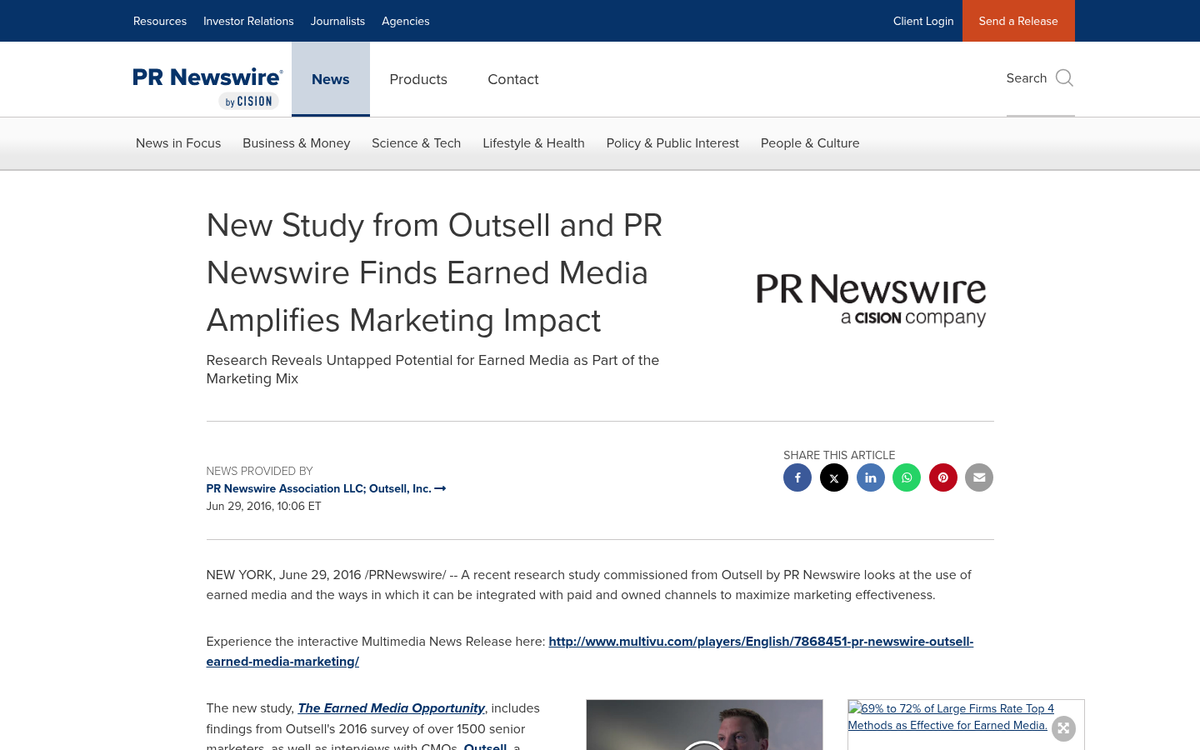
Data-driven press releases are one of the most helpful places to start. When you publish original research or survey data and pitch it to journalists, you give them something legitimately helpful to reference. That data then gets picked up, linked to, and cited across publications that AI models are trained on or actively crawl. The more your brand is attached to a stat or finding, the more it can become a signal of authority in your space.
Expert commentary placements work in a similar way. These are the quotes and contributions your team members give to journalists, trade publications, and roundup pieces. When a named person at your company is quoted in a respected industry outlet, that attribution connects your brand to a topic in a way that answer engines can process - it's worth investing in building one or two visible experts within your organisation instead of spreading commentary too thin. This is also why training employees to write and contribute content can extend your brand's visible expertise.
Thought leadership articles - the kind you write and place in respected publications as a bylined piece - take more effort but pay off well. They give AI models a longer, more structured piece of content to associate with your brand and expertise. These articles work best when they answer a question or address a topic that your audience is actively looking for.
Niche publications are also worth targeting deliberately. AI models don't learn from the biggest news outlets alone; they pull from trusted sources across industries. A placement in a respected trade journal or sector website can carry weight if that publication is one that AI training data includes or that answer engines treat as credible. Submitting to high-authority directories can also help establish your presence across sources that carry trust signals.
| PR Tactic | AEO Benefit | Difficulty |
|---|---|---|
| Data-driven press releases | Generates citable stats linked to your brand | Medium |
| Expert commentary placements | Builds named authority around key topics | Low-Medium |
| Bylined thought leadership articles | Creates in-depth topical association for your brand | Medium-High |
| Niche publication placements | Reaches sources AI models treat as credible | Medium |
One thing worth keeping front of mind: volume is not the goal here. A single mention in a publication that answer engines treat as authoritative is worth far more than ten placements on low-traffic, loosely moderated sites. Chasing coverage for its own sake dilutes the picture of your brand that AI models build over time.
Turning Media Mentions Into AI-Readable Signals
Earning a mention is only half the work. If your site doesn't connect that mention back to your brand and expertise, AI engines may pick up the coverage without ever associating it with you.
The first place to start is your own press or media page. A dedicated page that lists your coverage - with links to the original articles - gives AI crawlers a direct trail to follow. It signals that your brand has been recognised by external sources and it organizes that authority in one location instead of leaving it scattered.
Structured data is worth adding too. Schema markup that identifies your organisation, your published content and any authored articles helps AI engines understand who you are in relation to what's being said about you. It closes the gap between a mention that exists somewhere on the web and one that gets attributed to your brand.
FAQ sections on your site can also reinforce mentions in a helpful way. If a journalist cited you as an expert on a particular topic, write an answer to the question that coverage was based on. AI systems pull from pages that directly answer questions, so framing your expertise as a response - instead of just a claim - puts you in a stronger position.
Why the Window Matters Right Now
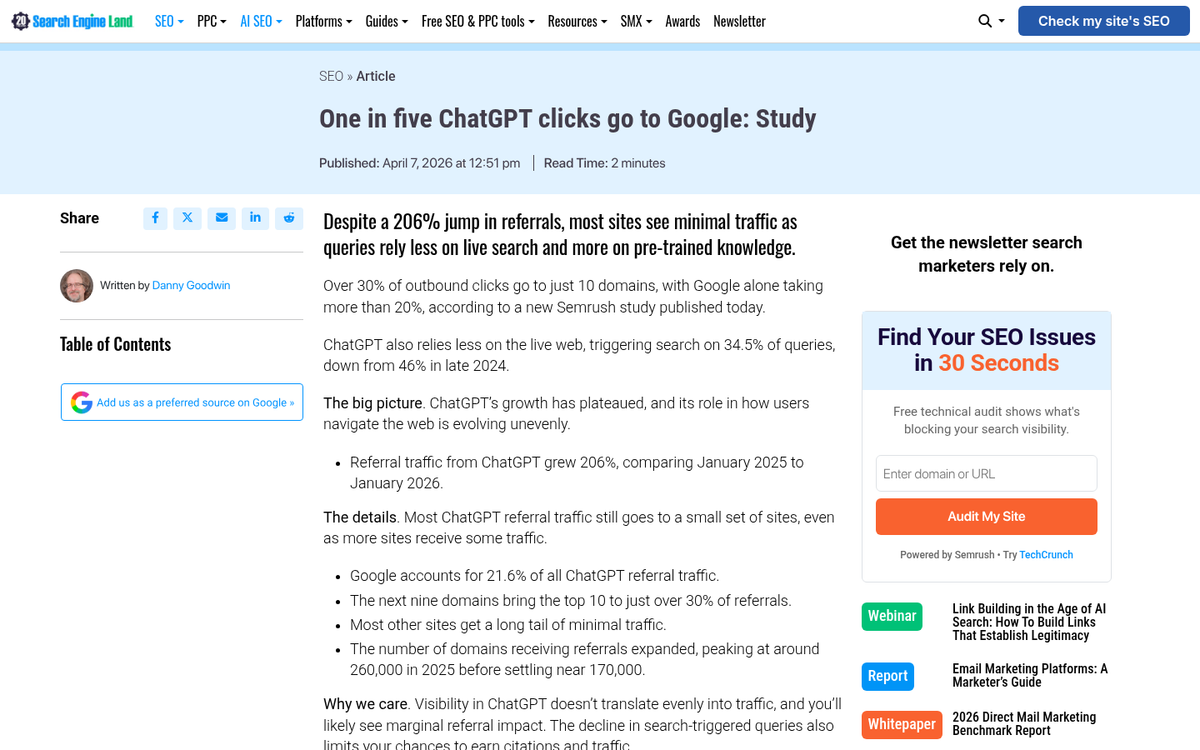
ChatGPT referral traffic grew by 145 times between mid-2024 and early 2025. It's not a gradual increase - it reflects a fast-moving change in how people find information and who gets found.

Brands that moved early on AEO strategies captured 3.4 times more answer engine traffic than the ones that waited. That gap has a cost, because the businesses filling those answer slots are building familiarity and trust with users before competitors even enter the picture.
The good news is that the steps to take advantage of this aren't tough. Internal links from your blog content to your press page, FAQ content that mirrors the topics you've been cited on and steady use of structured data are all changes you can make without rebuilding your whole site.
Make Your Mentions Work Harder
When you get coverage, write about it on your own platform. A short post that references the mention, links to it and expands on the topic does two things at once: it adds fresh content to your site and reinforces the connection between your brand and the subject the coverage was about.
Consistency matters here more than volume. A handful of well-structured pages that establish your expertise will do more for AI citation than a large site with no signals, and each piece of coverage you earn is an asset - the goal is to make sure your site helps AI engines connect the dots.
Building a Digital PR Habit That AI Keeps Rewarding
Digital PR matters most when treated not as a campaign you run once and review, but as a continuous practice mixed into your content calendar, your outreach rhythm, and your editorial relationships. Every piece of coverage earned, every expert quote placed, every data study published is another signal that tells an AI model: this source has been verified by others worth trusting. That compounding effect does not happen from a single push - it's built over time.
Before your next campaign goes live, it's worth sitting with a few grounding questions:
- Who is currently citing you? Are those outlets, publications, and voices ones that an AI model would recognise as authoritative?
- Are the sources referencing your brand ones an AI would trust? Volume matters far less than credibility in an AEO context.
- What story are you putting out there that is genuinely worth repeating? If you cannot answer that clearly, neither can an AI.
The fundamentals of Digital PR - expertise, credible placements, and stories that earn attention - have not changed. What has changed is the audience you are now writing for. Increasingly, that audience includes the AI systems shaping what your next customer finds first.
FAQs
What is Digital PR for AEO?
Digital PR for AEO (Answer Engine Optimization) is the practice of earning credible media coverage and citations that AI systems like ChatGPT and Perplexity recognize as trustworthy, helping your brand appear in AI-generated answers.
How do answer engines decide which sources to cite?
Answer engines prioritize sources based on authority, trustworthiness, and relevance. They look at who mentions you and whether those sources are credible, rather than relying purely on keyword optimization or backlink volume.
Which Digital PR tactics work best for AEO?
Data-driven press releases, expert commentary placements, bylined thought leadership articles, and niche publication placements are the most effective tactics, as they build credible, topic-specific associations that AI models can recognize and cite.
Does one high-authority mention outperform many low-quality ones?
Yes. A single mention from a publication that answer engines treat as authoritative is worth far more than multiple placements on low-traffic or loosely moderated sites.
How can I make media mentions more visible to AI engines?
Create a dedicated press page linking to your coverage, add structured data markup, and write FAQ content based on topics you've been cited for. These steps help AI crawlers directly connect mentions to your brand.