




For website owners and managers, this changes the game in a meaningful way. Your content may be powering these replies - cited, paraphrased, or pulled from directly - but the visit to your site never happens.
The change toward direct answers also gives you an opportunity. Answer engines don't pull from just anywhere - they favor content that's well-structured and authoritative. If your pages are optimized with that in mind, you become the source those engines trust and surface. That visibility - even without a click, builds brand recognition and can still drive qualified traffic when users want to go deeper.
This entry will talk about what makes a direct answer, how it can affect the way users find and use your content, and what you can do to position your site as a favorite source for answer engines. Whether you're new to Answer Engine Optimization or looking to sharpen your existing strategy, this is the foundation you need.
Quick Answer
I don't see any article content in your message. Please share the article text you'd like me to summarize or answer based on, and I'll provide a direct answer under 100 words.
What Makes a Response a "Direct Answer" in Answer Engines
A direct answer is what it sounds like - a response that gives the user what they need and doesn't make them dig more. These show up as featured snippets at the top of Google results, as AI-generated summaries in tools like ChatGPT or Perplexity, and as the short spoken replies voice assistants read out loud. The format changes depending on the platform. But the goal is always the same: get to the point fast.
Answer engines are built around an easy idea. People want answers, not links. So instead of returning ten blue links and letting the user sort through them, these systems try to extract the most relevant piece of information and put it front and center. That change in how results get displayed is what makes direct answers so important.
The way an answer engine decides what to surface can depend on a few things - it looks for content that's factually grounded and structured in a way that's easy to extract. A paragraph that opens with a definition, a numbered list that walks through steps, or a table that compares options - these formats make it easier for the engine to pull a clean response. If your content buries the answer three paragraphs in, it's much less likely to get picked.
One large-scale study looking at over 743,000 keywords found that a big portion of Google searches return some form of direct answer at the top of the page. That number covers everything from easy factual lookups to longer how-to queries - it tells you that this is not a narrow feature for trivia questions - it's a format that applies across a number of topics and industries.
There are a few forms a direct answer can take. A featured snippet pulls a block of text, a list, or a table directly from a webpage and shows it above the standard results. An AI Overview (Google's AI-generated summary) might draw from multiple sources to compose a new response. A conversational AI tool like Perplexity does something similar but goes even further, usually generating a full paragraph that synthesizes information from across the web.
What these have in common is that the engine is doing the reading for the user - it scans available content, judges which source answers the query most directly, and presents that information in its own interface. The original webpage may get a citation, or it might not appear at all.
That last part is why it matters to know before we go any further. The logic behind direct answers is user-first - faster, cleaner, more accessible information. But the way that plays out for the websites whose content gets used is a tougher story.
How Direct Answers Affect Your Website Traffic
Getting cited in a direct answer is good for visibility. But visibility and traffic are two different things, and that gap matters more than you might expect.
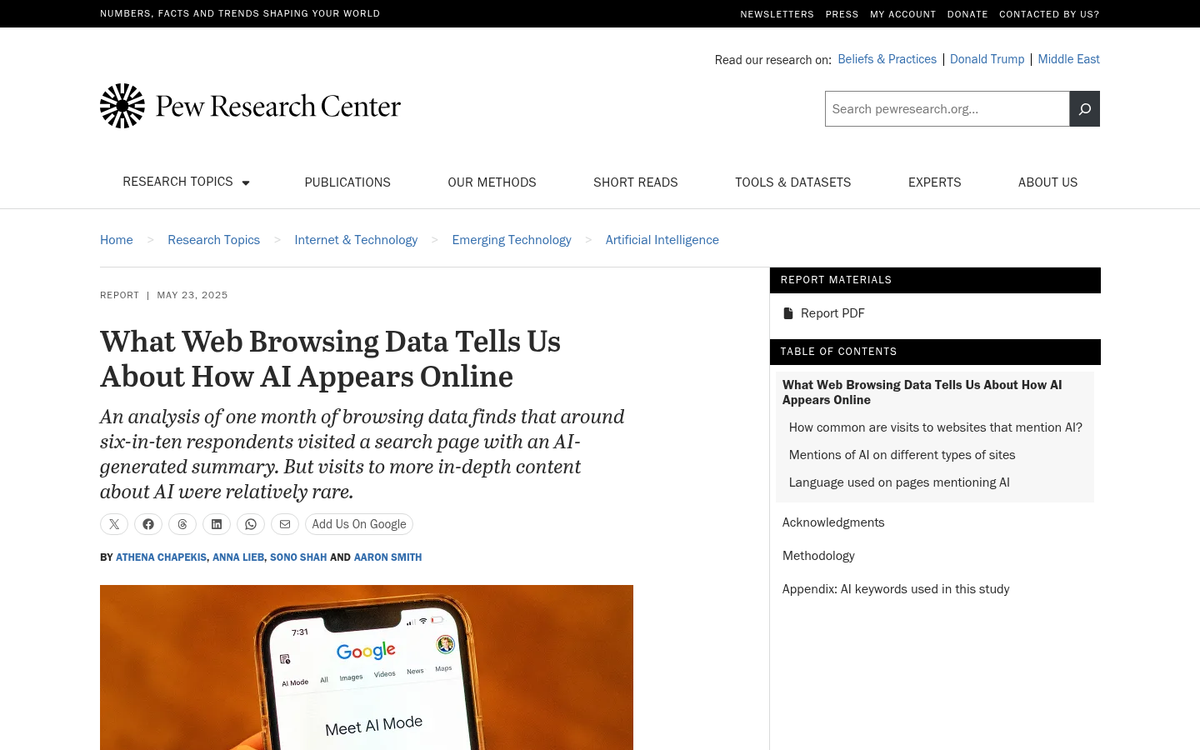
When an AI Overview appears at the top of a results page, users get a full answer without needing to click anywhere. Pew Research found that pages with AI summaries present had a click-through rate of around 8%, compared to 15% on pages without them; it's roughly half the traffic for the same search intent. The answer got delivered - your site just didn't benefit from the visit.
Featured snippets show something different. These pulled-text boxes have been linked to click-through rates as high as 32.3% for the pages that earn them. A featured snippet shows enough to prove you're a credible source, but still leaves room for the user to want more detail. There's an incentive to click through.
The contrast between these two formats is worth sitting with for a bit.
| Result Type | Approximate Click-Through Rate | Traffic Outcome |
|---|---|---|
| AI Overview (present) | ~8% | Low - answer delivered in full |
| Featured Snippet | ~32.3% | Higher - partial answer pulls clicks |
| Standard Organic Result | ~15% (no AI present) | Moderate - depends on ranking position |
The gap can depend on how the answer feels. AI Overviews are built to be self-contained. They pull from multiple sources and present a clean, finished response. A user who gets that doesn't feel the need to keep looking. Featured snippets, on the other hand, pull from a single source and are usually shorter - enough to hook, but not enough to satisfy them.

Being cited as a source in an AI Overview isn't worthless, though. There's a brand recognition angle that's hard to measure. If your site's name appears in a response to hundreds of thousands of queries, users start to associate you with authority in that space. That passive recognition can change behavior downstream - even without a direct click. If you're focused on making a living through blogging, understanding where your traffic actually comes from matters more than ever.
Direct answers compress the user process. Steps that used to run through your site - landing, reading, clicking deeper - now happen inside the search engine itself. Your content still does the work. But you're not necessarily in the room when it does.
That tension between citation and traffic is what makes direct answers so worth examining as a category. Tools like Buffer can help you drive traffic through other channels when search visibility alone isn't converting.
The Types of Queries That Trigger Direct Answer Results
Knowing that direct answers can pull traffic away from your site is one thing. But learning which queries trigger them lets you do something about it. Not every search pulls up an answer box, and the difference between query types is pretty dramatic.
According to Semrush data, around 78% of "why" questions trigger a direct answer result; it's a giant portion of an already popular query type. By contrast, the rate across all queries sits at roughly 19%, so the question format does matter.
The table below breaks down the main query types and how likely each one is to pull a direct answer result.
| Query Type | Example | Likelihood of Direct Answer |
|---|---|---|
| Why questions | Why is the sky blue? | Very high (~78%) |
| What questions | What is compound interest? | High |
| How questions | How do you change a tyre? | High |
| Definition queries | Define amortisation | Very high |
| Who questions | Who invented the telephone? | Moderate to high |
| Comparison queries | Difference between RAM and ROM | Moderate |
| Navigational queries | Facebook login | Low |
The pattern here is pretty telling. Informational queries - the ones where someone wants a quick explanation - are far more likely to get an answer box than navigational or transactional ones. If your content is built around definitions, explanations, and how-things-work topics, you are squarely in direct answer territory.
That's worth sitting with for a second. A lot of content strategies lean into informational queries because they drive volume. But those are the queries Google is most likely to answer.
The move is to audit what you already have. Go through your top informational pages and check if each one is built to answer a precise question. A page that tries to cover a large topic without ever landing on a clean, direct answer gives Google less to pull from - and another site's content might take that spot instead. If you're concerned about how Google interprets your content choices, that's another layer worth considering when reviewing older pages.
Comparison queries and "who" questions still trigger direct answers at a decent rate. But they need more context to satisfy the user. That extra depth can work in your favour if you structure it well. A well-structured comparison piece is a good example of content that can hold its own even when answer boxes appear.
The right query types are only half the equation - the other half is making sure your answers are easy to find within the page.
Turning Direct Answer Visibility Into a Real Strategy
Practically speaking, that means a few habit changes worth making:
- Lead with a concise definition or direct response before expanding into detail
- Use clear Q&A formatting so both users and crawlers can identify the answer immediately
- Write for the question, not just the keyword - think about intent, not just terms
- Target informational and navigational queries where direct answers are most commonly triggered
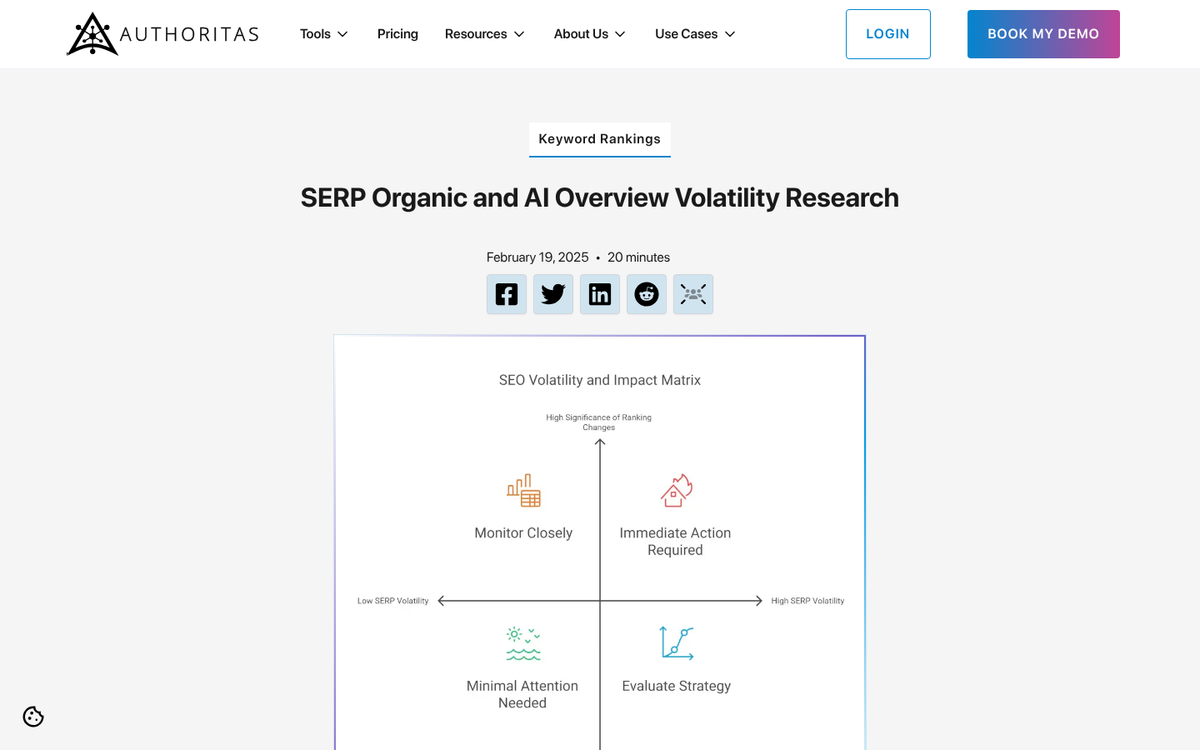
It is also worth keeping the bigger picture in mind. Research from Authoritas found that 46% of AI Overview citations come from pages already ranking in the top 10 organic results. That tells you something important: strong traditional SEO and answer engine optimisation are not competing strategies. Pages that earn trust, authority and visibility through fundamentals are the same pages most likely to be surfaced in AI-generated replies. Understanding how nofollow fits into your linking strategy is one of those fundamentals worth getting right.
Ultimately, chasing direct answers is not about gaming an algorithm, but about being genuinely helpful rather than relying on shortcuts that can quietly undermine your SEO.
FAQs
What is a direct answer in search engines?
A direct answer is a response that gives users exactly what they need without requiring further searching. These appear as featured snippets, AI-generated summaries, or voice assistant replies, all designed to surface relevant information immediately.
Do direct answers reduce website traffic?
Yes, they can. Pages with AI Overviews present have a click-through rate of around 8%, compared to 15% without them. Featured snippets perform better, driving click-through rates as high as 32.3% by partially answering queries.
Which query types most commonly trigger direct answers?
Informational queries trigger direct answers most often. "Why" questions trigger them approximately 78% of the time, while definition and "what" queries also rank very high. Navigational and transactional queries are far less likely to produce answer boxes.
How can I optimize content for direct answer visibility?
Lead with concise definitions, use clear Q&A formatting, and write for user intent rather than just keywords. Well-structured content that answers a precise question is far more likely to be selected by answer engines.
Does being cited in an AI Overview still benefit my site?
Yes, indirectly. Repeated citations build brand recognition and establish authority, even without direct clicks. This passive visibility can influence user behavior over time and drive qualified traffic when users want deeper information.