Key Takeaways
- Sustainable blogging income requires genuine expertise, earned trust, and consistent effort - shortcuts like AI content spam lead to Google penalties.
- AI tools used strategically (research, outlining, repurposing) are a competitive advantage; mass AI content with no editorial oversight is not.
- Bloggers can monetize through digital goods, educational products, physical goods, personal services, and passive revenue streams like ads and affiliates.
- Most revenue methods require real audience traffic first - treat blogging as a business from day one, not a hobby.
- Sites typically sell for 30-40x monthly revenue, making site flipping a legitimate exit strategy for successful blogs.
Blogging remains one of the most compelling ways to make money online - but the landscape has shifted dramatically, especially since AI tools became mainstream. Top blogs globally still make thousands of dollars or more every month, and it's not uncommon to see well-monetized blogs pulling in six figures monthly. The absolute biggest names can generate millions annually. What's changed is how they get there, and what the competition looks like now that AI can produce content at scale.
It's not a dream. But neither is it an easy feat. There's no secret trick, no shortcut, no prompt you can paste into ChatGPT that automatically builds you an audience. The basic truth of blogging hasn't changed: genuine value, earned trust, and steady effort are still what separate the blogs making money from the ones that never get off the ground.
That said, a new version of the "black hat" problem has emerged. Just as old-school black hat SEO tricks - keyword stuffing, link farms, cloaking - eventually got penalized into irrelevance, today's equivalent is mass AI-generated content with no editorial oversight. Sites that bulk-publish thousands of AI-written articles with no human input, no genuine expertise, and no original perspective are increasingly being wiped out by Google's Helpful Content updates. The pattern is the same as it always was: a short-term spike, then a cliff.
Here's the twist though: AI tools used well are a genuine competitive advantage. Bloggers who use AI to research faster, outline better, repurpose content across formats, and manage repetitive tasks - while still injecting expertise and original perspective - are pulling ahead. The line isn't "human vs. AI." It's "valuable vs. not valuable."
Consider two progressions of numbers.
- 0 - 10 - 20 - 30 - 40 - 50 - 60 - 70 - 80 - 90 - 100 - 110 - 120
- 0 - 50 - 5 - 55 - 10 - 60 - 15 - 65 - 20 - 70 - 25 - 75
Think of the numbers as dollars, and each sequential number as a month. Both start at zero with a brand new site. The top progression builds slowly and steadily - by the end of the year they're making $120 a month and compounding. The bottom progression chases shortcuts - whether that's old-school black hat tricks or AI content spam - scores a sudden win, gets penalized, and resets. At the end of the year, the steady builder has made $780 total. The shortcut-chaser has made $450 and has nothing substantial to show for it.
The moral hasn't changed: shortcuts work for a short period. Sustainable blogs grow and compound their value month after month, because they're building something an audience actually wants to return to.
Virtually no blog starts off making thousands or tens of thousands a month. You can reach that point. But it is going to need genuine effort, patience, and strategic thinking. Treat it as a hobby and you'll earn hobby money. Treat it as a business and you'll eventually earn business-level income. Don't quit your day job expecting blogging to replace it immediately - but don't underestimate what it can become if you build it.
Every way of making money from a blog has one thing in common: the blog itself. Successful blogs need great design, a niche, and - above all else - content that legitimately helps or engages their audience. In 2026, "great content" means content that shows expertise, experience, or a point of view. Search engines have become remarkably good at distinguishing between content that exists to rank and content that exists to legitimately serve a reader. Only with a body of content and an audience that trusts you will you have the ability to monetize that relationship.
So, what do you sell once you've reached that point? Here are 30 ideas to consider. Ideally, one of them will spark an idea that's specifically a good fit for your niche.
Digital Goods
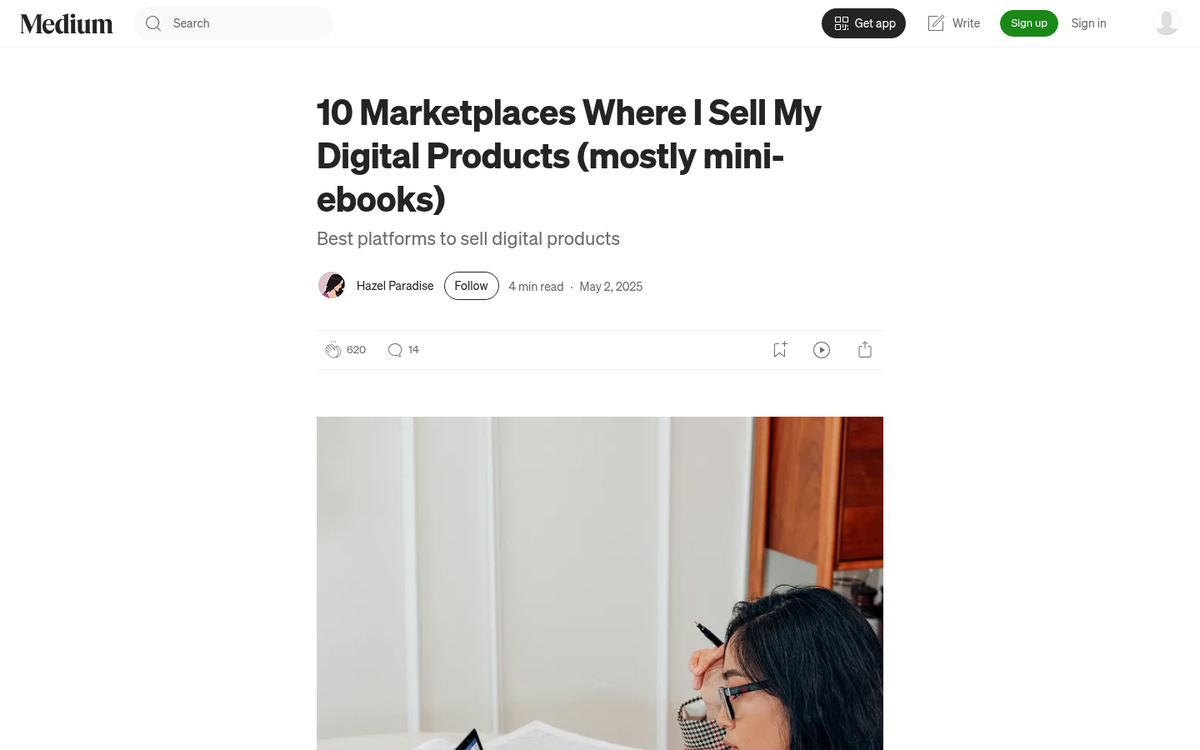
The easiest type of product to sell is one with no physical requirements. No inventory, no shipping, no manufacturing. You create it once and sell it repeatedly.
- Site Templates and Themes. If you've built a great-looking site, you can package that design as a template for others. WordPress themes, Webflow templates, and Framer templates all have active marketplaces with real buyer demand.
- Music and Audio. Stock music, sound effects, and even AI-assisted compositions are in constant demand for video creators, podcasters, and app developers. Platforms like Epidemic Sound and Artlist have proven there's serious money here.
- Software and Tools. Even simple, niche-specific tools - calculators, generators, trackers - can be packaged and sold. The bar for building functional software has dropped significantly with AI-assisted coding tools like GitHub Copilot.
- Stock Photography and Video. Authentic, high-quality images and footage continue to command premiums, especially as audiences grow increasingly skeptical of AI-generated visuals. Real photography still sells.
- Prompt Packs and AI Workflows. This is new territory. Curated, well-tested prompt libraries and AI workflow templates for tools like Claude, ChatGPT, or Midjourney have become genuinely sellable digital products in many niches.
- Mobile Apps and Web Apps. The barrier to building functional apps has dropped considerably with AI development tools. A well-executed niche app serving your audience is a legitimate product you can build and monetize.
Educational Products
The education market has exploded - and it's only become more competitive, which means the quality bar has also risen.
- Niche Coaching. Once you've demonstrably grown an audience or achieved results in your niche, one-on-one coaching is one of the highest-margin offerings available to bloggers. People pay serious money for personalized guidance.
- Online Courses. Platforms like Teachable, Kajabi, and Podia make it relatively straightforward to package your knowledge into a structured course. The key differentiator in 2026 is genuine depth - surface-level courses get poor reviews and poor sales.
- Ebooks and Guides. Well-researched, actionable ebooks still sell, particularly when they go deeper than what's freely available. The key word is "actionable" - generic overviews no longer cut it.
- Cohort-Based Programs. Rather than self-paced courses, cohort programs - where students go through the material together over a defined period - command higher prices and get better completion rates and outcomes.
- Live Workshops and Webinars. The live format creates urgency and interaction that recorded content can't replicate. Limited-seat workshops in particular can be priced at a significant premium.
- Individual Consulting. Sometimes detailed, specific advice for a particular situation is exactly what someone needs. Consulting lets you charge for your time and expertise at a level that scales with your reputation.
Physical Goods

Physical goods are more demanding to manage than online products. But they have strong potential for brand-building and scaling, and that's especially the case when paired with an engaged audience that already trusts you.
- Artwork and Prints. Original art and high-quality prints have a loyal buyer base, and services like Printful make it possible to offer products without holding inventory. A strong visual style and an engaged audience are your competitive advantages.
- Branded Merchandise. Once your blog has a recognizable identity and a loyal following, branded merchandise - apparel, accessories, stationery - becomes a natural extension. Print-on-demand has made this accessible to even small creators.
- Clothing and Apparel. Beyond basic branded merch, niche-specific apparel with clever designs can develop its own following. Print-on-demand platforms handle fulfillment; you handle the creative and the marketing.
- Books. A blog with a strong following is arguably the best platform for launching a book. Publishers take existing audiences seriously, and self-publishing through Amazon KDP remains a viable alternative with higher margins.
- Specialty Food Products. Bloggers in food, health, and lifestyle niches have successfully launched everything from hot sauces to supplement blends. A loyal audience provides a natural launchpad and built-in social proof.
- Handmade and Craft Goods. Etsy remains a thriving marketplace for handmade goods, and a blog that documents your craft and builds an audience dramatically improves your chances of standing out in a crowded marketplace.
Personal Services
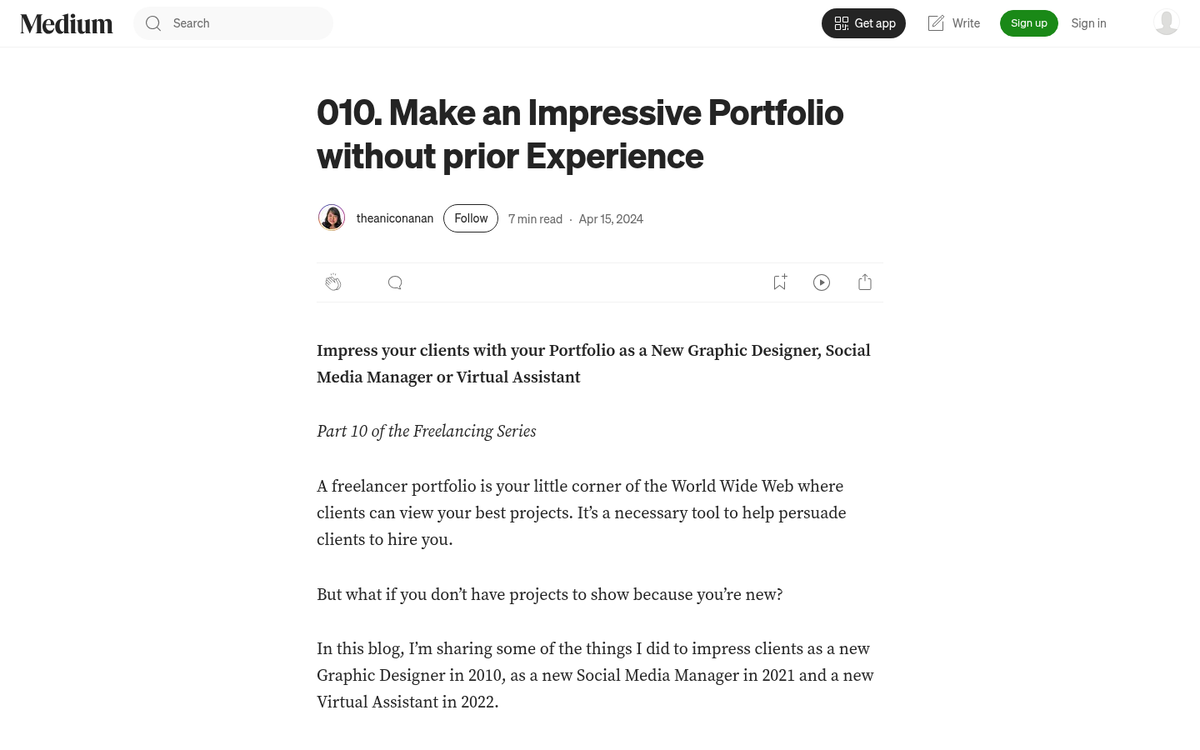
If you'd rather get paid directly for your skills than teach others how to develop them, selling your services is a natural fit - and a blog is one of the best possible portfolios you can have.
- Financial Planning and Advising. Personal finance bloggers with the right credentials can offer genuine advisory services. Even without formal credentials, budgeting coaching and financial organization services have real demand.
- Programming and Development. Freelance development work is perennially in demand, and a blog that demonstrates your technical competence is one of the strongest calling cards you can have.
- Site and App Design. Design work - from full site builds to UX audits to landing page optimization - commands strong hourly rates, and your blog serves as a live demonstration of your capabilities.
- Content Writing and Editing. Once you've proven you can write content that attracts and retains an audience, other businesses will pay you to do the same for them. In an era of AI-generated content, skilled human writers with real editorial judgment are increasingly valued.
- AI Integration Consulting. This is a genuinely new service category. Businesses of all sizes are trying to figure out how to integrate AI tools into their workflows, and bloggers who have navigated this themselves have expertise worth paying for.
- Social Media and Content Strategy. Growing your own social presence teaches you skills that translate directly to helping other businesses grow theirs. Strategy, content planning, and audience development are all sellable services.
Traditional and Passive Revenue Streams
These methods have existed for years and are viable, though most of them need actual traffic before they generate actual income. Think of them as revenue layers you add on top of other strategies, instead of standalone businesses.
- Affiliate Marketing. Recommending products you genuinely use and trust, with honest reviews and clear affiliate disclosures, continues to work well. Amazon Associates remains accessible, but niche affiliate programs - software, courses, financial products - often pay significantly higher commissions.
- Display Advertising. Ad networks like Mediavine and Raptive (formerly AdThrive) pay substantially more than Google AdSense but require meaningful traffic thresholds. Once you're there, display ads provide reliable passive income that scales with your audience.
- Sponsored Content and Brand Partnerships. Brands pay bloggers to create content featuring their products, and the rates have matured considerably. Long-term brand partnerships are particularly lucrative once your audience reaches a meaningful size.
- Newsletter Monetization. Email newsletters have made a significant comeback, with platforms like Beehiiv and Substack making it easy to monetize directly through subscriptions or newsletter-specific sponsorships. Your blog drives subscribers; your newsletter converts them.
- Memberships and Subscriptions. Platforms like Patreon and Memberful allow you to offer exclusive content, community access, or early releases to paying subscribers. This model rewards audience loyalty and provides predictable recurring revenue.
- Site Flipping. Build a site with strong content and a growing audience, then sell it. Sites typically sell for 30-40x their monthly revenue on platforms like Flippa or through brokers like Empire Flippers. It's a legitimate exit strategy that rewards the same hard work that makes blogging successful in the first place.
The opportunities available to bloggers in 2026 are wider than they've ever been - but so is the competition. The bloggers winning are the ones who combine genuine expertise with use of available tools, build relationships with their audiences, and treat their blog as a business from day one. The methods above are starting points - not blueprints. Find the combination that fits your niche, your skills, and your audience, and build from there.