Key Takeaways
- Search Network ads average 4.10% CTR versus 0.60% for Display, but Display clicks cost significantly less at $0.63 versus $2.69.
- Search Network works best for emergency services and tight budgets due to higher intent and more predictable conversion rates.
- Display Network excels at brand awareness, long sales cycles, remarketing, and showcasing visual or video creative assets.
- Seeing a Display Ad increases a user's likelihood of searching that term by 155%, with a 59% conversion probability afterward.
- Running separate campaigns for Search, Display, and Remarketing provides clearer performance data and smarter budget allocation decisions.
Google Ads: Search Network vs. Display Network (And Why You Probably Need Both)
When you decide to use Google Ads for paid advertising, you have a lot of different things to consider. One aspect that is often overlooked is the location of the advertising.
By default, when you run Google Ads campaigns, your ads can display in both the Search Network and the Display Network. What this means is that your ads show up in keyword-relevant Google search results pages you're targeting, but also on any website that is within your keyword range and is running Google AdSense as a publisher. The Display Network also includes placements like YouTube, Gmail, and in-app advertising across mobile devices.
That's a lot of different possible locations for your ads. What makes this tricky is that Google doesn't always make it easy to separate performance data by placement type at a glance. In other words, if you're not intentional about your campaign structure, it can be difficult to see which placement type is pulling its weight and which is quietly draining your budget.
Many people tend to think of Google Ads as only one or the other, simply not realizing their ads are defaulting to both kinds of display. You might optimize for search intent, thus missing out on a massive display audience. On the other hand, you might think you're fine-tuning a search campaign while your budget quietly bleeds into display placements that aren't converting.
Either way, you end up wasting time, money, and good ad copy on poorly optimized ads. Running PPC in 2026 is still very much an exercise in micromanagement. If you're not paying attention to every little aspect of your campaigns, you're leaving money on the table.
The Numbers You Need to Know First
Before diving into which network to choose, it helps to understand what the data actually says about each one.
The average cost-per-click on the Display Network is around $0.63, compared to $2.69 on the Search Network - that's more than four times higher on search. But before you run off to display-only campaigns, the click-through rate tells a very different story: Display Ads average a CTR of around 0.60%, while Search Ads average 4.10%.
So yes, display clicks are cheap. But you're paying for a lot of impressions to get them.
The Display Network itself is enormous. Google's network reaches over 90% of global internet users - up to 94% of US internet users - across more than 38.3 million websites running AdSense, serving over 2 trillion ad impressions monthly to more than 2.5 billion users. The scale is genuinely hard to wrap your head around.
Here's the stat that ties it all together: after seeing a Display Ad, a user's likelihood of searching for that specific term increases by 155%, and the probability of converting after that subsequent search is 59%. That's not a coincidence - that's a funnel working the way it should.
Interestingly, 43% of marketers think display ads are the least effective format, yet 84% are still investing in them. That tension tells you something: display is hard to measure in isolation, but marketers who drop it entirely tend to feel the gap.
Choosing Search Network Only
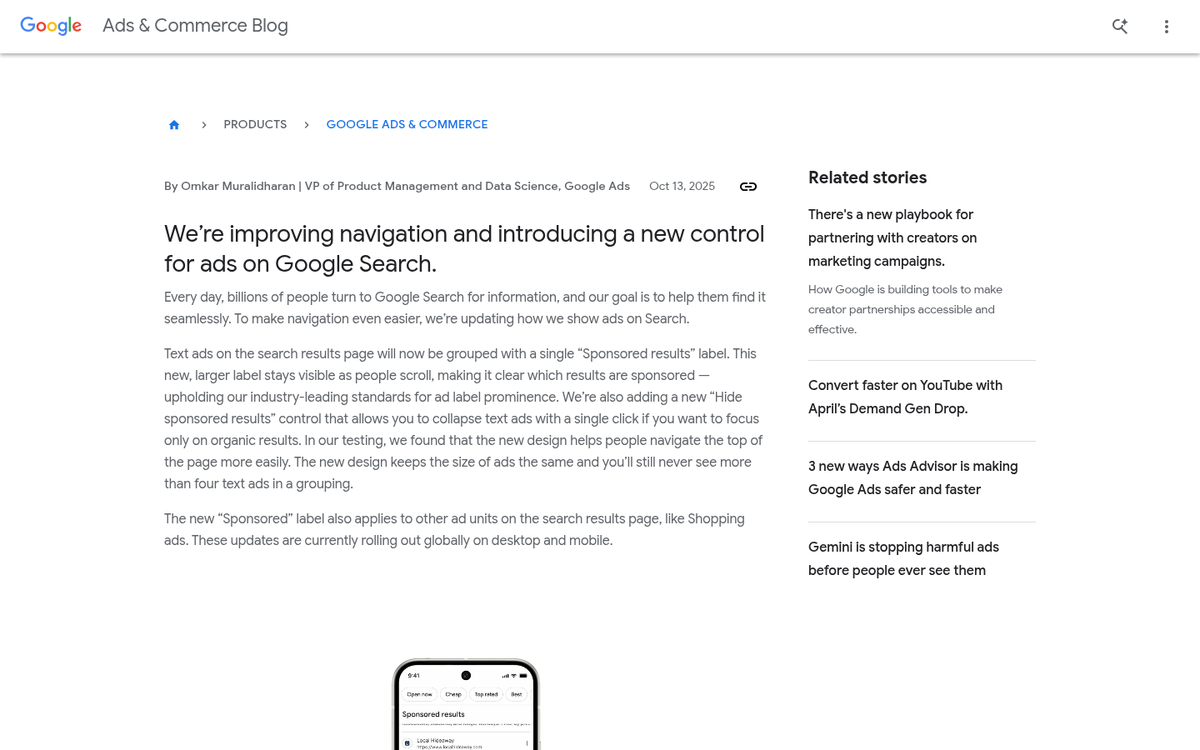
The Search Network is what most people picture when they think of Google Ads - the sponsored results at the top of a Google search page, clearly labeled as ads, sitting above the organic results.
One thing worth noting is that you're not strictly limited to Google.com itself. Google gives you the option to include Search Partners, which extends your ads to other search engines and properties that have partnered with Google. The value here varies, but it's worth testing and monitoring separately rather than just leaving it toggled on by default.
The primary advantage of the Search Network is intent. When someone types a query into Google, they want something - information, a product, a service, directions. That active intent makes search ads incredibly powerful when your offer matches what they're looking for. These users are already raising their hand.
There are two main scenarios where Search Network-only makes the most sense:
Emergency or immediate-need products and services. Plumbers, locksmiths, emergency electricians, urgent care clinics - these businesses thrive on search ads because people need them right now and are actively searching for a solution. Display is useless here. Nobody browses a cooking blog and suddenly decides they need an emergency plumber.
Tight budgets. Search ads tend to deliver a lower cost per conversion when even moderately well-optimized. Display requires more experimentation, more creative assets, and more tolerance for wasted spend before you find what works. If your budget is limited, search gives you more predictable, higher-intent results while you get your footing.
Choosing Display Network Only
The Display Network is a completely different beast. Your ads aren't showing up next to search results - they're appearing on websites, inside apps, before YouTube videos, and in Gmail inboxes. The people seeing them weren't necessarily looking for you. That's the challenge, and also the opportunity.
The big thing you need to remember about Display is that it's a passive medium. You might be advertising your smart home product on a home improvement blog, but the person reading that article might be researching something completely unrelated to buying anything. They're not in purchase mode. They're in browsing mode.
You're also fighting ad blindness. Display ads on websites are so commonplace that most users have trained themselves to ignore them entirely - and that's before you factor in ad blockers, which continue to grow in adoption year over year. This is why rotating your creative regularly matters, both as a publisher and as an advertiser. Stale ads become invisible.
So what is Display actually good for?
Brand awareness. Getting your name, logo, and imagery in front of a large, targeted audience for a relatively low CPM is where display earns its keep. You're planting a seed, not closing a sale.
Long sales cycles. If your product involves research, comparison shopping, sales calls, demos, or any kind of multi-step process before a purchase, display can warm up an audience and keep you visible while they work through that journey.
Remarketing. This is where Display becomes genuinely powerful in 2026. Someone visited your site, looked at your product, and left without converting. Display lets you follow up with tailored ads as they browse the web. You've seen this yourself - look at a product on any major retailer and watch it follow you around the internet for the next two weeks. That's remarketing in action, and it works because you're targeting people who already expressed interest.
Graphical and video creative. You can't run image banners or video ads in search results. If you've invested in strong visual creative - polished product photography, a well-produced video spot, compelling brand imagery - Display and YouTube are where those assets actually get to do their job.
The Real Solution
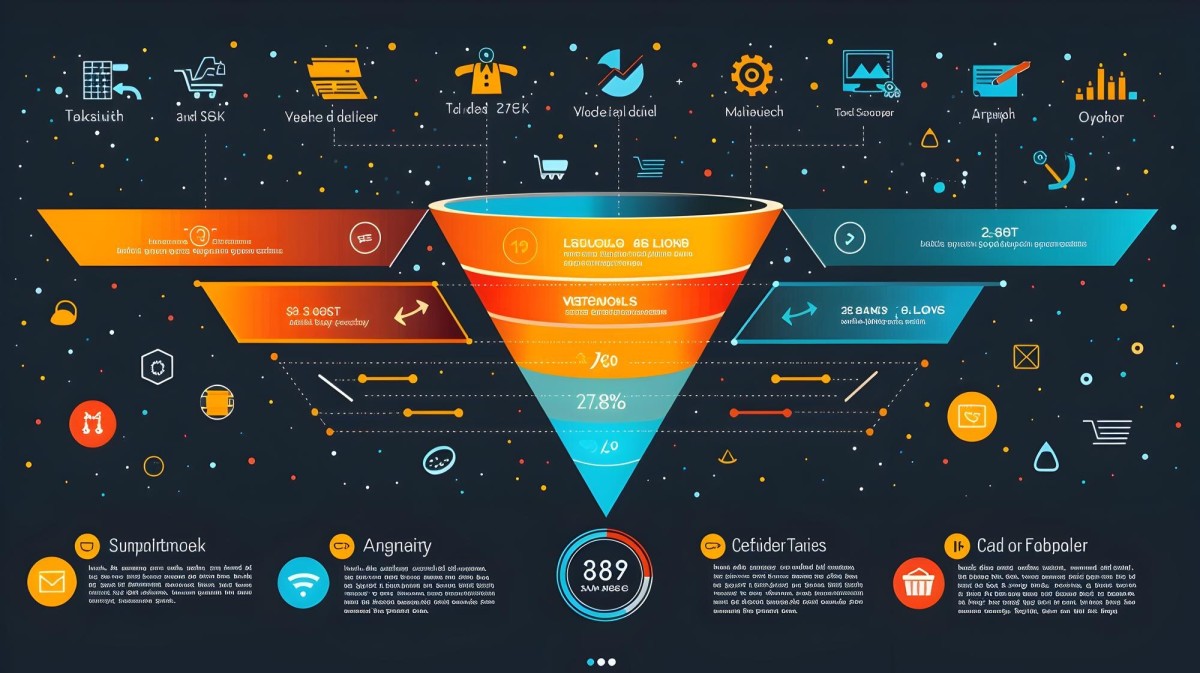
By now, you've probably noticed that these two networks aren't actually competing with each other - they serve different stages of the customer journey. A smart advertiser uses both, intentionally, with separate campaigns built for each.
Here's what that looks like in practice:
Campaign 1 - Search Network: Capture high-intent users actively searching for what you offer. Optimize for conversion. Keep it tight.
Campaign 2 - Display Network: Build awareness with a broader audience. Focus on reach, impressions, and brand visibility. Expect lower CTR and plan for it.
Campaign 3 - Remarketing: Target people who've already interacted with your brand. This is where the 59% post-display conversion lift comes into play. These users already know you exist - your job is to bring them back.
You can even split your remarketing into two separate campaigns - one on search, one on display - to reach warm audiences wherever they are.
The more campaigns you run, the more budget and time you'll need to manage them properly. If you're working with a tight budget, it's better to run two well-funded campaigns than four underfunded ones. Spreading too thin across too many campaigns is one of the most common ways advertisers waste money in Google Ads.
The real payoff of separating your campaigns by network isn't just performance - it's clarity. Separate campaigns give you separate data streams. You can see exactly what's working in search versus display, make informed decisions about where to shift budget, and actually understand your funnel instead of staring at one aggregated mess of numbers with no way to drill down.
I know it sounds like more work. It is more work. But in 2026, with CPCs on search continuing to rise and competition intensifying across nearly every vertical, the advertisers who win are the ones treating each placement type as its own discipline - not a single "set it and forget it" campaign hoping for the best. If you want to get more from your spend, learning how to properly optimize your Google Display Ads is a strong place to start.