




For website owners and managers, this shift changes the rules of visibility. It is no longer enough to rank on page one of a search results page. If your content is not structured in a way that AI can cleanly read, extract and attribute, you risk being left out of the answer entirely - or worse, you have your content summarized inaccurately while a competitor gets the credit.
The good news is that summarization is not random. AI systems follow patterns when picking what to pull, how to frame it and whose source to cite. In this entry, I'll talk about what summarization means for the content on your site, how AI determines what is worth condensing and the helpful steps you can take to make your content the one that gets surfaced, cited and trusted.
Quick Answer
Summarization is the process of condensing a longer text into a shorter version while retaining its key points and main ideas. It can be extractive, pulling direct sentences from the source, or abstractive, generating new text that captures the essence of the original. Summarization is used in news digests, research, and AI applications to save time and improve comprehension. Effective summaries are concise, accurate, and free of unnecessary detail while preserving the original meaning.
How AI Answer Engines Extract and Condense Your Content
When an AI answer engine lands on your page, it doesn't read the way a human does - it scans for structure, looks for signals, and tries to match your content to whatever question was just asked. The better your page is organized, the easier it is for the engine to find what it needs.
There are two main ways AI tools pull information from a page. The first is extractive summarization; the engine lifts sentences almost word-for-word from your content. Most modern answer engines use a combination of both, so your original phrasing matters even when the final output doesn't quote you.
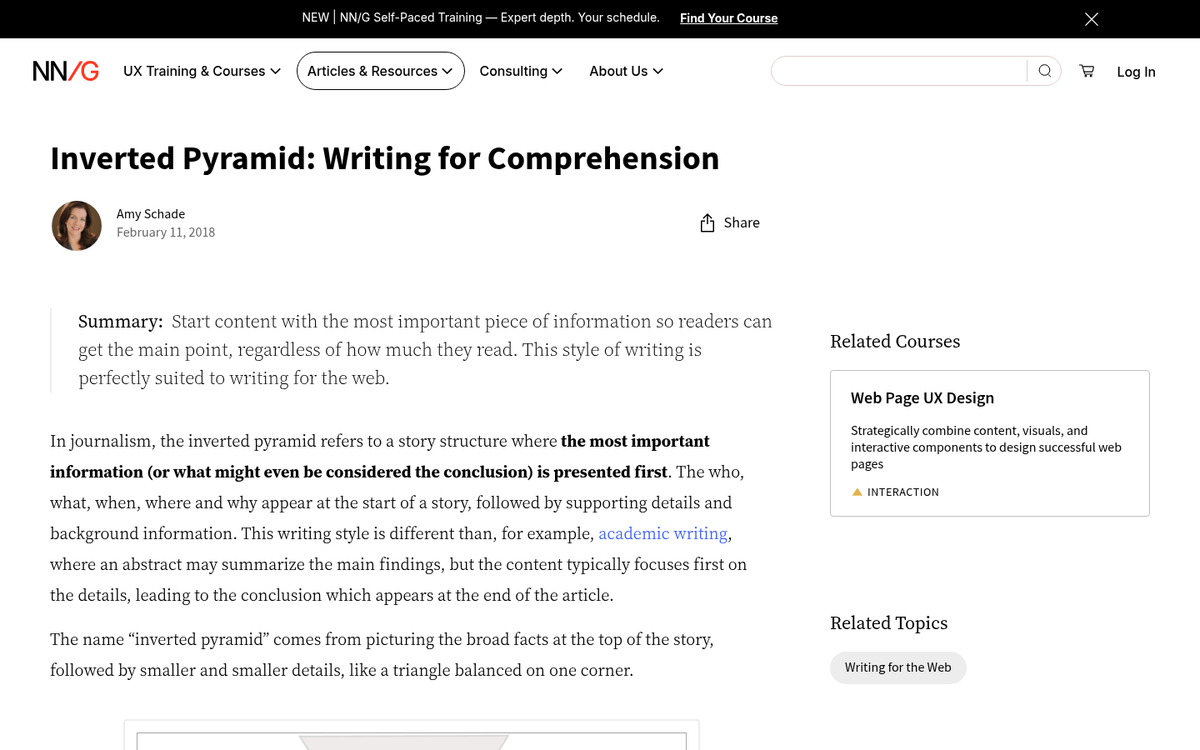
Heading hierarchy plays a bigger role than expected. An engine uses your H1, H2, and H3 tags to know what each section is about before it even reads the body text. If your headings are vague or inconsistent, the engine has a harder time picking which part of your page answers the user's question. That uncertainty can push your content down in favor of a page that's easier to parse.
Sentence structure matters. AI tools tend to favor short, direct sentences that have a subject and a point. A sentence buried inside a long paragraph with a few clauses and qualifiers is much harder to extract cleanly. If a sentence can't stand on its own, it probably won't get pulled into a summary.
Why Some Pages Get Summarized More Than Others
Page structure is one of the strongest factors. A page with a logical flow - where each section builds on the last - gives the engine a path to follow. A page where the main point is buried three paragraphs down is much less likely to be surfaced as an answer.
Content density also matters. Pages that try to cover too many angles at once can confuse the extraction process. A focused page that answers one question well will usually outperform a large page that touches on things without going deep on any of them.
The format of your answers matters too. AI engines are attracted to content that mimics the structure of an answer - a direct opening statement, supporting detail, and a logical close. It's not a template to follow rigidly, but it does align well with how answer engines are trained to find helpful information. If you're publishing on platforms like Medium, growing a successful blog there also depends on how well your content is structured for both human readers and automated tools.
It's also worth knowing that the engine doesn't look at one page in isolation - it compares your content against other pages covering the same topic. If another page makes the same point more directly and with better structure, that page gets the summary; it's competition happening silently. This is part of why promoting your WordPress blog effectively still matters - visibility and authority signal quality to these systems.
What Makes Content Easy for AI to Summarize
AI engines don't read your page the way a person does. They scan for tells - patterns in your structure and language that tell them what a page is actually about and where the important points live.
The biggest signal is how quickly your content gets to the point. Pages that bury the main answer under three paragraphs of background are harder for AI to work with. A direct answer near the top of a section - best in the first one or two sentences - gives the engine something concrete to pull from immediately.
Short paragraphs help too, and this is worth taking seriously. A wall of text with no visual breaks makes it tough for AI to find where one idea ends and another begins. When you break your content into focused chunks, each paragraph can become its own self-contained unit that the engine can lift and use independently.
Topic sentences do the heavy lifting here. If the first sentence of each paragraph tells you what that paragraph is about, AI doesn't have to infer it. That clarity makes your content much easier to condense accurately.
Why Jargon-Heavy Pages Get Passed Over
Dense, technical writing creates a problem for summarization. When a page relies on industry language or assumes background knowledge, AI engines have a hard time translating that into a plain-language answer. The result is that your content gets skipped in favor of something more accessible - even if your page is more accurate.
Write in plain language first, then add detail for readers who want to go deeper. It's not about dumbing things down - it's about being clear. This same principle applies whether you're writing for AI or human readers - even bloggers who write in English as a second language benefit from keeping sentences direct and accessible.
Formatting as a Clarity Signal
Structured markup - things like headers, lists and tables - gives AI a map of your content. Headers tell the engine how your page is organized. Lists break out discrete items so they don't get tangled together in a long sentence. Tables let AI compare and contrast information at a glance. If you're working in WordPress, it's worth knowing how the editor affects your formatting options before you build out these structured elements.
The more structure you give your content, the less guessing the AI has to do.
| Dimension | Harder to Summarize | Easier to Summarize |
|---|---|---|
| Structure | Long sections with no headers or breaks | Short sections with clear headers |
| Sentence length | Long sentences with multiple clauses | Short sentences with one clear idea each |
| Clarity | Jargon-heavy or assumed knowledge | Plain language with defined terms |
| Formatting | Dense paragraphs, no lists or tables | Headers, bullet points, and structured markup |
| Answer placement | Main point buried mid-page or at the end | Direct answer in the opening sentences |
Where Summarization Appears Across AI-Powered Surfaces
Summarization shows up in visible places that people actually see and use.
Google's AI Overviews are probably the most talked-about right now. These are the AI-generated blocks that appear at the top of search results and pull together answers from multiple sources. If your content gets pulled into one of these, you're showing up before any traditional search result on the page.
Chatbots like ChatGPT and Google's Gemini also summarize content to answer questions. When someone asks a chatbot to explain a topic, the response is built from sources the AI has processed and condensed. Your content can be part of that answer even if the user never visits your site - which is worth thinking about in terms of brand visibility.
Voice search is another surface to keep in mind. Smart speakers and voice assistants pull a single spoken answer from whatever source they find most digestible. There's no list of links to scroll through, so the content that gets chosen tends to be the kind that's already structured like a direct answer.
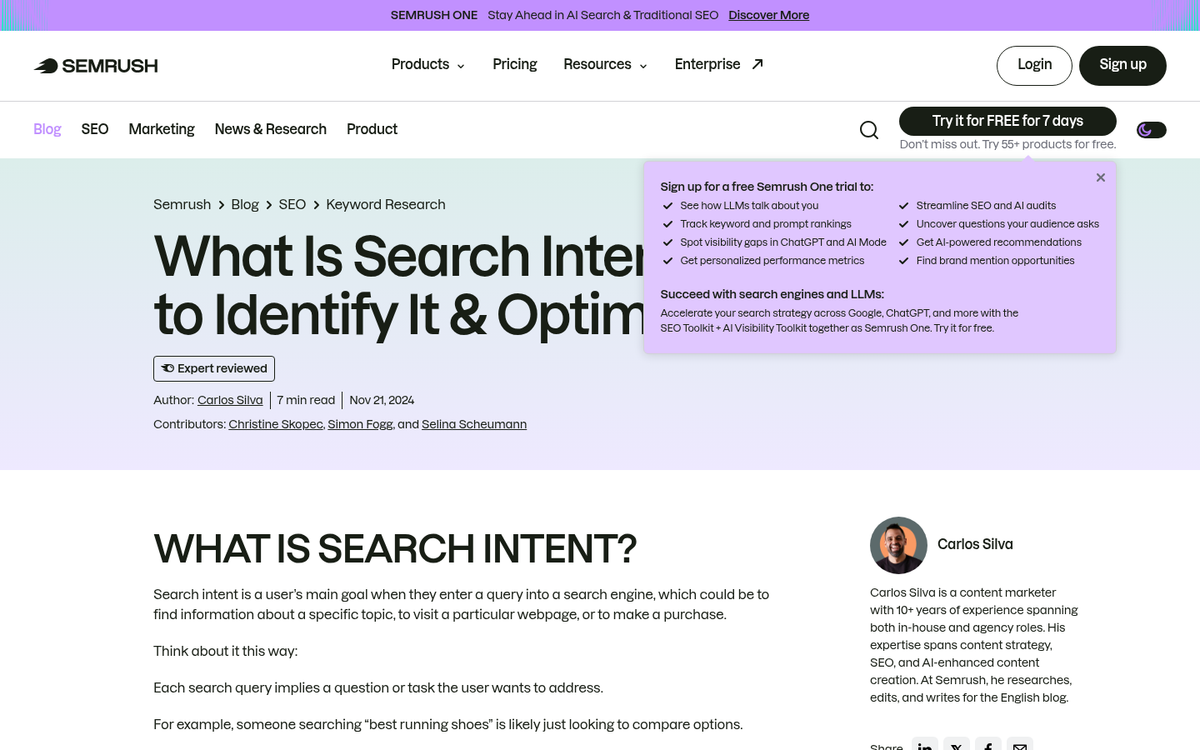
Featured snippets have been around longer than the rest and work on a similar principle. Google extracts a short passage from a page and shows it above the standard results. It's one of the more established ways that summarization-friendly content gets rewarded with extra visibility.
The table below maps common content types to the surfaces where they're most likely to be summarized and surfaced.
| Content Type | Most Likely Summarization Surface |
|---|---|
| FAQ pages | Featured snippets, AI Overviews |
| How-to guides | AI Overviews, voice search |
| Definition-based content | Featured snippets, chatbot responses |
| Comparison articles | AI Overviews, chatbot responses |
| Product descriptions | AI Overviews, voice search |
| Long-form explainers | Chatbot responses, AI Overviews |
These surfaces don't always send traffic back to your site. AI Overviews and chatbot answers can help with a user's question without them ever clicking through.
The reach that comes from summarization is real - even when it doesn't look like a traditional page visit. As more searches get answered directly through AI, the content that gets chosen for those answers carries a different weight than it used to. Understanding how platforms handle and distribute your writing matters more than ever in this environment.
Turning Summarization Into a Visibility Strategy
Start by taking a look at your best-performing pages. Think about whether a reader - or an AI - could pull an accurate answer from each one without much effort. If not, that's your opportunity. Small structural changes, tighter language, and better-framed headers can make a difference in how your content is interpreted and surfaced.
Use this checklist as your starting point:
- Audit your top pages for summarization readiness - look for clear answers, logical flow, and scannable structure
- Simplify dense sections by breaking up long paragraphs and removing unnecessary filler
- Rewrite headers so they reflect real questions your audience is asking
- Add concise definitions or summaries near the top of key sections
- Review your formatting - lists, tables, and short paragraphs tend to perform better than walls of text
- Check for accuracy and clarity, since summarization tools favor content that is direct and factually grounded
You already have more control over this than you might think. A focused review and a few targeted edits can turn your content into the source that gets seen, cited, and summarized.
FAQs
What is extractive summarization in AI answer engines?
Extractive summarization is when an AI engine lifts sentences almost word-for-word from your content to form an answer. Most modern answer engines use a combination of extractive and other methods, so your original phrasing matters even when the final output doesn't directly quote you.
Why does heading structure matter for AI summarization?
AI engines use your H1, H2, and H3 tags to understand what each section covers before reading body text. Vague or inconsistent headings make it harder for AI to match your content to a user's question, reducing the chance your page gets surfaced.
Why do jargon-heavy pages get skipped by AI?
Dense technical language makes it difficult for AI to translate your content into a plain-language answer. Even if your page is more accurate, AI will favor clearer, more accessible content over jargon-heavy writing.
Where does AI summarization appear in search results?
AI summarization appears in Google's AI Overviews, featured snippets, chatbot responses, and voice search answers. These surfaces can display your content to users without them ever clicking through to your website.
How can I make my content easier for AI to summarize?
Place direct answers near the top of each section, use short paragraphs, write clear topic sentences, and structure content with headers, lists, and tables. Auditing your top pages for logical flow and scannable structure is a strong starting point.