





Having multiple available payment options is almost always a boon for a business. The only circumstance I can think of where it might have the opposite effect is when you start integrating the dozens of trashy international money transfer options that are, in general, only used because of how little fraud protection they have. Obviously, you aren't going to start with those; if you're looking to add more payment options, you should start with the valid options that expand what you can do for your customers.
It should come as no surprise that a lot of people will simply cancel an order if their preferred payment method is not available. In fact, in 2024, 61% of consumers abandoned a purchase because their preferred payment method wasn't offered. Many people either don't have alternatives, don't want to hand over a credit card to a brand they don't necessarily trust, or simply want to keep different accounts separate.
Key Takeaways
- 61% of consumers abandoned purchases in 2024 because their preferred payment method wasn't available at checkout.
- Adding even one relevant payment method increases conversions by 7%; offering top three preferred methods boosts conversions up to 30%.
- Stripe, PayPal, Click to Pay, BNPL providers, and Skrill each serve distinct customer segments and business needs.
- Click to Pay boasts an 88% conversion rate and is supported by major processors like Stripe, Adyen, and Braintree.
- Skrill is particularly valuable for international sellers or businesses in high-risk industries rejected by mainstream processors.
The Benefits of Multiple Payment Options
The number one benefit to using multiple payment options on your site is, of course, capturing the purchases of the people who would otherwise leave. According to ACI Worldwide, 7 out of 10 online shoppers abandon their carts at checkout, resulting in $4 trillion in lost sales every year. If I come to your site and I really want to pay with PayPal, but you don't offer the option, I'm not about to go out and get a PayPal credit card just to buy something from your site. I'm going to leave and see if I can find what I want elsewhere.
Multiple payment options also place more emphasis on customer convenience. Most users like having the control inherent in picking one of several options, even if there's really only one they would ever use. The option of using a different one, if they want to set it up, makes them more likely to purchase. This convenience helps minimize cart abandonment at the final step. Transaction data backs this up: adding even a single relevant payment method increases conversion by an average of 7%, and offering the top three payment methods your customers prefer - rather than just the most popular one - can boost conversions by up to 30%.
There's also the element of international accessibility that comes from accepting payments through non-standard means. Credit cards are the norm in the USA and much of Europe, but other options allow payments from a wide variety of other nations. If your product is digital or can be shipped internationally without too much issue, accepting payments globally helps you expand on a much broader stage.
What alternative payment options do you have? Here are five ideas.
1: Stripe
Stripe is one platform that allows a bunch of different payment options through one interface. Setting up Stripe is quite easy and doesn't take very long, though you do have to make sure you're not one of their banned businesses. As with most payment processors, Stripe won't work with businesses in notoriously high-fraud areas, like money lending, certain legal services, gambling, illegal content, or adult content. Read that link for the full list.
Stripe allows payment processing via credit card, including international credit cards. They work with Visa, Mastercard, American Express, Discover, JCB, and others. They'll also accept payments in over 135 different currencies, doing the conversion automatically behind the scenes.
If you want to stretch beyond credit cards - and you should - Stripe also supports ACH bank transfers, Alipay, WeChat Pay, Apple Pay, Google Pay, Buy Now Pay Later options like Afterpay and Klarna, and more. According to Stripe's own data, global businesses that added Apple Pay saw an average 22.3% increase in conversion, while WeChat Pay users saw a 13% increase. These aren't trivial gains - they're worth taking seriously. If you want to measure those gains, it's worth learning how to set up conversion tracking with Stripe.
Stripe's fees are fairly middle of the road. For most businesses, every transaction costs 30 cents plus 2.9% of the transfer amount. Card-present transactions are lower. Fees vary slightly for international cards and currency conversion, so check their pricing page for the most current breakdown.
One of the main benefits of Stripe is that, once everything is up and running, you receive payments about two business days after they complete, with options for faster payouts available. There's no waiting for a Net30 payment or submitting invoices like some other processors require. It's very convenient for most small businesses.
2: PayPal & Venmo
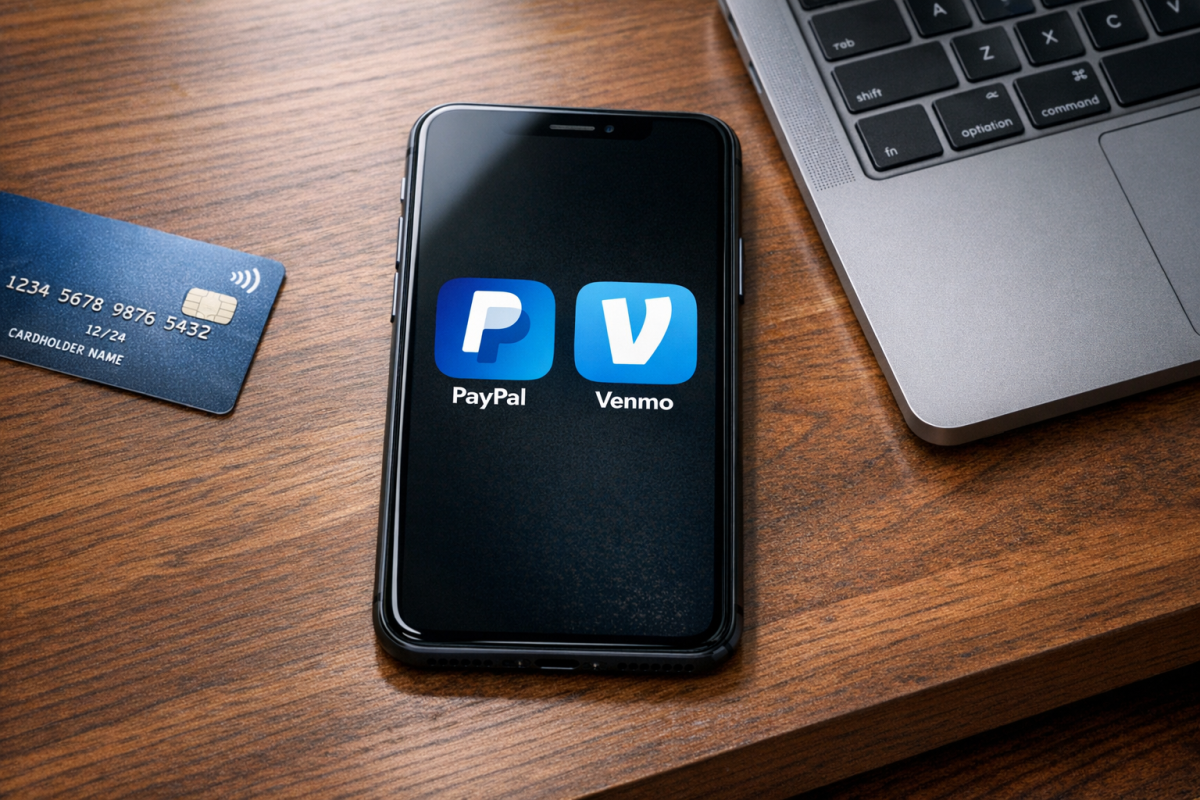
PayPal remains one of the most widely recognized and trusted payment options available, and it has only grown more relevant. In addition to standard PayPal checkout, businesses can now accept Venmo payments through the same integration - a significant advantage for reaching younger U.S. shoppers who prefer Venmo as their default.
PayPal also offers Pay Later options, including Pay in 4 and Pay Monthly, which tap into the growing Buy Now, Pay Later (BNPL) trend. Studies show that 40% of users abandon checkout if a BNPL option is not available, making this a meaningful gap to fill if you aren't already offering it.
One concern merchants sometimes have is the redirect experience - sending users out to PayPal's interface can feel disjointed. PayPal has addressed much of this with streamlined hosted fields and their Advanced Checkout integration, which keeps users on your site while still processing securely through PayPal's infrastructure. Adding trust signals to your site can also help ease any hesitation users feel during the checkout process.
Fees for PayPal are similar to other major processors: 2.99% plus a fixed fee per transaction for standard checkout, with rates varying by transaction type. Their fee structure is publicly available and straightforward enough for most small business owners to evaluate returns quickly.
3: Click to Pay
Click to Pay is worth adding to your radar if you haven't already. It's an EMVCo standard backed by Visa, Mastercard, American Express, and Discover, which means it has the full weight of the major card networks behind it. It now reaches over 500,000 U.S. online stores and boasts an impressive 88% conversion rate - one of the highest of any checkout method available.
The appeal is simple: returning customers don't have to re-enter their card details. Their payment information is stored securely across participating merchants, and checking out becomes a one-click experience. For shoppers who are already card users but hate filling out forms, Click to Pay removes one of the most common friction points at checkout.
Most major payment processors including Stripe, Adyen, and Braintree support Click to Pay, so there's a good chance you can enable it without switching platforms. If you're not offering it yet, it's one of the easier wins available to you right now.
4: Buy Now, Pay Later (BNPL)
Buy Now, Pay Later has gone from a niche novelty to a mainstream checkout expectation in a remarkably short time. As mentioned above, 40% of BNPL users will abandon their cart if the option isn't there. That's not a fringe audience - that's a significant portion of modern online shoppers, particularly in the 25-44 age range.
The major BNPL providers worth integrating include Klarna, Afterpay, Affirm, and Sezzle. Each has slightly different terms for merchants and consumers, but the general model is the same: the customer pays in installments, you get paid upfront (minus a fee), and the BNPL provider takes on the repayment risk.
Merchant fees for BNPL are generally higher than standard card processing - typically in the 2%-8% range depending on the provider and your sales volume. Whether that's worth it depends on your average order value. For higher-ticket items, offering installment options often increases the number of people willing to complete a purchase at all, which can more than offset the higher fee.
Most major e-commerce platforms including Shopify, WooCommerce, and BigCommerce have direct integrations with the leading BNPL providers, making setup relatively straightforward.
5: Skrill
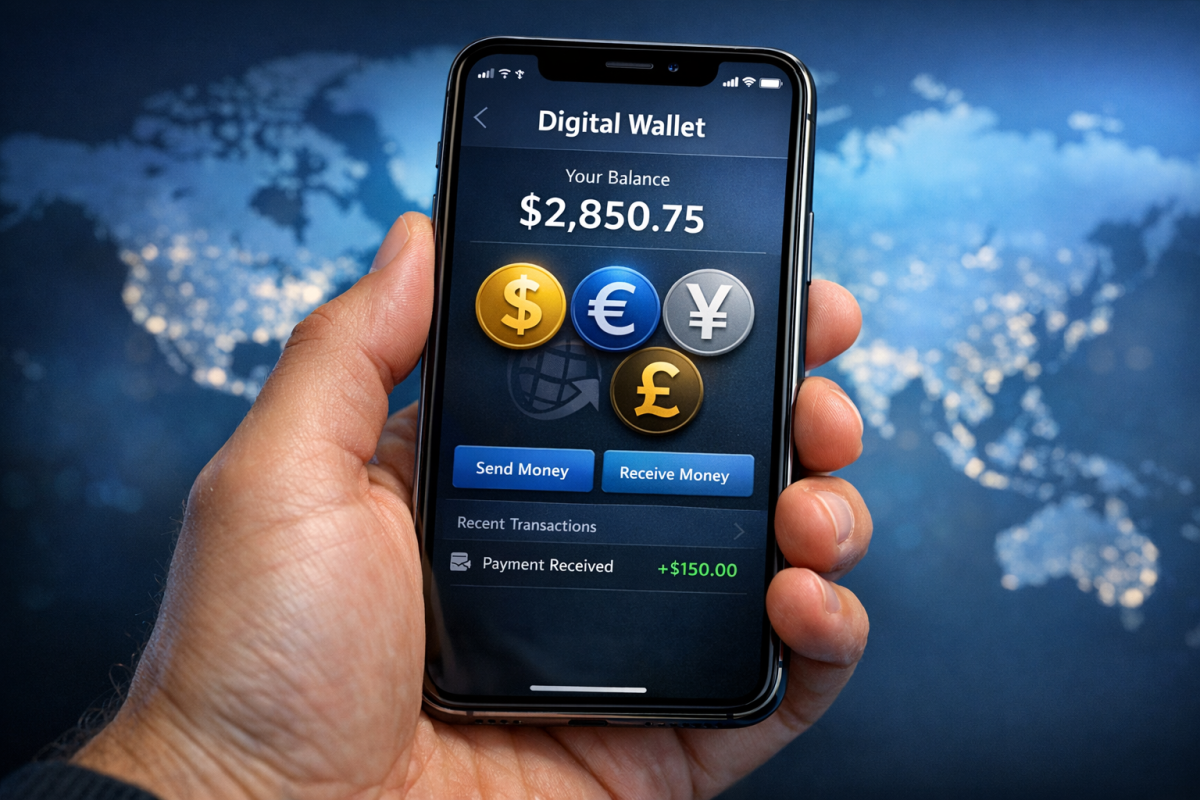
Skrill is a pared-down payment system that is quite popular internationally, so if you want to accept international bank transfers, this is worth considering. It's easy to start up an account and link it to a bank, and anyone with their own Skrill account can send you money in exchange for goods and services.
When you receive payments, you have the choice of where the money goes: transferred to your bank account, left in a mobile wallet, or held in a Skrill wallet for use in your own payments.
The major benefit of Skrill is that they accept businesses in certain niches that many other payment processors do not. They work with gaming and gambling companies, Forex traders, and a range of other higher-risk categories that Stripe or PayPal might turn away.
As for fees, receiving money into a Skrill wallet is generally free, and adding money to a wallet is free in most cases. Withdrawing from a Skrill wallet carries a 1.9% fee, capped at around $20 depending on your region. For businesses that batch their withdrawals rather than pulling funds out constantly, this is a very manageable cost.
Skrill is not the right fit for every business, but for those selling internationally or operating in industries that other processors won't touch, it fills a genuine gap.
Regardless of the options you choose, offering a thoughtful mix of payment methods is one of the more direct levers you can pull to improve conversion. Even one or two well-chosen additions can meaningfully reduce the number of people who leave your checkout page empty-handed. Why not take a look at what you're currently missing?
2 responses
Thoughtful replies only - we moderate for spam, AI slop, and off-topic rants.
Good information shared..Thank you.
Good information shared..Thank you.