There are easily dozens of ways you can drive traffic to your site, ranging from old-fashioned direct mail to the most modern utilization of paid social media, AI-assisted content distribution, and niche community platforms built around shared interests. Here's a look at five of our favorites.
Key Takeaways
- Off-site contributions build traffic through reputation and name recognition, not just links - quality and authentic voice are essential.
- Email newsletters bypass algorithms entirely, giving you direct, consistent access to an audience that actively chose to hear from you.
- Niche communities like Reddit and Discord reward genuine participation; consistent value-adding builds reputation that naturally drives traffic back.
- With paid social, start small, test creatives, and only scale spend once unit economics actually make sense.
- In 2026, content quality beats volume - Google's standards now make thin, AI-generated content a liability rather than an asset.
1. Guest Posting AKA Off-Site Contributions
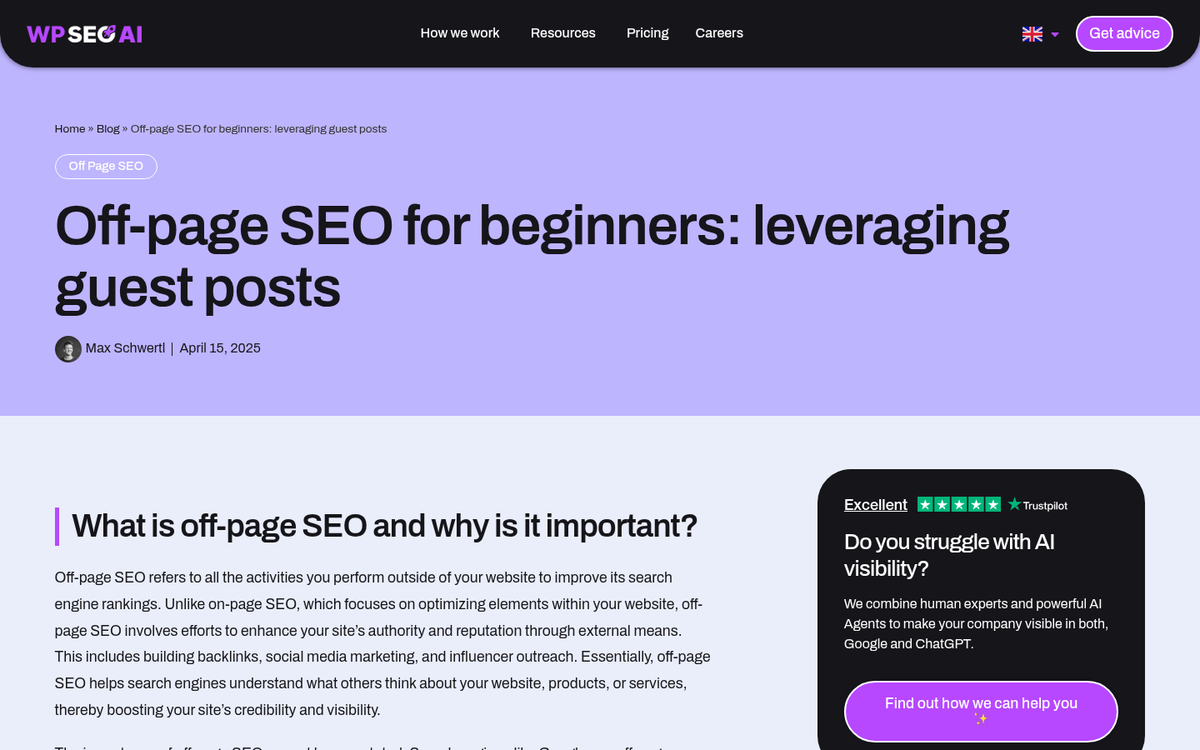
What is it? Guest posting has something of a bad rap, and honestly, it deserves some of it. Ever since bloggers started using it solely to accumulate links back to their site, the idea of guest posting got dirtier and dirtier. When Matt Cutts called out guest posting as a spammy SEO tactic back in 2014, most webmasters dialed back on the concept. That was a good thing then, and it still holds true now. Google has only gotten better at identifying low-quality, link-motivated contributions.
What we like to do for guest posting could perhaps be renamed. Off-site contributions is a reasonable enough descriptor. The idea is not to guest post for links, not at all. If you're going to get a link, in your byline or an introduction, or even organically in your content, so be it. Is it nofollow? Who cares! The link is not the point.
Off-site contributions are high quality pieces we write that could be posted on our site, but can fit on another site. They can be tailored to the host publication to some extent, but they never lose our voice or our opinions just to fit in. In 2026, this also extends beyond traditional blogs - think industry newsletters on Substack, LinkedIn collaborative articles, and niche media outlets that have replaced many of the blogs that dominated a decade ago.
How it drives traffic: links and reputation. Rather than a guest blogger, we take the role of an infrequent contributor. We write good content of interest to both the audience of the host publication and our audience. We promote the post, as does the host, and our combined audience gets a good look.
Anyone who isn't already our reader is a potential convert, following a profile link or an organic content link, or even just looking us up afterwards. Even if the posts don't have links back to our blog, they have the author's name attached. Over time, name - brand - presence begins to saturate the industry. Name recognition alone lends us further credence and helps us build more traffic.
Words of advice, words of warning: off-site contributions need to be of the highest quality. It's like the difference between wearing a casual outfit at home and dressing up to go out. When you contribute to a publication you don't own, you need to put on your Sunday best and put your best foot forward. Posts at "home" on your blog can slack a little, but you can't afford such a lapse elsewhere. Also worth noting: AI-generated content is flooding every outlet right now. Human voice, genuine expertise, and original perspective are what editors and readers are actually hungry for in 2026.
2. Email Newsletters
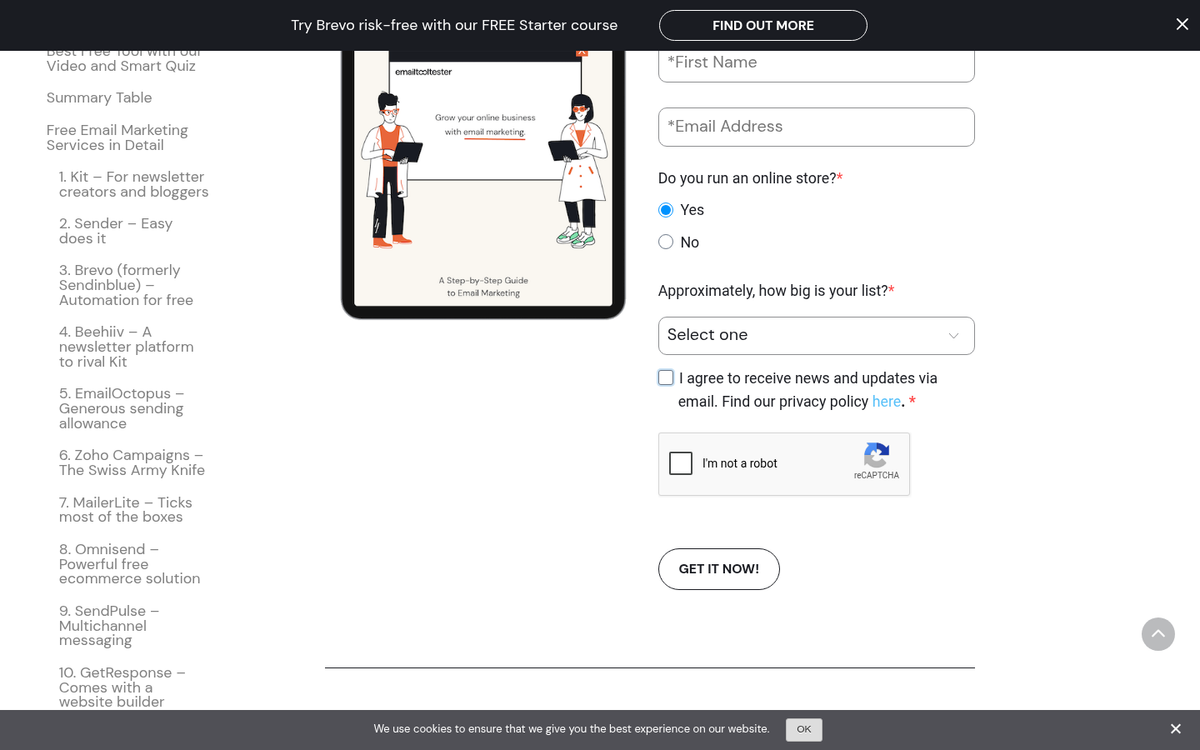
What is it? Newsletters are powerful because they're perhaps one of the most intimate forms of impersonal communication available to you. People jealously guard their email addresses, for fear of spam and unwanted messages from, well, marketers. When they sign up for your newsletter, they're telling you that they actually want to know what you have to say.
Newsletters are especially potent because they aren't controlled by an outside force. There's no algorithm change that makes your newsletter less effective overnight. There's no platform deciding your content doesn't deserve reach. It's just you and a list of people who asked to hear from you. In an era where organic social reach has continued to collapse across nearly every major platform, this matters more than ever.
Platforms like Beehiiv, Kit (formerly ConvertKit), and Substack have made newsletter publishing more powerful and more discoverable than it's ever been. Many newsletters have become standalone media properties in their own right.
How it drives traffic: The first and most obvious way a newsletter drives traffic is through the direct message. You send out a message, "Hey, we published this new blog post, it's about newsletters, you should come check it out." They come check it out, and you bring in traffic.
You can also create segmented newsletters. You can have a set of contacts for people who regularly click the links in your newsletters. You can have a set of contacts for people newly registered, with a dedicated new user follow-up sequence. You can gradually move contacts to a secondary list as they fail to engage, so you can ask them why they're not responding and try to entice them back.
Words of advice, words of warning: newsletters are a direct, intimate form of communication. They're also an implicit bargain. You're claiming you will give your users information they want to see, and that you won't spam them. Send too often and you'll get unsubscribes. Go quiet for too long and your list goes cold. Find a cadence and stick to it. Consistency is the whole game.
3. Niche Communities: Forums, Subreddits, and Beyond

What is it? Traditional web forums haven't gone anywhere, and Reddit has only grown into a more dominant force - so much so that Google now surfaces Reddit threads prominently in search results for countless topics. Beyond Reddit, Discord servers, Slack communities, Circle groups, and niche platforms have become the watering holes where industry conversations actually happen in 2026.
How it drives traffic: when you register and become a member of these communities, you're joining a real conversation. Much like any collaborative social network, you're agreeing to follow the rules. In most cases, this means strict limits on direct advertising. These communities don't like businesses stepping in to post links and disappear. On the other hand, they're often completely fine with a valued, contributing member sharing a link when it's genuinely relevant.
Think of it like off-site contributions on a smaller, more conversational scale. These spaces are informal, so you're not expected to produce lengthy, sourced posts. Instead, you're providing short, valuable comments on ongoing discussions. You're building a presence and a reputation, and that reputation is what drives people back to your site over time.
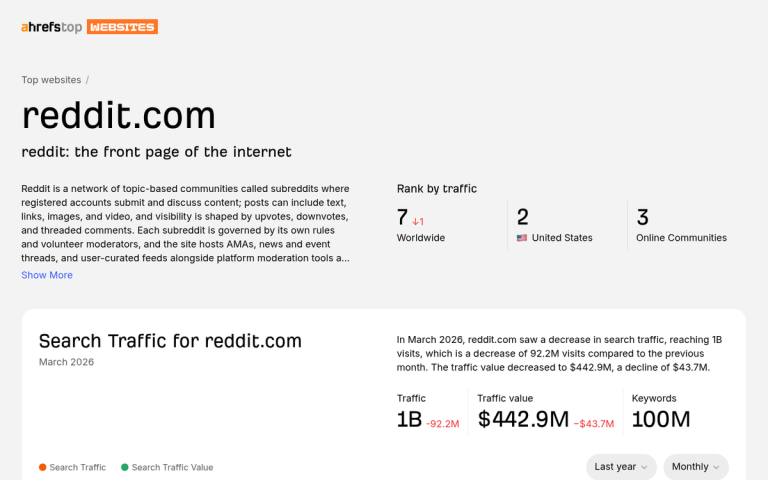
Reddit in particular deserves special attention right now. Because Google is actively surfacing Reddit content in search results, a well-placed, genuinely helpful comment in a relevant subreddit can drive meaningful referral traffic in a way it simply couldn't a few years ago. If you're looking for other platforms worth your time, driving traffic from Pinterest follows a similar philosophy of community-first engagement.
Words of advice, words of warning: follow the community rules and learn the lay of the land. Breaking the rules can lead to a ban. These are your industry peers - you don't want to be seen as a spammer or a self-promoter. Social media tactics that feel manipulative tend to backfire in these spaces just as they do elsewhere. Show up consistently, add real value, and the traffic will follow naturally.
4. Paid Social: Meta, LinkedIn, and Beyond
What is it? Paid social advertising has evolved significantly. Meta's advertising platform (covering Facebook and Instagram) remains one of the most powerful audience-targeting tools available, though the landscape has gotten more competitive and more expensive since the early days. LinkedIn Ads have matured into a genuinely strong option for B2B traffic. TikTok's ad platform, despite ongoing regulatory turbulence in the US market, still commands enormous attention budgets. And platforms like Reddit Ads are increasingly worth experimenting with given Reddit's growing search visibility.
The days of the Facebook Atlas platform are long gone - Atlas was quietly wound down years ago - but Meta's core ad infrastructure has only become more sophisticated, particularly with AI-driven audience targeting and automated campaign optimization tools built directly into the platform.
How it drives traffic: targeted paid placements put your content, products, or offers directly in front of people most likely to care. With proper creative, compelling copy, and smart audience segmentation, paid social can deliver traffic that converts at a very respectable rate.
Words of advice, words of warning: keep your budget small until you know what you're doing works, and then scale up. Start with a clearly defined goal, a specific audience, and a single offer. Test creatives against each other. Don't scale spend until the unit economics actually make sense. Paid social rewards patience and iteration, not big budgets thrown at untested campaigns.
5. Content Strategy: Quality Over Volume
What is it? Blog posts - but in 2026, the advice to just publish more has changed considerably.
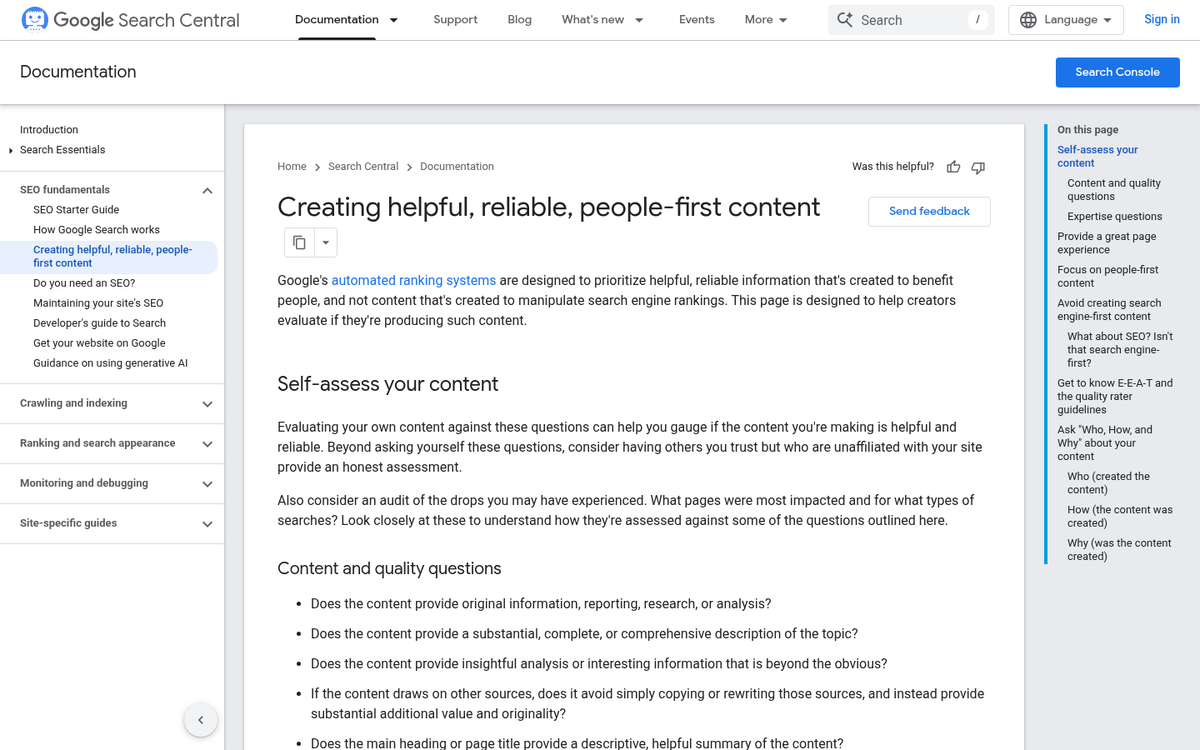
A few years ago, "post every day" was reasonable guidance. Today, with AI-generated content flooding the web and Google's quality standards higher than they've ever been, volume for the sake of volume is actively counterproductive. What matters now is depth, originality, and genuine usefulness.
Think: comprehensive posts that actually answer questions better than anything else ranking for that topic. Original research, data, or perspectives that can't be replicated by a language model in thirty seconds. Content that demonstrates real expertise and experience - what Google has been calling E-E-A-T (Experience, Expertise, Authoritativeness, Trustworthiness) since updating its quality guidelines. Fewer posts, if necessary, but posts that are genuinely the best available resource on their topic.
How it drives traffic: great content is still the foundation of everything else on this list. Every post is an opportunity - a landing page for organic search, something worth sharing in a newsletter, a reason to contribute to a niche community thread, a credential when you're pitching an off-site contribution. Content underpins all of it.
Words of advice, words of warning: Google's Helpful Content updates over the past few years have made clear that thin, templated, or purely SEO-motivated content is a liability, not an asset. Failing to meet quality standards can be very detrimental to a site. Focus on writing for humans first. Demonstrate that a real person with real knowledge wrote what you published. Publish on a consistent schedule, but never sacrifice quality for cadence. One excellent post per week beats five forgettable ones every time.