The normal structure of a blog is pretty haphazard. You write what comes to mind in your content plan, throwing in more timely and relevant content when it's available, and you post it as it comes. If you're being proactive about it, you might have a tag or category system in place to sort different types of content. Someone can visit your site and click on a blog post, but they can't really click on a category to read content in that category. They reach the bottom of a post and they see tags, and they can click to browse a given tag, but that's more of a cluster of content than a silo.
In real life, a silo is a tall vertical structure that holds a single type of content, typically grain or fodder, stored until it is ready to be shipped out or used. The keys here for web content are "tall vertical" and "single type of content."
Here's a real world example. If you go to HubSpot, you'll see "Blog" in the top navigation. Click it and you'll find that they maintain multiple blog silos for different audiences - marketing, sales, service, and more. Each one is its own vertical column of content, organized so that the right reader finds the right material without wading through topics that don't apply to them. That's silo structure working exactly as intended.
There's nothing wrong with taking one approach over another. I would argue that the silo method works best when you have a number of different contributors and you're posting several pieces per day, like HubSpot. When you have that much content, it's easy to lose readers of specific types because you're flooding out the content they want. By organizing everything into a silo structure, each category of readers can read the blog focused on them without being overwhelmed with content they won't find useful.
Meanwhile, the normal tag and category method works just fine for most sites, including almost every small blog and business out there. If you don't run the risk of losing readers in a flood of uncategorized content, you don't need to worry too much about silo structures.
That said, if you do want to implement a silo structure, one thing you can do is have dedicated landing pages for each of them. The silo can stretch to more than just your blog, after all. To continue the illustration with HubSpot, they have landing pages specifically for marketers, others specifically for sales teams, and still others specifically for customer service professionals. These lead not only to the silo blogs, but also to the silo-specific products and features. Rather than clustering everything into one jumbled mess, they silo everything - and it works.
You can do the same with silo landing pages. A good rule of thumb: most businesses should focus on 3-5 primary content silos based on their core services or audience segments. Here are some ways you can do it.
Key Takeaways
- Silo structure organizes content into distinct vertical categories, working best for sites with multiple contributors publishing several pieces daily.
- Most businesses should focus on 3-5 primary silos, with each requiring at least 5 solid content pages to function effectively.
- Each silo needs its own dedicated landing pages, themed services, and advertising campaigns, essentially creating separate experiences under one brand.
- Social media profiles should not be siloed; your brand sits above silos, though audience segmentation tools can target silo-specific content.
- Internal linking should favor a 3:1 ratio of within-silo to cross-silo links, helping search engines recognize and reinforce topical groupings.
1. Determine Which Silos You Want

The first thing you need to do is determine the silos that will be present on your site. Chances are you already have some idea, but you may be going too specific. HubSpot, massive business and blog that it is, keeps its silos relatively few and broad. Your site probably isn't larger, and probably doesn't need more than three or four total. Sometimes even two is enough, though three seems to be the ideal medium.
If you find yourself specifying silos that look like long tail keywords, you're going too far. Long tail keywords all group together around central core keywords; those core keywords are your silos. Long tail keywords are the focuses of the content within the silos. Also keep in mind that each silo should have at least 5 solid content pages behind it before you consider it a functioning silo - a half-built silo sends weak signals to both users and search engines.
2. Create a Logical Silo Structure in Your Navigation

This is where you need to plan out a change in structure. Silo structure necessitates at least a minor change to design. At minimum, you should have your blog button as a drop-down that has links to each of your silo blogs. If you don't have enough varied content to cover multiple silos, you need to branch out more so you can make it work.
You don't need to go all-in with a full website redesign, but you may need to do some overhauling in the back end to make everything function on a logical level. One thing worth keeping in mind: silo structure directly supports all three pillars of SEO - authority, relevance, and experience. Getting your navigation right is the first step toward all three.
3. If Necessary or Possible, Change URL Structure

Silos tend to be organized in a www.example.com/silo1, www.example.com/silo2 sort of way. If your blog is currently stuck under the example.com/blog/article-title format, you're going to need to do some restructuring.
Unfortunately, changing the URLs of blog posts can have a negative effect on your SEO. Google assigns authority to pages via their URL, and when the URL changes, Google effectively treats it as a new page. You will need to implement permanent 301 redirects from old URLs to new ones in order to preserve most of your equity. Ideally, the improved silo structure will help buffer the temporary loss you take from changing so many URLs - and in most cases, it does over time.
One additional consideration in 2026: with site architecture playing an increasingly important role in how crawlers interpret your content, a flat structure where every page is reachable within a few clicks is preferable. Deep site architectures that require 10 or more clicks to reach a page are at a disadvantage compared to flatter ones where key pages are accessible in 4 clicks or fewer. Silo structure, done right, keeps things organized without burying content from crawlers.
4. Create Themed Services for Each Silo
A silo structure is only as good as the content you have to offer for each one. If your services are only aimed at one of three silos, what good are the other two doing? You may be attracting readers, but if your services have nothing to offer them, you're not going to benefit from those silos.
At the very least, you need to make variations of your service for different silos. Even if the service applies to all three, you need to rebrand, spin off, and isolate each silo's offering. This gives you something of unique value to present to each audience, and you can build specific messaging or features for each to cater to that kind of reader or buyer.
5. Create Themed Landing Pages for Each Silo

Now that you have individual blogs and services for each silo, you get to set up landing pages for them. The core concept to keep in mind here is a narrow field of view. Landing pages already need to be specific; keeping them isolated to each silo only sharpens that focus. Even if you're working from a similar template for each silo, you want to optimize the copy, imagery, and calls to action specifically for that silo's audience. Each silo will, ideally, attract a different primary type of user. You can further optimize for these users by setting up individual silo mailing lists, tailored to the needs of each group.
6. Set Up Themed Advertising for Each Silo
Are you seeing the pattern yet? At this point you should be. You're essentially branching your single business into three related but separate experiences, all under the same brand. Each silo gets its own unique instance of each part of your marketing - your blog, your content, your landing pages, and now your advertising.
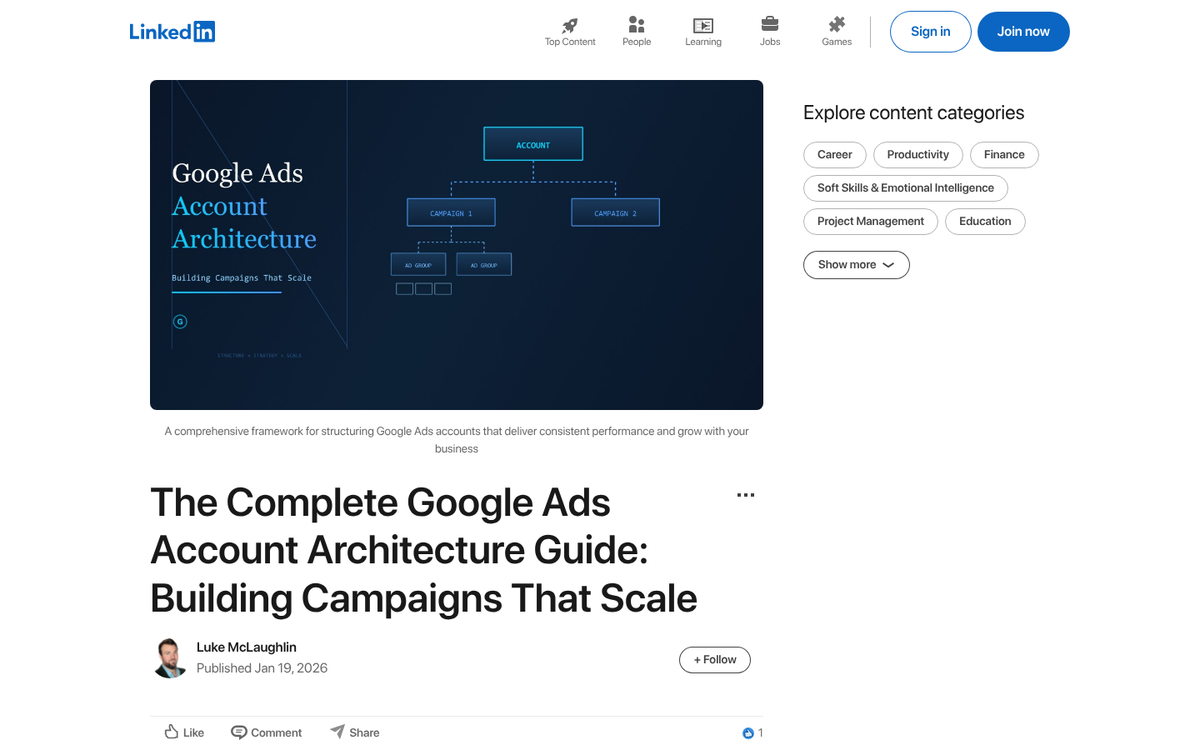
In practice, this means splitting your paid campaigns into different ad groups or campaigns, one per silo. You can't meaningfully compare one silo against another in a split test; they have different audiences, so targeting will either be too vague or too skewed. You may need to distribute your budget differently across the three groups, but focused spending tends to drive better results than broad, undifferentiated campaigns.
7. Don't Divide Social Profiles

The one area of your marketing that you don't want to segment into silos is your social media presence. It's hard enough to grow one profile without trying to splinter your audience across several. Think about it this way: your advertising directs people to your silos, but your social media profiles are part of your brand. Your brand sits above and oversees your silos - it's not buried down among them.
The one concession you can make to silo structure in social media is through content targeting and audience segmentation. Most major platforms now give you tools to track and manage your social traffic to target specific content toward specific segments of your audience, so you can keep one profile while still speaking to each silo's readers when relevant.
8. Be Willing to Prune or Spin Off Silos
Keep an eye on your silos as you go. There may come a time when one silo is dramatically underperforming compared to the others. This might be an indication that your audience doesn't care much for that topic, and you can either roll it back into your other silos or drop it altogether. If a silo is consistently struggling, it may even be worth asking yourself whether it's time to sell off that part of your website entirely.
Conversely, you might discover that one silo is getting the lion's share of attention. Splitting that silo into two more focused ones may help you diversify and serve that audience even better. Two well-defined silos will almost always outperform one oversized, loosely defined one.
9. Contribute to Each Silo Equally
Before you go splitting or killing individual silos, make sure you're using them properly. The number one problem people have with a silo structure is not utilizing each one to its fullest. If you have three silos and one of them gets one post per day, one gets two posts per day, and one gets five posts per day, the most active one is almost certainly going to perform the best - not because the silo works better, but because it's getting all the attention.
Make sure you're not neglecting a silo, lest you run into issues with seemingly underperforming campaigns. An underfed silo isn't a failing strategy - it's an incomplete one. Equal investment is the only fair way to evaluate what's working. If you're unsure how to balance your content output, learning how to properly combine old posts into new resources can help you redistribute value across silos more evenly.
10. Cross-Link Silos Liberally

With a silo structure, there are two kinds of internal links you can build. One is the in-silo link, which connects one post to another within the same silo. The other is the cross-silo link, which connects content across different silos. Both are valuable, but you'll want to lean toward in-silo links more heavily.
The reason is to help search engines recognize and reinforce the silo structure. They'll pick up most of it from your URL structure, but internal linking patterns add an important layer of topical signal. A ratio of roughly 3:1 - three links within the silo for every one link crossing to another - is a solid guideline. This builds three distinct webs of related content, all of which connect back to your overall brand.
11. Make Use of Breadcrumbs
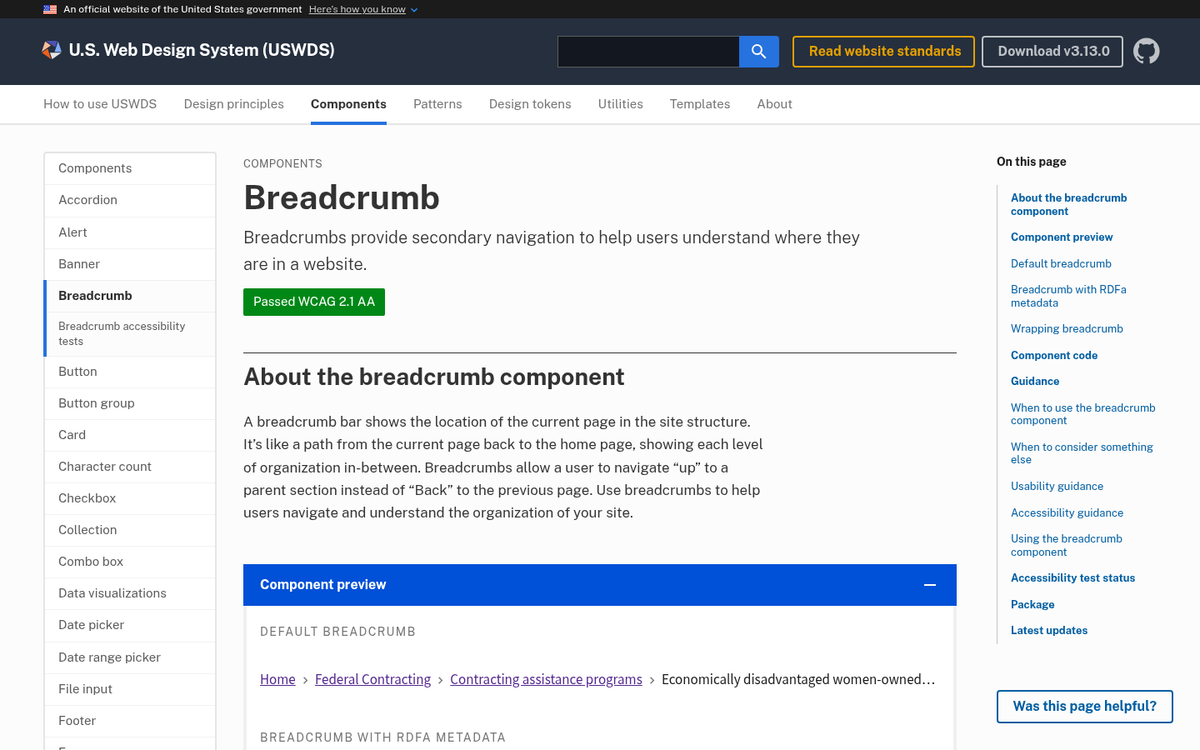
Breadcrumbs at the top of your pages help a great deal with silo structure navigation.
The format will look generally like this:
Brand > Blog > Silo Name > Subcategory > Post
This gives users the ability to quickly navigate categories within your silos, and to step back up to the main silo index without hunting around. It also gives search engines a clear map of your site hierarchy, reinforcing the topical groupings you've worked to build. In 2026, with Google placing increasing emphasis on site structure and user experience signals, breadcrumbs are a small implementation that carries meaningful weight.
What do you think about silo structure? It remains relatively rare online, partly because most blogs are treated as single, undifferentiated entities. But for businesses with distinct audience segments or service lines, starting a silo structure early can lay the foundation for much easier expansion later - and give you a real edge in topical authority as search engines continue to reward well-organized, clearly themed sites.