





BuySellAds, if you couldn't tell from the name, is a marketplace where advertisers and publishers meet up and connect. Publishers can present their site statistics, their ad slots, and their desired prices. Advertisers can then purchase those ad slots at fixed 30-day rates. Through it all, BuySellAds takes a 25% commission - notably lower than the 30-40% that most competing ad networks charge - allowing publishers to keep more of what they earn.
BSA is a solid platform for monetizing your site, but it does have a barrier to entry. They typically require at least 50,000 page views per month for approval, and you should expect the application process to take around 4-5 working days. Once you're in and have built a critical mass, you're in good shape - but there's always room to grow your revenue. Here are five tricks you can use to make more money, both in getting started and in moving forward.
Key Takeaways
- Stick to image ads for better site integration and genuine engagement, but consider newsletter sponsorships if you have a healthy subscriber list.
- Place fewer, well-positioned ads rather than cluttering pages, as Google penalizes ad-heavy layouts and user experience suffers.
- Growing organic traffic attracts advertisers and allows you to incrementally raise rates by around 10% per filled slot.
- Manage inventory carefully since fixed 30-day rates mean empty slots are permanently lost revenue - use BSA's backfill tools.
- Reject spammy or irrelevant ads; they damage reader trust, increase bounce rates, and send negative signals to Google.
1. Stick to Image Ads
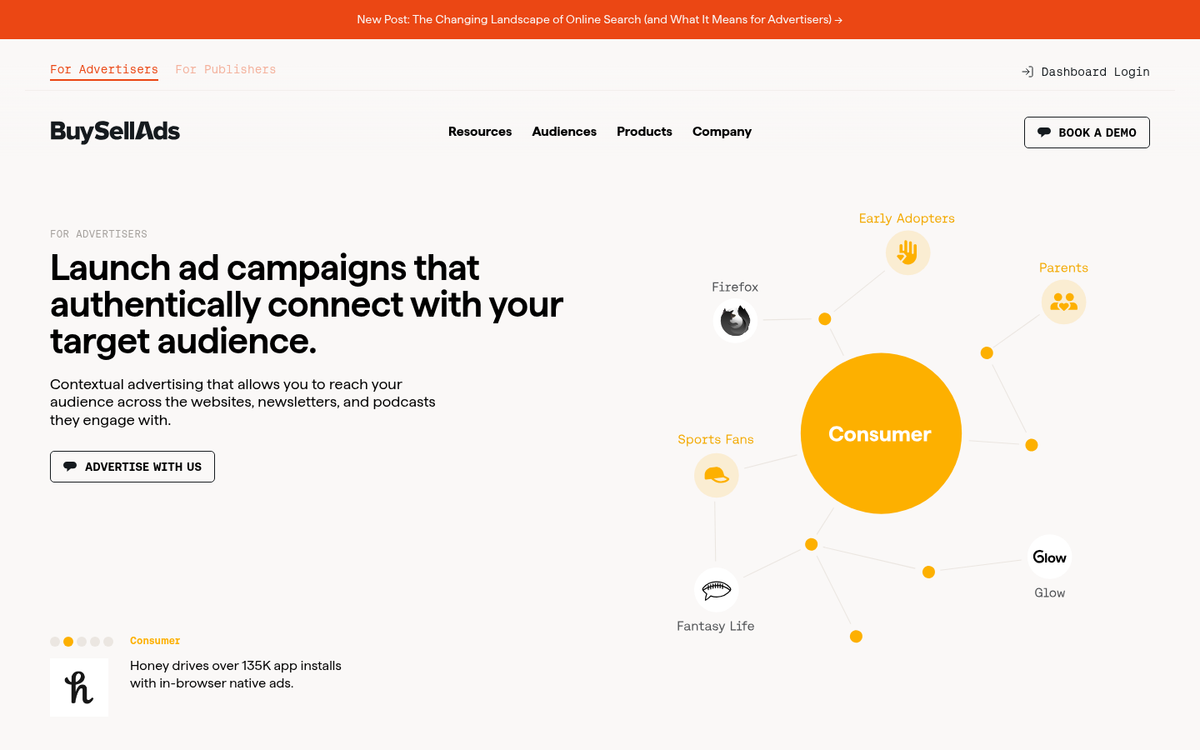
BSA offers several types of ad formats. These include:
- Display image ads
- Text and image combination ads
- RSS feed ads
- Newsletter and email sponsorships
In general, you want to stick with image ads. Graphical ads are easier to integrate with your site design and easier for visitors to distinguish from your content. That visible contrast is actually a good thing - it means people recognize the ad for what it is, engage with it deliberately, and you get credit for a genuine impression or click.
That said, don't be afraid to test formats. Newsletter and email sponsorships have become increasingly lucrative on BSA, especially if you have a healthy subscriber list. BSA has leaned into this format heavily in recent years, and publishers like Axios have reportedly unlocked tens of thousands of dollars in additional revenue by opening up newsletter sponsorship slots through the platform.
2. Assign Prime Zones to BSA Ads
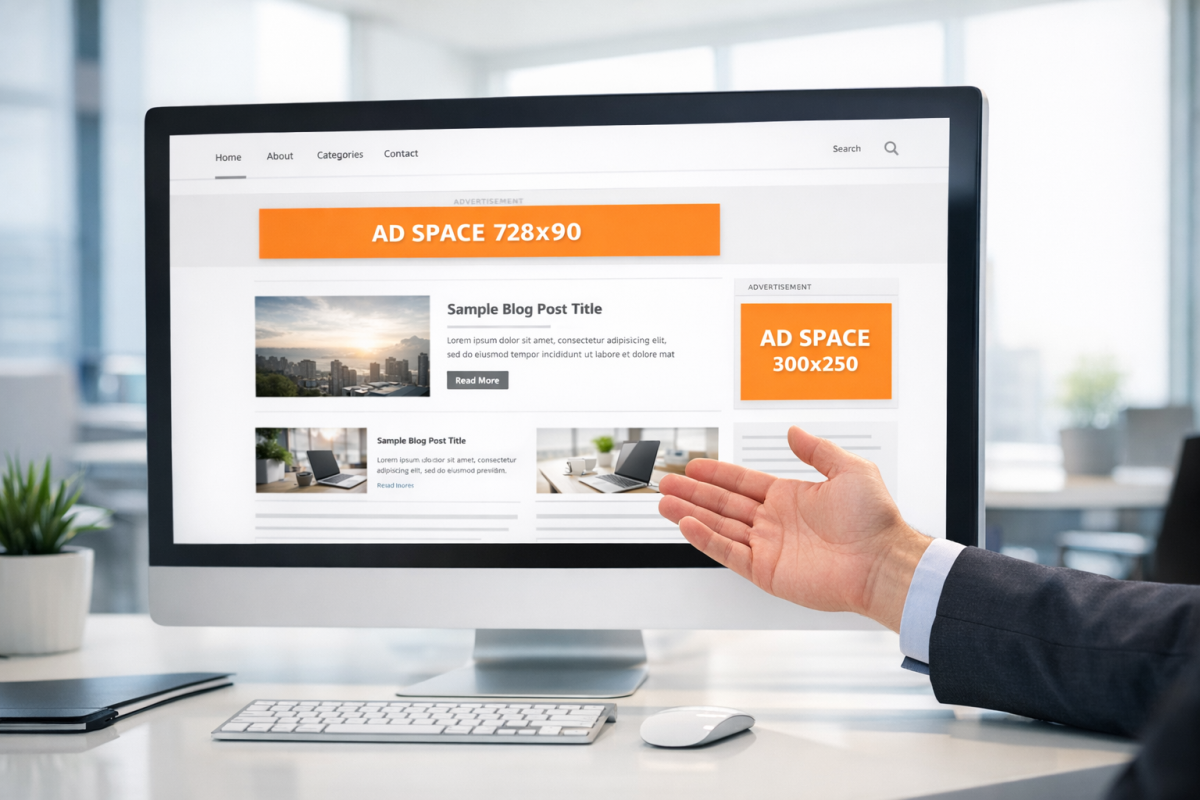
When you're assigning ad zones to BSA, you have a few choices to make. Here are some general guidelines:
- Less is more. One or two well-placed ads at a higher rate will outperform six scattered throughout the page. Google has grown increasingly strict about ad-heavy pages, and cluttered layouts hurt both rankings and user experience.
- Decide whether a prime spot is better used for a BSA ad or for promoting your own products or services. If you can convert that space into direct sales revenue, it may outperform what any external advertiser would pay.
- Make sure your ads are well integrated with your overall site design. You want them to be noticeable without being jarring - nothing that clashes visually or looks like it wandered in from a 2009 content farm.
Research which above-the-fold and sidebar positions have historically performed best for display advertising, and apply those same principles to your BSA placements. The fundamentals haven't changed much, even if the landscape has.
3. Increase Your Traffic

You knew this one was coming. Growing your traffic has compounding benefits on BSA. First, traffic volume is one of the primary factors advertisers look at when browsing the marketplace - more eyeballs means a more attractive listing. Second, once your numbers climb above key thresholds, you transition from hunting for advertisers to having them come to you.
At that point, you can start incrementally raising your rates. A modest increase of around 10% per filled slot is a reasonable pace - enough to grow revenue without spooking current or prospective advertisers. CodePen is a real-world example of this working well; they've reportedly grown quarterly BSA revenue by over 10% consistently by managing their inventory carefully and keeping their audience engaged and growing.
Focus on building real, organic traffic through content, SEO, and community. Purchased traffic has largely become more trouble than it's worth - most ad platforms, including BSA advertisers, are sophisticated enough to spot inflated or low-engagement numbers, and it can damage your credibility on the platform.
4. Keep Your Inventory Tight and Filled
One of the practical realities of BSA is that ads are sold at fixed 30-day rates. That means any day an ad slot sits empty is revenue you simply don't get back. Take inventory management seriously - know your fill rates, know which slots move quickly, and consider whether underperforming slots should be retired or repositioned.
BSA has tools to help backfill unsold inventory, and it's worth taking advantage of them. The goal is to make sure that your highest-value slots are always earning, even during slower booking periods. Treat your ad inventory like a small media business, because that's effectively what it is.
5. Reject Low-Quality Ads

This is a skill you'll develop over time. When an advertiser purchases one of your ad slots, you typically get to review the creative before it goes live. Use that review process seriously - your reputation is on the line with every ad you run.
Spammy, misleading, or off-topic ads hurt you in multiple ways. They erode reader trust, increase bounce rates, and can draw negative signals from Google. What you gain in short-term fill revenue, you'll lose in long-term organic performance and audience loyalty.
The bar here is simple: would you be comfortable if your best readers saw this ad? Is it relevant to your niche? Does it come from a legitimate business? If the answer to any of those is no, reject it. An empty slot is almost always better than a bad one.
When in doubt, prioritize relevance. Even a beautifully designed ad for something completely unrelated to your audience's interests will feel out of place - and your readers will notice.

1 response
Thoughtful replies only - we moderate for spam, AI slop, and off-topic rants.
Thanks for this, Kenny! I loved your tip on using BSA's unreserved program; I'll be giving it a try and changing some things up a bit to see how it affects revenue. Cheers