





Key Takeaways
- Alexa.com was shut down by Amazon in May 2022; alternatives like Semrush, Similarweb, Ahrefs, and Moz now fill that gap.
- Verify your site on Google Search Console and Bing Webmaster Tools to ensure proper indexing and visibility.
- Focus on real, qualified traffic through high-intent content, email list building, and video rather than gaming outdated metrics.
- Quality backlinks remain a top ranking signal; earn them through content marketing, digital PR, and journalist outreach platforms like HARO.
- Legitimate paid traffic via Google Ads, Microsoft Ads, and paid social is valid; avoid bot traffic and click farms entirely.
Wait - Alexa Is Gone. Here's What Actually Matters Now.
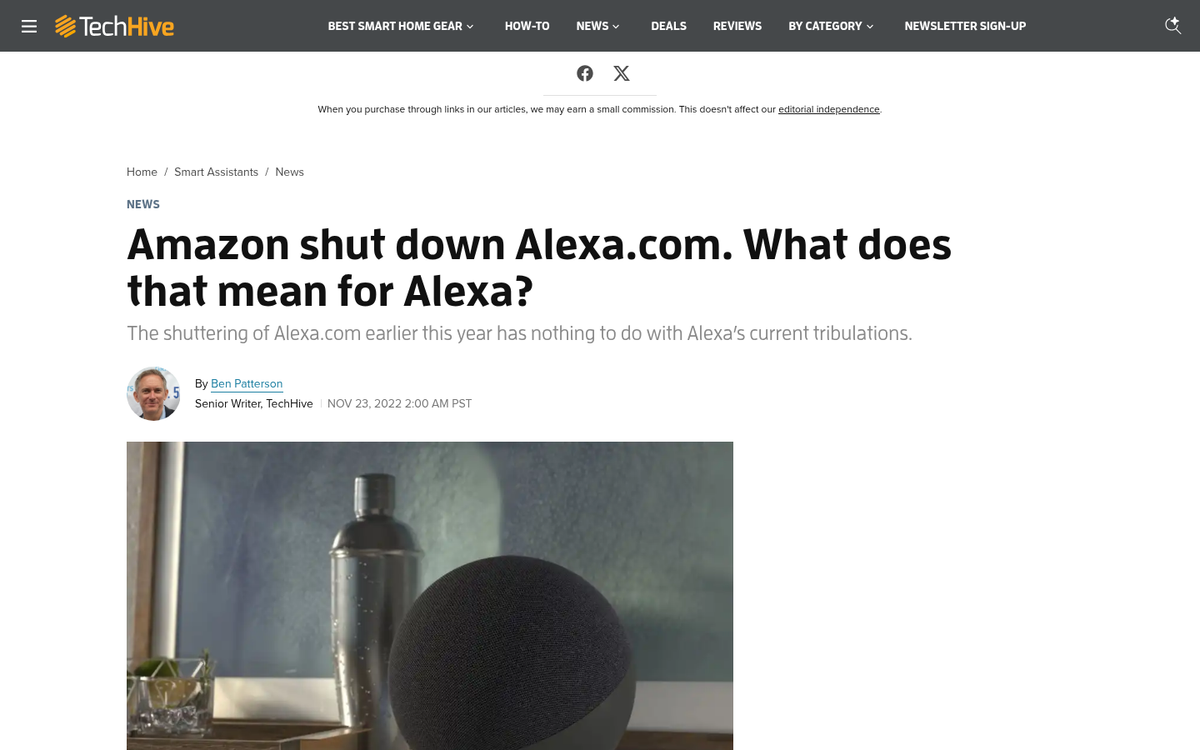
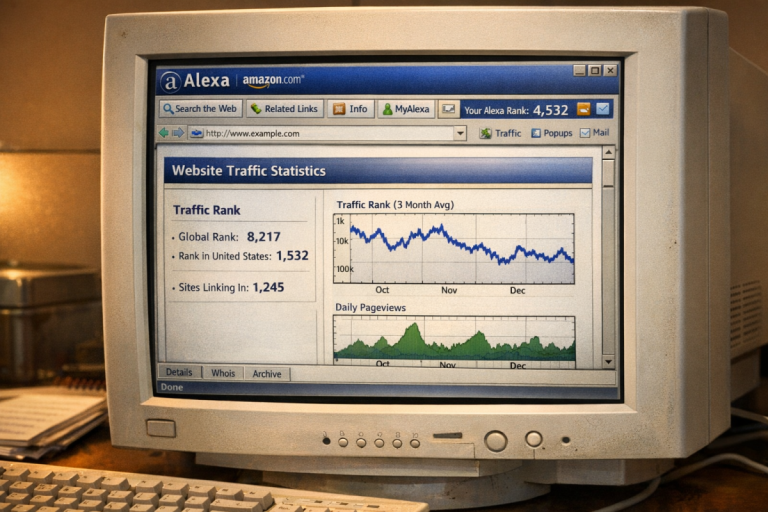
If you've landed on this page looking for tips to improve your Alexa rank, there's something important you need to know first: Alexa.com was officially shut down by Amazon on May 1, 2022. The toolbar, the rankings, the site profiles - all of it is gone. If you're still chasing an Alexa rank in 2026, you're optimizing for a metric that no longer exists.
That said, the underlying goal here - improving your site's visibility, authority, and traffic metrics - is still completely valid. Let's talk about what actually matters in 2026 and what you can do about it.
What Replaced Alexa?
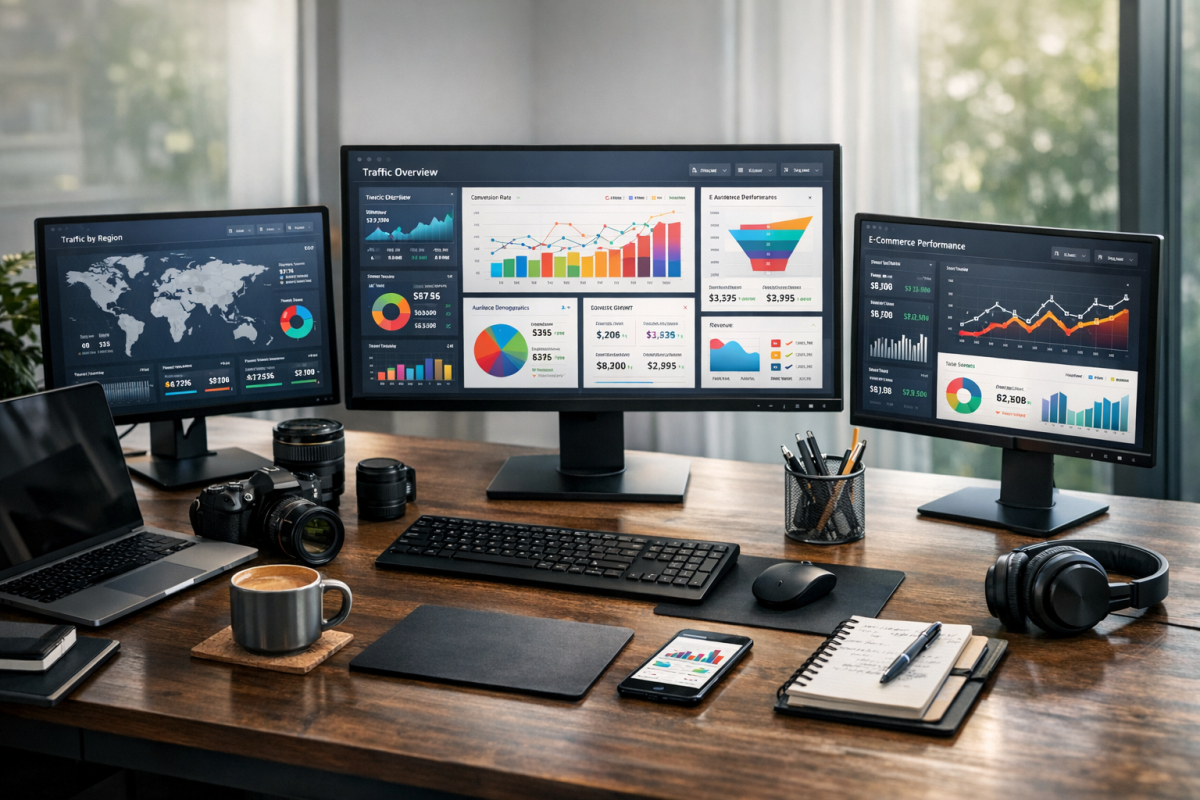
Several tools have stepped in to fill the void that Alexa left behind. The most widely used alternatives today include:
- Semrush Traffic Analytics - Widely considered the closest like-for-like replacement. Gives you estimated monthly visits, traffic sources, bounce rates, and competitive benchmarking.
- Similarweb - Another popular tool for traffic estimates and audience insights. Frequently used by advertisers and media buyers who previously relied on Alexa data.
- Ahrefs Site Explorer - Particularly strong for backlink analysis and organic traffic estimation.
- Moz Domain Authority - A widely referenced score for measuring a site's overall authority and link profile strength.
If you're trying to benchmark your site against competitors or demonstrate authority to potential partners or advertisers, these are the tools you should be referencing in 2026 - not Alexa.
1. Claim and Optimize Your Presence on Relevant Platforms
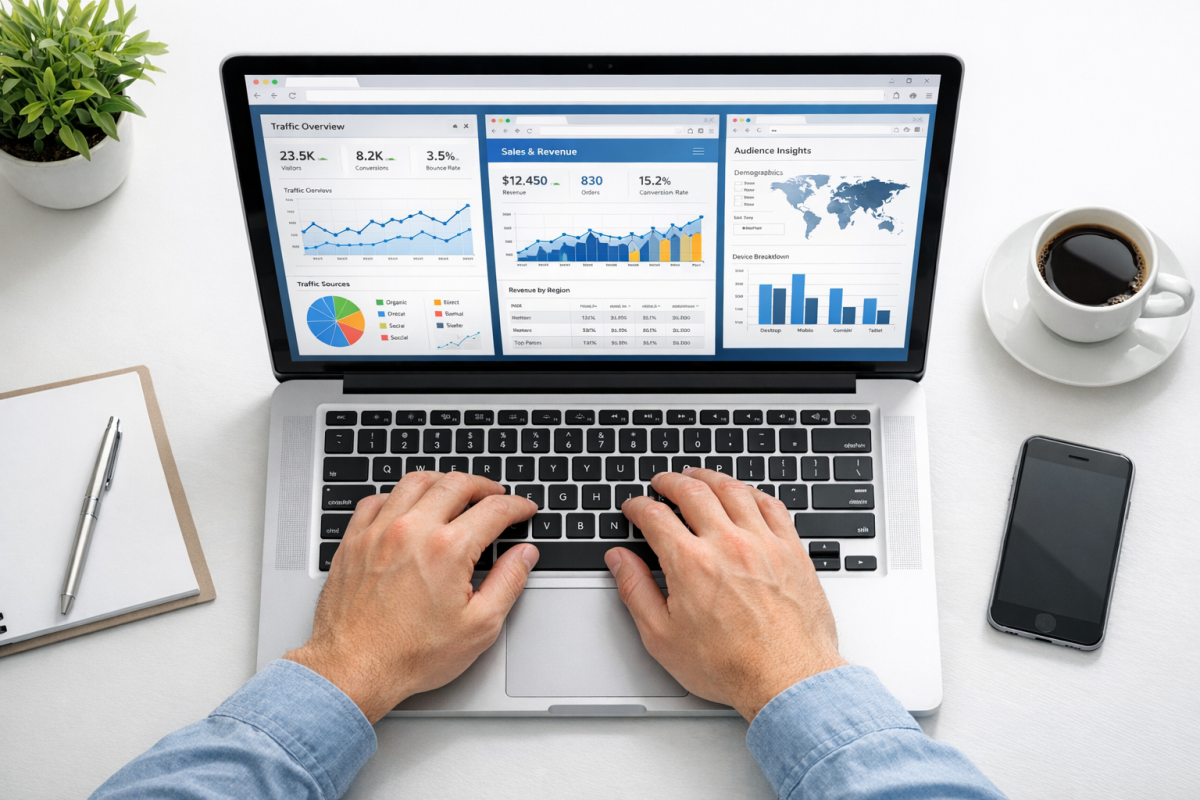
The principle behind claiming your Alexa profile was sound, even if the platform is gone. In 2026, the equivalent is making sure your site is properly verified and optimized across the platforms that actually matter:
- Google Search Console - Verify your site, monitor indexing coverage, and track how Google sees your pages. This is non-negotiable.
- Bing Webmaster Tools - Often overlooked, but Bing has grown its market share and is now deeply integrated with Microsoft's AI-powered search features. If you're looking to capitalize on that, check out our guide to cheap Bing PPC traffic.
- Semrush or Similarweb profiles - While you can't "claim" these the way you could an Alexa profile, keeping your site active, well-linked, and frequently updated ensures these tools accurately reflect your traffic. For a deeper look at how these estimators compare, see our SimilarWeb vs Alexa breakdown.
2. Focus on Traffic Quality, Not Toolbar Tricks
One of Alexa's biggest criticisms was that its data was heavily skewed toward users who had installed the Alexa toolbar - a tiny, unrepresentative sample of all web users. There are now over 1.7 billion websites on the internet, with roughly 576,000 new ones created every single day (WebsiteSetup, 2026). In that kind of environment, gaming a toolbar metric was never a real growth strategy.
What actually moves the needle today is driving real, qualified traffic to your site:
- Invest in content that targets high-intent search queries - both traditional SEO and paid search strategies increasingly reward depth and relevance over keyword stuffing.
- Build a strong email list - owned audiences built with proper opt-in practices are more valuable than ever as organic reach across social platforms continues to decline.
- Leverage video and short-form content - platforms like YouTube remain powerful traffic drivers when content is genuinely useful.
3. Build a Strong Backlink Profile
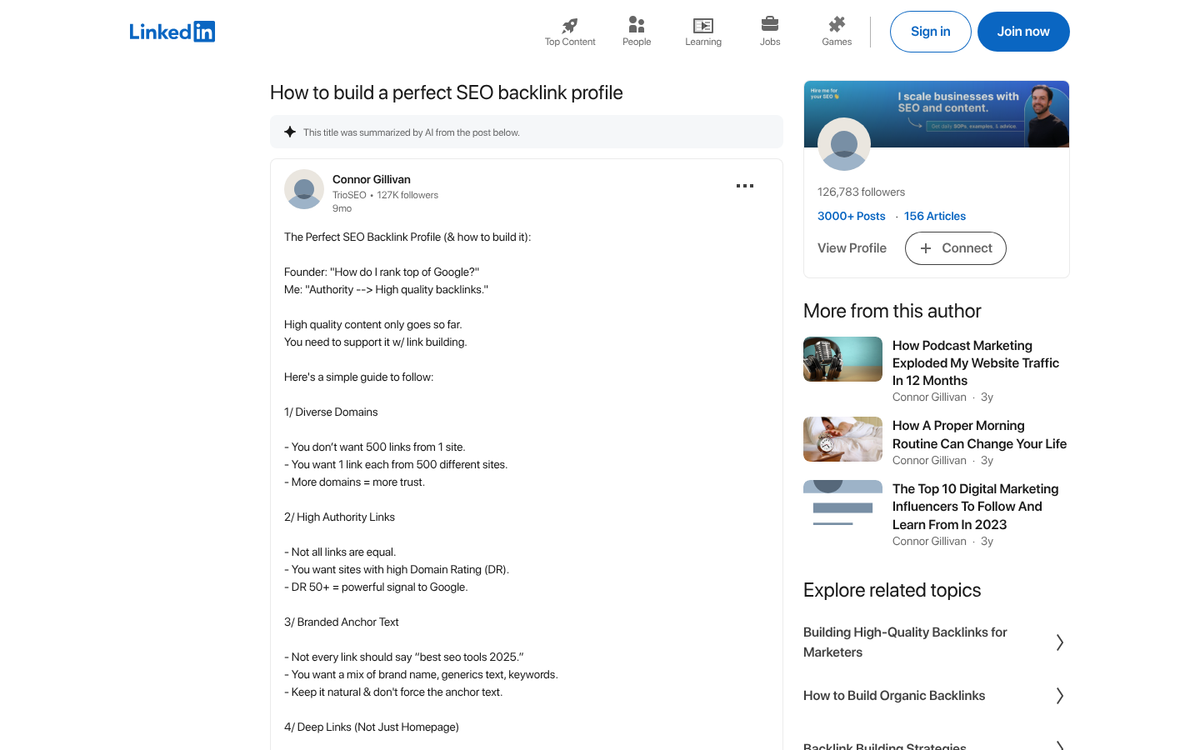
This advice hasn't changed - quality backlinks remain one of the most important ranking signals in 2026. What has changed is how you earn them effectively.
- Publish content frequently and at a high standard. With 67% of B2B buyers relying more on content than on sales outreach or other research methods, content marketing continues to drive real business outcomes - not just rankings.
- Use digital PR and media outreach. Getting featured in industry publications, podcasts, and authoritative blogs builds links that carry genuine weight.
- Try platforms like Help a Reporter Out (HARO) or its successors. These platforms connect journalists with expert sources. Sites with meaningful traffic and authority get the most traction here - yet another reason to focus on real growth metrics.
- Avoid toxic links. Spam link schemes, link wheels, and paid link networks continue to draw Google penalties. The risk-to-reward ratio has never made sense, and it still doesn't.
4. Invest in Legitimate Paid Traffic Strategies
Buying traffic the right way is still a perfectly valid strategy - the key word being the right way. In 2026, that means:
- Google Ads and Microsoft Ads for high-intent paid search traffic.
- Paid social campaigns on platforms like LinkedIn (especially for B2B), Meta, and YouTube.
- Sponsored content and newsletter placements in your industry's most-read publications.
What you still want to avoid is purchasing bot traffic, click farms, or any service that promises massive traffic spikes with no targeting rationale. These inflate your numbers temporarily and damage your site's engagement metrics - which are increasingly factored into how platforms rank and recommend your content.
The bottom line: Alexa is gone, but the goal of building a high-traffic, authoritative, well-respected website is more relevant than ever. Focus your energy on tools and strategies that reflect how the web actually works in 2026, and you'll be in a much stronger position than anyone still chasing a metric that hasn't existed for years.


1 response
Thoughtful replies only - we moderate for spam, AI slop, and off-topic rants.
thank you for the useful information you provided. I just started blogging 4 months ago, still in the process of building my alexa rank up.