Here's a question for you: what's the difference between clickbait and a good call to action? After all, the entire point of a clickbait headline is to get you to click the title; the entire point of a CTA is to get you to click the button to convert. The only difference is that a CTA needs to be better researched and backed up with more evidence, because a conversion is worth more - and is consequently harder to get - than a title click.
Key Takeaways
- Clickbait works through curiosity and deprivation psychology, withholding conclusions to compel clicks and create a gnawing need for answers.
- Platforms like Facebook and Google actively suppress clickbait, so sensational headlines must be backed by genuinely substantive content.
- Upworthy's 25-headline rule highlights the importance of testing; use email segments to identify which headlines drive the highest click-through rates.
- SEO fundamentals still matter - keyword research and search intent remain essential, especially with AI Overviews reshaping how content is discovered.
- Meta descriptions are often overlooked but critical; they should extend the headline's hook and give readers one final reason to click.
1. You'll Never Guess Why

The first thing to learn about clickbait is the reason it's so effective. Those reasons are based firmly in psychology. According to research, it all comes back to curiosity and deprivation.
Every clickbait title has something in common: the sentence, in and of itself, tells you almost nothing about the content of the article. Take these two potential titles, for example:
- Why You Should Never Boost Facebook Posts
- This Marketer Boosted a Facebook Post: What Happens Next is Awful
They both would potentially link to the same post about the Boost Posts button on Facebook. They both carry a negative bias towards the feature. The difference is, the first one signals its conclusion upfront. The second title withholds that; it makes you wonder what happens. That's the curiosity.
The deprivation comes from not clicking the headline. You have the question planted in your head, and in order to find the answer, you have to either do research yourself or click through. That gnawing feeling lasts until you give in and click, or forget about the topic entirely.
Clickbait operates by volume, not by widespread appeal. Only one in a thousand people might be compelled to click a given title, but a site built around clickbait has hundreds of titles just like it, designed to appeal to every possible visitor.
2. Number Two is My Favorite

So, clickbait works. It's annoying, but effective. On the other hand, it's widely considered dishonest and detrimental to a positive browsing experience, which is why platforms like Facebook and Google have spent years actively suppressing it in feeds and search rankings.
By 2026, algorithm updates across Meta, Google, and even AI-powered search features have become increasingly sophisticated at identifying and demoting shallow, misleading content. If you're using excessive hyperbole or outright deceiving your users, your content isn't just going to underperform - it may be actively buried.
To use clickbait-style headlines effectively, you need to live up to the expectations they set. The dissonance between a sensational title and weak content is exactly what platforms are trained to penalise, and exactly what sends your bounce rate through the roof.
3. Big Companies Hate Him
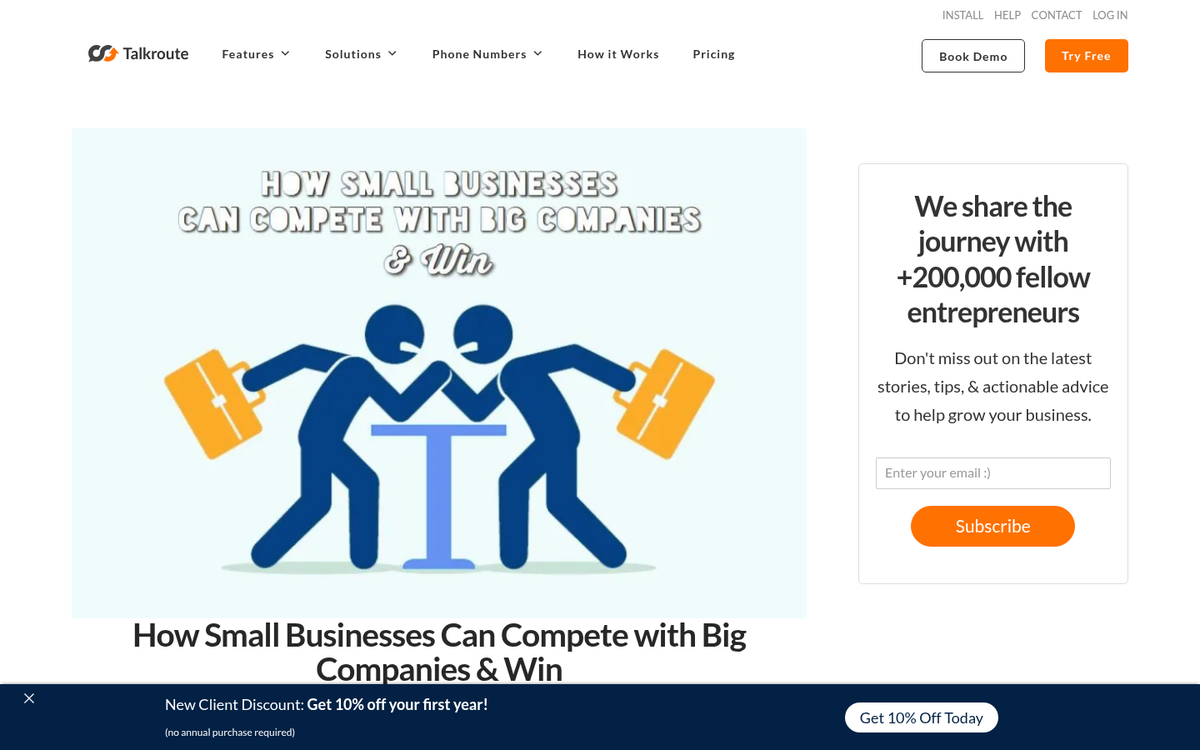
No, big companies don't hate him. Big companies have probably never heard of him.
But this style of headline has endured because the underlying idea is genuinely compelling: the specialist wins. The underdog wins. The idea is that the person in question has found something more effective, more affordable, or more insightful than whatever the big players are offering. In marketing terms, it's the difference between being a case study in a field full of anecdotes - something of substance, something with evidence and real-world support. Guerilla marketing techniques often tap into exactly this dynamic, helping smaller players punch above their weight.
That's the standard your content needs to meet if you're borrowing this kind of framing. The headline makes a bold promise; the content has to deliver on it.
4. What We Found Was Shocking
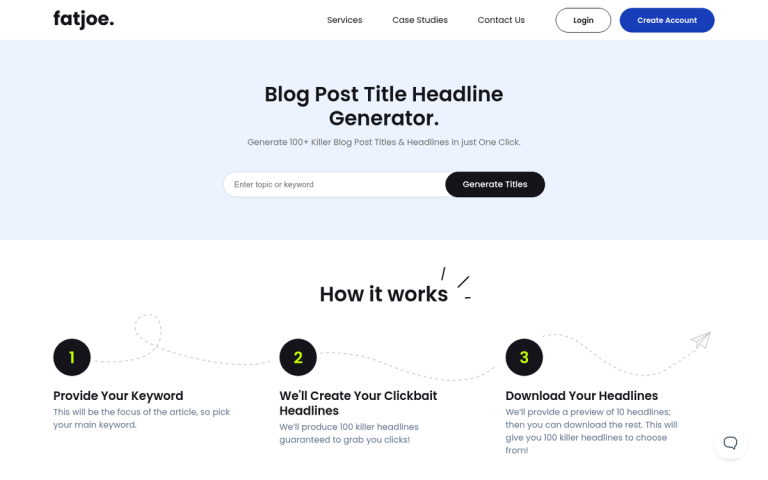
Upworthy has a well-known policy for contributors: each time you submit a post, you need to submit 25 headlines along with it. That's right - 25. Twenty-four are discarded. The process of choosing that one standout title has been whittled down to a science.
The lesson here is simple: test everything. One reliable way to test headlines as a marketer is through your email list. Segment your subscribers into roughly equal groups and send them the same message with one variable changed - the subject line or headline. Whichever version drives the highest click-through rate tells you what's working. You can then update the live post to match.
This applies beyond just titles too. Test the number of tips in a listicle, the framing of your hook, even the tone. If you write 14 tips and find that 12 performs better in testing, simply restructure - move the weaker two to a "bonus" section and call it done. Data should be driving these decisions, not gut instinct alone.
5. We All Know It, But The Way He Says It...
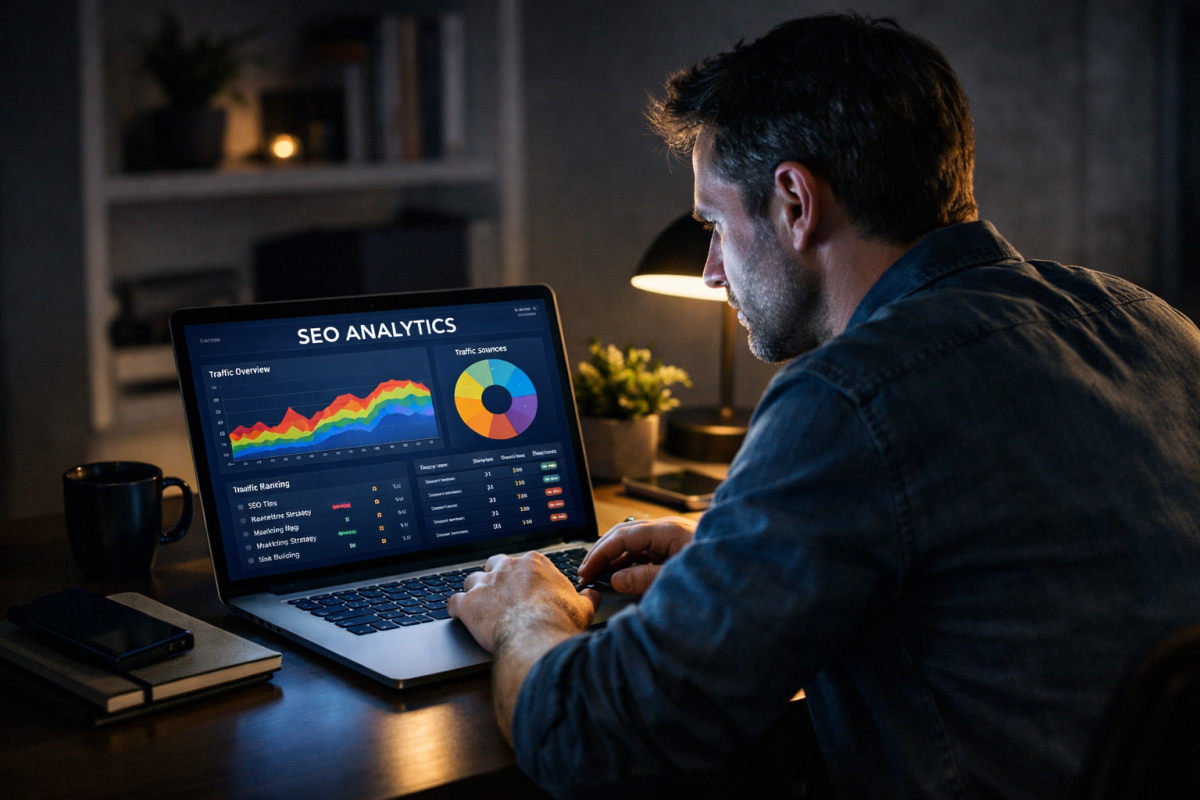
This is marketing, this is SEO - everything is carefully crafted to appeal to the right people in the right ways. You can't abandon the fundamentals of SEO in your pursuit of an attention-grabbing headline. Keyword research still matters. Search intent still matters. In fact, with AI Overviews now appearing at the top of Google results and pulling answers directly from well-structured content, getting the basics right matters more than ever.
Clickbait titles are shallow by design. They hook you in for a few seconds, deliver the content equivalent of a piece of candy, and send you on your way. That model worked when social sharing was the primary distribution channel. Today, with organic reach on social platforms at historic lows and AI-generated summaries reshaping how people consume search results, content that lacks depth is being filtered out faster than ever. Substance is no longer optional - it's the cost of entry.
6. What Happens Next Will Surprise You!

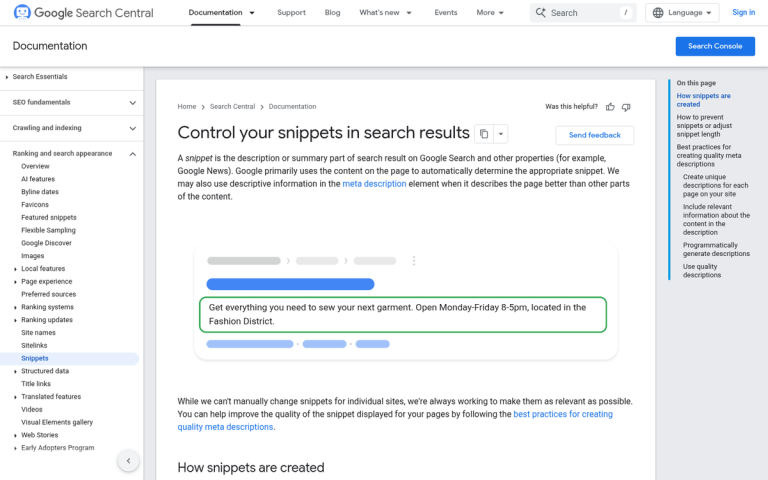
One thing many people overlook is the subtitle, or dek, of a post. In SEO terms, this often becomes the meta description - the snippet of text that appears beneath your headline in search results, social previews, and link shares. Most people treat it as an afterthought. Clickbait practitioners have always understood its power.
What works is making the description continue where the title leaves off. Your headline creates the hook; your meta description deepens the intrigue and gives people one more reason to click. Together, they form a two-part narrative that draws the reader in without needing to cram everything into a six-word title.
In 2026, this is more important than ever. With Google's search results increasingly dominated by AI-generated summaries and featured snippets, your meta description may be the only piece of your own copy that a potential visitor actually reads before deciding whether to click through at all. Make it count.