Key Takeaways
- Only 20% of readers read past the headline, making your blog title the single most important element of any post.
- Effective headlines use numbers, superlatives, specific terms, and clear benefits to set expectations and attract the right readers.
- Avoid clickbait curiosity-gap tactics; Google now actively deprioritizes headlines that sensationalize or misrepresent content.
- Keep titles under 65 characters and 6-7 words, but never sacrifice clarity or value just to hit a character count.
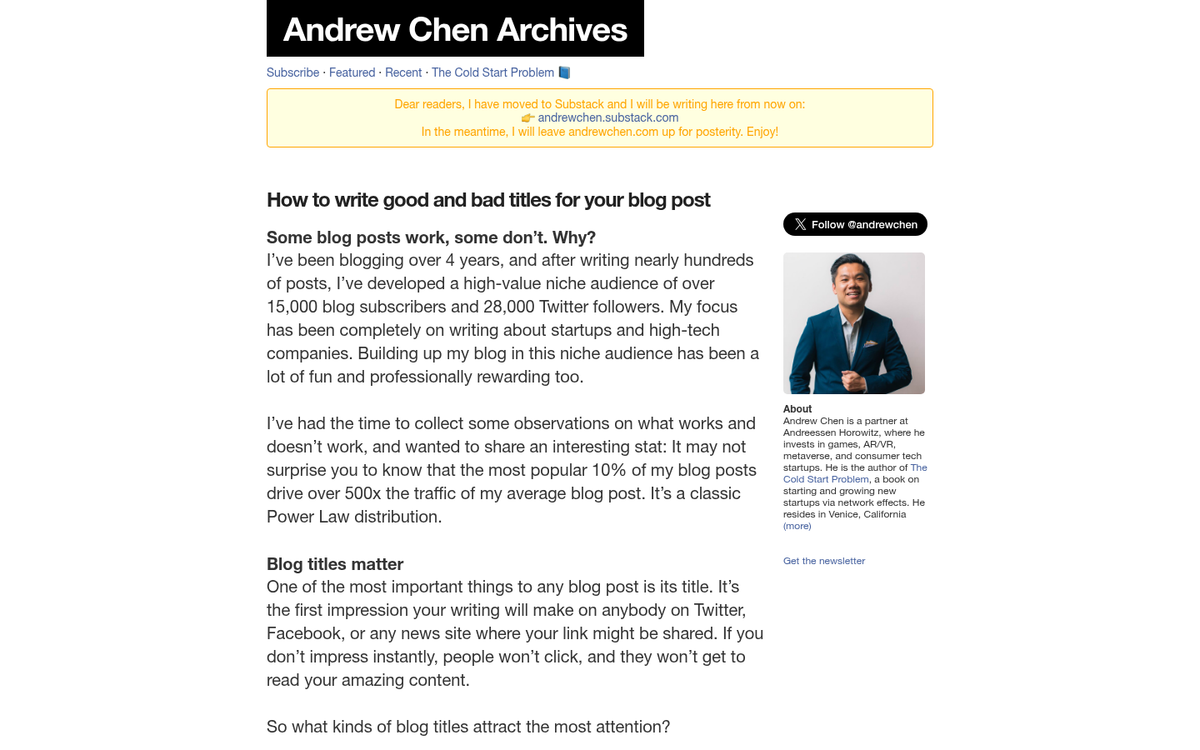
- Never settle for your first headline; Upworthy writes 25 per post, then selects the strongest using human judgment.
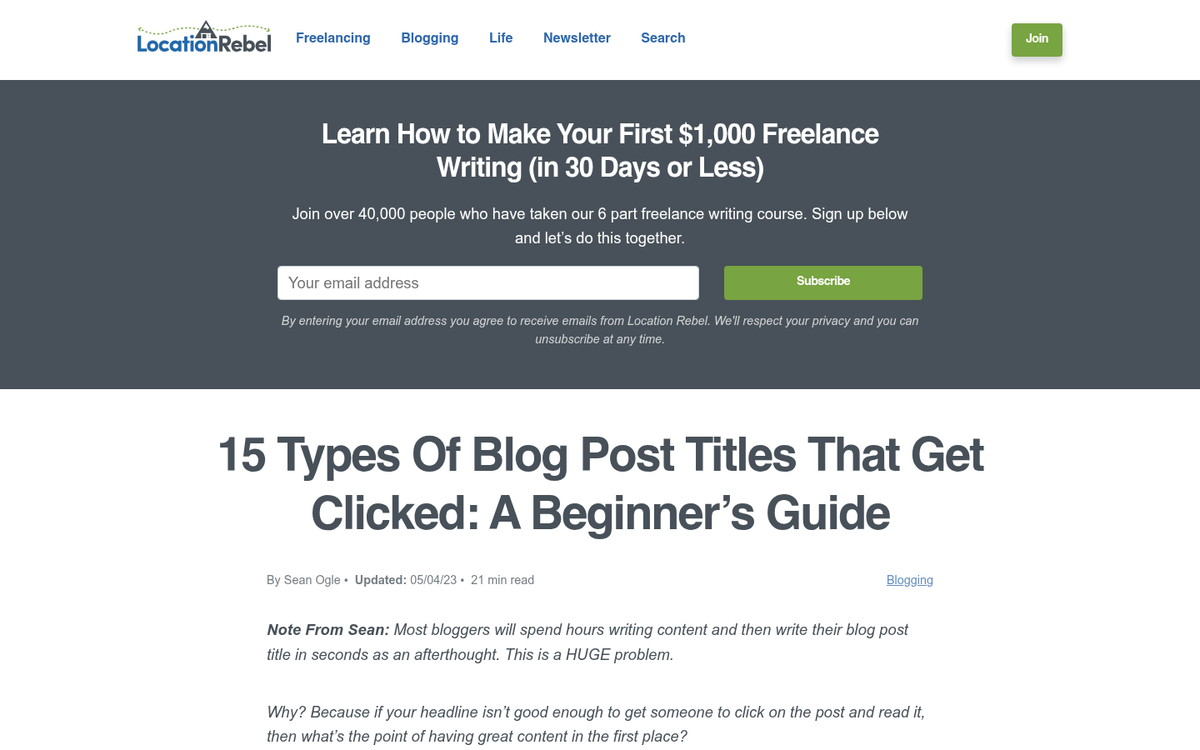
Your blog headline is possibly the most important part of a blog post. Studies show that only about 20% of readers read past the headline - everyone sees the title. But very few click through to reading. From a Google search results page, you get a headline and a meta description to draw readers. But users make their choice based on the title alone. On social media, this is even more true, with places like X (formerly Twitter) truncating or paying attention to nothing except the headline.
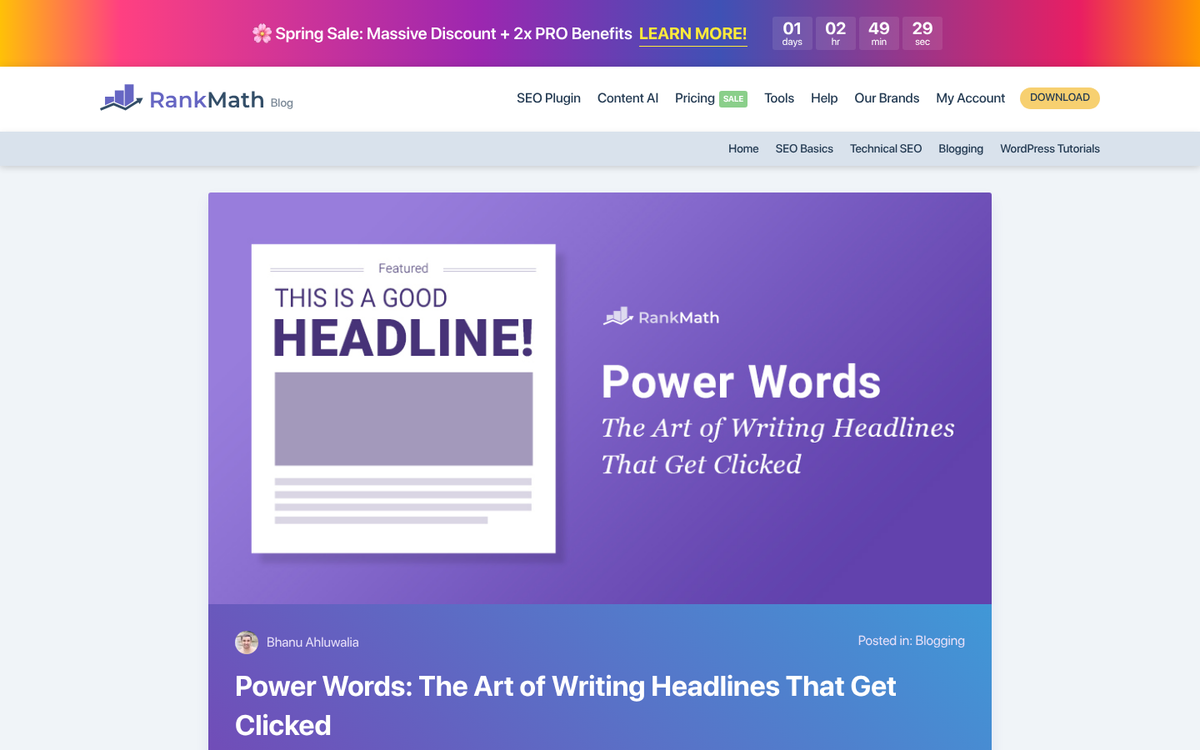
With that in mind, you need to put thought into your post titles. They need to be interesting, relevant, and strong - it's a bit of work. Upworthy famously shared that they create 25 headlines for every piece of content they publish and look for that one perfect title. In 2026, with AI tools now widely available, the bar has been raised even more - there's basically no excuse for a weak headline when you have every resource imaginable at your fingertips.
It's hard to ask professional bloggers how they come up with titles, because most of them don't have a defined process. They've developed an internalized feel for what a title should look like, but translating that instinct into something teachable is legitimately tough. That gap doesn't help new bloggers or anyone struggling with headline creation.
That's why I put this list together - it's reverse-engineered, compiled, and helps you write better titles. Skip the generic headline generators, or use them only for loose inspiration and make the title yourself. Formulas alone don't work - it takes learning, practice, and knowledge of your audience. Write titles until you can write no more, and eventually great headlines will come.
1. Use Numbers
There's a reason you see numbered lists everywhere, on every platform and for every topic. They promise a fixed, digestible number of items of value. That predictability is reassuring to readers, and it helps set expectations for what follows.
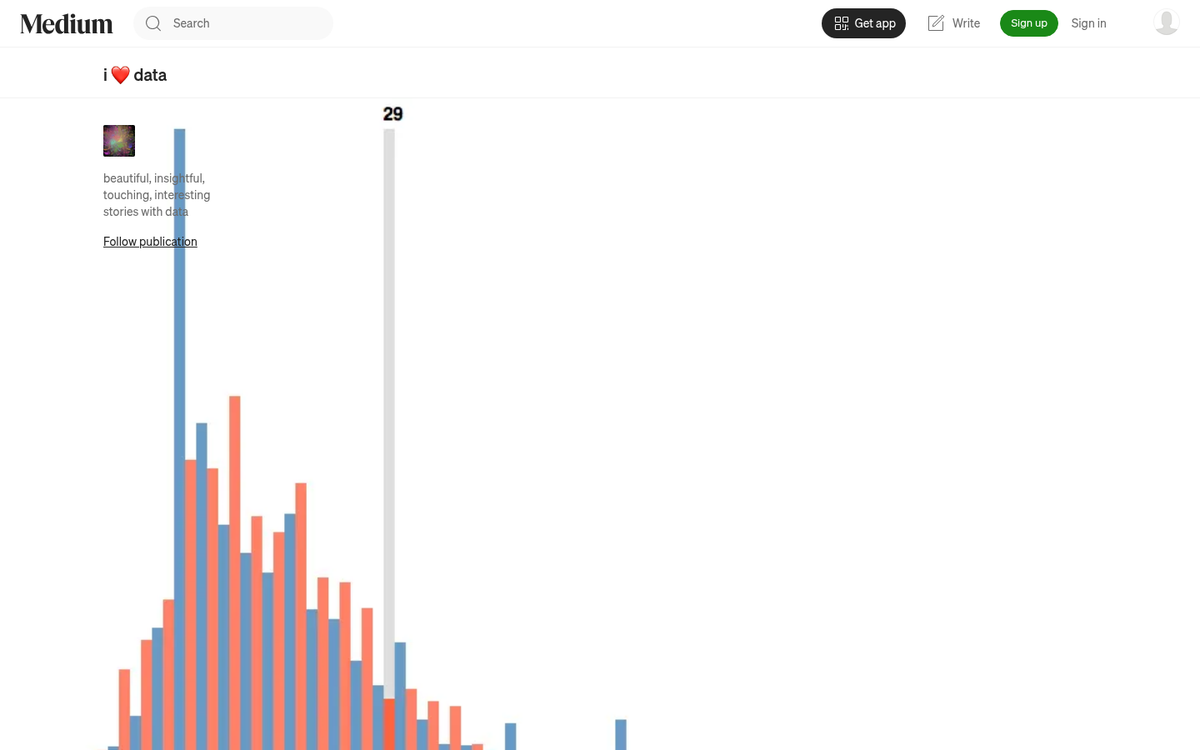
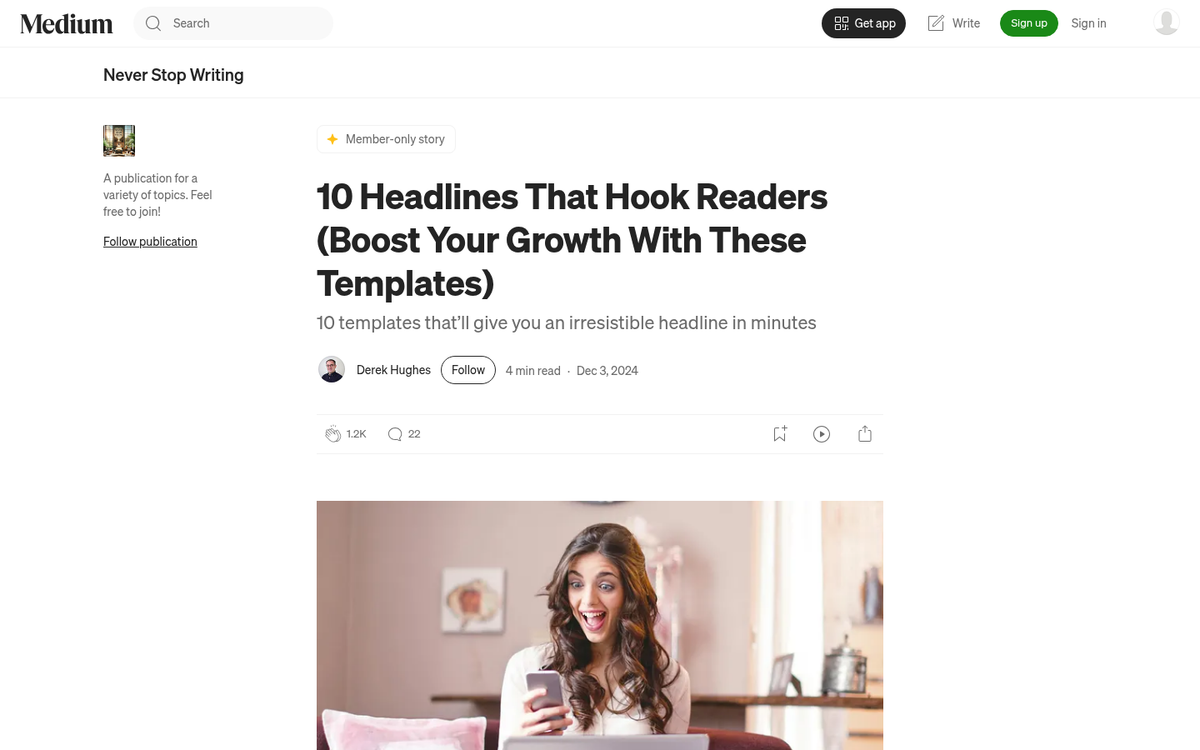
As for which number performs best, the answer is more variable than any single study implies. CoSchedule has found that headlines with 6-7 words tend to get the highest click-through rates. But for list posts specifically, the right number can depend on your topic, your audience, and how much depth you give per item. A business blog post going for 2,000-3,000 words can comfortably support a top 10 or top 15 list with substance behind each point. A top 25 list at that length averages only 100 words per entry, which doesn't leave room for genuine value.
Choose the number that serves your content - not your title. A shorter list with better entries will usually outperform a bloated list padded out for the sake of a flashier headline.
2. Use Specific Terms
Don't say the "top 10 ways to improve your business." Say something more like the "top 10 ways to increase landing page conversions." Specificity matters, because the more generalized a title is, the harder it is for any one reader to feel like it's speaking to them. Even the most helpful viral content tends to be fairly specific.
What matters here is that ever-hard-to-find concept of value. Your readers want to know first what value they'll be getting. Vague promises of "improvement" don't land. Concrete results do.
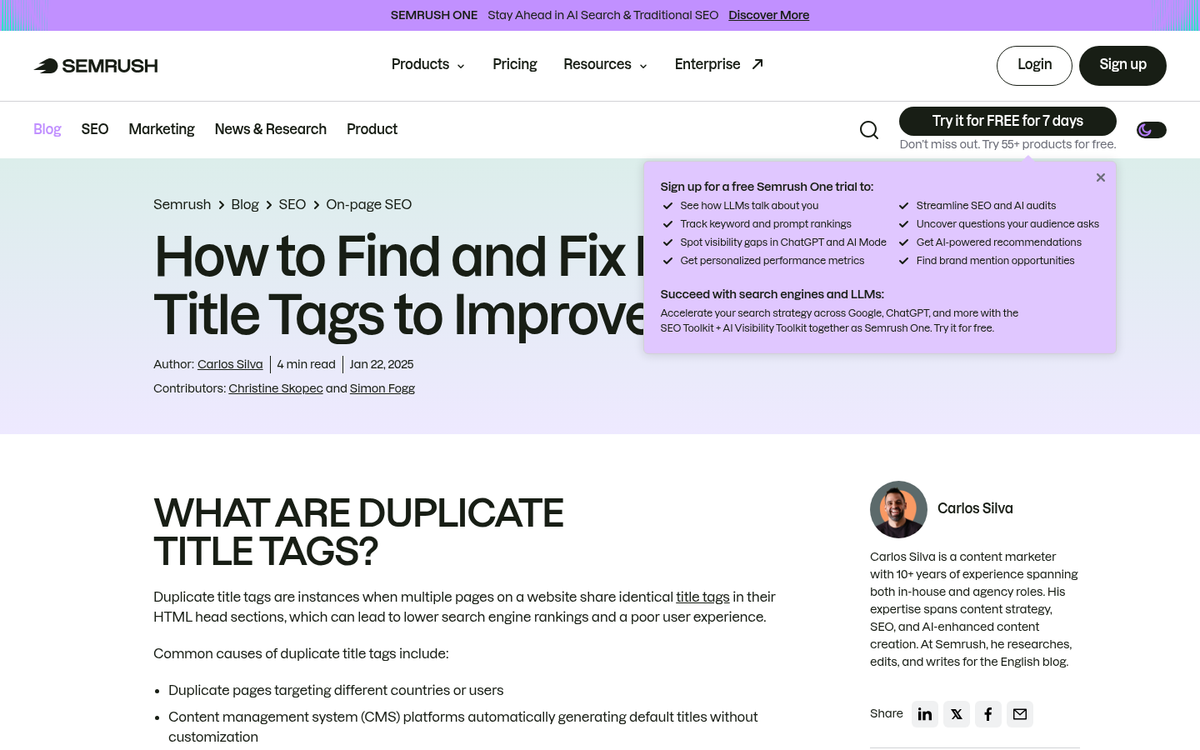
Specificity also helps your SEO. Using precise terms in your title makes it far more likely you'll include a high-intent keyword, which gives you an extra ranking benefit - especially now that Google's AI Overviews and other generative search features are pulling content directly from well-optimized, targeted posts.
3. Use Superlatives
You don't have 10 tips, you have the Top 10. You don't have advice, you have the Best Advice. You're not sharing inside information, you're Revealing Important Secrets to Success. You're not giving away great strategies, you're sharing First-Rate Solutions.
Superlatives push your language to the extreme. They take adjectives and adverbs and crank them to their maximum. Your content is not great - not greater. But greatest.
Superlative language is strong because readers don't interpret it lightly - even when it's used casually. When you promise the best, readers come in expecting the best. When you promise something basically good, they arrive expecting something mediocre. Set the highest possible expectation - then back it up with your content by following these tips to make your blog posts more effective.
4. Make it Unique
There's nothing inherently wrong with writing a post that covers a well-trodden topic, so long as your title fits your angle. There are dozens of ultimate guides to SEO, PPC, and content marketing out there, and that hasn't stopped new ones from ranking and succeeding - because the best ones bring something fresh to the table.
Many of the other tips on this list will push your title toward something more original. But once you've settled on a few strong candidates, run a quick search to see if any of them are already out there verbatim. If your preferred title is already being used by a high-authority competitor, adjust it. There's no upside in an identical title, and it can create an unintended impression that your content is derivative even when it isn't.
Don't stress about uniqueness early in the drafting process. Generate your candidates freely, then review and refine when you're close to publishing.
5. Avoid Overt Clickbait
Clickbait titles tease without informing. They use curiosity gaps - phrases like "You Won't Believe What Happened" or "Number 9 Will Shock You" - to compel clicks without actually earning them. This is not great for a brand or an evergreen post, and it has become even less helpful in 2026 as readers have grown increasingly skeptical of manipulative framing.
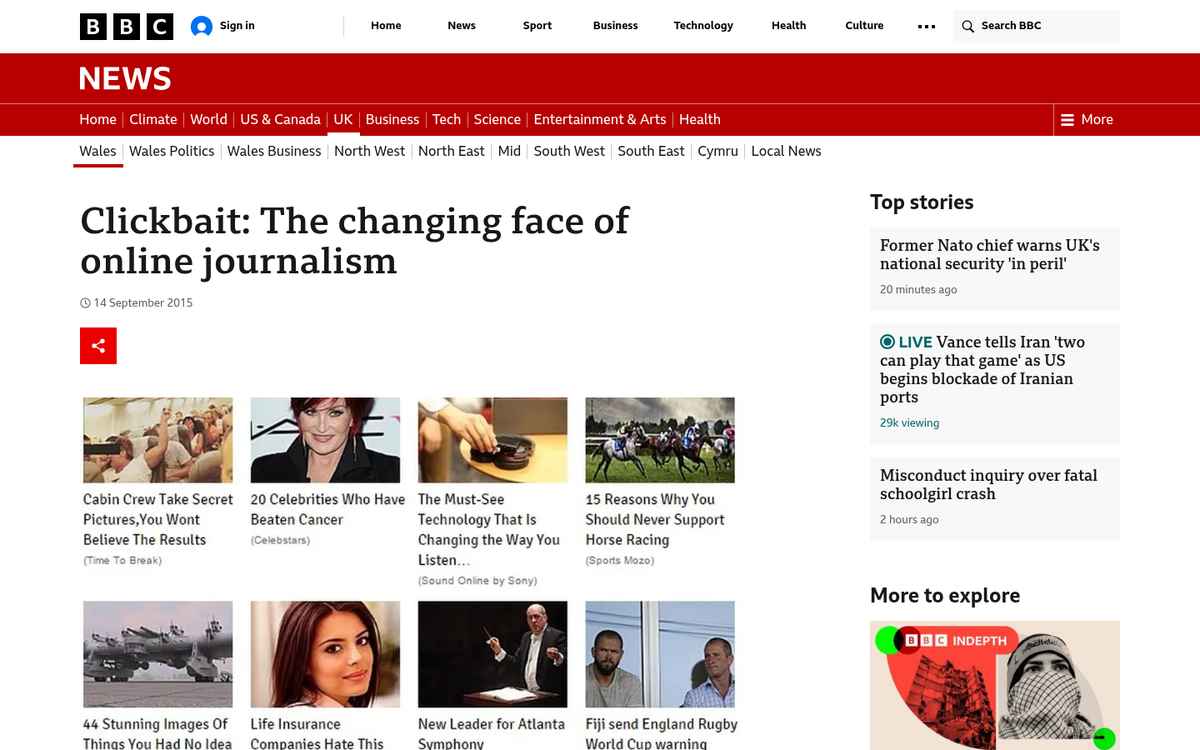
Upworthy pioneered the curiosity-gap headline, rode it to massive traffic, and then abandoned it when it stopped working - it's a signal. When the inventor of a strategy walks away from it, it's time for everyone else to do the same. If you're struggling to get readers, manipulative headlines are rarely the answer.
There's also an algorithmic reason to stay away from it. Google's ranking systems have become better at recognizing and deprioritizing content where the headline sensationalizes or misrepresents the substance of the post.
6. Show the Benefits
One example I read about was a blogger who titled a post "You Will Be Missed." What does that title tell you? Nothing. Is it about a person, a product, an era? Without context, it's meaningless - it turned out to be a tribute to Steve Jobs - which could have been a strong post. But the title failed to communicate that.
A good blog title has a benefit baked directly into it. "10 All-Star Methods to Boost ROI by 200%" works because it tells you the number, implies quality, and is about a measurable outcome. If you're thinking about calculating the ROI of your blog content, readers know what they're getting before they click.
You don't always need to cite a percentage - but you do need to communicate what the reader walks away with. Lead with the outcome - not the process.
7. Ask a Question
Questions work in blog titles because they engage the reader before they've read a single word of your post. Ideally, the question is one your target reader is already asking themselves. For example:

- Are You Missing Out on an Extra Thousand Visitors?
- Did You Miss This Common Growth Opportunity?
- Is Your Content Strategy Invisible to AI Search?
When using a question in your post title, you'll have to go on to answer it - or give readers the means to answer it themselves. Don't ask readers if they're leaving traffic on the table unless you have concrete plans to help them reclaim it.
Questions also mirror the way people phrase voice searches and AI-assisted queries in 2026, which makes them a strong structural choice for human readers and search algorithms alike.
8. Use a Negative Perspective
Negativity, used correctly, is one of the most effective angles in headline writing. There are three ways to use it without driving readers away.
The first way is to use it in a question. "Are You Making These SEO Mistakes?" frames a negative scenario in a way that positions your post as the answer.
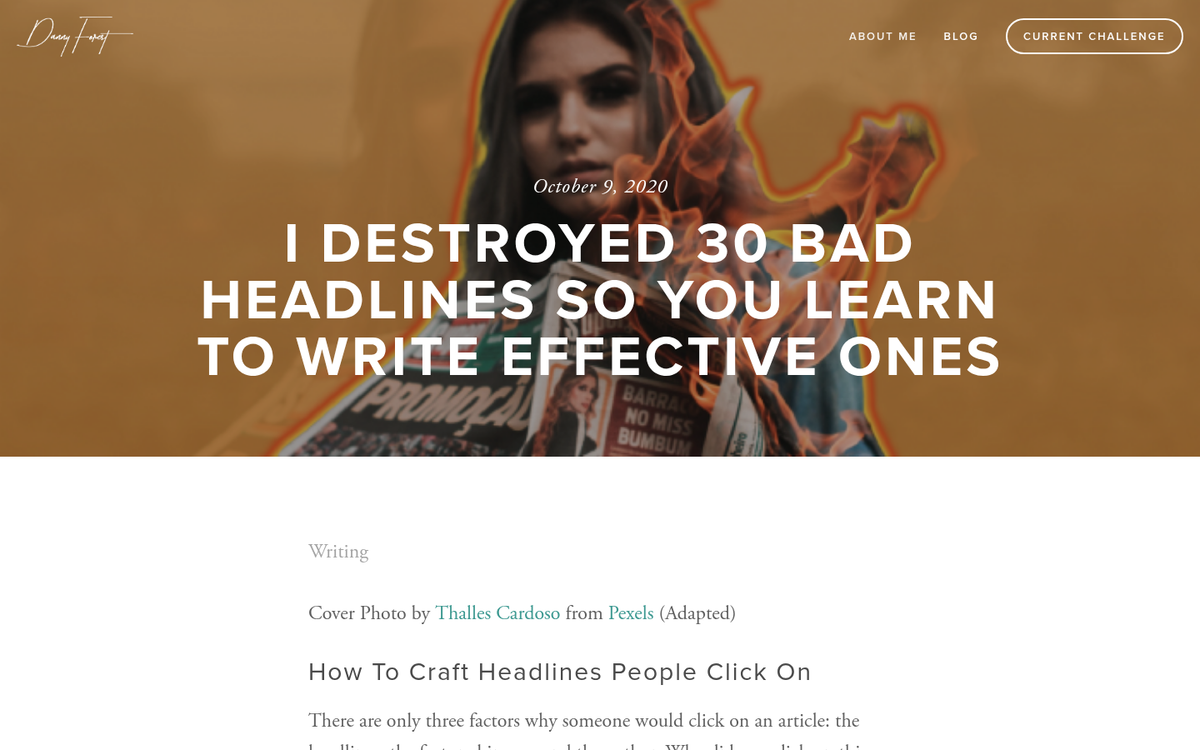
The second way is to take a glib, contrarian approach. "Everything You've Been Told About Content Marketing Is Wrong" is a thinly veiled invitation to re-examine assumptions - which is actually a very positive, helpful proposition dressed in negative framing.
The third way is to look at a failure or a decline in your industry. A failed product launch, a drop in organic traffic, or a strategy that used to work and no longer does can all form the basis of legitimately helpful, analytical content. Failure is instructive, and readers know it.
9. Use Interesting Words
Words like "shocking," "overlooked," "underrated," "brutal," or "game-changing" add personality to a title and signal that the post will be worth the reader's time.
The one firm rule here: stay away from obscure vocabulary. If the average reader in your audience would need to look up the word, leave it out. A title is not a vocabulary test. Your goal is to intrigue - not to confuse or intimidate. Keep the language rich but accessible. If you want to see how strong word choices play out in practice, check out our tips on how to write a great blog post that holds attention from the very first line.
10. Keep it Short
Google truncates page titles at approximately 65 characters in search results, so that's a helpful ceiling worth respecting. CoSchedule's research also suggests that headlines with 6-7 words perform best in terms of click-through engagement, striking the right balance between clarity and curiosity.
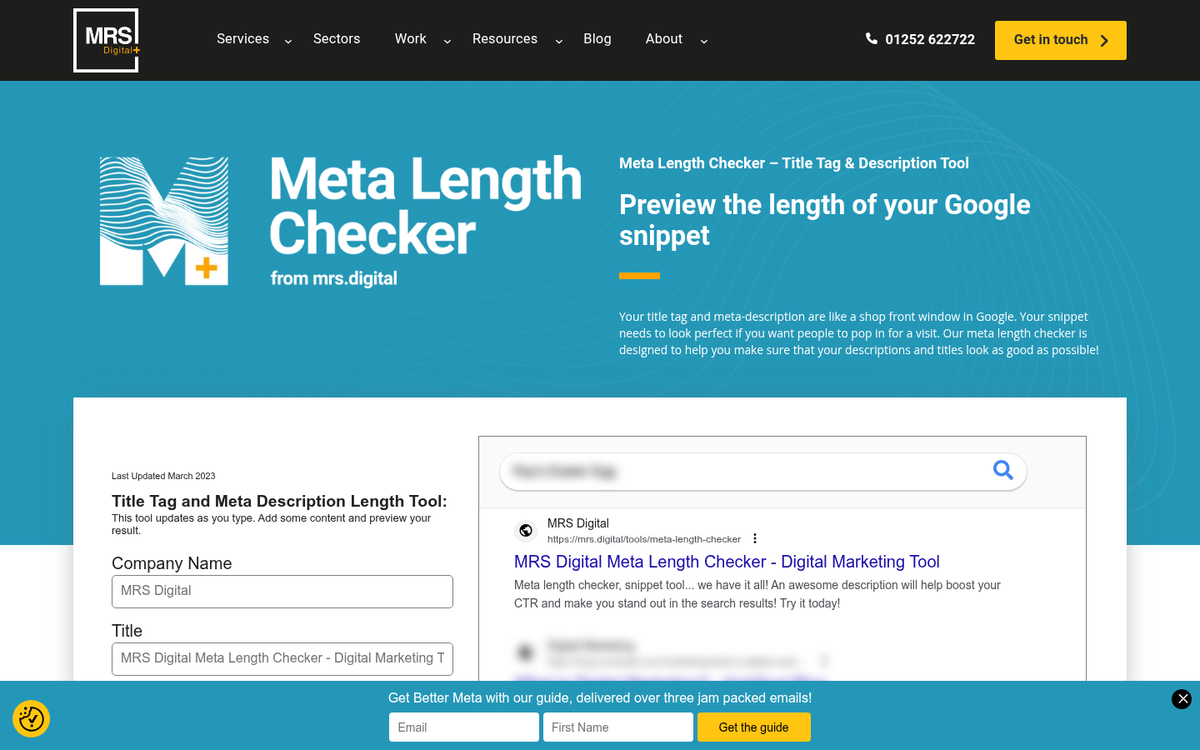
That said, don't let a character count override your judgment. A longer title that's legitimately compelling and keyword-rich will outperform a clipped title that sacrifices meaning for simplicity. Aim short. But prioritize clarity and value above all. If the first 65 characters of your title are strong enough to stand on their own, the rest is a bonus. Need help finding the right angle? These tools for creating article topics and titles can help you craft headlines that are both concise and compelling.
11. Avoid Most Abbreviations
Even in 2026, not every reader arrives as a specialist in your field. The people reading your posts may be legitimately interested in your industry without being immersed in its technical language. Acronyms and abbreviations that feel second-nature to you could be opaque to those newer to the topic. Abbreviations are only safe when you're confident your entire target audience already knows them.

Something like B2B is fine on a business-focused blog. ROI is broadly understood by anyone with a passing interest in business. But niche technical acronyms should be used with caution, and that's especially true in titles where there's no surrounding context to explain meaning.
If a reader has to look up your title before they can even decide whether to read the post, you've already lost them.
12. Do a How To
How-to titles remain one of the most reliable formats in blogging - and their value has only grown as AI-powered search tools increasingly surface instructional content in response to user queries. When someone types "how to reduce customer churn" into a search engine or an AI assistant, a post titled "How to Reduce Customer Churn in 5 Steps" is positioned well to match that intent.
People have learned to search in shorthand. They don't type "Can you explain to me how I might go about reducing churn?" - they type "how to reduce churn." Mirror that language in your title, and you signal to readers and algorithms that your post is what they're looking for. Understanding how keywords fit into your blogging strategy can help you apply this principle across all your content.
13. Reference the Target Audience
You're running a business, which means you likely have a picture of who you're trying to reach. Write directly to those people - not in a way that feels invasive or over-personalized, but in a way that makes your intended reader immediately feel that this post was written for them.
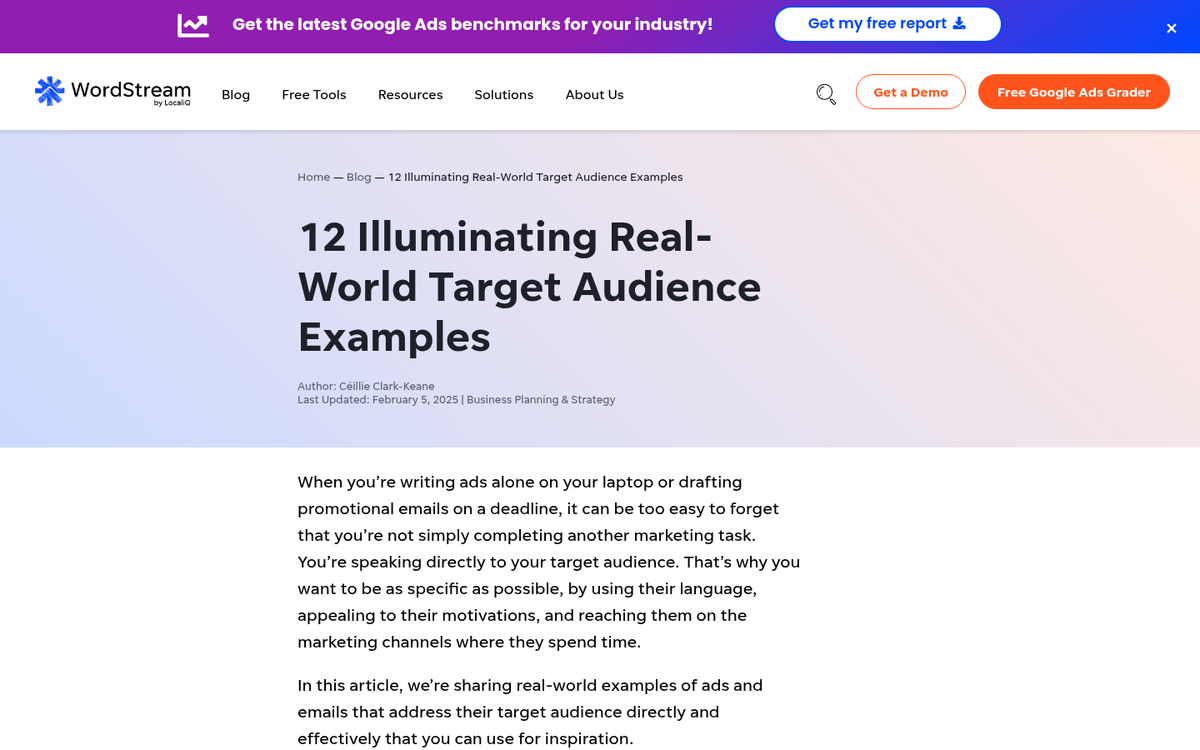
Titles like "Tips for First-Time E-Commerce Founders" or "What Independent Consultants Need to Know About Personal Branding" signal audience fit immediately. The right reader self-selects in, and the wrong reader self-selects out - which is what you want. Higher relevance gives you better engagement metrics, longer time on page, and stronger ranking signals.
14. Make it Match Your Content
Relevance is an absolute must. If your title promises 15 tips, your post needs to deliver at least 15 tips. If your title is about a guide to one topic, your post needs to be about that topic from start to finish - this seems obvious. But title-content mismatches are fairly common and increasingly costly.
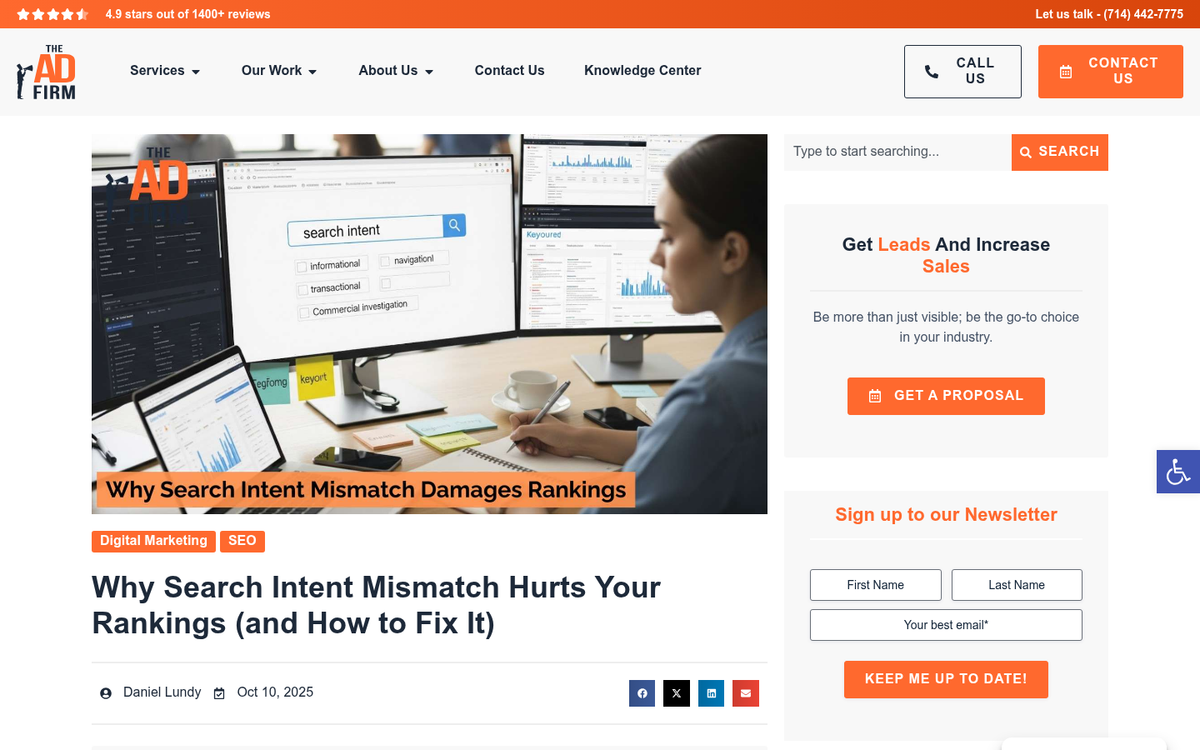
Google's ranking systems in 2026 are very good at evaluating whether a page's title accurately represents its content. A mismatch is treated as a credibility problem, and it can suppress your rankings regardless of how well-written the post itself is. Beyond SEO, it's a sign of carelessness - and readers notice.
If you find yourself at the end of a draft realizing the post evolved away from your original working title, update the title before you publish. Your title should match what you actually wrote - not what you planned to write. If you're using WordPress, the beginner's guide to writing a blog post in WordPress covers how to update your title and other key elements before hitting publish.
15. Don't Settle For the First
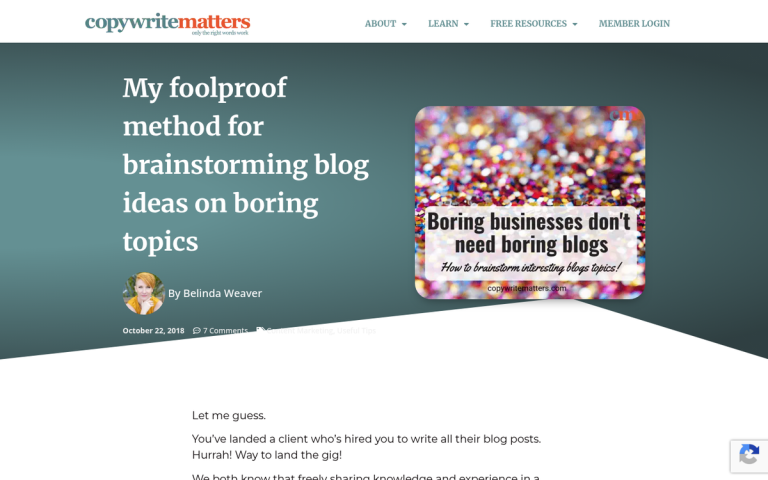
The first title you come up with is almost never your best. Start with a working title to steer your writing, then revisit it once the draft is done. Brainstorm as many candidates as you can - Upworthy's benchmark of 25 is a helpful target - and then cut them down ruthlessly to the strongest option. If you're stuck, coming up with fresh blog ideas can help spark better headline angles too.

In 2026, you also have the option to use tools to help you write faster and generate headline variations - which can be legitimately helpful for expanding your pool of candidates. But don't outsource the final choice to an algorithm. Use AI to generate volume, then apply your own judgment and knowledge of your audience to choose the winner. The instinct for a great headline is still something you develop through repetition and attention - no tool replaces that.