Some people don't like the concept of adding "hack" to the end of anything to make it a modern buzzword. I personally don't mind it, but I also tend to limit my usage of the term to things like growth hacks. A growth hack is just a way to boost your company's growth in a cheap, organic way rather than a way that involves a massive investment. Social media usage? Mainstream, but technically a growth hack. It's not a difficult concept.
Growth hacking as an idea has been around for well over a decade now, and over those years, some interesting experiments have been performed. Here are five of the coolest I've stumbled across.
Key Takeaways
- Kiip used infographic creation as a non-salesy outreach tool, starting dialogues with potential clients without sending traditional cold sales emails.
- Pete Sena's 50/50 method involves generating 50 ideas in 50 minutes, betting that volume and practice will eventually produce winning concepts.
- Kiip found blogging amplified their infographic's reach, with a related post generating an additional 1,500 views beyond the graphic's 4,000.
- 42Floors used AdWords to simultaneously split-test eight fake redesign pages, cheaply identifying the best direction before committing to a full build.
- Answering Quora questions builds long-term authority and traffic, as well-written answers continue ranking in search results years later.
Kiip's Infographic Experiment

Fair warning; Kiip is going to show up a couple times on this list. They ran an interesting series testing out ten different growth hacking strategies, and reporting on how they worked for their business. One thing to keep in mind, of course, is that what works for one company might not work for another. Always think outside the box and experiment, especially with your growth hacks.
The infographic experiment was a two-fold idea. First and most obviously, creating an infographic is a great way to get exposure and to circulate information. Present information in an interesting, attractive way and you're setting yourself up for a viral boost. The keys are to have unique research, and to have a compelling presentation.
The second and most interesting part of Kiip's experiment, however, was their method of using it to reach out to businesses who they wanted to attract as clients. A typical sales email, unsolicited, is going to be ignored. But an email saying "hey, I'm making an infographic, mind if I cite you as an expert?" is much more likely to receive a good response. It attracts the attention of the potential client in a non-sales way, and starts a dialogue. Plus, when you finish and publish the infographic, you can send it out and continue the dialogue easily enough.
Pete Sena's 50/50 Idea Generation
All too often, you see venture capitalists and big businesses on the hunt for the next big thing. Shows like Dragon's Den or Shark Tank - depending on your region - reinforce this stereotype. It's just a mass filter for business pitches, looking for the billion dollar ideas.
Small businesses tend to get caught up in this style of thinking, without realizing that it only works if you have the massive amount of resources necessary to capitalize on the idea immediately. Big ideas often are only big ideas because the company pushing them spends millions on advertising and promotion.
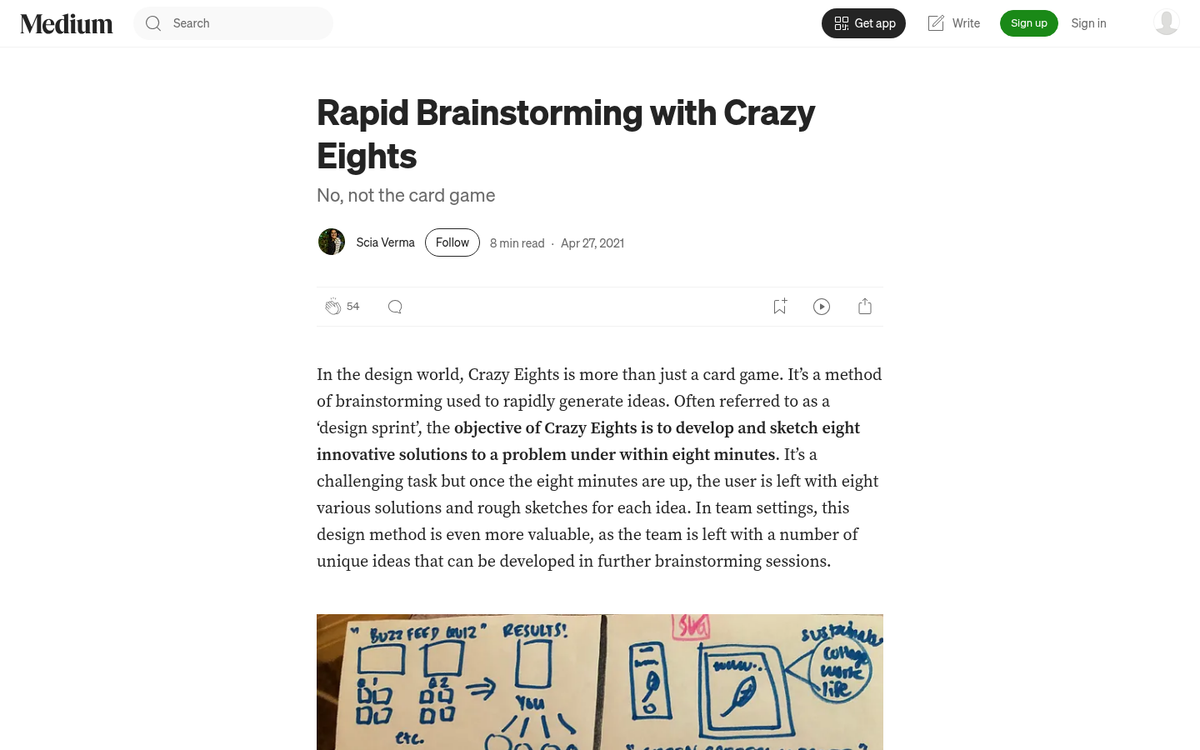
The 50/50 plan is just a convenient, catchy way of saying "come up with a ton of ideas, without regarding quality." Specifically, the 50/50 refers to spending 50 minutes to come up with 50 ideas. You can find a similar plan from James Altucher, coming up with 10 unique ideas every day, 365 days a year.
It's a simple concept; come up with so many ideas that sooner or later one of them is going to be a good idea. The more you practice, the more time you spend flexing your creative muscles, the more likely you will be to come up with better ideas.
Kiip's Reinforcement of the Blogging Benefits
These days, we tend to take it as a given that we should be blogging for the most easy benefit in terms of risk and reward. Blogging is easy to do, it's easy to maintain, and you can outsource it.
Kiip here just runs their experiment reinforcing these beliefs. This also ties in with their infographic experiment above; the graphic itself pulled in 4,000 views, while the post they wrote about it pulled in an additional 1,500 views.
Blogging is about more than just views and reach, however. If you're writing yourself, rather than outsourcing, you can use the time you spend writing to reflect on your business plan, your successes, your failures, your credibility and any other aspect of business you're writing about. It's a way to focus and dig into the underlying causes of what goes on in day to day business, which you may not otherwise see.
42Floors Tests Fake Pages with Real AdWords

This growth hack is all about using established tools in innovative ways to gather data and perform research. Darren tells the tale of redesigning their site, giving it all the features they think users will want, only to discover that the redesign changed nothing at all in regards to their bounce rate, their conversion rate or their profits.
What they ended up doing was mocking up eight fake pages. These pages were all different versions of possible redesigns, taking the site in drastically different directions. They didn't invest in complete redesigns. In fact, the pages barely had functionality to them at all. They worked, but only as divided front-ends for the same old back-end they had before.
Running AdWords campaigns for each of these essentially allowed them to split-test eight different complete site redesigns at once. They got to see which had the lowest bounce rate, which had the highest conversion rate, and so forth. The results surprised them, and took their site in a highly beneficial new direction they wouldn't have thought of before. This same principle applies today, whether you're using Google Ads, Meta Ads, or any other paid platform - the underlying logic of testing before committing to a full build remains just as sound.
Kiip's Quora Experiment
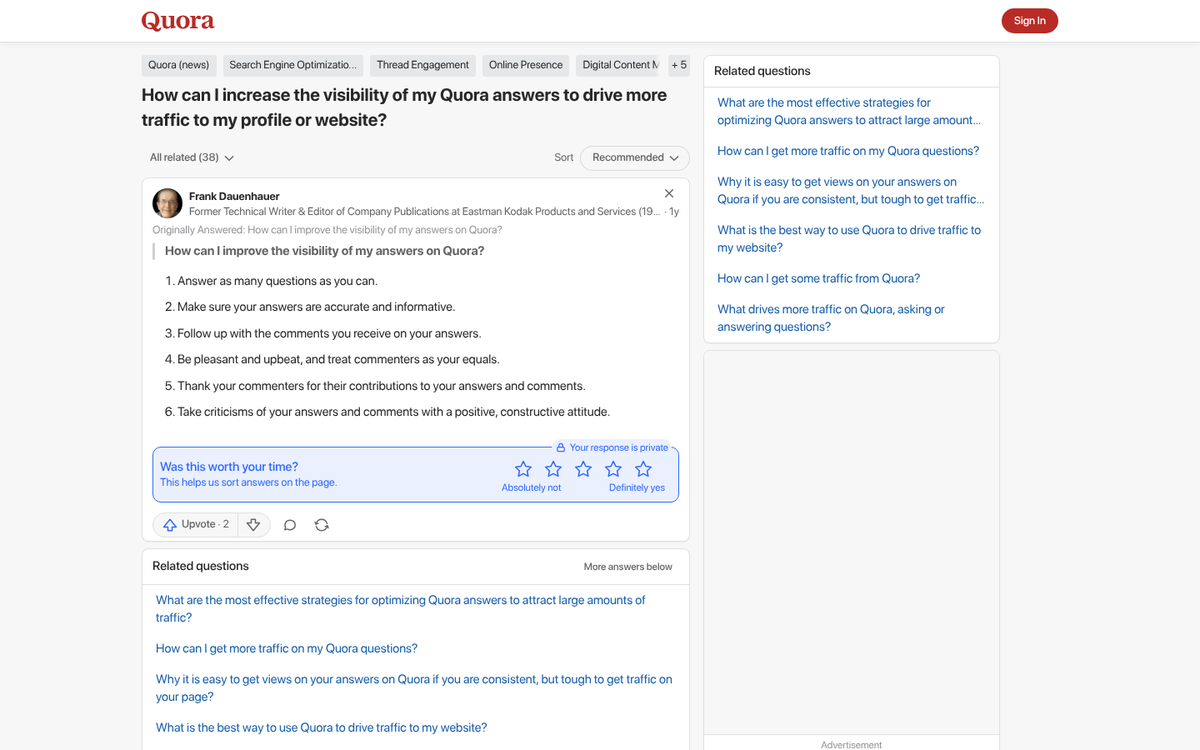
Quora remains one of the more underrated platforms for building authority and driving targeted traffic. It's a place people go to ask questions they can't easily find answers to elsewhere, or questions that benefit from real, experience-driven responses rather than a generic search result.
Kiip saw potential there, answering questions for which they could be considered an authority. In many ways, it's the same sort of awareness-building activity that you see in people contributing to Reddit communities, LinkedIn posts, or niche forums. Make yourself an informational authority, get people to click through to your site, and hook them with your content.
Kiip didn't run their experiment long enough to see definitive results, but the approach itself has aged well. Quora still ranks prominently in search results, meaning a well-written answer from years ago can continue driving traffic today - making it one of the few growth hacking tactics with genuine long-term compounding value.