Key Takeaways
- Maintain a cloud-based ideas file to capture blog topics anytime, preventing good ideas from being forgotten.
- Use AI tools like ChatGPT as brainstorming partners, but treat output as a starting point requiring your own expertise.
- Mine Reddit, Quora, and customer comments to identify real questions and pain points worth turning into posts.
- Refresh old content with updated data and perspectives - 45% of bloggers report increased engagement after doing so.
- Snowflake broad topics into granular subtopics, and "do it better" by improving on competitors' most-linked content.
Writing an active blog is hard work. One blog post can take 2-3 hours to put together, assuming you have things and references on hand. If you're doing your own research and need to harvest and analyze data, it can be even worse.
Now say you're running blogs for three different sites, each of them posting on a Monday-Wednesday-Friday schedule; it's three posts per site per week, for nine total posts per week. At three hours each - a low average if you're making original content - it's 27 hours spent on your blogs alone - it's very nearly a full time job on its own, and it doesn't leave quite a bit each week for taking care of other parts of your business.
Even if you're hiring writers to outsource your writing, you still have some responsibility. You're not foisting your entire blog off on those writers. No, you're giving them assignments, and those assignments usually include the base content for the blog posts you want written. You're building headlines and topics, and providing data and sources, to make sure your writers produce what you want - it saves you some time. But you still have work to do.
AI has changed this equation. According to Orbit Media, 66% of bloggers use AI to help generate ideas as of 2026, up from just 43% in 2023. HubSpot similarly found that 45% of marketers who use AI use it specifically for content ideas and inspiration. That said, AI is a tool - not an answer - 16% of marketers still say that they have a hard time finding fresh ideas for new content even with AI in the mix. The fundamentals of ideation still matter.
Unless you outsource your blog to a marketing agency, you're going to have to come up with topics and headlines. To do that, you're going to need a process - it's easy at the start, when you can cover basic topics and beginner's guides. As time passes you get into more esoteric topics and tap the well dry.
The content is there, the creativity, the ideas; it's just slightly out of reach. You can chainsaw through the ice, you can melt it, you can wait until a crack forms, and more.
Maintain an Ideas File
The first thing you should do is set up some cloud-based text file, at minimum. Notion, Evernote, and similar apps are great for this. But any sort of freely-editable text file on a cloud storage server like Google Drive or Dropbox will work. You want to put a file or set of files together that you can access from any device at any time. Whenever you have an idea for a blog post, or a topic you want to cover, or a question a customer asks, or just something inspirational in the world around you, add it to the file.
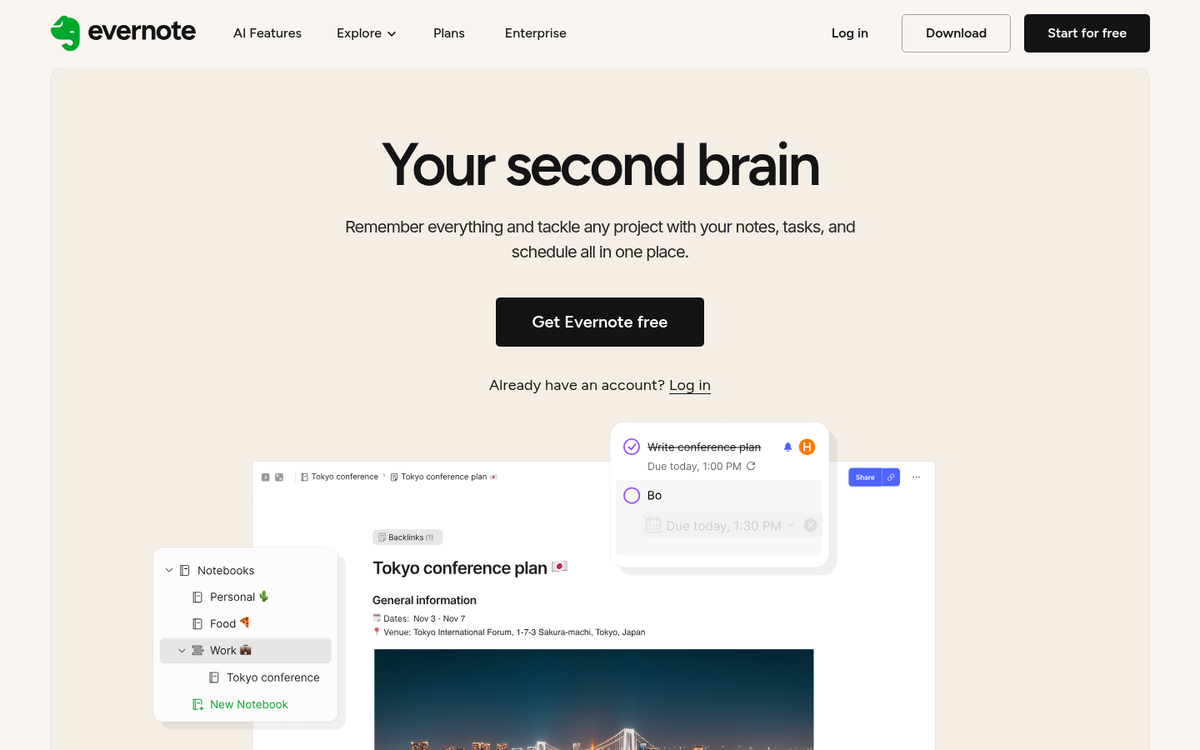
The file will be your ever-present Ideas File - it matters because it will dramatically increase your idea retention and even spur idea generation. How often have you had an idea on the commute to work and been unable to remember it by the time you reached your desk? Write it down - or better yet, you can use a voice memo app on your phone to capture it hands-free. Just make sure that you have it recorded before you go into the office; a million distractions wait to purge it from your mind.
With time and practice, you'll get into the habit of noting things down and filtering out worthless ideas you'll never use. You'll be more practiced at writing things down, and you'll start to look for opportunities to generate new ideas.
Use AI to Brainstorm Ideas
AI tools like ChatGPT, Claude, and Gemini have become legitimately helpful brainstorming partners for bloggers. Rather than staring at a blank screen, you can describe your niche, your audience, and your existing content, then ask the AI to recommend angles, headlines, or content gaps you haven't covered. The results aren't always gold. But they're usually enough to spark something helpful.

The key is to treat AI output as a starting point - not a finished product. Use it to surface ideas you can then shape with your own expertise, voice, and original research. A prompt like "What questions do intermediate-level [your industry] professionals struggle to find good answers to?" can produce fairly helpful topic lists in seconds. Given that 66% of bloggers are already doing this, it's no longer a competitive advantage to use AI for ideation - but it's a disadvantage not to.
Use Title Generators

Title generators are common, and they run the gamut from helpful to worthless. They all vary; some have lists of templates, some cull from latest headlines, some pull from Google autocomplete, and others are more random. Beyond dedicated title generator tools, AI assistants have largely taken over this work and tend to produce more contextually relevant results when given a prompt. You can read about a list of the best tools we've found over here.
Do It Better
This is a great blogging technique because it also ties into link building strategies.
The first thing you need is some research to find content on competitor sites that has accumulated links and traffic. Ideally, this will be evergreen content. Even better, it will be mediocre.
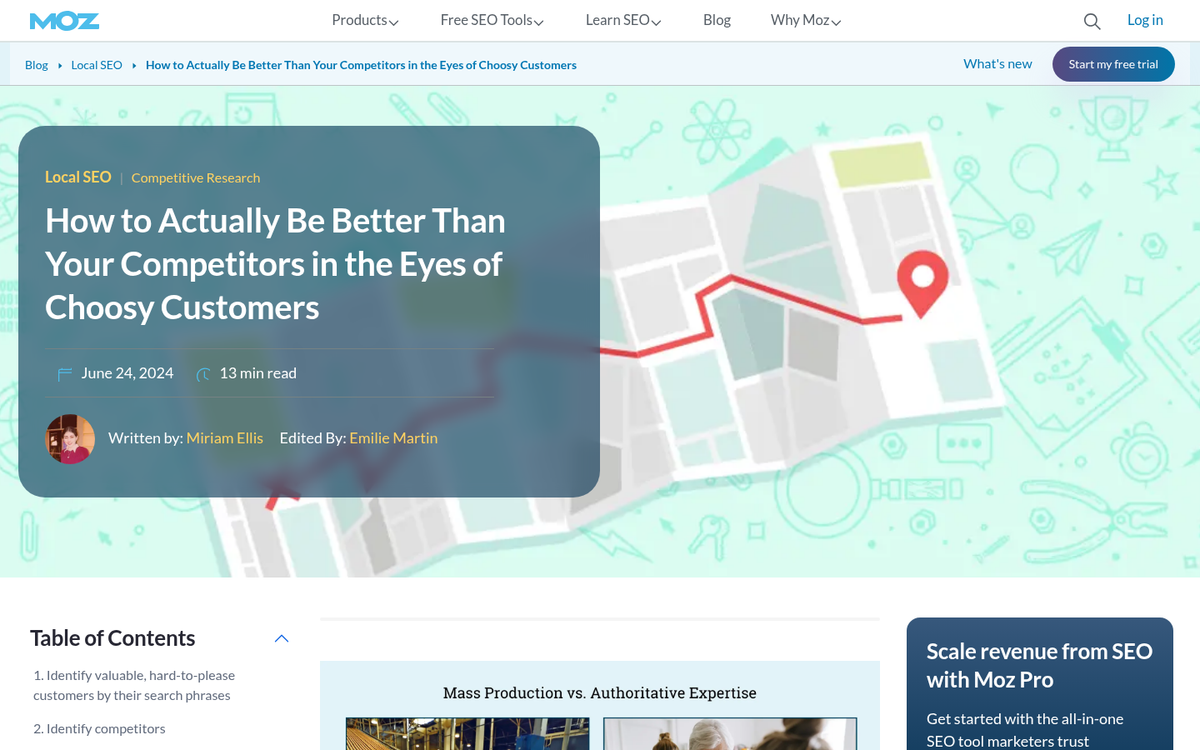
The second step is to take the premise and do it yourself - even better than they did it. Cover the same topic in more detail, with more information, updated statistics, or a better walkthrough. Include screenshots and images whenever possible. Turn this thing from "blog post" into "ultimate guide". Kick it up a notch, as a famous chef would say.
The third step is to promote that post in a way that puts it into the view of those linking to the competition. Try to subvert their links and supplant their content. Yours is better in every way; why wouldn't they link to it?
Identify the Needs of Your Customers
Customers very, very rarely come to your site just to browse. Nine times out of ten, they have a goal in mind. They have information they want to find, and something about your snippet led them to your post over the others in a search results page. Or, more likely, they've opened five or six results in tabs and are going through them to find what they need.

Figure out your customers. Monitor their comments and their chatter on social media. Come up with a list of pain points; things they want to know, things they need, things they're trying to learn. Identify a way you can take that pain point and convert it into a blog post, which you can then promote to them. They never know you were watching their conversations, and basically think you're great at making what they want to know.
If you have an audience that comments and discusses things on your blog, keep a close eye on the things they say. You'll find opportunities to respond or cover topics in greater detail. Often, they will directly ask you for more, and that right there is demand you can help with. Queue it up in your ideas file.
Write a Rebuttal
Sometimes the content you find looking for things to improve is too good to better. In these cases, you can sometimes write a rebuttal instead. In most cases you can find bloggers making predictions about the future - about where AI is headed, how search will evolve, what the next big platform change will be, and that sort of thing.
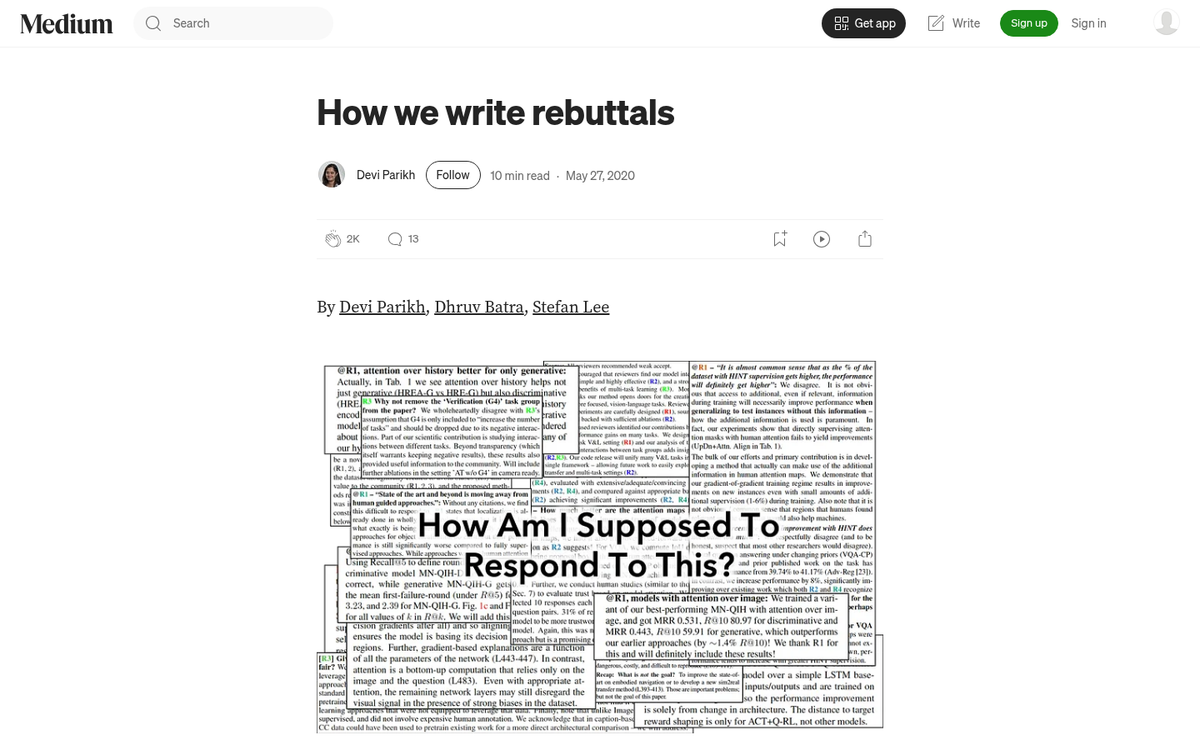
When you find that post, take the opposite stance and write a rebuttal. Even if you don't especially believe in the opposite stance, it gets conversation going. People respond to you because they want to argue one way or the other, or refute your evidence, or add more evidence to the pile.
Spruce Up Old Content
Old content falls into disrepair, just like everything else in the universe governed by entropy. Facts fall out of date, sources disappear, opinions change, and on and on. One way to fill in slots in your blogging plan is to take some of that old content and re-create it with fresh data, fresh opinions, and a fresh perspective. According to WP Beginner, 45% of bloggers report increased engagement after updating older content - making it one of the highest-ROI activities in your content toolkit.
There are two ways to go about this; amending and overhauling. Amending content preserves the URL and incoming links, but updates the information, with an editor's note at the top to explain that it's not as old as it looks. Overhauled content needs more work and deserves an entirely fresh post, perhaps with a link in the old post to direct any stray readers. You can read about deleting and replacing underperforming content here.
Spin Print Content
Every industry has print publications, and some of them will not have a business website. You will find content in those that you can't find anywhere else. You can take those topics, then, and write your own versions.

Remember that I am in no way advocating spinning software or blatant copying. Plagiarism is a big enough problem in the world without you adding to it. No, you're just taking patterns and topics - not content itself. You might even want to start a post with "I read a piece about X in Y Journal the other day..." to make it clear there's a deliberate reference and not theft.
Local News Coverage
There is usually a difference between local news coverage and large industry coverage. Local news agencies are looking for high profile stories, which probably aren't happening in your industry. Broad industry-wide coverage focuses on more significant regional and national stories, leaving your local happenings to wither.
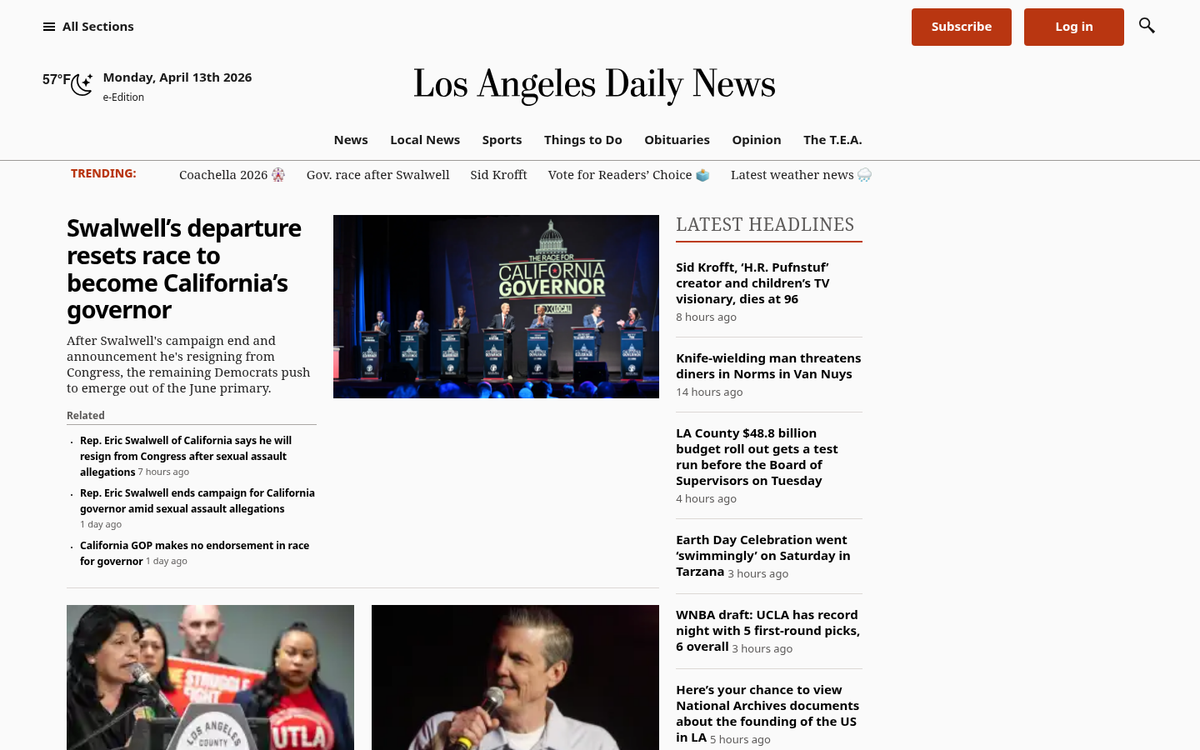
You can fill this niche by covering local industry news. It might not be the most interesting to new readers, and that's also the case for readers who aren't local. But it can be filler and makes you a resource for an especially helpful local subset of readers. If you're struggling to get readers, targeting a local audience with niche coverage can be a smart way to build a loyal following.
Personal Predictions and Retrospectives
One of the most enduring formats in industry blogging is the annual predictions post. You make a set of strong, well-educated predictions about where your industry is heading over the next twelve months, then revisit them a year later to grade your accuracy - it's a format that rewards expertise, builds credibility over time, and gives readers something to rally around - whether they agree with you or not.

This formula works especially well given how fast things are moving in most industries. Predictions about AI adoption, platform changes, consumer behavior shifts, and upcoming technologies are especially clickable and shareable. If you can pull off this post series with genuine insight, it can be great link fodder you can share across dozens of places for an entire year.
Follow Industry Trends
Every industry changes and evolves over time. Some things come, others go. Take content marketing just to give you an example - the rise of AI-generated content has forced a reckoning around quality and authenticity, Google's search experience continues to evolve with AI Overviews changing how organic traffic flows, and short-form video has permanently changed how audiences consume information.
Follow these patterns. Monitor them, and monitor those who are most influential in picking what sticks and what doesn't. Keep an eye on what big businesses in your niche are doing, and try to predict where those patterns will lead. Anticipate problems and write about them before they're problems. Capitalize on news, and become one of the voices that others look to in times of change.
Create How-To Guides
How do you do X thing? And how can you replace a Y? What do you need in order to Z? Every industry has tasks that have to be completed. It could be creating a piece of software or using it in a new way - maybe a hardware replacement - maybe a repair - maybe something more conceptual, like this post you're reading.
This format is more popular than ever - according to recent data, 76% of bloggers now publish how-to guides, which makes it the single most common content type. There's a reason for that: readers love them, search engines reward them, and they tend to age well. Come up with these topics and write about them. Cover them as thoroughly as possible, with as much detail, screenshots, and assistance as necessary to make an excellent post. A well-structured guide with labeled visuals can be a boon for your traffic and reputation for years to come.
Browse Reddit for Ideas
Reddit is a lot of things. But one thing it is great at is being a sort of crowdsourced customer service platform for just about anything. Every piece of software or hobby has a subreddit, and every subreddit has experienced users willing to dispense their advice. People come to these communities to ask questions, and hopefully have them answered in a constructive way.

You can use this in two ways. The first, obviously, is to take the questions asked and write long, detailed answers for them. You might not solve the problem for that one person - the turnaround from question to publication of the post is too long - but you can solve it for anyone else who comes after.
The second way you can use Reddit like this is to watch for others asking the same question. When they do, swoop in and give a concise, succinct version of the answer. In the same post, link to your post with the fuller answer - this builds links and traffic while staying away from Reddit's ban on advertising, because you're giving value.
Write a Hypothetical Negative and Try to Prove It
This is very similar to the rebuttal above, but it doesn't need an existing post to respond to. All you need is to pick a controversial opinion and set about trying to prove it right. It's an interesting cognitive exercise and a writing exercise. You'll have to ignore unhelpful evidence in favor of proving your point, and you'll have to work with the fallout of readers trying to prove you wrong or calling you stupid for doing so.

Nobody will believe a post I write titled "Why Google is Dying" just to give you an example. But they sure as heck will click it to figure out what I'm talking about - it's clickbait without being obvious, annoying clickbait.
Snowflake a Core Topic
Sometimes you just need to go back to basics. Take a large topic and snowflake it out to find sub-sub-sub ideas you can cover.
What is snowflaking? It comes from the snowflake strategy of novel writing; you take one plot sentence and break that up into two slightly more detailed sentences covering events, and continue breaking each up into smaller and smaller portions until you have an outline. The fractal branches go into greater and greater detail.

For example, if I've covered AI content tools as a topic, I can snowflake that out into sub-topics like prompt writing, editing AI drafts, AI for research, and AI for ideation. Under each you can go deeper - under prompt writing, I can expand into writing prompts for different content types, refining outputs, and staying away from generic results. Keep going and you can get granular ideas about how to prompt for listicles specifically, how to fact-check AI output, or how to use AI to repurpose existing content.
Go as deep as you can and come up with singular, granular ideas. These ideas will lead you to entire blog posts, covering topics that are usually great resources for beginning and intermediate users.
Look Up Quora and Reddit Questions

Quora remains a Q&A platform where industry pros and enthusiasts gather to ask and answer questions - it's great for marketing and linking posts. But it's also great for harvesting ideas. Keep an eye on industry-relevant sections of the site and answer questions that you can link to your content. Find questions that haven't been answered well and write your own content to fill the gap. Like Reddit, it's a two-pronged means of marketing - you generate ideas and build visibility at the same time.
Solicit Guest Posts

Sometimes you just can't fill in the gaps yourself. Your ideas file is giving you no help and you're running out of queued posts. In these cases, buy yourself a little time by soliciting guest posts from industry veterans and other bloggers. They'll be happy for the exposure and links, and you get prime content without needing to create it yourself.