PPC and PPM are two types of paid advertising that lead to a lot of confusion amongst novice marketers. It doesn't help that they're also known by a dozen other names, like CPC and CPM. Which is which, what's the difference, and which is better?
Key Takeaways
- PPC charges per click while PPM charges per 1,000 impressions, regardless of whether anyone clicks.
- PPC is preferred by 61% of B2B marketers, delivers 3.17% CTR, and averages around 200% ROI.
- PPM works best for brand awareness campaigns, but averages only 0.46% CTR with thin engagement margins.
- Smaller third-party PPM networks are frequently plagued by bot traffic and fraud; stick to Google or Meta.
- For PPC success, focus on lowering CPC, improving ad creative, optimizing landing pages, and using remarketing.
PPC and PPM: The Differences
PPC is Pay Per Click advertising. It's really very simple to understand. You have a link, which you make an ad around. This ad displays on a site like Facebook, in Google's sponsored results, or across the Google Display Network. It shows for free, giving you potentially unlimited free exposure.
Obviously the payment has to come in somewhere, and that's the PPC. When a user clicks on your ad link and visits your site, that click is tracked. You are charged for that click, at whatever the going rate for clicks happens to be in that niche. This can fluctuate based on competition, seasonality, and auction dynamics, though you'll generally have a good idea of costs before launching a campaign.
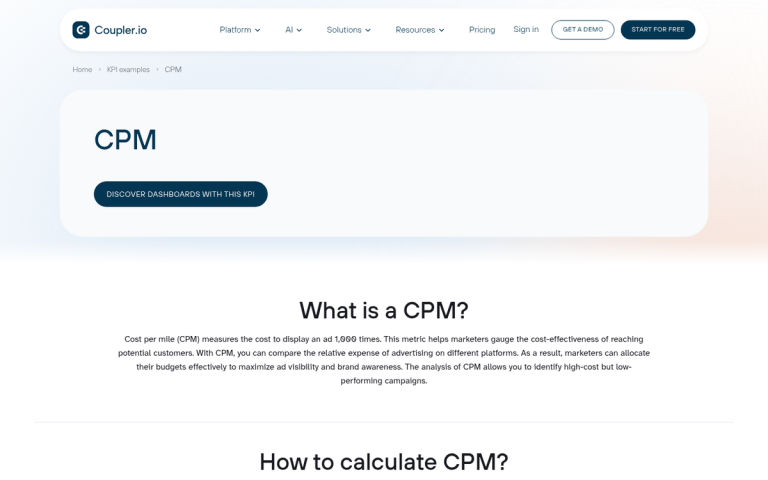
PPM is a little different. PPM stands for Pay Per Mille. The mille is Latin, meaning "thousand." Not coincidentally, this is why M represents 1,000 in Roman Numerals. You may also see this referred to as CPM, or Cost Per Mille, which is the more common term used by platforms like Google and Meta today.
In this case, the M is referring to a thousand impressions. The process is the same; you have a link and you put it on display through an advertisement. However, rather than free display until your ad is clicked, the ad registers each view. You pay a fee for every thousand views, regardless of whether anyone clicks. If you're looking to explore this model further, check out some of the highest earning cost per impression networks available today.
When PPC is Better
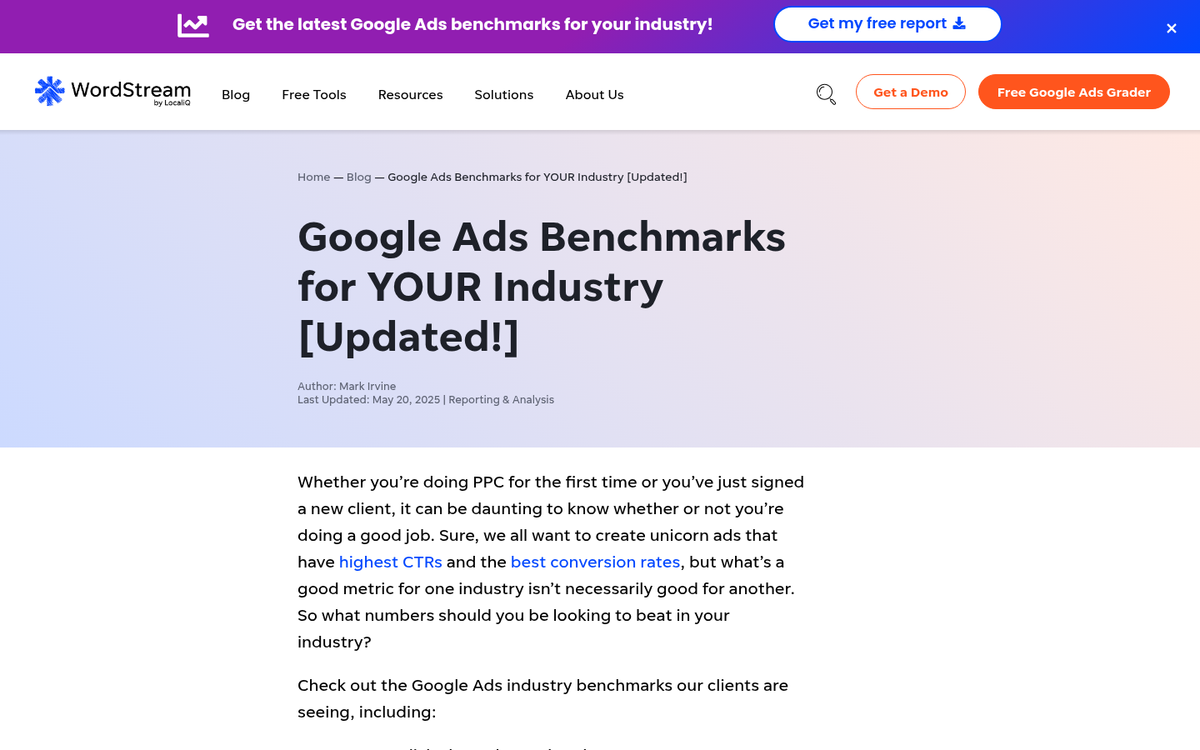
PPC is widely considered the stronger option for most advertisers, and for good reason. According to the Content Marketing Institute, 61% of B2B marketers cite PPC as their most effective paid channel. The numbers back this up: Google Search Ads average a click-through rate of 3.17%, compared to just 0.46% for display ads. PPC traffic also converts 50% better than organic traffic, with an average ROI of around 200%.
PPC doesn't reward spammers in the same way PPM does. Platforms like Google and Meta have aggressive fraud detection systems in place to make sure clicks are coming from real, interested users. If someone were to artificially inflate clicks, they'd be flagged quickly and removed from the network.
PPC also rewards advertisers with strong landing pages. You're paying per click, so you want to convert as many of those visitors as possible. Every click that doesn't convert is money lost; every click that converts is money earned. This model naturally pushes advertisers to be better at both their messaging and their post-click experience.
When PPM is Better
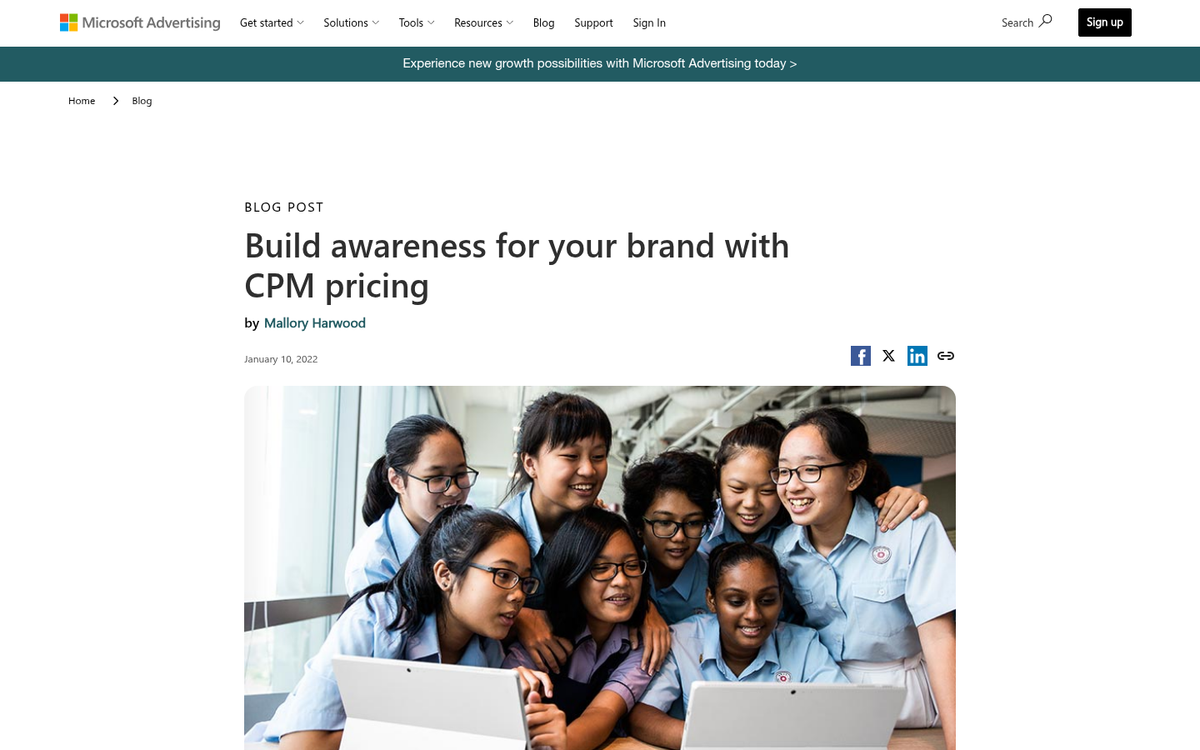
PPM has its place, particularly for brand awareness campaigns where you're not necessarily chasing an immediate click or conversion. If your goal is to get your logo and message in front of as many eyeballs as possible, a well-targeted CPM campaign on a reputable platform can do that cost-effectively.
That said, the numbers aren't particularly inspiring. PPM display ads average a CTR of around 0.46%, and with an effective click rate of roughly 2% of impressions generating any meaningful engagement, you're working with thin margins. From every 1,000 views, you might realistically generate around 20 clicks, and that's under good conditions.
The idea with PPM is to maximize your clicks so that you're paying less per visitor than you would with PPC. This is achievable when your creative is highly compelling and your targeting is precise. The problem, as always, is quality control.
PPM networks, particularly smaller third-party ones, have historically been a playground for bot traffic and fraudulent views. Publishers make money on views, so some will do whatever it takes to generate those views artificially. Even reputable networks can't filter out everything. Stick to established platforms like Google Display Network or Meta if you're going the PPM route, as they have far more sophisticated fraud detection than any independent network.
Which Should You Use

For most advertisers in 2026, PPC is the safer and smarter default. Global search ad spend is projected to exceed $355 billion, with the U.S. alone accounting for over $156 billion. That level of investment exists because the model works. The ROI is measurable, the traffic is verifiable, and the major platforms have matured significantly in their targeting and optimization tools.
Avoid smaller, third-party PPM networks almost entirely. The model is routinely abused, the traffic quality is questionable at best, and you have very little recourse when things go wrong. Many of these networks exist solely to connect advertisers with low-quality or bot-driven traffic, take their cut, and disappear when complaints roll in. Scam networks are more common than most advertisers realize, and the PPM space is no exception.
If you're going to run PPM campaigns, do it through Google Display Network or Meta and treat it as a brand awareness tool, not a direct response channel. Don't expect conversions; expect visibility.
For PPC, here are the three things you should focus on to get the most out of your spend:
First, lower your cost per click by targeting less competitive keywords and niches. Work on improving your Quality Score in Google Ads, as a higher score directly reduces what you pay per click while improving your ad placement. Understanding how long Quality Score takes to update can help you set realistic expectations when making changes.
Second, make your ads more compelling. This is a deep topic in its own right, but it comes down to knowing your audience, speaking to their specific pain points, and using proven psychological triggers like urgency, social proof, and clarity of offer. Properly optimizing your Google Ads covers many of these principles in detail.
Third, optimize your landing page. A great ad that sends users to a mediocre landing page is wasted spend. Your landing page should match the intent and messaging of the ad, load fast, and make the conversion path obvious.
Finally, don't ignore remarketing. Users who clicked your ad but didn't convert were interested enough to engage; something just got in the way. Both Google and Meta offer robust remarketing tools that let you re-engage these users with tailored messaging, sometimes with an exclusive offer to push them over the line. In competitive niches, remarketing is often where the real ROI lives. If you're scaling up, it's also worth understanding whether increasing your Google Ads budget could actually hurt conversions before you commit to more spend.