





Key Takeaways
- Google AdSense shifted to a fully CPM-based model in 2024, retaining 32% revenue while offering access to 2 million+ advertisers - learn how to use Google AdSense alongside other ads for maximum impact.
- Amazon Publisher Services delivers average eCPMs 14% higher than competitors, with roughly 20% overall revenue lift post-integration.
- Privacy regulation shifts have made contextual targeting networks like Vibrant Media and PulsePoint increasingly relevant without third-party cookies.
- Several formerly popular networks including Tribal Fusion, Burst Media, and CPX Interactive are no longer viable options today - see our list of CPM traffic networks with no required minimum for current alternatives.
- The smartest 2026 strategy layers a primary network with header bidding and a secondary network rather than relying on one source exclusively.
Best CPM Ad Networks for Publishers in 2026

Cost per advertising, particularly CPM - cost per thousand - is a game of optimizing your numbers. The landscape has changed dramatically over the past few years, with programmatic advertising, header bidding, and AI-driven optimization becoming the new standard. A lot of times, you're still going to want to experiment with different networks until you find one that meets your requirements. Some will be perfectly fine networks, but fail to support your niche. Others may let you down in terms of tools or support. Test out these networks; ideally, several of them will work for you, and you can integrate them on your sites to maximize monetization.
Google AdSense
The elephant in the room that no CPM list can ignore. AdSense made a significant shift in 2024, moving to a fully CPM-based payment model, which changed the calculus for a lot of publishers. With an advertiser pool spanning over 2 million buyers worldwide and no minimum traffic requirement, it's one of the most accessible networks on this list. The tradeoff? Google retains 32% of ad revenue, with publishers receiving the remaining 68%. Not the most generous split, but the sheer volume and fill rates are hard to argue with. If you're looking to maximize what AdSense pays out, there are proven methods worth exploring before writing it off.
Amazon Publisher Services (UAM)
Amazon's header bidding solution has quietly become one of the strongest performers in the space. Publishers integrating UAM are seeing eCPMs averaging 14% higher than the next-best header bidding partner, with roughly 20% overall revenue lift post-integration. CPM rates for general display ads typically range between $1.50 and $3.00, with higher rates for product-adjacent niches where Amazon's first-party shopping data really shines. If you're not running this alongside your primary network, you're likely leaving money on the table.
Criteo
Criteo has grown into a genuine powerhouse of programmatic advertising, operating over 21,000 servers and responding to more than 120 billion requests per day. Their retargeting capabilities remain best-in-class, and their Commerce Media Platform has expanded well beyond simple retargeting into full-funnel advertising. For publishers in retail-adjacent niches, Criteo's access to commerce data makes their CPMs particularly competitive.
Adsterra

Adsterra has matured into a serious contender with yearly payouts exceeding $87 million, 35 billion ad impressions served, 15,000 advertisers, and 35,000 publishers on the platform. They support a wide range of ad formats including display banners, popunders, push notifications, and interstitials. Their Partner Care program gives publishers a dedicated account manager, which smaller networks rarely offer. A solid choice for publishers of all sizes - see how much you can earn with Adsterra.
PropellerAds
PropellerAds has grown considerably and is no longer just a popunder network. They now cover 195+ GEOs with 15 billion ad impressions per day, which puts them in the upper tier by sheer scale. Their push notification and interstitial formats have become genuine revenue drivers for many publishers, often outperforming traditional display. Payouts remain competitive and reliably on time, which has always been their calling card.
Index Exchange

Index Exchange continues to be one of the more respected programmatic exchanges in the industry. Their focus on transparency and supply path optimization has made them a preferred partner for premium publishers. Header bidding support is robust, and their deals marketplace gives you access to private marketplace (PMP) deals that can significantly lift your CPMs above open auction rates. If you're also exploring cheaper CPM ad networks for driving traffic, it's worth comparing your options before committing to a single platform.
Sovrn

Sovrn has evolved well beyond its Lijit roots into a full publisher monetization platform. Beyond their ad exchange, they now offer commerce signals, affiliate tools through Sovrn Commerce, and data products. Their //Commerce product (formerly VigLink) is particularly worth noting for content publishers who want to supplement CPM revenue with commission-based earnings. Pay rates on the exchange side remain competitive for US-focused traffic.
Infolinks

Infolinks remains one of the more innovative solutions for fighting ad blindness. Their in-text, in-frame, and intent-driven ad units are designed to appear contextually rather than as obvious banner placements, which tends to result in better engagement rates. For content-heavy sites where traditional banner placement gets tuned out, Infolinks is still worth a serious look. No minimum traffic requirements make them accessible to smaller publishers as well. If you're comparing options, see how Infolinks stacks up against alternatives before committing.
PulsePoint
PulsePoint's programmatic and algorithmic buying infrastructure remains a strong option, particularly for publishers in the health and wellness space where they have deep advertiser relationships. Their contextual targeting has become more sophisticated in the post-third-party-cookie era, which is an increasingly important consideration as privacy regulations continue to reshape the industry. If you're also exploring ways to sell ad space on your website, pairing programmatic networks with direct ad sales can help diversify your revenue streams.
Adtegrity
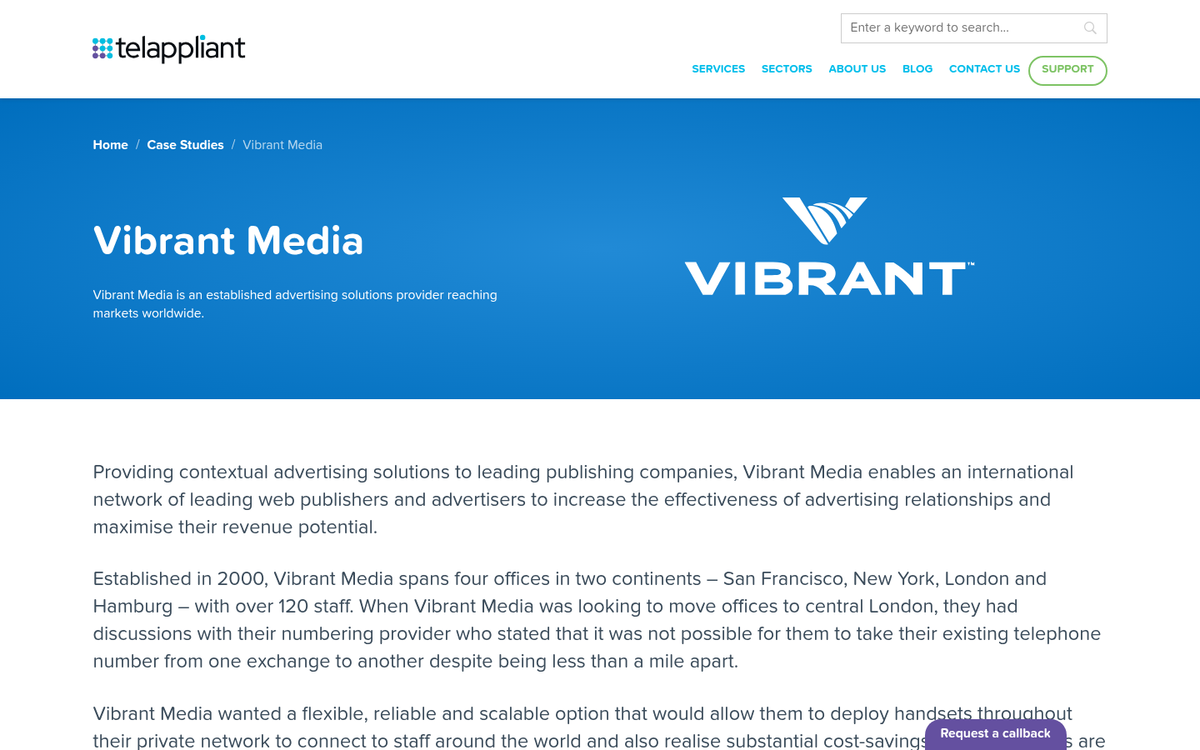
Adtegrity continues to differentiate through deep targeting capabilities including retargeting, lookalike audiences, and behavioral targeting. Their brand safety standards are notably high, which makes them attractive for publishers who want to ensure ad quality on their pages. A solid mid-tier option that punches above its weight in terms of targeting sophistication.
Vibrant Media
Vibrant Media's contextual advertising technology has actually become more relevant in recent years as the industry has moved away from third-party cookie dependence. Their keyword and semantic contextual targeting means ads remain relevant without relying on user tracking, which aligns well with where privacy regulation is pushing the entire industry. Worth revisiting if you wrote them off a few years ago.
A Note on Networks That Have Changed or Closed

It's worth acknowledging that several networks that were staples of CPM lists a few years ago have since been acquired, shut down, or become effectively irrelevant. Tribal Fusion's parent Exponential Advertising wound down its publisher-facing operations. CPX Interactive, Burst Media, BuzzCity, AdPepper, Clove Network, and Axill are no longer viable options in their original forms. Technorati Media's ad network has been defunct for years. OperaMediaWorks transitioned into AdColony and subsequently into Digital Turbine's ecosystem, largely focused on in-app mobile rather than traditional display. Matomy was acquired and absorbed. The CPM landscape moves fast, and networks that looked stable five years ago may not exist in a meaningful way today.
The Bottom Line
In 2026, the smartest CPM strategy for most publishers involves layering: a primary network like AdSense or a premium programmatic partner, combined with header bidding through Index Exchange or Amazon UAM, supplemented by a secondary network for additional revenue lift. Running a single network exclusively is leaving money on the table. Test, measure, and optimize. That part of the game hasn't changed at all.



1 response
Thoughtful replies only - we moderate for spam, AI slop, and off-topic rants.
Glad to be the first to comment on this great article! Thank you so much James for doing this.