Key Takeaways
- Amazon's A10 algorithm prioritizes sales velocity and conversion rates, with top three listings capturing roughly 64% of all clicks.
- A fully optimized listing-strong title, backend keywords, bullet points, and high-resolution images-improves both search rankings and conversions.
- Reviews significantly impact rankings; use Amazon's "Request a Review" button and Vine program while strictly avoiding incentivized reviews.
- Inventory levels directly affect rankings; maintain 60-90 days of FBA stock to avoid penalties and prevent losing hard-earned positions.
- Using Fulfilled by Amazon (FBA) unlocks Prime eligibility and consistently higher search placement, making it essential for serious sellers.
How to Rank Higher on Amazon in 2026
Amazon needs no introduction. The giant retailer is great for more than just their own products, though. In fact, much of what you see "fulfilled by Amazon" is actually sold by a third party through Amazon as a marketplace site. Amazon simply handles priority shipping and monetary transactions, for their own cut of course.
With Amazon now accounting for nearly 37.6% of all U.S. online retail revenue and topping $356 billion, the stakes for sellers have never been higher - and neither has the competition.
If you want to sell successfully on Amazon, the first thing you'll have to realize is that you are by far not the only one. Thousands upon thousands of other retailers, large and small, want to sell their own items. Some are handmade and sold individually. Some are contracted from manufacturers overseas. Some are essentially drop shipping. Some are large retailers themselves, just doing business through Amazon in addition to their own websites.
The second thing you have to realize is that, to find success on Amazon, your product needs to rank highly in search. The numbers here are brutal: 70% of Amazon shoppers never go past the first page, the top listing alone captures 35% of all clicks, and the top three results account for roughly 64% of all clicks. If you're not near the top, you're essentially invisible.
That's why I've put this guide together. Ranking on Amazon is not like ranking on Google, where you can publish content and optimize keywords to have a decent shot at it. It's a very different place, with a very different algorithm. Here are the most important things you need to do to improve your Amazon ranking, sell more, and make a better profit.
Understanding Amazon's Search Algorithm

Amazon's search algorithm - long known as A9, and now evolved into what Amazon refers to as A10 - governs what products show up where and in what order for any given search. It's sophisticated in its own right, operating within a much more transactional and data-rich environment than a general web search engine. The core question it's always trying to answer is simple: what is this customer most likely to purchase?
It doesn't necessarily matter if your product is objectively better. If the competition has a stronger listing, more reviews, and more sales history, they'll show up first. This is also why it's hard to get a new product ahead of one that's been selling successfully for years. Even with identical listings, if a competitor has 4,000 positive reviews and you have zero, they're going to dominate the results.
Here are the most potent ranking factors to understand:
- Sales Velocity - The sheer number of recent sales is the most powerful signal. The algorithm cares not just about total sales, but how fast you're selling. Consistent, sustained sales momentum matters more than a one-time spike.
- Conversion Rate - Successful listings in 2026 tend to maintain conversion rates above 19%. A listing that gets clicks but doesn't convert tells the algorithm your product isn't a good match.
- Reviews - A product with at least one review is 65% more likely to be purchased than one with none, according to PowerReviews. A higher average star rating across a larger number of reviews continues to be a major trust and ranking signal. There are several effective ways to get more reviews on your Amazon products worth exploring.
- Inventory Health - This is newer and increasingly important: Amazon's algorithm may actively lower your rankings if your inventory drops below 30 days of coverage. Sellers should aim to maintain 60-90 days of stock in Amazon's fulfillment network at all times.
- Image Quality - Buyers want to see a product in detail before buying. High-resolution images are a must, with at least one image at 1000x1000 pixels to enable zoom. Multiple lifestyle and detail images consistently improve conversion.
- Price - A competitively priced product ranks higher, particularly when users sort by price. That said, extremely low prices raise red flags with shoppers, so don't undercut the competition by an unreasonable margin. It's also worth learning how to successfully lower your Amazon FBA seller fees to protect your margins.
- A+ Content - Amazon itself claims that A+ Content can increase sales by up to 10% (enhanced brand content with comparison charts, rich imagery, and formatted copy). More sales means better rankings.
- Child Products (Variations) - When you see a product with 20 color or size options, those are child variants of a parent listing. Use these instead of separate listings so you can consolidate traffic, reviews, and sales history into one powerful page.
1: Build Out a Complete, Optimized Product Listing
The first thing you should do is expand and optimize your product listing as thoroughly as possible. A great listing does two jobs at once: it ranks for the right search terms, and it converts browsers into buyers.
Here's what to focus on:
- Optimize your title. Your title should lead with your brand, followed by the most important keywords, key specs, and differentiators. Keep it readable - Amazon has cracked down on keyword-stuffed gibberish titles in recent years - but make sure the most important search terms appear naturally near the front.
- Backend search terms. Amazon gives you 5 fields of 50 characters each, for 250 total characters of backend keywords. Use every character. Don't repeat terms already in your title, and avoid commas - just space-separate your terms to fit as many as possible. If you're looking to expand your keyword research, discovering high traffic longtail keywords can help surface terms worth targeting.
- Bullet points and features. Every major spec, benefit, and use case should appear here. Lead with benefits, not just specs. These are scanned quickly, so front-load the most compelling information.
- Description and A+ Content. Treat this as a miniature landing page. If you have Brand Registry access, use A+ Content to add rich visuals, comparison charts, and formatted copy. If not, write compelling product copy that emphasizes what makes your product the right choice. Include keywords, but only once - repetition doesn't help.
- Images. Include multiple high-resolution images: a clean hero shot on white, lifestyle images, detail/closeup shots, and an infographic-style image calling out key features. Video is increasingly influential as well and worth adding if you can produce it.
A great product listing might look like overkill at a glance. The point is to provide every piece of information a buyer might need, removing any reason to click away.
2: Build Your Review Base Strategically
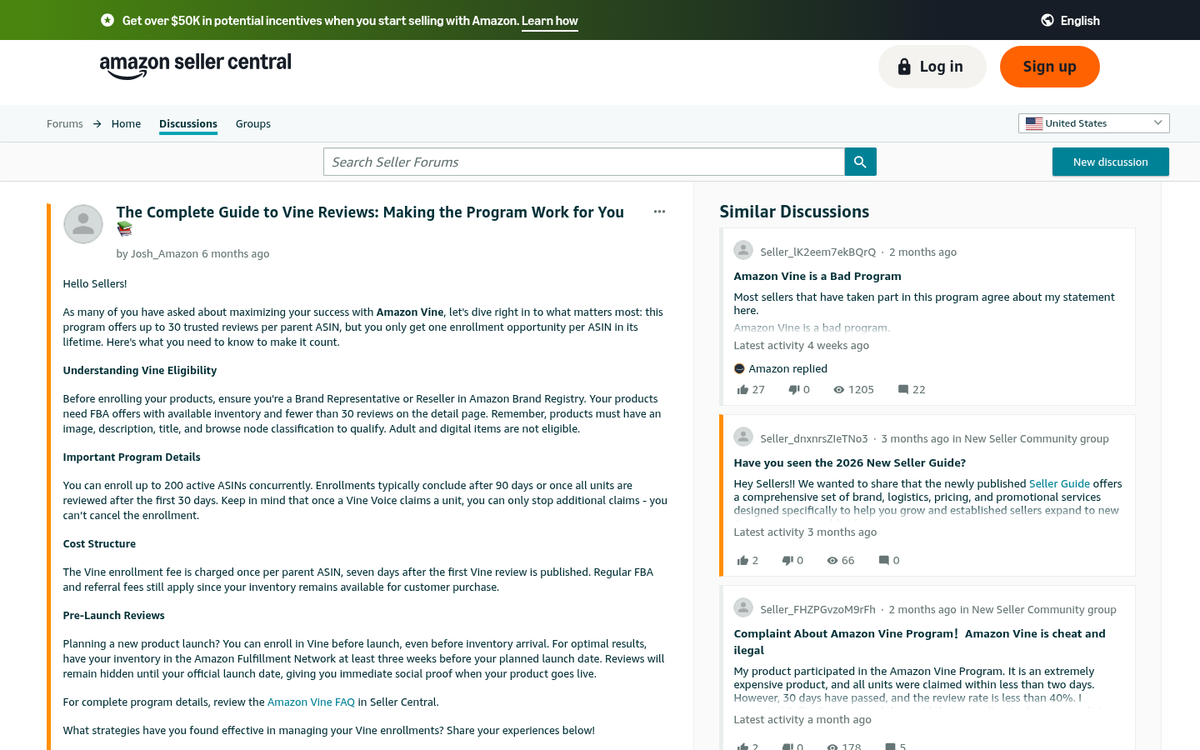
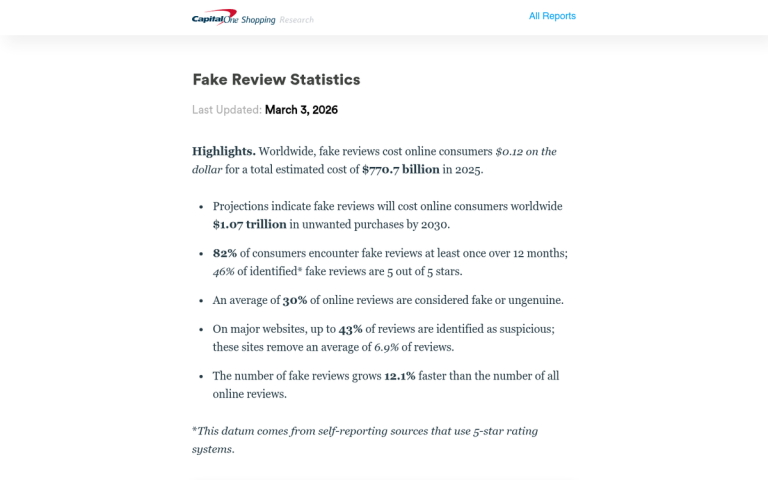
Reviews remain one of the most powerful factors on the platform. A product with at least one review is 65% more likely to be purchased than one with none - and that gap only widens as review counts grow.
Amazon has significantly tightened its policies around review solicitation over the years, so it's important to stay within their guidelines. Here's what works in 2026:
- Use the "Request a Review" button in Seller Central. Amazon allows you to send a standardized review request to buyers between 5 and 30 days after delivery. This is fully compliant and consistently effective.
- Amazon Vine - If you're a brand-registered seller launching a new product, the Vine program lets you provide free units to trusted reviewers. It's one of the fastest legitimate ways to build early review momentum.
- Avoid incentivized reviews. Amazon's enforcement here is serious. Getting caught can result in listing removal or account suspension. It's not worth the risk.
Negative reviews - especially a high frequency of 1- and 2-star ratings - will hurt your ranking and your access to the Buy Box. Respond to negative reviews professionally, address the issue if you can, and use the feedback to improve your product or listing.
3: Price Your Product Competitively
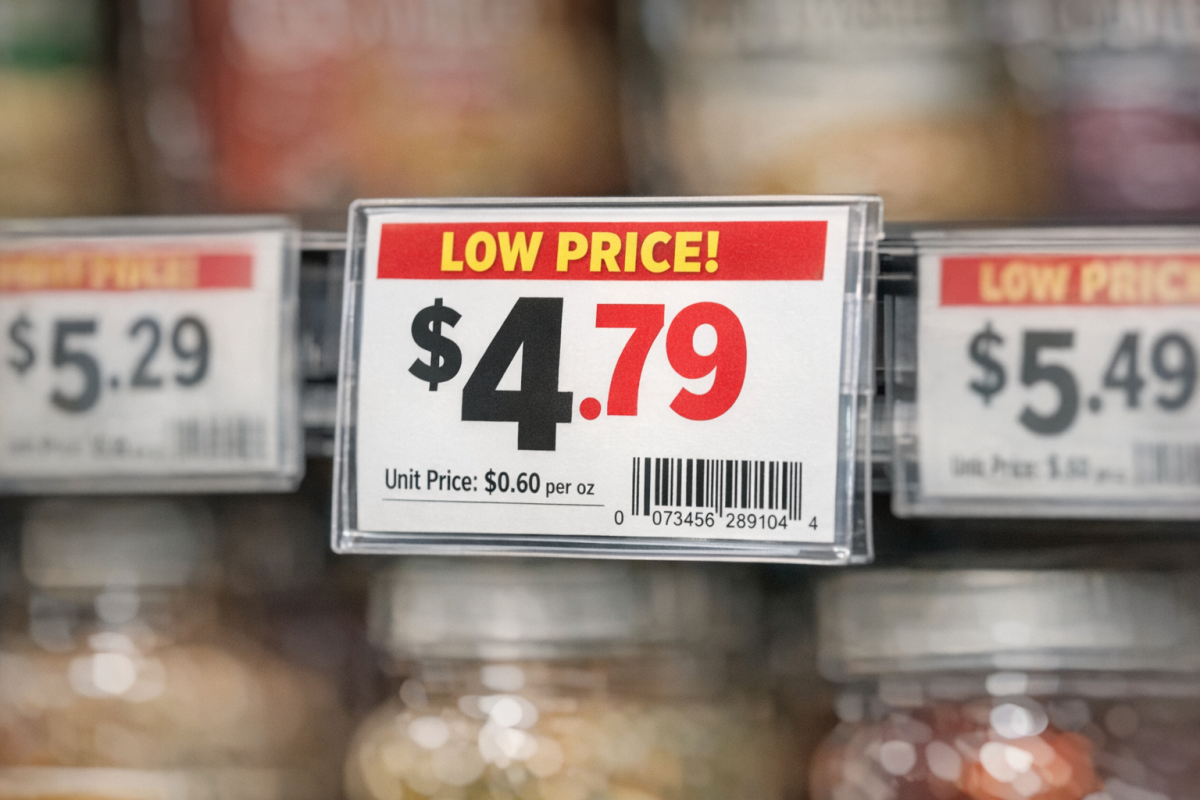
What do users care about more than almost anything? Price. Even a beautifully optimized listing will lose sales to a competitor with the same product at a lower price.
That said, excessively cheap prices make shoppers suspicious. If everyone is selling a $50 blender and you're pricing it at $5, buyers will wonder why. Is it a clearance model? A scam? A listing error? People are wary, and rightfully so.
The sweet spot is being meaningfully competitive without racing to the bottom. A few dollars below the competition is often enough to win the Buy Box and drive conversions without destroying your margin.
Many sellers in 2026 use automated repricers to stay competitive dynamically without manually monitoring prices around the clock. If you're selling in a competitive category, this is worth considering. Additionally, flash deals and limited-time coupons can drive a short burst of sales velocity - which improves your ranking metrics across the board, long after the promotion ends.
4: Manage Your Inventory Like a Ranking Factor
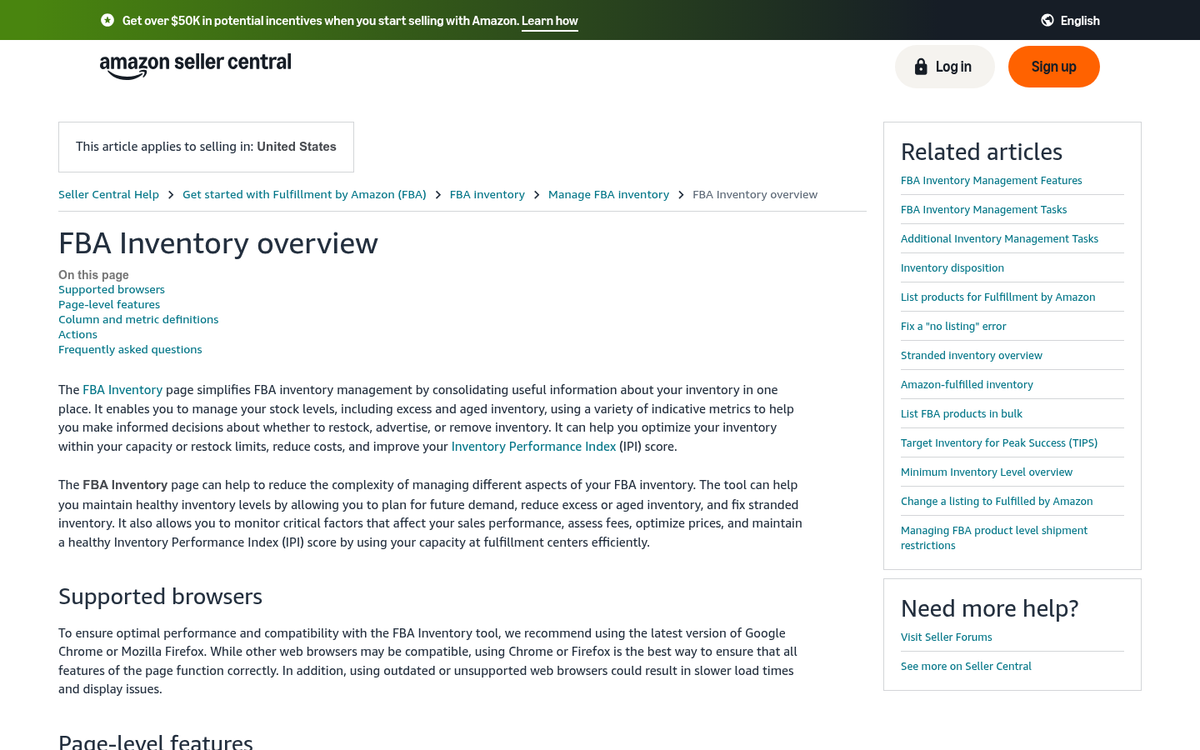
This is something a lot of newer sellers overlook entirely: inventory levels directly affect your search ranking.
Amazon's algorithm penalizes listings when stock runs low. If your inventory drops below 30 days of coverage in Amazon's fulfillment network, you may see your rankings slip. The recommendation is to maintain 60-90 days of inventory in the FBA network at all times, particularly for your best-performing SKUs.
Running out of stock is one of the fastest ways to lose rankings you worked hard to build. Rebuilding that momentum after a stockout can take weeks. Plan your restocking schedules around your sales velocity data in Seller Central, and set reorder alerts well in advance.
5: Sell Fulfilled by Amazon (FBA)
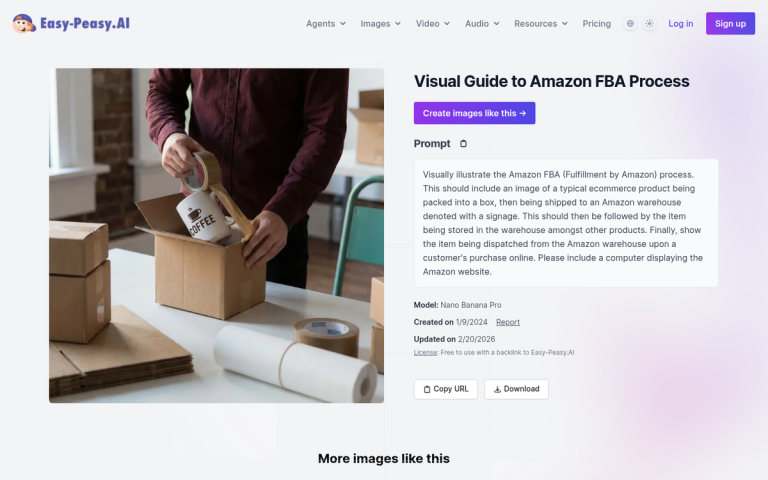
Fulfilled by Amazon is the label you get when you let Amazon handle storage, shipping, and customer service. It's also what qualifies your products for Amazon Prime. If a Prime member sees your product with the Prime badge and your competitor's without it, they're going with you - almost every time. The free two-day shipping alone is that compelling.
FBA listings consistently appear higher in search results as well. If your competitors are FBA and you're shipping yourself, you're fighting an uphill battle on multiple fronts simultaneously.
Getting started is straightforward: sign up for FBA in Seller Central, send your inventory to Amazon's fulfillment centers, and Amazon handles the rest - picking, packing, shipping, and even returns. They charge a per-item fee based on size and weight, so run the numbers for your specific products to make sure the margins work.
For most sellers in most categories, FBA is not optional if you're serious about ranking and converting. It's the baseline expectation.
The Bottom Line
Amazon in 2026 is more competitive than it's ever been, but the fundamentals haven't changed as much as the stakes have. Build thorough, keyword-rich listings. Earn reviews the right way. Price competitively. Keep your inventory stocked. Use FBA. Do all of these consistently, and you'll be ahead of the majority of sellers who cut corners on one or more of them.

The sellers winning on Amazon right now aren't doing anything magical - they're just doing the basics exceptionally well.