





One of the most common pieces of advice you should be following in SEO is to get yourself independent from Google organic search results. The best way to do this is to build an email list and start publishing a regular newsletter. When you have a newsletter, you have people interested in your brand and visiting your site who are not tied to a search engine. If something happens and your site is removed from the rankings or otherwise drops, you still have a source of traffic.
That's what these tools are for. They're all designed to help you capture emails, in various ways. They have their pros and cons, which I'm here to discuss.
Key Takeaways
- Building an email list reduces dependence on Google search rankings, protecting your traffic if rankings drop.
- Sumo is the easiest and fastest to set up, while JustUno offers more power but higher cost and complexity.
- Mailchimp suits beginners with a free 500-subscriber tier; combining email and SMS boosts click rates by 97%.
- ConvertKit/Kit is best for bloggers and solo creators; ActiveCampaign suits advanced users needing deep automation.
- Scraping contacts without consent risks spam complaints, blacklisting, and legal violations under CAN-SPAM, GDPR, or CASL.
Sumo
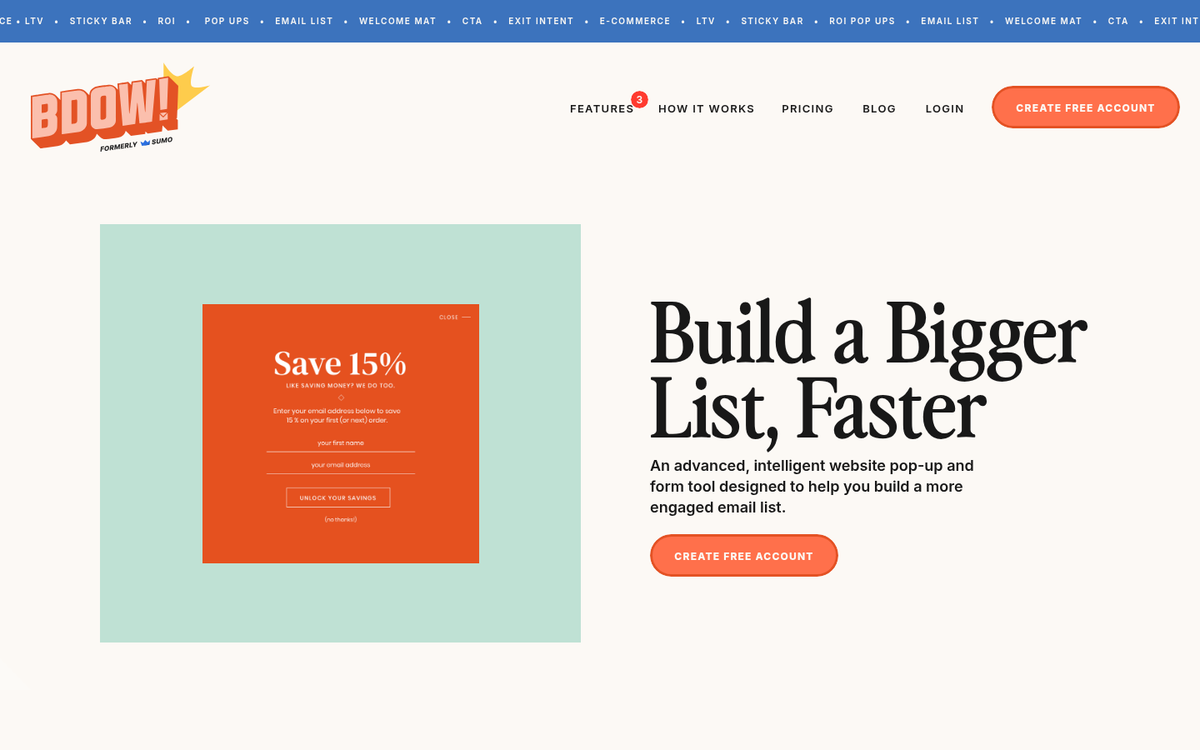
First on the list is one of the oldest and most venerable options out there, Sumo (formerly SumoMe from AppSumo).
Sumo is essentially an exit intent and lead capture tool. It's designed to trigger when the user is exhibiting signs of leaving, like the window losing focus or the cursor heading towards the close button on a browser. It also works on mobile.
On the pros side, Sumo is used by a wide range of companies and integrates with major email platforms including Mailchimp and GetResponse. It's incredibly easy to set up and get running, taking no more than a couple of minutes to customize the pop-up and install via their WordPress plugin or a simple script. There's a free tier available, and paid plans unlock more advanced features and remove Sumo branding. It's a solid, no-fuss starting point if you just want something up and running fast.
JustUno
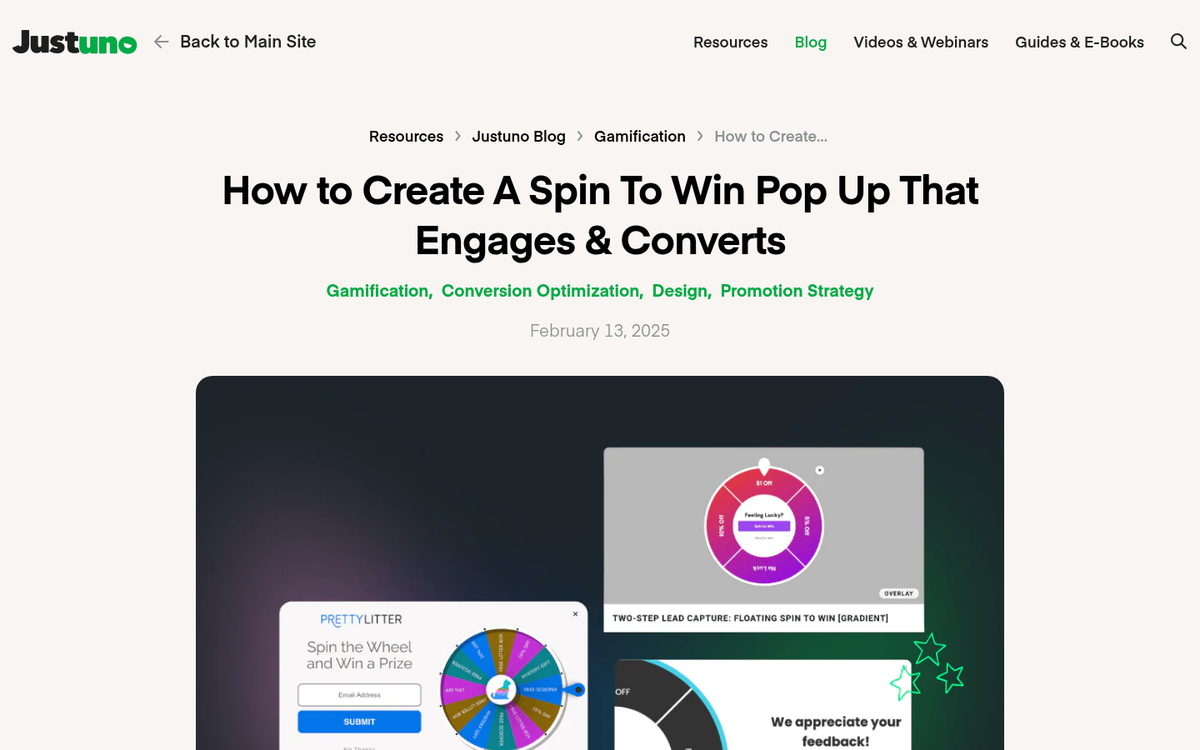
So, maybe you don't like exit intent pop-ups. Maybe you just want something with more firepower. In that case, JustUno is still worth a serious look in 2026.
JustUno has a number of possible lead capture applications. It's a lot harder to configure properly than something like Sumo, but it's also far more powerful. You can display sidebar tabs, run timed or scroll-triggered pop-ups, and everything in between.
You also have a wide range of targeting options. Rather than showing the pop-up to everyone who comes through, you can set it to trigger for people who reach the cart, first-time visitors, or even returning customers specifically.
The greatest power of JustUno comes from its incentive engine. You can offer discounts, prizes, or spin-to-win gamification to incentivize mailing list signups - which tends to perform especially well for e-commerce brands.
The biggest downside to JustUno remains the price. Some of the best features are gated behind paid plans, and costs can climb depending on your traffic volume. It's overkill for a small blog, but if you're running a serious e-commerce operation, it pays for itself quickly.
Mailchimp
No list of email capture and list-building tools in 2026 would be complete without Mailchimp. It's grown far beyond a simple email sender - it's now a full marketing platform with built-in landing pages, pop-up forms, and embedded signup forms you can place anywhere on your site.
Mailchimp's free plan supports up to 500 subscribers and 1,000 emails sent per month, which is a perfectly reasonable starting point. Paid plans start at $13/month. Their Customer Journey Builder includes 90+ ready-made automation templates, making it easy to set up welcome sequences, abandoned cart flows, and re-engagement campaigns without starting from scratch.
One standout data point: Mailchimp reports a 97% higher click rate for US users who combined email and SMS campaigns versus email-only campaigns. If you're not thinking about SMS alongside your email list, that's worth paying attention to. They also claim a 30X ROI based on e-commerce revenue from paid plan users' campaigns tracked between August 2024 and August 2025.
For most people starting out, Mailchimp is the path of least resistance. The capture forms are easy to set up, the integrations are everywhere, and the free tier gives you real room to grow before you need to spend anything. Once your list starts building, learn how to turn those Mailchimp subscribers into customers.
ConvertKit (now Kit)

ConvertKit, which rebranded to Kit in late 2023, is the go-to choice for content creators, bloggers, and newsletter operators who want more control over their audience than Mailchimp offers.
The Creator Plan starts at $9/month and the Creator Pro Plan is $25/month, which includes subscriber scoring and a built-in newsletter referral system - a genuinely useful feature if you're trying to grow your list through word of mouth. The landing page and form builder is clean and fast, and the tagging and segmentation system is significantly more flexible than Mailchimp's at the entry-level price point.
If you're a blogger, podcaster, or solo creator, ConvertKit/Kit deserves serious consideration over the more corporate-feeling alternatives.
ActiveCampaign
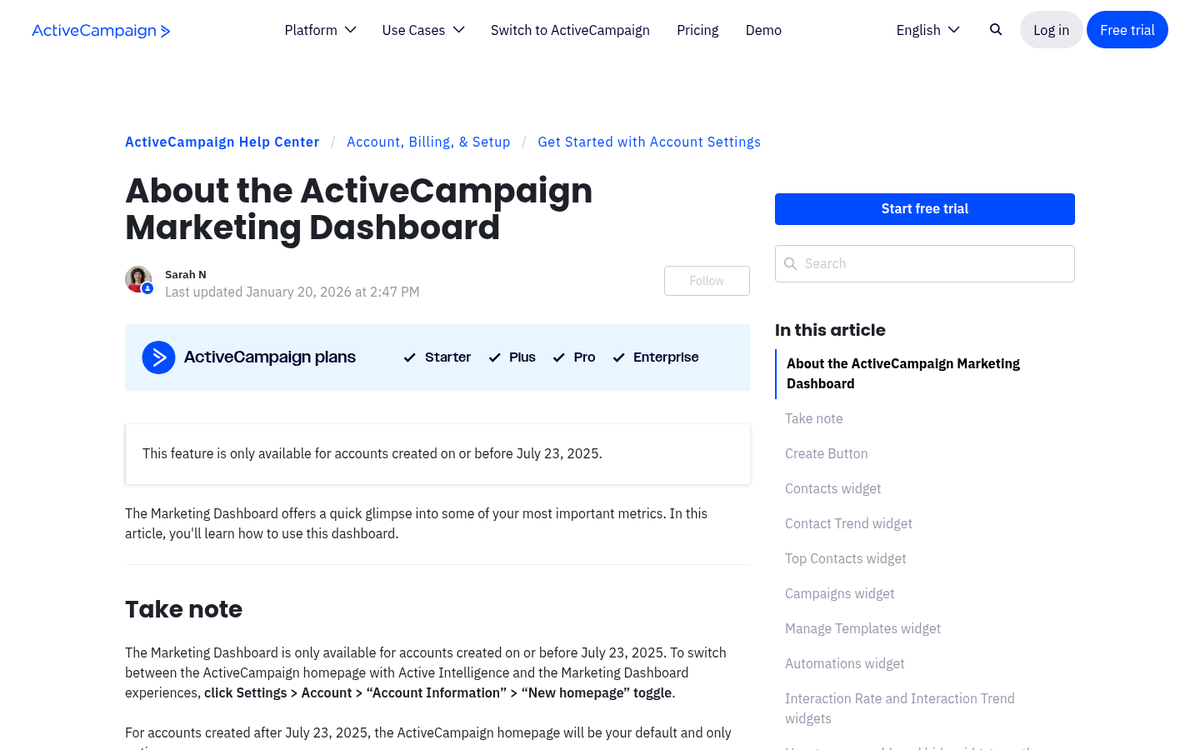
For those who need serious marketing automation alongside their list building, ActiveCampaign is one of the most powerful platforms available. Plans start at $29/month (billed yearly), with add-ons available including SMS marketing automation at $21/month and custom reporting at $159/month.
Where ActiveCampaign stands apart is the depth of its automation builder. You can build extremely granular workflows based on site behavior, email engagement, purchase history, and more. It's not the right tool if you're just starting out, but if you're scaling and need your email platform to do heavy lifting, it's hard to beat. If you're also looking for ways to make money while your traffic is still growing, pairing a strong email platform with the right monetization strategy can make a big difference.
A Word on List Scraping Tools

Tools like the old ListGrabber - which scrape directories and online communities to pull contact information - are worth mentioning, but mostly as a cautionary tale. Scraping contacts who never opted in to hear from you is not list building. It's a fast track to spam complaints, domain blacklisting, and in many jurisdictions, legal trouble under CAN-SPAM, GDPR, or CASL.
In 2026, with email providers and spam filters more sophisticated than ever, this approach will hurt you far more than it helps. Build your list the right way - with people who actually want to hear from you.

1 response
Thoughtful replies only - we moderate for spam, AI slop, and off-topic rants.
What about Link Booster from GetResponse?