Launching a new website and business is a tricky task. The number one mistake most people make going into it is believing that the hard work doesn't start until the website is launched. In reality, you have a lot of work, preparation, and even marketing to do before your site goes live.
To a certain extent, your marketing plan is going to depend on your business, your business model, and your industry. I'm writing this as if you're opening a web-based business, likely a blog, possibly for affiliate sales or for a digital product of your own. A lot of this post, then, is talking about the foundations you need to establish to make sure your site is well positioned for growth. Things change if you already have a site and are launching another, or if you have a physical business and you're launching a website to accentuate it.
Essentially, consider this a barebones guide, and add to it whatever is necessary to adapt your site to your situation. If you have additional resources, like an existing audience from another site or a physical store, you can leverage them for additional benefits.
Key Takeaways
- Pre-launch marketing matters as much as post-launch; build your email list and teaser page before going live.
- Choose reliable hosting and a domain name carefully, as both are difficult and costly to change later.
- WordPress remains the top CMS recommendation, but alternatives like Webflow and Ghost are now viable options.
- Your email list is your most valuable asset since you own it outright, unlike social media followers.
- Launch day should focus on engaging with contacts and responding to conversations, not producing new content.
Obtain Great Hosting

The first thing you need to do to launch a successful website is base it on excellent hosting. I'm not here to point you toward any specific provider - that's research you'll need to do based on your needs and your budget. What I will say is that your hosting choice matters more than most new site owners realize.
Hosting comes in several flavors. Shared hosting puts your site on a server alongside many others, splitting resources. It's the most affordable entry point and perfectly functional for a brand-new site with low traffic. Managed WordPress hosting has become a standout middle-ground option - providers like Kinsta, WP Engine, and Cloudways handle the technical side for you while delivering solid performance. It's more expensive than shared hosting, but the trade-off in speed, security, and peace of mind is often worth it for serious projects.
At the top end, you have dedicated servers or high-tier cloud infrastructure. These give you maximum control and performance but come with a matching price tag and more responsibility on your end.
There's also the increasingly popular option of cloud-based hosting through platforms like AWS, Google Cloud, or DigitalOcean, which scales with your traffic rather than locking you into fixed resources. It's a smart choice if you're expecting growth or unpredictable traffic spikes.
For most new web-based businesses in 2026, a managed WordPress host or a reputable cloud-based solution is the sweet spot.
Pick a Great Domain Name
Your domain name is going to be very important for branding throughout the rest of your site's life. You have to make sure you're happy with it, because the process of changing and rebranding is time consuming, difficult, and liable to lose you traffic along the way. It's not something most of us can easily afford.
Avoid paying too much for parked domains, unless you're absolutely certain they're perfect and don't carry a negative history. Avoid exact match domains, which prioritize SEO keywords over actual brand identity. There's a reason successful brands have names like Gizmodo or Lifehacker rather than BestSurvivalParacord or something equally forgettable. It's all about the branding.
On the extension front, .com is still king for credibility and memorability, but .io and .co have become genuinely respected options, particularly in the tech and startup space. Newer extensions like .ai have also gained traction as AI-focused businesses have exploded in recent years. Just don't get too creative - the harder your domain is to remember or spell, the harder your brand is to grow.
You need to be conscious of your branding early and often. Everything you do from here on out is going to be aimed at growing and building your brand. If you don't have established resources, that brand will grow from the ground up. It's a lot of work, so you need to avoid faltering along the way.
Use a Powerful CMS
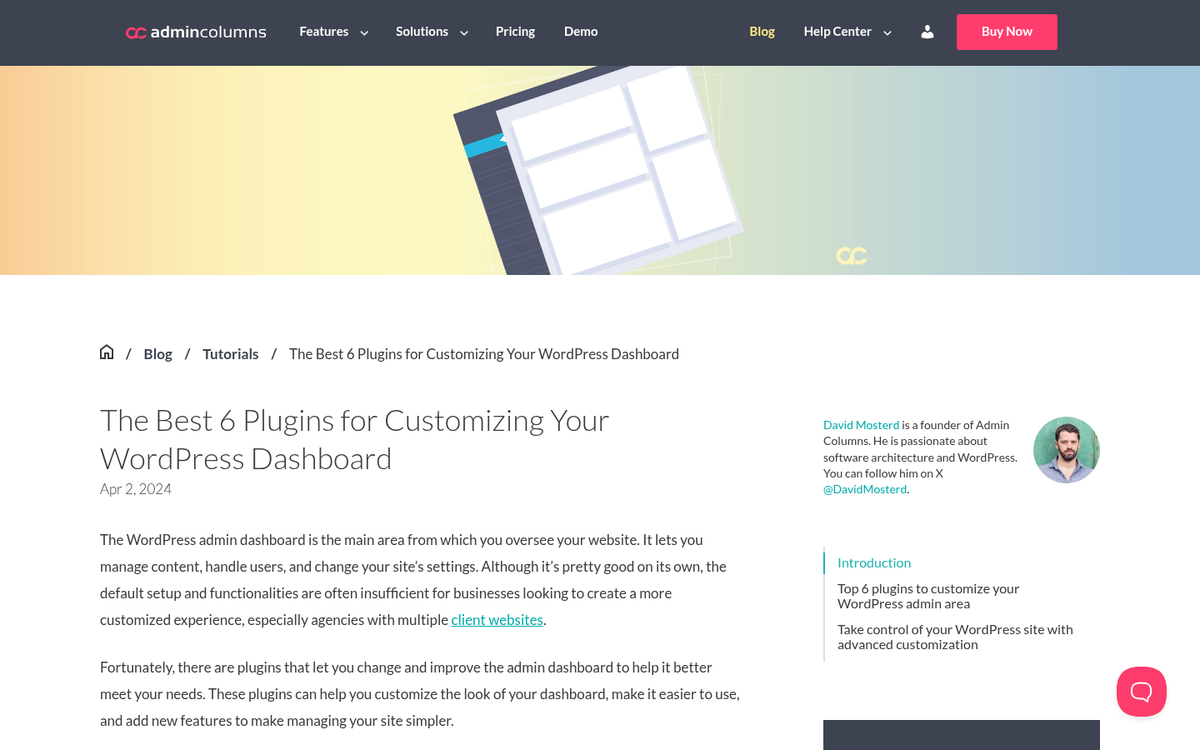
In this case, I will recommend something: WordPress. Your Content Management System is the foundation upon which your site is built, and WordPress remains the dominant choice for good reason. It powers well over 40% of the entire web, and the ecosystem of themes, plugins, and developers around it is unmatched. It's infinitely customizable, scales well, and has a massive community behind it.
That said, alternatives have matured significantly. Webflow has become a serious contender for those who want design flexibility without touching code. Ghost is worth considering if you're running a pure content or newsletter-focused site. And if you're building something more like a content platform with paid memberships, tools like Substack or a WordPress-plus-membership-plugin setup are both viable.
For most web-based businesses, WordPress is still the right call - but it's no longer the only reasonable one.
One thing that hasn't changed: keep everything updated. WordPress core, your theme, and every plugin you run. Security vulnerabilities are discovered constantly, and an out-of-date site is a sitting target. Trust me - recovering from a hack is far more painful than spending five minutes running updates.
Install Important Plugins
There are thousands of WordPress plugins available, though you shouldn't need too many. Here are the ones I'd prioritize for a new site launching in 2026:
- WP Rocket for caching and overall performance optimization - it's become the gold standard and is worth the cost.
- Yoast SEO or Rank Math for a robust on-page SEO system. Rank Math has gained a lot of ground and offers more features in its free version.
- Akismet for spam filtering on comments and contact forms - still one of the best.
- Wordfence or Solid Security (formerly iThemes Security) for login protection, firewall coverage, and brute force prevention.
- UpdraftPlus or BlogVault for automated backups - don't launch without a backup solution in place.
- WPCode for adding code snippets cleanly, without editing your theme files directly.
You'll also want to think about your page builder early. Kadence, GeneratePress, or Blocksy paired with the native WordPress block editor are all excellent lightweight options. The days of needing a heavy builder like Divi or Elementor to get a good-looking site are largely behind us.
Pre-Launch: Build a Mailing List
I know what you're thinking - how do I build a mailing list before my site is live? That's what the hype engine is for. And in 2026, building an audience before you launch is more important than ever, because organic reach across most channels has continued to decline. You cannot rely on the algorithm to do the work for you.
In essence, a hype engine is no different from movie trailers, episode previews, the preview chapter at the end of a book, or the lead-up campaign before a product drop. Those are all parts of a hype engine.
For a new blog and a new business, the primary part of your hype engine is going to be outreach. You'll also want a teaser page. More on both of those in a moment. Free tools for blogger outreach and contacting site owners can help you get started without a big budget.
One strategy that continues to work well: a teaser page with an email opt-in, a clear value proposition, and some form of waitlist or early-access angle. If you have a product or service to gate, consider giving early subscribers first access, bonus content, or a founding member discount. Creating a sense of exclusivity still works - but only if the thing you're gatekeeping is worth coveting. When you're ready to grow that list further, you may want to look into email marketing services that accept single opt-in lists.
If you're launching a pure content site, the calculus is different. Your goal is to get people excited enough about the topic or your angle to hand over their email address before you've published a single post. That requires a compelling pitch and ideally some proof that you know what you're talking about. It also helps to think about why blogs struggle to get traffic early, so you can avoid those pitfalls from day one.
Spark Interest with a Teaser Page
Your teaser page will sit on your domain to begin building links and brand familiarity before your actual site goes live. Get it up as early as possible - ideally before you've even finished designing the main site.
What should be on your teaser page? Two elements are essential, and one is situationally useful. The first is an email opt-in - this is the cornerstone of your pre-launch list building. The second is your quick pitch: a clear, concise statement of what you're building, who it's for, and why it matters. You have a few seconds of attention to work with, so make them count.
The third optional element is a countdown timer. These can be effective for creating urgency, but they come with caveats. If your launch date is too far out, people will disengage. More importantly, you must hit the date you set. Missing your own countdown is a bad first impression that's hard to shake.
A smarter approach is to use your countdown period to drip out teasers - a preview of your flagship content, a behind-the-scenes look at what you're building, or early announcements that reward people for paying attention. Keep the audience warm between the teaser page going up and launch day.
Prepare For Large Scale Outreach
Before you launch, you want a list of relevant people in your space - bloggers, newsletter writers, podcasters, YouTubers, and social media creators who cover your niche. These are potential collaborators, people who might share your content, or sources you might quote or interview.
The goal isn't to spam 200 people on launch day. The goal is to identify the right 20 to 30 people you can build genuine relationships with over time, and to have a plan for how to approach them. Some you'll reach out to before launch to share a preview. Some you'll mention or link to in your flagship content, which gives you a natural reason to let them know about it. Some you'll want to pitch a guest post or collaboration to down the road.
In 2026, cold email still works - but only when it's personal, brief, and clearly not a template blast. Do your homework before reaching out. Know their work. Have a reason for contacting them that's specific to them. The influencer marketing landscape has matured enough that generic outreach gets ignored almost universally.
Produce High Quality Day One Content
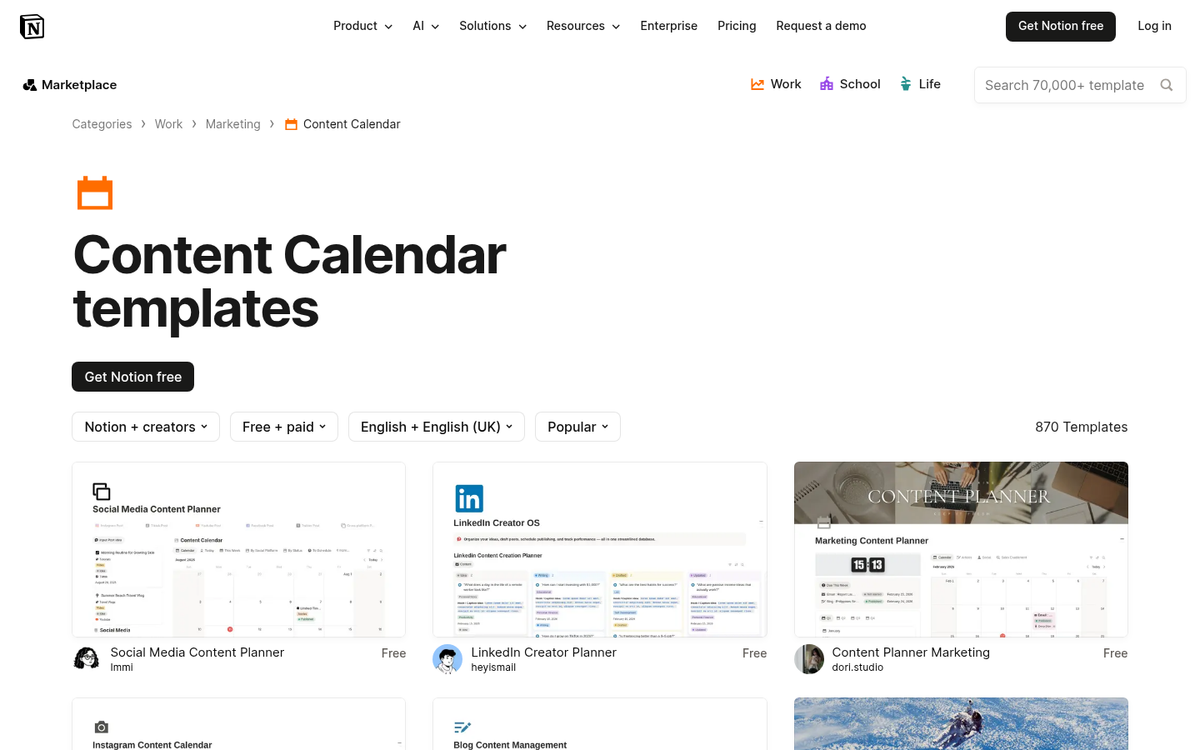
Regardless of whether or not you're hyping up a product or service, you want a body of content ready to go on launch day. A site with a single post looks like an abandoned project. Start publishing a week or two before your public launch so there's a backlog for early visitors to explore.
More importantly, you need at least one piece of content that functions as your flagship post - something so thorough, useful, or insightful that it earns links, gets shared, and ranks. This is your viral bait, your first impression for new organic visitors, and your best pitch to anyone you reach out to.
A few formats that consistently work:
- Deep, well-researched guides that are more complete and more current than anything else ranking for the topic.
- Original data, surveys, or case studies - first-party data is increasingly valuable as AI-generated content floods the internet.
- Expert roundups or interviews with credible voices in your niche.
- Opinion or perspective pieces that take a clear, defensible stance - not wishy-washy takes, but something that makes people think or disagree.
- Step-by-step process posts that solve a real, specific problem better than what already exists.
Think of this piece like a free resource you'd be proud to charge for. It should be the first thing you send to anyone who asks what your site is about.
One important note for 2026: with AI content tools being used widely, Google and readers alike have become better at identifying content that's generic and derivative. Your flagship piece needs a genuine point of view, real experience, or original research behind it. Surface-level content simply doesn't cut through anymore.
Produce a Backlog of Future Content
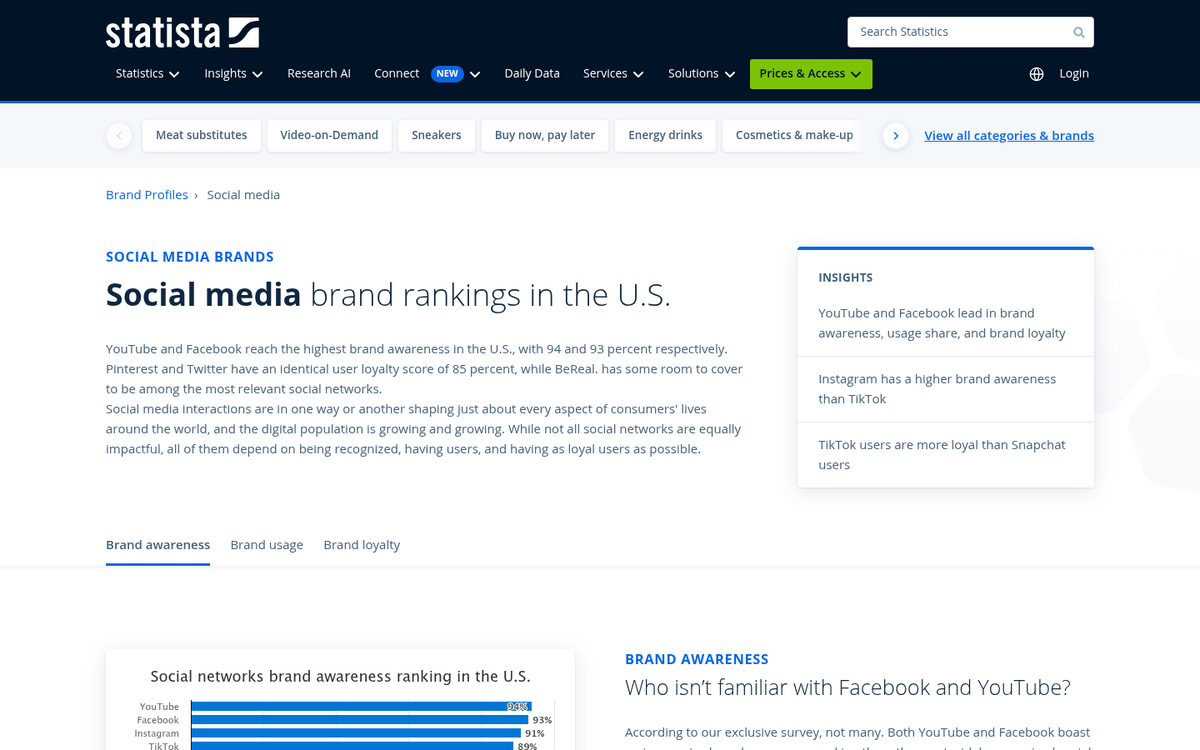
While you're producing content, don't stop. Decide how often you're going to publish. I'd recommend consistency over volume - whether that's once a week or three times a week, stick to a schedule you can actually maintain long-term. Publishing twelve posts in the first two weeks and then going quiet for a month sends the wrong signal to both readers and search engines.
Have at least two to three months of content planned out before launch, with as much of it written and scheduled as possible. This frees you up to focus on promotion, outreach, and community building during the critical early days instead of scrambling to produce new posts under pressure.
Focus heavily on evergreen content in the early days - posts that will still be relevant and useful a year from now. That's where your long-term organic traffic will come from.
Set Up Branded Google Alerts
This is a simple step that's easy to overlook. Set up Google Alerts for your brand name, your key topics, and the names of your main competitors. You can supplement this with tools like Brand24 or Mention for broader social listening.
Monitor these alerts to track how your brand is growing, spot opportunities to engage in relevant conversations, and catch any mentions you can respond to or build on. Once you launch, alerts can also tip you off to coverage you didn't know you'd received, giving you a chance to thank the writer or amplify the post.
Create Basic Social Media Profiles
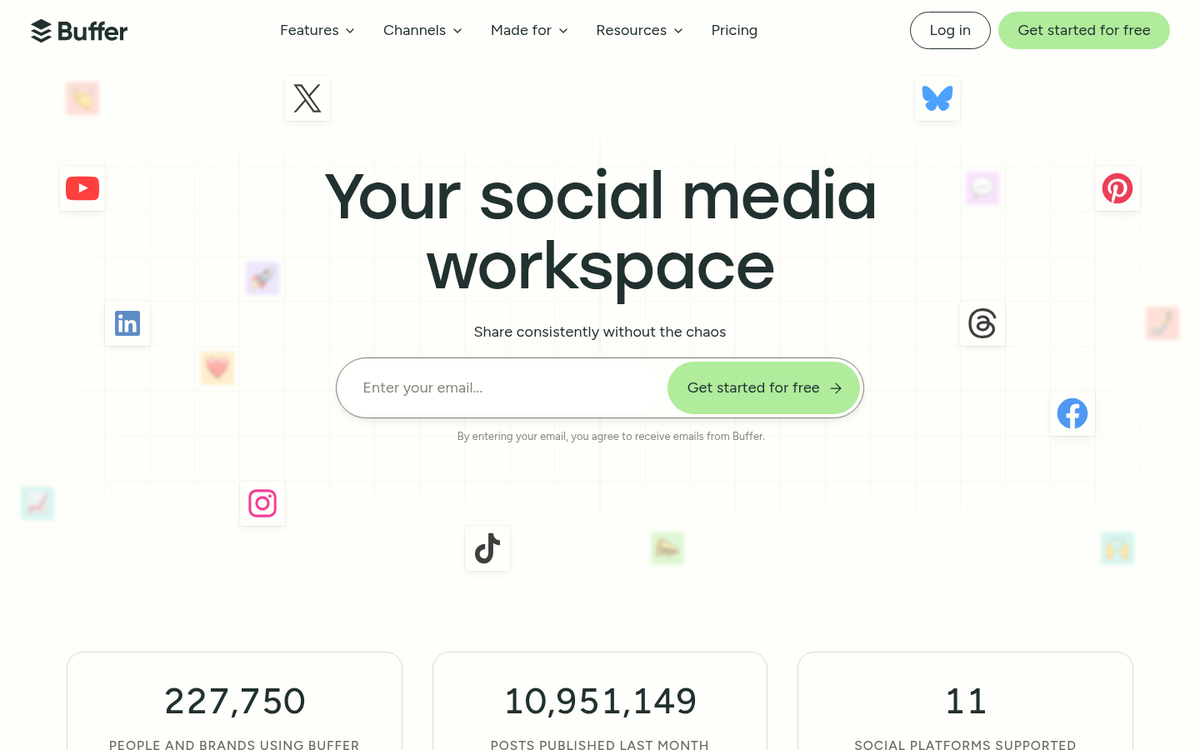
Social profiles are still valuable real estate for a growing brand, but the platform landscape has shifted considerably. Facebook organic reach has been minimal for years, making it less of a priority for new sites unless you're running paid ads. Twitter/X remains useful for certain niches, particularly tech, finance, and media, but its landscape has changed significantly since Elon Musk's acquisition and the subsequent fragmentation of users to alternatives like Threads and Bluesky.
For most new web-based businesses in 2026, I'd prioritize:
- An email list above all else - it's the only audience you actually own.
- One or two social platforms where your target audience actually spends time. Don't spread yourself thin.
- YouTube or a podcast if you have the capacity - long-form content platforms continue to grow and are excellent for building genuine audience trust over time. Check out these ways to properly grow your YouTube channel.
- LinkedIn if your audience is professional or B2B. Consider which ad network is most effective for your business model.
The general rules still apply: fill out your profile completely, post consistently, and engage with your audience rather than just broadcasting at them.
Launch and Inform Everyone
Use every channel available to you at launch to get the word out. Send your launch announcement to your mailing list. Post across your social profiles - both business and personal. Reach out personally to the influencers on your list who you've been warming up. If you have budget for it, a short burst of paid social or search ads can give your launch day an extra push.
This will be one of the busiest days you have, so plan for it. Script your messages in advance, queue up your social posts, and have your email ready to send. The more prepared you are, the more you can focus on real-time engagement rather than scrambling to get content out the door.
Spend the Day Responding to Contacts

Launch day is a day of conversation, not production. A good social media management tool - Buffer, Publer, or Metricool are all solid options - helps you keep tabs on everything without bouncing between tabs all day. Respond to comments, answer emails, engage with anyone who shares your content. Be present and accessible.
You probably won't get much creative work done on launch day, and that's fine. Your job today is to make a good first impression on everyone who shows up, and to build the early goodwill that turns first-time visitors into loyal readers or customers.
Start an Email Marketing Campaign
Your mailing list is your most valuable long-term asset. Unlike social media followers, your email subscribers are an audience you own - no algorithm can cut off your access to them.
For a new site in 2026, tools like Kit (formerly ConvertKit), Beehiiv, or MailerLite are excellent choices. Beehiiv in particular has gained significant traction for content creators and newsletter-first businesses. Choose a platform that makes it easy to segment your list, automate welcome sequences, and eventually sell products or services directly to your subscribers.
Start with a simple welcome sequence - a few emails that introduce you, set expectations, and deliver immediate value. From there, build a regular cadence that keeps your audience engaged with your best content, your updates, and eventually your offers. Don't let the list go cold.
Post-Launch Marketing
The post-launch day-to-day is where most sites live or die. The hype engine has done its job - now it's about consistent execution over time.
Keep publishing quality content on a regular schedule. Maintain your email list and treat it as