





Software and tools are the lifeblood of marketers. The better the tools, the more you can accomplish in a day. Of course, you have to know how to use them, but I'll leave that part to you. What I'm here for today is telling you which tools are top-tier for all kinds of lead generation in 2026. The global lead generation software market was valued at $7.78 billion in 2024 and is projected to surpass $12.59 billion by 2034 - so needless to say, there's no shortage of options. Let's get started; there's a lot to cover.
Key Takeaways
- Apollo.io leads B2B prospecting with 275 million contacts, built-in email sequencing, calling tools, and a free tier.
- Unbounce's Smart Traffic AI automatically routes visitors to best-converting page variants, delivering an average 30% conversion lift.
- Lead Forensics identifies companies visiting your site via IP addresses, enabling warm outbound outreach without form submissions.
- Wishpond suits smaller teams by combining landing pages, forms, contests, and email campaigns in one integrated platform.
- Clay, an honorable mention, automates B2B data enrichment and AI-personalized outreach by pulling from multiple data sources.
1. Apollo.io
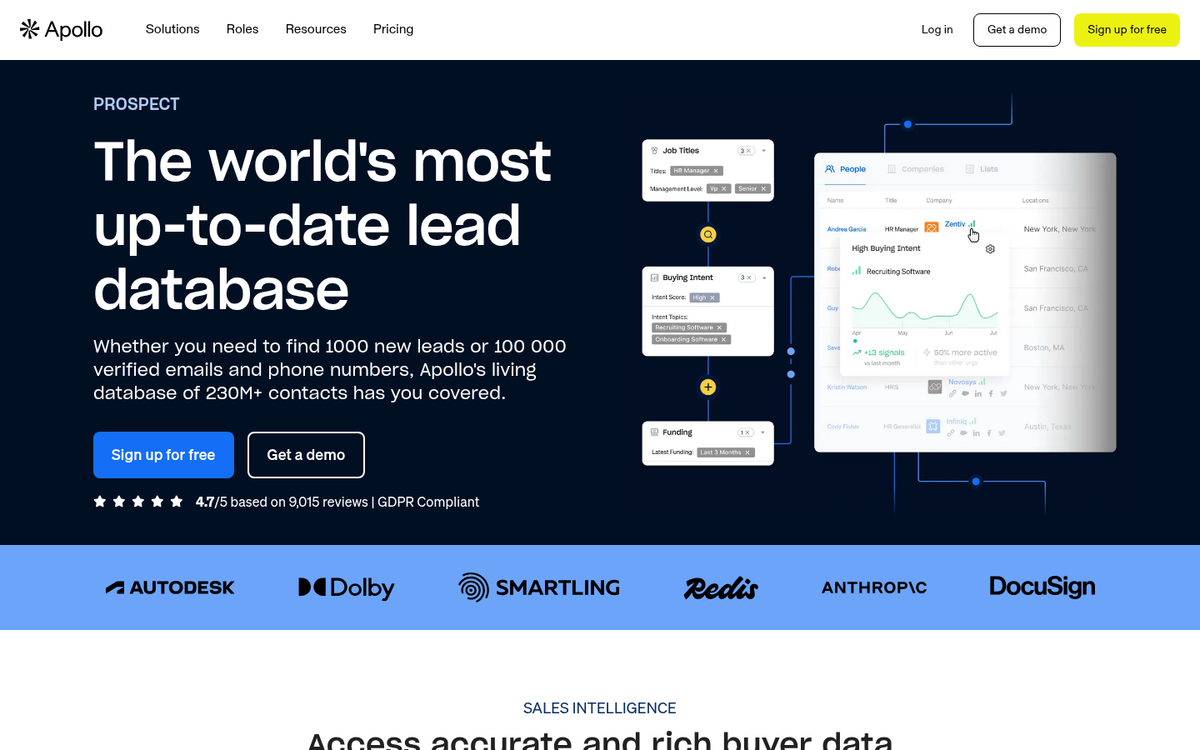
If you're doing B2B lead generation in 2026 and you're not using Apollo.io, you're leaving a lot on the table. Apollo has grown into one of the most powerful all-in-one prospecting platforms available, with a database of over 275 million contacts and 30 million companies. You can filter by job title, industry, company size, tech stack, location, and dozens of other criteria to zero in on exactly the kind of leads you want.
Beyond the database, Apollo has built-in email sequencing, calling tools, LinkedIn integration, and analytics. It's essentially a prospecting engine and a lightweight CRM rolled into one. There's a free tier that's genuinely useful, and paid plans scale from there. For outbound B2B lead generation specifically, it's hard to beat.
2. Unbounce

Unbounce has been around for a while, but it's kept up with the times better than most. It's still one of the best tools out there for building and optimizing landing pages, and their Smart Traffic AI feature deserves a special callout. Rather than just running traditional A/B splits, Smart Traffic automatically routes visitors to the landing page variant most likely to convert based on their attributes. According to Unbounce's own internal data, this drives an average 30% lift in conversions compared to standard A/B testing alone.
You still need a solid understanding of what makes a good landing page - Unbounce won't replace that knowledge - but it gives you the infrastructure to test, iterate, and improve faster than doing it manually. If you're running paid traffic to landing pages, this should absolutely be in your stack.
3. Intercom

Intercom has evolved significantly over the years and is now much more than a live chat widget. In 2026, it functions as a full customer communications platform with AI-powered automation baked in. Their Fin AI agent can handle a huge volume of inbound questions automatically, escalating to a human only when needed - which means your team spends less time on repetitive queries and more time on conversations that actually move the needle.
From a lead generation standpoint, Intercom is excellent for capturing intent in real time. Someone lands on your pricing page and hesitates? The right triggered message can be the nudge that turns a browser into a lead. It integrates well with most CRMs and marketing tools, making it a solid centerpiece for your customer communication stack.
4. Qualaroo
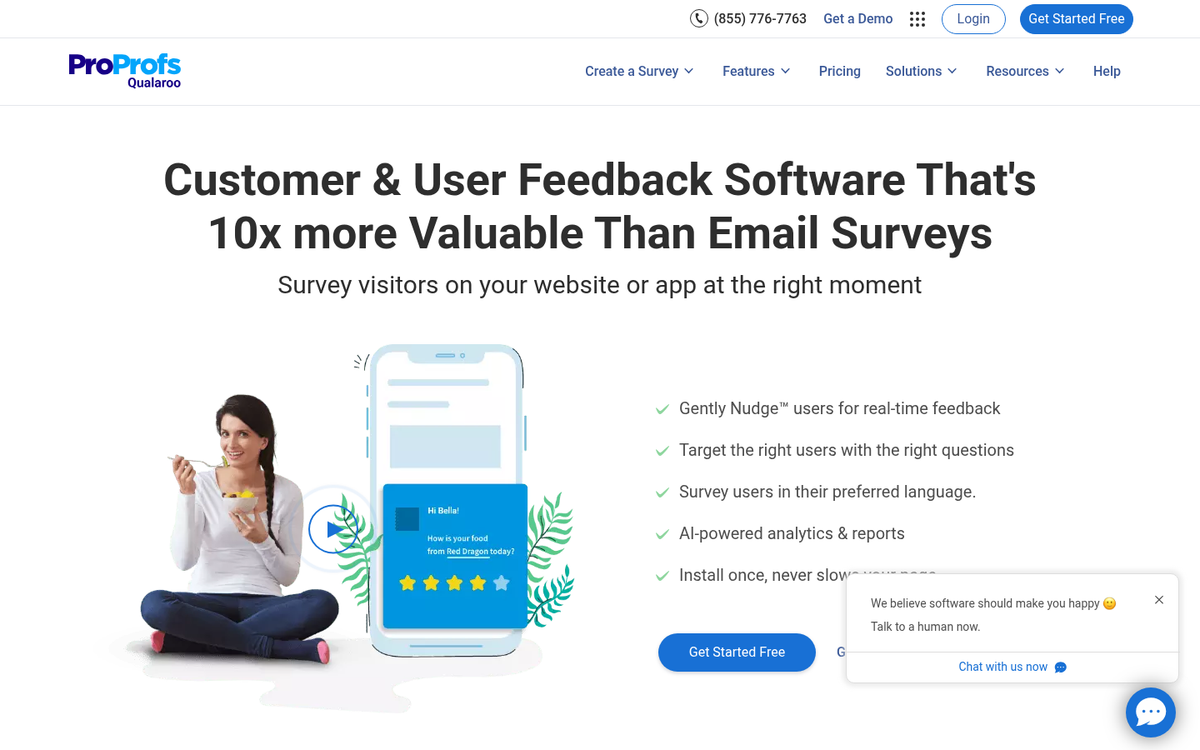
Optimization can only do so much if you don't have the information you need to understand why people are or aren't converting. Without that context, you're just throwing ideas at the wall. Qualaroo helps you fill in those gaps by letting you ask targeted questions directly to users at key moments in their journey.
Think of it as a micro-survey that appears exactly when and where you want it to for specific segments of visitors. Drop it on your blog to gauge content satisfaction. Put it on your pricing page to find out what's holding people back. Place it on your confirmation page to understand what finally convinced someone to convert. The qualitative data you get out of Qualaroo often surfaces insights that no analytics dashboard ever would.
5. Ninja Outreach
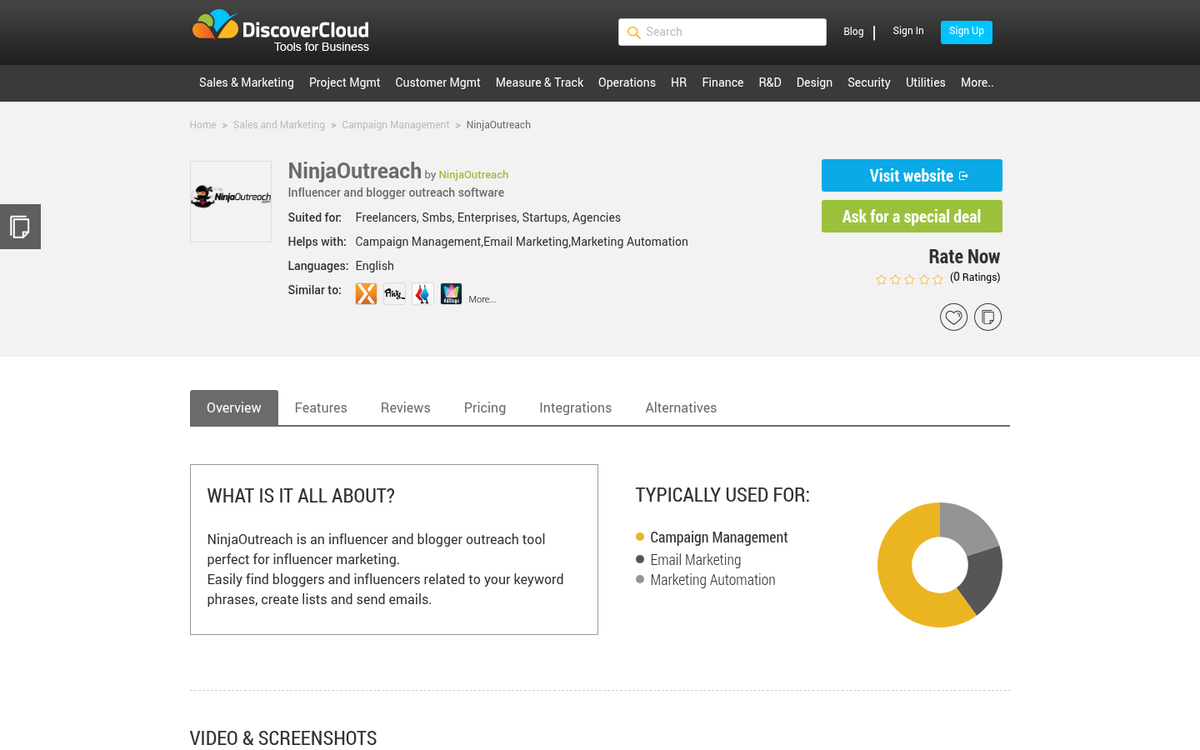
Ninja Outreach remains one of the more capable influencer and blogger outreach tools available, particularly for content marketers and link builders. You plug in a keyword, and it scrapes the web for relevant blogs and influencers, pulling together data on social following, engagement, traffic estimates, and contact information. From there you can sort, filter, and prioritize your prospects.
The built-in CRM lets you manage your outreach campaigns end to end, and the template engine helps you craft personalized pitches at scale without sounding like a bot. The Chrome extension is handy for harvesting contact details on the fly as you browse. If outreach is a core part of your lead gen strategy - whether for links, partnerships, or guest posting - Ninja Outreach is still worth your time.
6. Wishpond
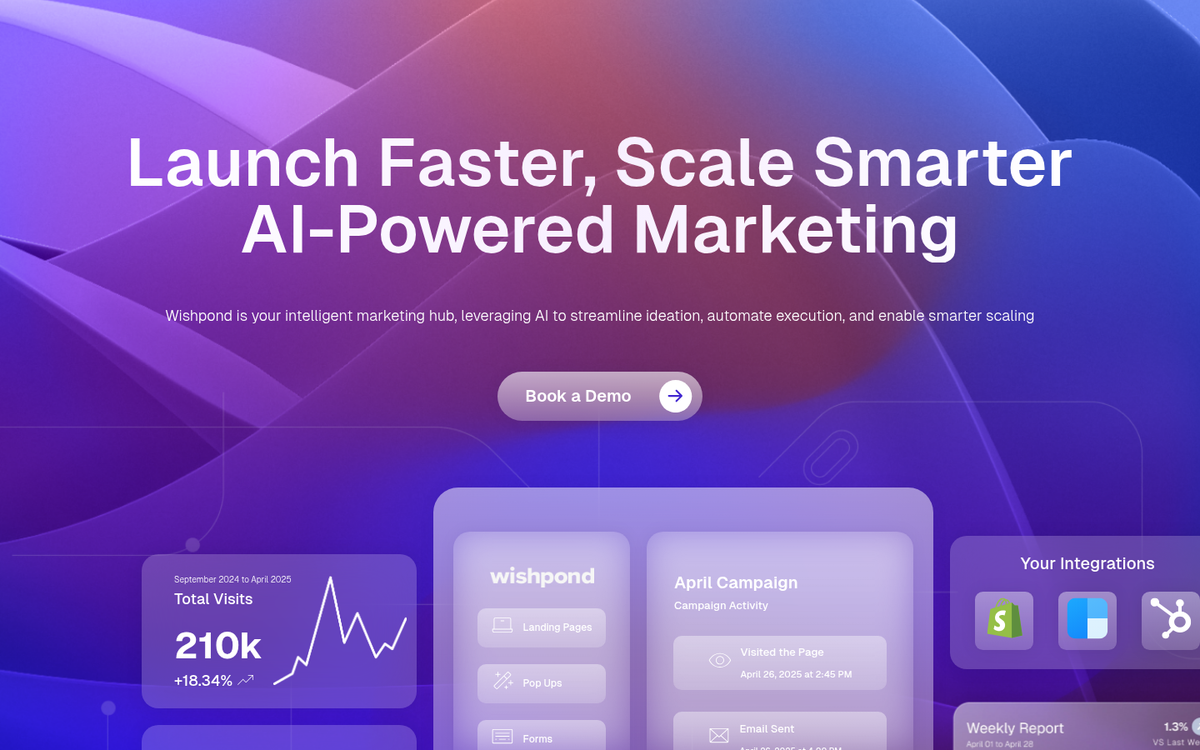
Wishpond is a solid choice for smaller teams or businesses that want a single platform covering multiple lead generation bases without stitching together a dozen different tools. Their suite includes landing page builders, pop-up and form tools, contest and giveaway apps, email drip campaigns, and a lead management backend - all integrated together.
It's not going to outperform best-in-class dedicated tools in any single category, but the convenience of having everything talk to each other natively has real value, especially when you don't have a huge team to manage a complex martech stack.
7. WPForms

If your site runs on WordPress, WPForms is one of the most practical and underrated tools for lead capture. It's a drag-and-drop form builder that makes it easy to create contact forms, lead gen forms, surveys, newsletter signups, and more - without touching a line of code. Paid plans start at just $49.50 per year, making it one of the most accessible tools on this list.
What makes WPForms stand out is how well it plays with the rest of your stack. It integrates natively with most major email marketing platforms, CRMs, and payment processors. Combined with conditional logic and smart form features, it can do a lot more than just collect an email address.
8. Lead Forensics
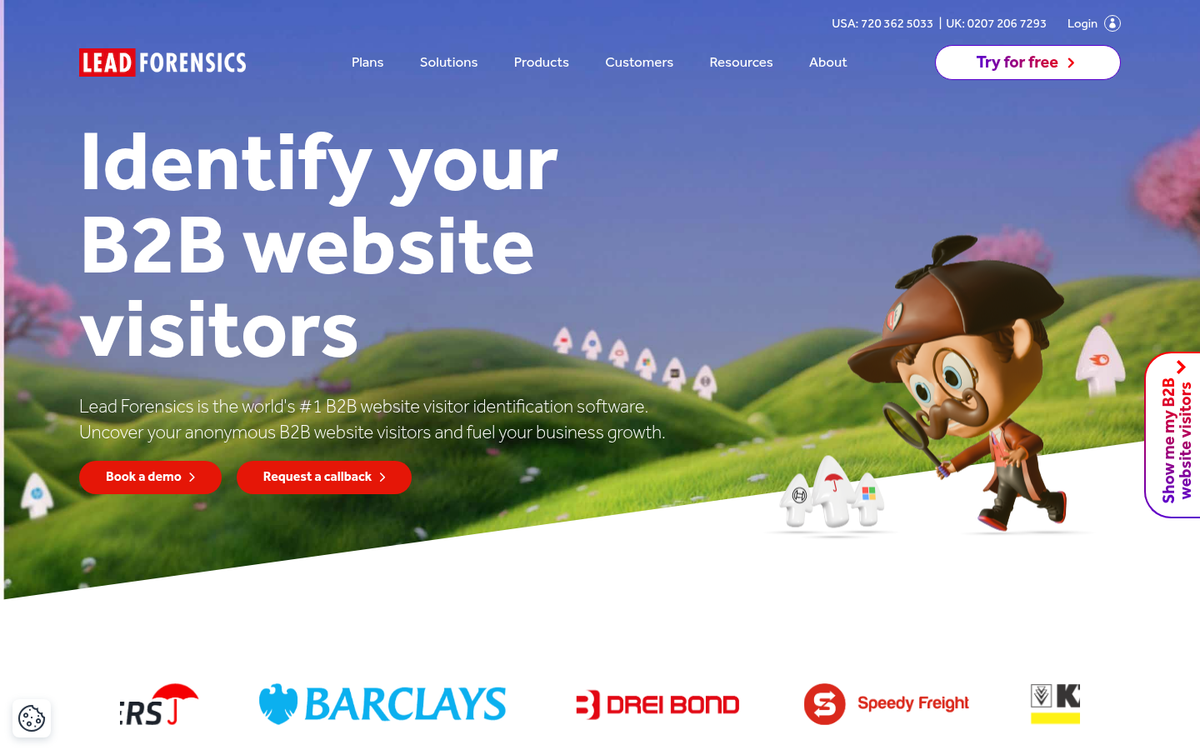
Have you ever wished you could identify the companies visiting your site even when they don't fill out a form? Lead Forensics does exactly that. It monitors your site traffic and cross-references IP addresses against a database of known business locations, so you can see which companies are discovering your site and researching your products or services.
From there, you can dig into who the right contact is at that company - their marketing director, VP of Sales, whoever - and reach out with a warm, informed pitch. It's essentially cold calling, except you already know they've expressed some level of interest. This is firmly a B2B play, but for the right businesses, it's a powerful addition to the outbound mix.
9. Prezly
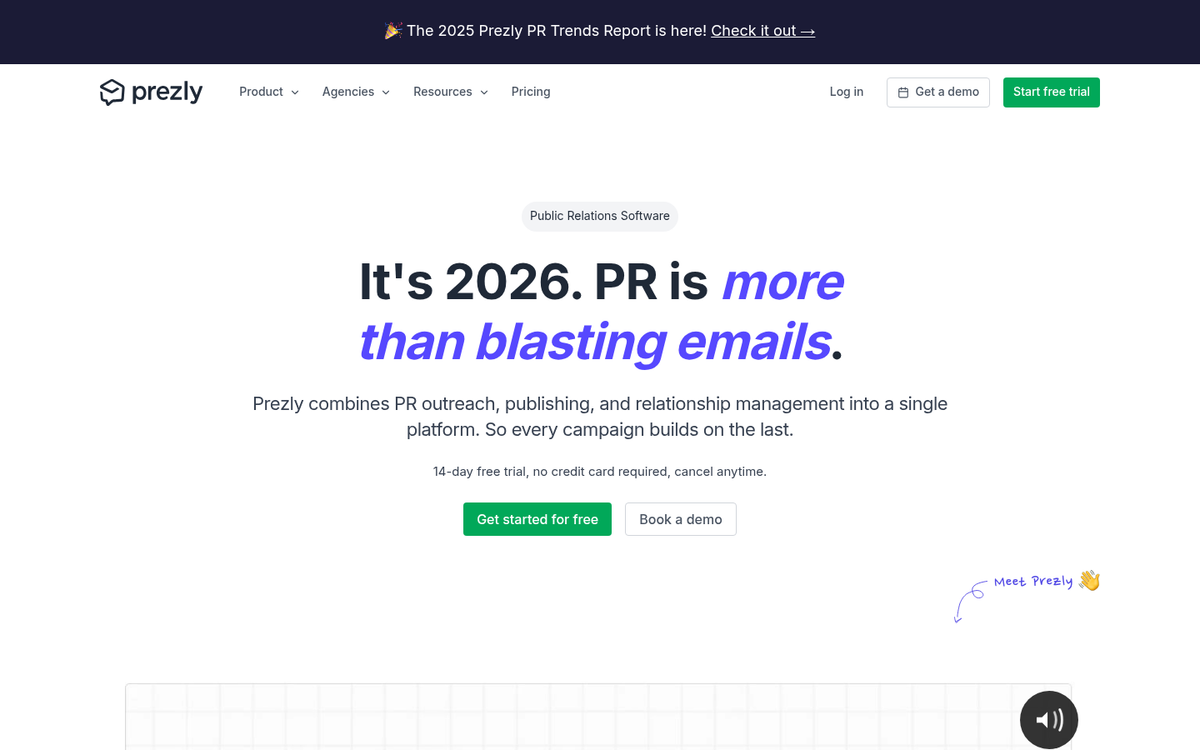
If PR and press coverage are part of your lead generation strategy, Prezly is worth a look. It's a tool built around managing your media relationships and press releases more effectively. You can build a branded digital newsroom, pitch journalists and publishers directly through the platform, and track who's engaging with your stories.
The relationship-management angle is what sets it apart from just blasting press releases into the void. Over time, you build a real picture of which publishers are actually interested in your brand, what they respond to, and how to keep them engaged. If earned media is something you invest in, Prezly brings a level of organization and insight that most teams badly need. earned media consistently delivers higher trust and credibility than paid placements, making the investment worthwhile for brands serious about long-term growth.
10. ReferralCandy
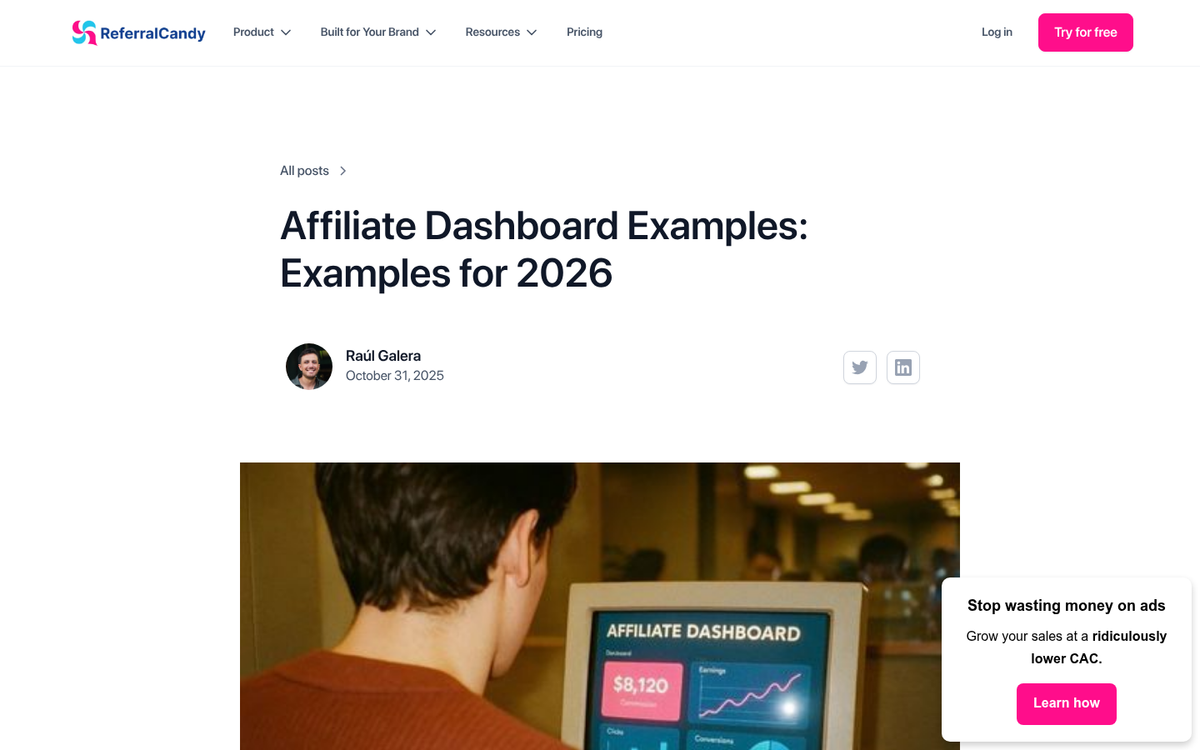
Word-of-mouth has always been one of the highest-converting lead sources, and ReferralCandy is built to systematize and scale that process. Customers who make a purchase are given a unique referral link to share. When someone new buys using that link, the referrer gets a reward - a discount, store credit, cash, whatever you set up.
It's a relatively simple concept, but it works. The setup is straightforward and it integrates with most major ecommerce platforms. Just go in with eyes open on the pricing model: ReferralCandy charges a monthly fee plus a commission on referral sales, and they charge whichever is higher. If you have a big month, that commission can add up fast.
11. ScrapeBox
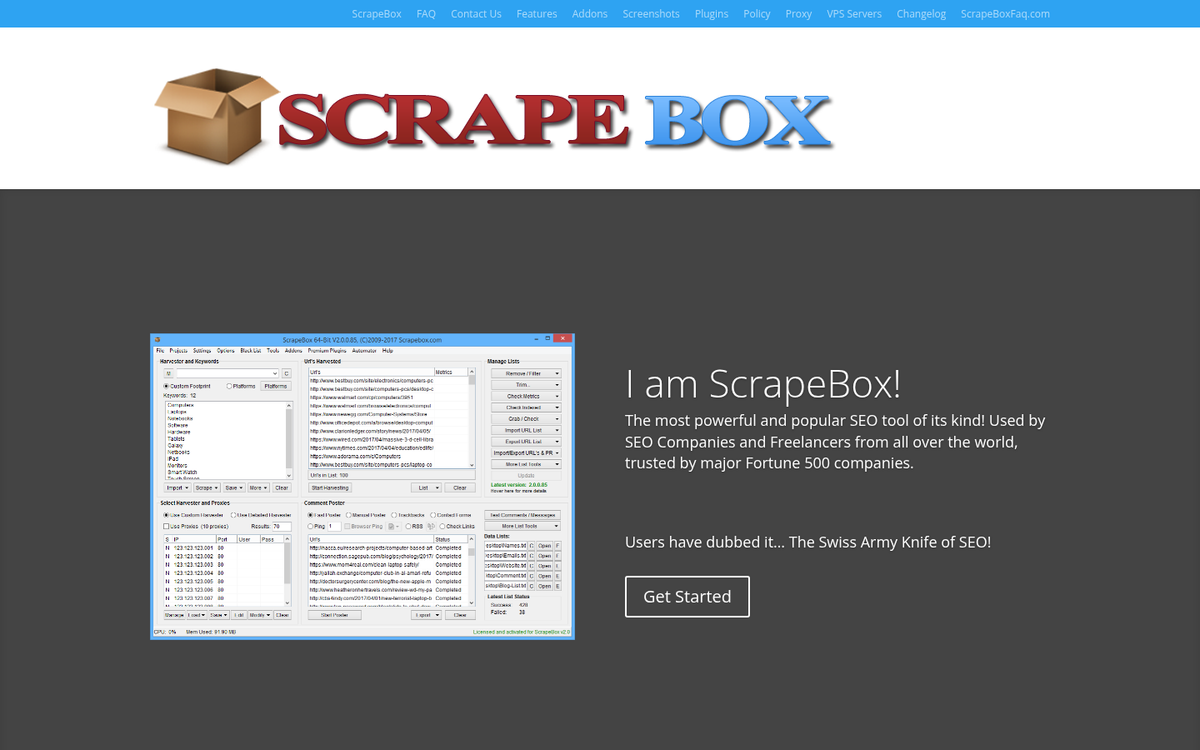
Still called the Swiss Army Knife of SEO, ScrapeBox remains a remarkably capable tool for anyone willing to put in the time to learn it. It can harvest massive amounts of data from across the web - useful for keyword research, link prospecting, finding guest post opportunities, identifying expired domains, and much more.
The learning curve is real. Just reading through a comprehensive guide on how to use ScrapeBox can take you the better part of an afternoon. But it's a one-time purchase that typically runs around $100, and the breadth of what it can do makes it exceptional value for serious SEOs and marketers who use it regularly.
Honorable Mention: Clay
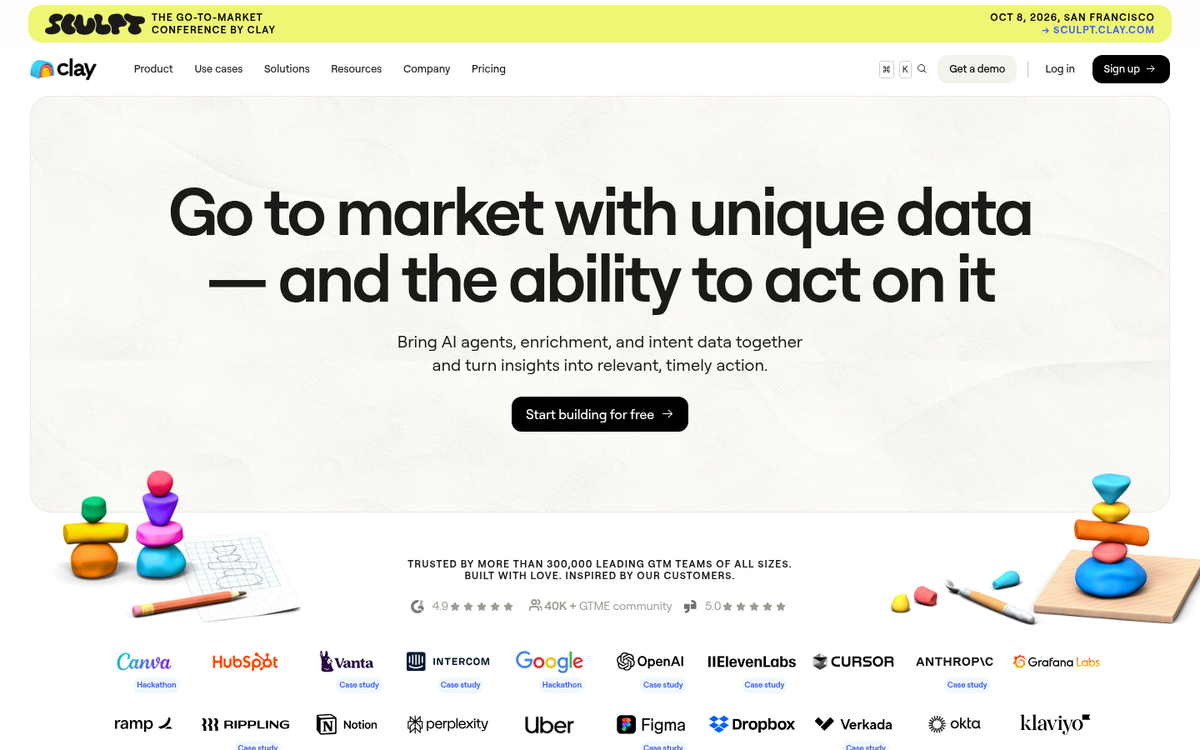
Clay deserves a mention here because it's become one of the more talked-about tools in the B2B lead generation space over the past couple of years. It's a data enrichment and workflow automation platform that lets you pull data from dozens of sources - Apollo, LinkedIn, Clearbit, and many others - and combine it all in one place to build highly targeted, highly personalized outreach lists.
The real power of Clay is in the automation. You can set up workflows that automatically enrich contact records, score leads, personalize email copy at scale using AI, and push everything into your CRM or outreach tool of choice. It has a steeper learning curve than most tools on this list, and the pricing can climb as you scale up your data usage, but for growth-focused teams doing high-volume outbound, it's become something of a secret weapon.
That said, with all of the above tools at your disposal, you should have everything you need to build a serious lead generation engine - whether you're focused on inbound, outbound, B2B, B2C, or some combination of all of them.


3 responses
Thoughtful replies only - we moderate for spam, AI slop, and off-topic rants.
Hey James!
Nice list and thanks for mentioning NinjaOutreach 🙂
Thanks james . With these tools my lead gen team can work with ease and efficiency .
Thanks for sharing this list of lead gen softwares. Its useful in better generation of leads to my business.