Everything in the world has an associated risk. There's a risk to getting out of bed in the morning. You could trip, fall, and break your neck on the dresser. On the other hand, if you don't get up, you'll be in bed when the meteor crashes through the ceiling and hits you. It has happened!
So, is it risky buying website traffic? Sure. There are all sorts of things that can go wrong. Is it dangerous? Sure, in a minor way. It's not as if some Russian hit squad is going to come to your house if they discover you were buying traffic. You won't even be removed from Google's search rankings.
What I'm going to do is go over the various risks and dangers associated with buying traffic, as well as the possible consequences and how to mitigate them. Buying traffic can be perfectly safe - well, as safe as anything is in this world - but it's only as safe as you make it.
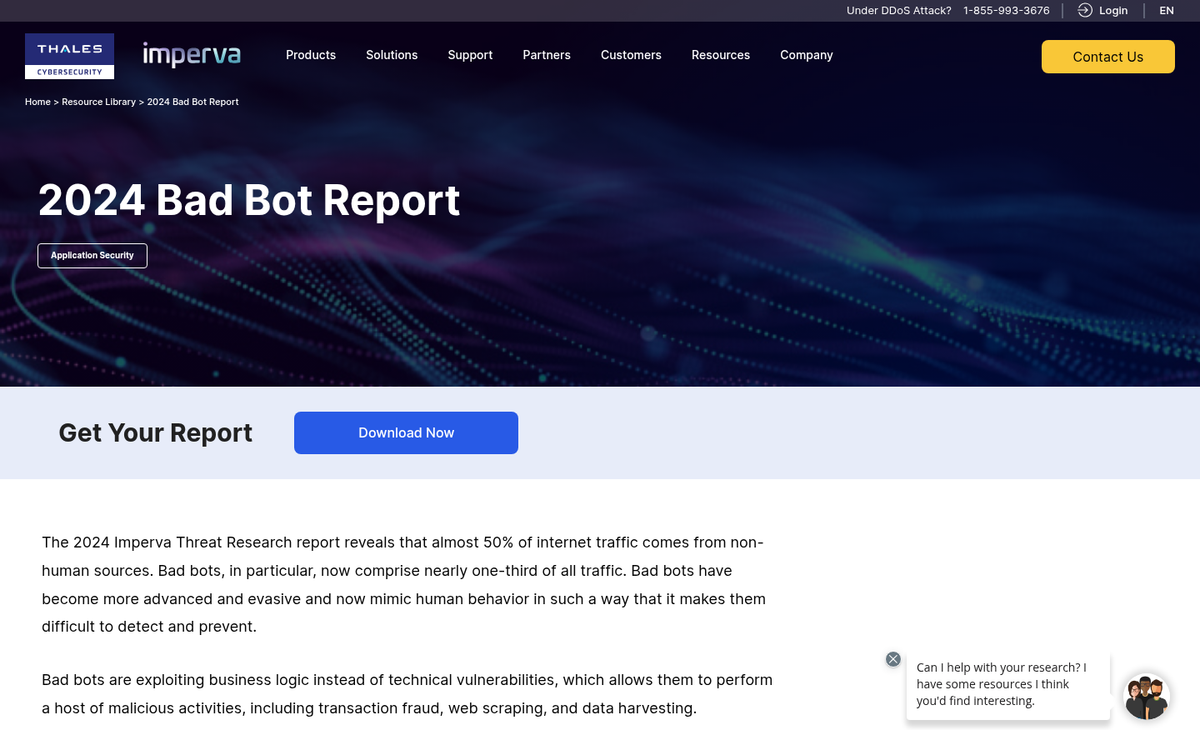
And here's the thing: the landscape has changed dramatically. According to Imperva's 2025 Bad Bot Report, bots accounted for 51% of all global web traffic in 2024 - the first time automated activity has outnumbered real humans in over a decade. A staggering 37% of that traffic was classified as malicious "bad bot" traffic. Global losses from bot-related fraud now exceed $100 billion annually. That means the risks around buying traffic are more relevant and more serious than ever before.
Key Takeaways
- Buying traffic is risky but manageable; safety depends entirely on choosing reputable, vetted sources willing to deliver real humans.
- Bots accounted for 51% of global web traffic in 2024, making fraudulent traffic more common and dangerous than ever before.
- Cheap traffic usually means bot or click farm visits, which corrupt analytics, tank conversion rates, and provide zero real business value.
- Ad networks actively filter fraudulent traffic and may ban your account entirely if suspicious traffic patterns are repeatedly detected.
- Buying traffic only makes financial sense when it's genuinely targeted, conversion value is high, and the source is fully transparent.
Risk: You Spend Too Much
How much should you spend on website traffic? That I can't tell you. There are too many factors involved, ranging from your industry to your ad network or traffic source. If you want highly targeted traffic in bulk for a niche industry without a lot of exposure, be prepared to pay a premium for it. If you're in a very broad niche with a lot of appeal, your traffic will be cheaper, even if it's targeted.
Beware of deals that look too good to be true. Chances are they probably are. A lot of the lowest-cost traffic generators out there use software bots to throw hits at your site, which is completely valueless to you. Others use click farms, which may be real people, but cause their own set of problems. Some use broad, untargeted ads that pull in a lot of traffic, but that traffic isn't genuinely interested in what you're offering.
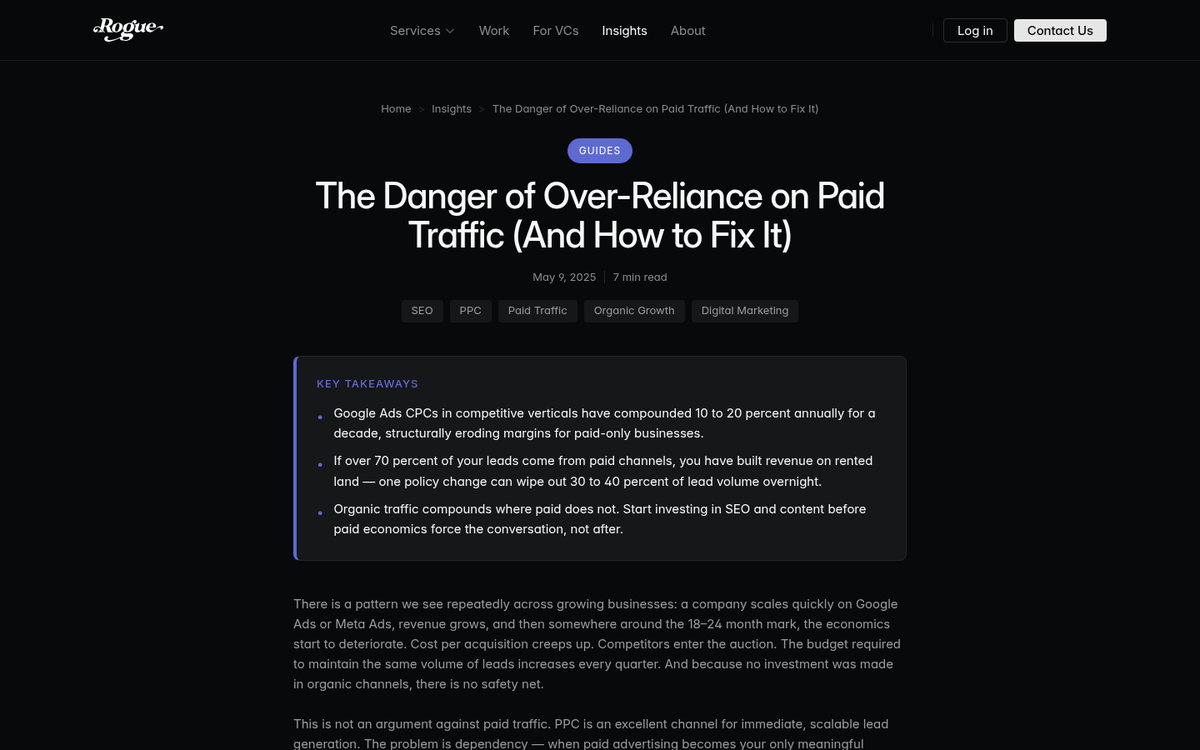
It's possible to buy legitimate, high-converting traffic - you just need to pick your source very carefully and be willing to pay for it. Essentially, you're trading money for the time and energy you'd otherwise spend running and optimizing your own ads.
Risk: The Seller Doesn't Deliver At All

This is a risk that comes from using low-quality sellers, and it's the same risk we see with any unvetted online marketplace. What happens when you find a site that promises 100,000 hits per month for $200, and you hand over the money? You expect traffic to start flowing almost immediately. If it doesn't, you might just have a serious problem.
There are sellers out there who subsist entirely on scamming people. They throw up a slick website with compelling pricing, fabricate glowing testimonials, seed fake reviews across the internet, and present a very professional front. They'll be friendly, possibly even pushy, when trying to upsell you on premium packages.
Then, the moment your payment clears - that's it. You won't be able to contact them again. Their WHOIS will be masked, their support email will bounce, and their live chat will go silent. Within weeks or months, once the negative press reaches critical mass, the site vanishes. Don't be surprised when it resurfaces under a slightly different name and nearly identical design, running the same playbook on a fresh set of victims.
Once the money is gone, your options are limited. A credit card chargeback is your best move if you act quickly enough. Beyond that, don't count on law enforcement stepping in - there's no dedicated task force for website traffic fraud, and they have considerably larger problems to deal with. Live and learn, and vet your sellers thoroughly upfront.
Risk: The Seller Delivers Bad Hits
This is by far the most common risk when buying traffic, and the bot problem has gotten dramatically worse in recent years. Traffic can be roughly divided into several categories, though the line between them can blur. What falls into the best category for your site might be a worse category for another. They are:
- Highly targeted. This traffic is made up almost entirely of people genuinely interested in your business who fit your target demographics. Think well-optimized Google Ads or Meta campaigns. These visitors have a high conversion rate and are what you're actually paying for.
- Poorly targeted. Real people, real hits - but they just don't care about what you're selling. You might eke out a few conversions, but your rate will be low and your cost per acquisition will be high.
- Click farm traffic. Real humans sitting in front of screens, paid fractions of a cent to click. They have zero genuine interest in your site and, in many cases, can't even buy your product if they wanted to. This traffic looks more legitimate than bots on paper, which makes it particularly insidious.
- Bot traffic. The worst of the worst, and increasingly the most common. According to Imperva, bad bots alone made up 37% of all global web traffic in 2024, up 12% year-over-year. Buying bot traffic is no different from putting a weight on your F5 key and letting your browser refresh your own site endlessly - except it costs you money.
The cheapest sellers will almost always be delivering traffic from the bottom two categories. At a bare minimum, aim for poorly targeted real human traffic - at least it has some potential value. Highly targeted traffic is the gold standard but is expensive and largely the domain of the major established ad platforms. If you find a legitimate source of it, use it.
Risk: The Seller Delivers Less Than Promised

This is probably the second most common risk, and it's not always catastrophic - but it does signal you're dealing with an unreliable seller.
The concept is simple. If you pay for 100,000 hits in a month, you want to see 100,000 hits above your baseline by day 30. If you're falling short, something is off.
There are two general explanations. The first is that the seller simply isn't delivering - in which case, push for a refund and document everything. If the traffic quality is otherwise acceptable, it's worth working through support before walking away.
The other explanation is that the seller is technically delivering the traffic, but your analytics aren't registering it. This is increasingly common as tools like Google Analytics 4 and third-party platforms have improved bot filtering. If your paid traffic is vanishing into a void on the analytics side, that's a strong signal you're getting bot traffic - and you should move on.
Risk: Ad Networks Don't Pay for Bad Hits
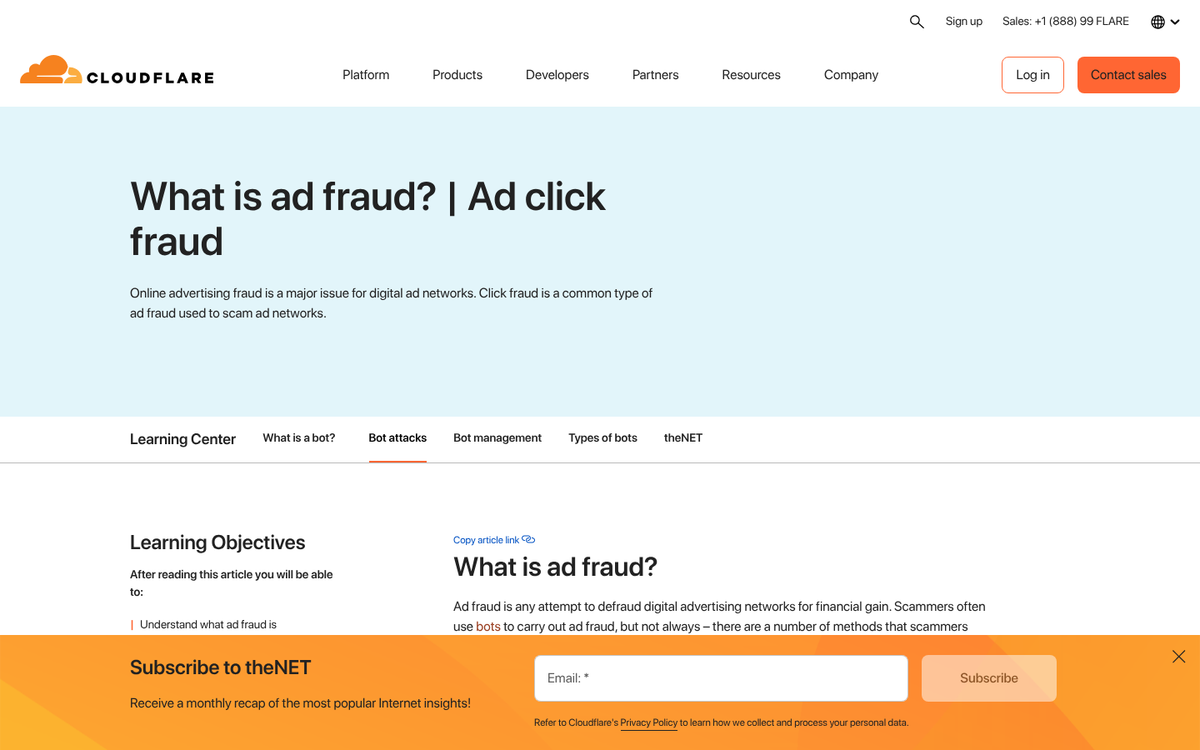
Every major ad network - Google, Meta, and the programmatic platforms powering most of the open web - has fraud detection systems in place. If you're monetizing your site with CPM or RPM-based display ads and you pump in bot or click farm traffic to juice your numbers, those views will almost certainly be filtered out before you get paid.
What this means in practice: you can't buy cheap traffic, run ads, and expect to profit from the spread. The math almost never works. CPM rates are relatively low, and quality traffic costs more per thousand visitors than most ad networks will pay you for those same visitors. Even if you found traffic cheap enough to make it close, the fraud filters will catch the bad traffic and you'll be left with nothing.
With global bot fraud losses now exceeding $100 billion annually, ad networks are investing heavily in detection. They're getting better at it every year. Don't count on slipping anything past them.
Risk: Ad Networks Block You
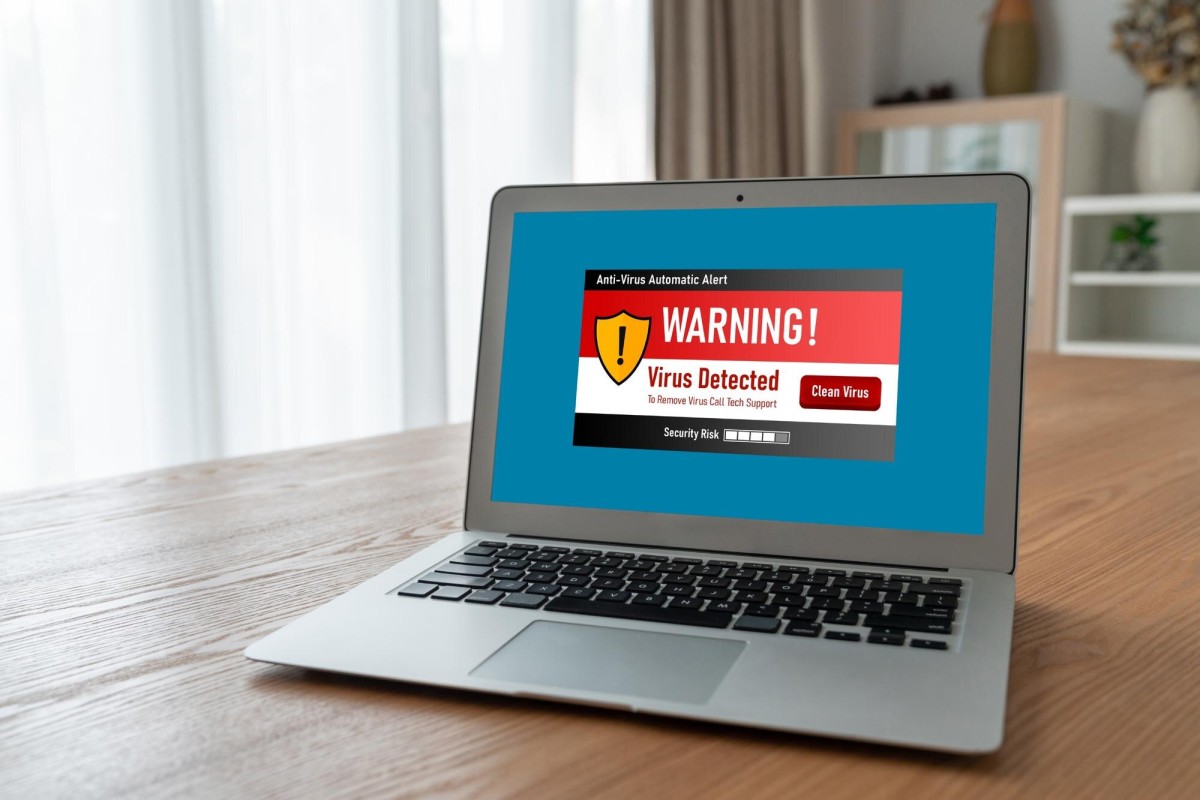
This is a direct extension of the previous risk. If your site is consistently referring suspicious or fraudulent traffic to an ad network's advertisers, you won't just see those impressions filtered - you'll get penalized. Ad networks protect their advertisers above all else, and a site that reliably sends them garbage traffic is a liability.
A certain baseline of bot traffic is expected and tolerated - Google's own crawlers are bots, after all. The problem arises when bot traffic is actively trying to disguise itself as human. That's the calling card of fraud, and ad networks treat it as such.
Get flagged enough times and you risk being banned outright. This applies across the board, from smaller affiliate networks all the way up to Google AdSense and Meta Audience Network. Once you're blacklisted at that level, rebuilding your standing is a long, painful process - if it's possible at all.
Risk: You Take Down Your Own Site
This is a real but relatively minor risk in 2026. Most reputable hosts now include baseline DDoS protection, and modern hosting infrastructure - particularly cloud-based solutions - is far more resilient to traffic spikes than it was even five years ago. Sheer volume alone is unlikely to take down a modern site.
That said, if you're on a budget shared hosting plan with limited bandwidth and resource allocations, suddenly dumping tens of thousands of concurrent bot visits on your server could still cause problems. The mitigation here is simple: don't buy more traffic than your infrastructure can reasonably handle, and make sure your host has adequate protections in place before you scale up.
Risk: Click Farms Manipulate Your Social Signals

Click farms have evolved well beyond the basic like-and-follow operations of years past. In 2026, sophisticated click farm operations use rotating residential proxies, real devices, and behavioral mimicry tools to simulate genuine user engagement. They're harder to detect, and the collateral damage to your accounts is correspondingly harder to anticipate.
Platforms like Meta, TikTok, and YouTube have algorithmic detection systems that monitor patterns of engagement. If your content or page suddenly receives a surge of engagement from accounts that share behavioral fingerprints with known farm networks - even if you didn't intentionally buy social engagement - you can find your organic reach throttled or your account flagged. This is especially relevant if you've ever considered buying views on YouTube, as the consequences can extend beyond a single platform.
What's particularly frustrating is that you don't always have to be the one buying this engagement for it to affect you. Buying general website traffic from a disreputable source can put your domain in front of click farm operators, who then interact with your social profiles as part of their obfuscation strategy. You become collateral damage in someone else's fraud operation. Understanding how to check your site's social signals can help you spot unusual activity early, and knowing whether it's ethical to buy traffic from third parties is worth considering before engaging any external traffic source.
Risk: Your Analytics Data Gets Corrupted

This is a subtler but genuinely damaging risk that's easy to overlook. Bot traffic is increasingly filtered by analytics platforms, but poorly targeted human traffic and click farm traffic often isn't - and that data bleeds into your reporting.
If a significant portion of your paid traffic is, say, men aged 35-55 in geographic markets irrelevant to your business, your demographic and behavioral data starts skewing in that direction. You might start optimizing your content, your ad creative, or your product offerings based on an audience that was never actually real. For businesses that rely heavily on first-party data to inform strategy, this kind of corruption can quietly undermine months of work before anyone notices.
The fix is to segment your paid traffic sources rigorously in your analytics platform from day one, so you can compare behavior in isolation and exclude it from decision-making data if needed.
Risk: You Earn a Spammer Label
Ad networks, fraud detection consortiums, and even hosting providers share data on sites associated with invalid traffic. If you develop a pattern of referring low-quality or fraudulent traffic to advertisers across multiple networks, your domain can end up on shared blacklists that have real consequences beyond any single platform.
Getting removed from Google's ad ecosystem is damaging enough on its own. But if your domain ends up flagged across multiple independent networks, you may find it increasingly difficult to run legitimate paid campaigns, monetize content, or even get your outreach emails delivered without hitting spam filters. Reputation, once lost in this way, takes substantial time and effort to rebuild.
Risk: Your Cost Per Lead Skyrockets
Volume is not a success metric on its own. If you're currently converting a high percentage of your organic visitors into customers, buying large quantities of low-quality traffic can actively harm your business - not just fail to help it.
Here's a simple illustration. You're converting 900 out of every 1,000 visitors. You buy 5,000 additional visits from a low-quality source. Those 5,000 visitors generate 2 conversions. Now you have 6,000 monthly visitors and 902 conversions - but your conversion rate has cratered, your cost per acquisition has surged, and any optimization tools or bidding algorithms watching your data are now working from a distorted picture of your audience.
The only scenario where buying traffic reliably makes sense is when the traffic is genuinely targeted, the conversion value is high enough to justify the cost, and the source is transparent and verifiable. When those conditions are met, the math can absolutely work out. When they aren't, you're usually paying for the illusion of growth.
---
To be clear: buying website traffic isn't inherently wrong or reckless. But in a landscape where more than half of all global web traffic is now automated, and where bad actors are more sophisticated than ever, the due diligence required has never been higher. The risks are real, the scammers are plentiful, and the margin for error is slim. Do your research, pay for quality, and treat any deal that seems too good to be true as the red flag it almost certainly is.