





Buying traffic is a controversial subject online, but it shouldn't be. After all, virtually every business is buying traffic every day. What do you think advertising is? When people talk about "buying traffic," what they really mean is buying traffic from shady resellers sending bots at websites. I fully agree that you should avoid bot traffic, simply because it's valueless to you, but I'll talk more about that later.
I firmly believe that every website should be buying traffic, and not just because I'm writing here on a website that sells it. Buying traffic is a way to convert a budget into profits, so long as you have the right framework in place and you buy from the right sources. Setting up that framework and finding those sources is what I'm going to cover here today.
Key Takeaways
- Every business should buy traffic; it converts budget into profits when paired with proper conversion frameworks and legitimate sources.
- Avoid bot traffic entirely - it delivers zero conversions, wastes money, and can get you banned from ad programs.
- Traffic tiers range from Google/Meta to third-party networks to resellers; quality drops sharply with bot traffic sellers.
- Geotargeting and niche-sorting are essential - irrelevant or geographically mismatched traffic won't convert regardless of volume.
- Start small with new traffic sources, track conversions carefully, and cut underperforming sources without making excuses for them.
Do You Need to Buy Traffic?
First of all, you need to ask yourself the question of whether or not you actually need to buy traffic. I sort of gave away the answer, though; you do. I can think of very few circumstances where you shouldn't be buying traffic. If your business has fulfillment issues or if you don't actually have a way to convert website traffic into paying customers, then sure, don't buy traffic. In the former instance, you should dial back on advertising and work on a way to get those delivery kinks worked out. In the latter case, you should be working on a way to convert traffic, and until then, take down your website. It's not doing you any good, and when people show up wanting to buy and can't, you're losing them.
In pretty much any other case, yes, you should be buying traffic. Small business with a tight budget? Go ahead and buy some traffic, because that traffic can convert into paying customers, and their purchases go to fund more paid traffic. Mid-sized business with a lot going on? Buy traffic; the steady income from a steady, predictable amount of purchased traffic can help anchor your profits so you have something you can build on. Large business with a large budget and a dozen marketing channels? You should invest all you can into buying traffic, so long as it has a profitable return. There's no reason not to, at that point.
It all comes down to converting money into more money, by way of people visiting your website. If you're having trouble making a positive return on investment from purchased traffic, it's just as likely to be a problem with your website as it is a problem with the traffic. We'll look at troubleshooting that later, too.
Are You Prepared to Convert Purchased Traffic?
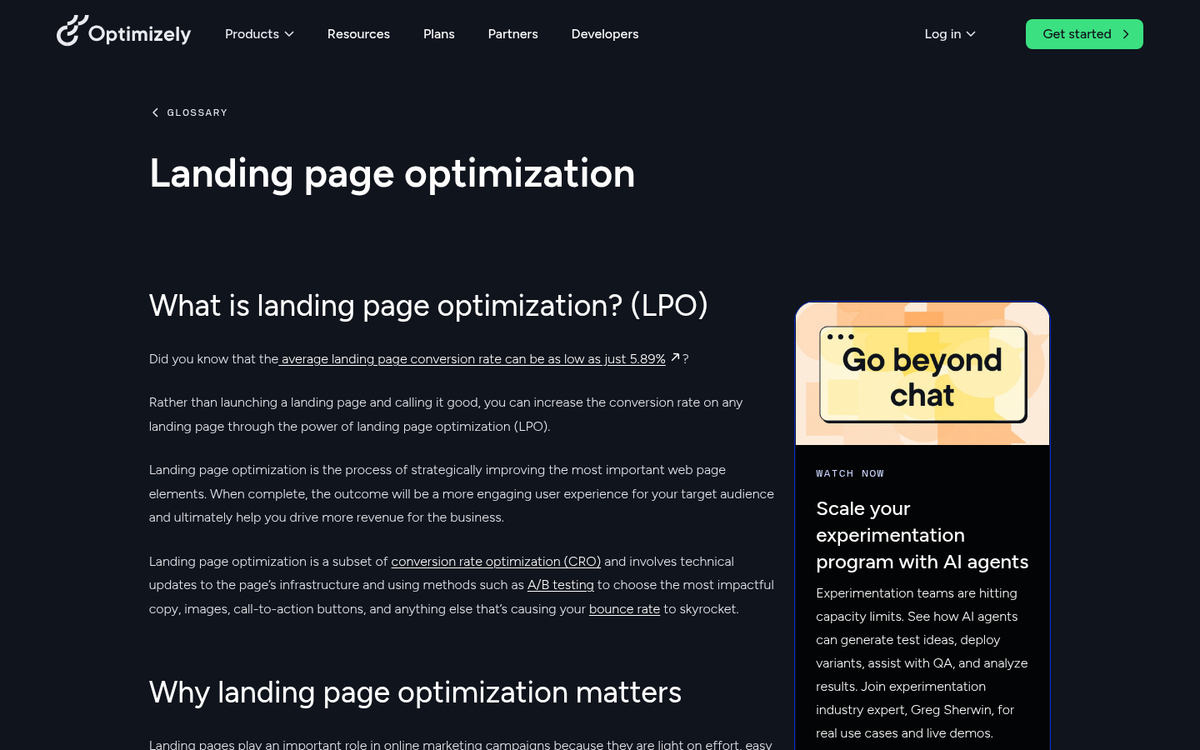
The number one prerequisite for buying traffic - and, really, for operating a website at all - is the ability to do something beneficial with that traffic. You want to convert the people who visit, though you may have different definitions of convert, many of which are overlapping.
At the lowest level, you want to be able to convince users to join a mailing list or otherwise enroll in some way to keep up with your site. A mailing list is good, push notifications work well in 2026, and even consistent return readership, though harder to track, counts for something.
Above that, you want to get people interested in learning more about your business, your industry, and your products or services. This is where regular blog writing and content marketing comes in.
Above that, you want to get people to buy your products or services. This is where you need strong landing pages, robust product pages, and all the other aspects of marketing that go into it.
There's a lot of room for improvement here. Landing pages, sales copy, AI-assisted personalization, and direct and indirect communication techniques all give you routes you can optimize to convert a higher percentage of your incoming traffic. Look up topics like landing page optimization and conversion rate optimization to learn more.
The trick to buying traffic effectively is getting as much out of it as you can. The higher your conversion rate, the more profit you're making from the traffic you buy, and thus the better it is to buy it. If your conversion rate is sufficiently high, you can reinvest the profits to increase your traffic flow and cycle upward until returns start to taper off.
Methods: Big Names, Third Parties, or Tertiary Sellers
The next thing you need to do is decide how you want to buy your traffic. There are a bunch of different methods, with their own drawbacks and benefits.
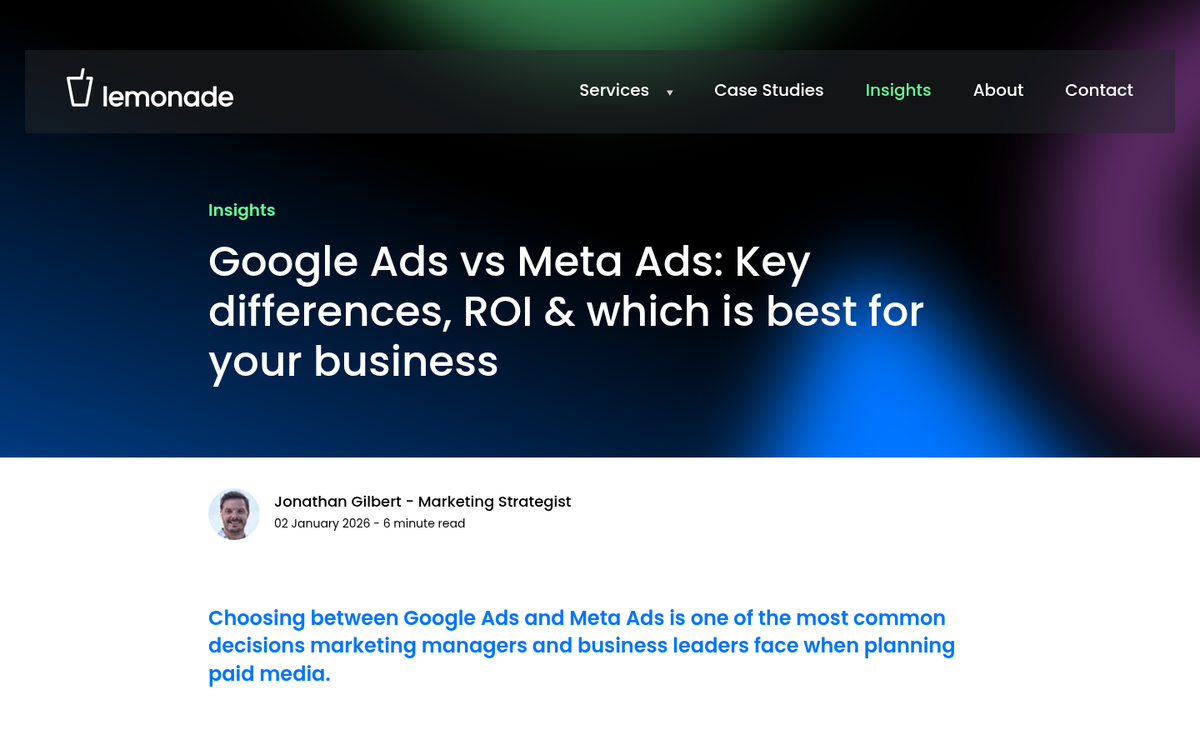
At the very top tier, you have the big name ad networks. These are things like Google Ads and Meta ads (Facebook and Instagram). They're connected to audiences of literally billions of people, and they give you incredible control over the targeting and analytics for your campaigns. On the other hand, they're also typically very complex and very competitive - and increasingly expensive. According to WordStream data, the average cost per click on Google Ads sits around $3.67 across all industries, and cost per click increased for 86% of industries in 2024, with some sectors like Real Estate and Personal Services seeing jumps of over 25% year over year. The average cost per lead across all industries also climbed from $66.69 in 2024 to $70.11 in 2025. Your competitors are using these platforms, as are thousands of other marketers at any given moment, so you have a real fight on your hands - and an increasingly expensive one.
Below that tier, you have the third party ad networks. These are networks outside of Google and Meta that still carry significant reach. They don't give you quite as many fringe benefits or detailed analytics, but they open you up to audiences and placements that the big names don't always reach. It can be a hassle to set them up, but once you do, you might have a leg up over competitors who are only fighting over the same Google and Meta inventory.
Below that tier you have the traffic resellers. These are companies that step in and offer to sell you traffic rather than requiring you to manage ad campaigns yourself. They run ads on their own proprietary networks using their own practiced techniques. This is just as valid as doing it yourself, and can get you the same if not better results depending on who you work with. Costs, analytics, and level of hands-on involvement can vary widely from one reseller to the next.
At the bottom, you have bot traffic sellers. Don't make the mistake of thinking that the descent from each tier to the next is linear, though. If you rank each on a scale of 1 to 100, Google and Meta - the top tier - sit in the 90+ range. Third party networks can range from 80 to 95. Resellers would run from 60 to 90, depending on who you pick. Bot sellers, meanwhile, top out at 10 and rarely get above a 0. It's an incredibly steep drop off.
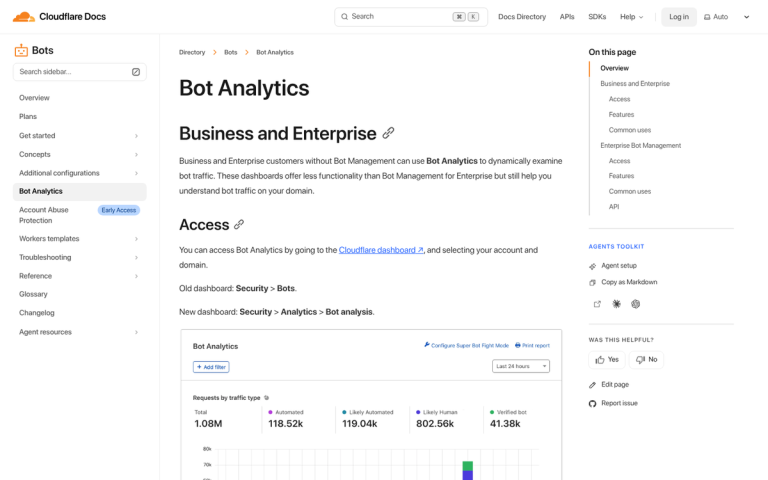
Bot traffic is terrible for your site because the traffic you get is coming from software, not real people. You're paying for someone to use a program to send fake hits to your site. These fake hits aren't real people; there's no way they could possibly buy your product or earn you any money. It's a sheer loss and, if you're running display ads, might even get you flagged or removed from an ad program entirely, costing you even more.
Traffic Quality is Paramount
The quality of the traffic coming in is much more important than the source of that traffic. I don't care if the visitor is coming from Google, from Bing, from LinkedIn, from a third-party network, or from a traffic reseller; so long as that visitor converts, why does it matter where they found me?
Okay, so that's not exactly true. You do care where the traffic is coming from, because that informs you how you can get more of that traffic. If you get traffic from source A that converts at a 5% rate, and you get traffic from source B that converts at a 25% rate, you're going to want to buy more traffic from source B.
The problem that comes up here is if source A and source B both cost the same, but source A gives you 100x the traffic. The sheer volume alone would give you a greater benefit. That's why you need to do calculations. How much traffic is coming in, how much of it converts, and what's the conversion rate? How much did you spend for the traffic? What is the cost per conversion? What is the average value of a conversion, and does it vary from source to source?
These aren't just questions you can ask yourself; they're ways you can improve. You can tweak your ad copy or your landing pages to get more traffic for the same cost. You can tweak your sales approach to get more of that traffic to convert. You can adjust your targeting to lower your cost per click, so you're earning more for your investment. There are a lot of different levers you can pull.
In general, users coming in to your site are going to fall into one of four categories.
- Highly interested users. These are people who know about you and know what you do. They're simply using the ad as a "right time and right place" excuse to convert. This is your best audience.
- Moderately interested users. These are people who may not know who you are or what you sell, but who are interested enough in the topic to check you out. This is going to be, ideally, the majority of your traffic. They're potentially easy to convert, but may require a little work or a little time.
- Disinterested traffic. These are the people who are visiting your site because they're bored, or because they ended up there without much intent. They're visiting but they don't really care, so they're not viable sales targets. These could even be legitimately curious users, but if they're outside of your geographic area or target market, they're effectively valueless to you.
- Bot traffic. As mentioned, bot traffic can't possibly benefit you, so getting a significant portion of your purchased traffic in the form of bots means you're wasting money and should stop getting traffic from that source immediately. Blocking bots and crawlers from your site is one way to help protect your data and ad spend.
So, what else can you do to help find the best traffic sellers? So far, everything I've talked about is either conceptual or revolves around ways you can make traffic perform better. Now let's talk about how you can actually find and evaluate that traffic.
Searching For Reviews
I assume you're savvy enough to run some searches for sellers. Looking for ad networks and traffic sellers is easy. Just find lists online and compile the names into a spreadsheet. Next to the names, make a column with the URL of the website, and remove any from the list that no longer have a valid URL. Chances are, you're also going to find a handful that have been merged or bought by others, or older ones that have rebranded. Go with the up to date information, but note down past names so you can search for more information on them.
Fill your spreadsheet out with other relevant information. This section, and the following sections, will give you ideas for columns you can fill in.
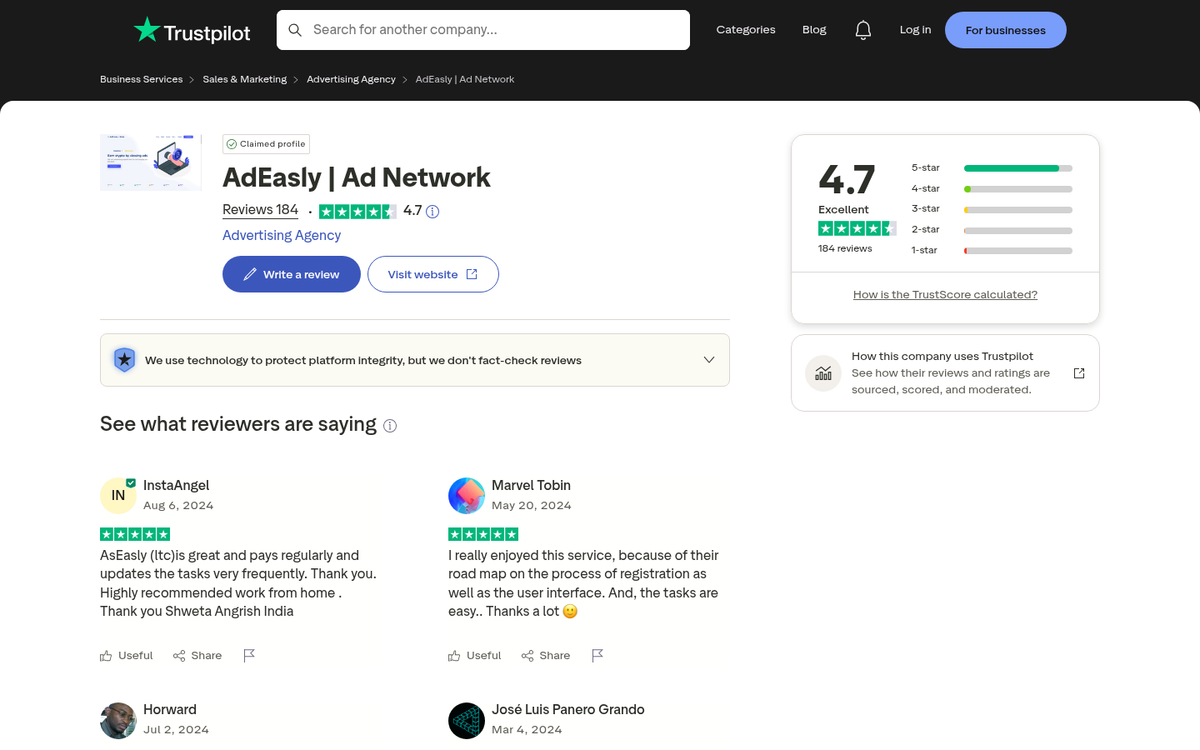
One thing you should study is the reviews for each service or network. You're going to find a lot for all but the smallest, most independent sellers. For example, you can check out our review of Adblade to get a sense of what a thorough network review looks like. These networks love to push their users to leave positive reviews, but they also tend to be aggressive with reputation management to get negative reviews removed. As a consequence, you can't always trust glowing positive reviews because they may have been incentivized or otherwise left in exchange for compensation.
I'm not saying you should always trust negative reviews either. One of the most common problems is that someone gets overcharged or gets the wrong kind of traffic, and they leave a negative review talking about how the service sucked. Well, no, not necessarily. Maybe that user just double-ordered, or maybe they enrolled in a recurring program they didn't pay close enough attention to. Maybe they ignored traffic targeting and as a result got a lot of traffic that wouldn't work for them. There are mitigating factors, and I find that the angrier the review, the less likely it is to be a fair assessment. Issues happen, but if that kind of thing happened to every customer, the company wouldn't stay in business for long.
Do They Geotarget?

Geotargeting is very important for the traffic coming in, for two reasons. First comes the broad geotargeting, or geolimiting. If you're a mid-sized business in Iowa, you're probably not going to be able to sell or ship internationally. That's a tall order, and even if you can, shipping costs get expensive. You probably want to geographically limit your traffic to North America at the broadest. It doesn't matter how interested a visitor from the other side of the world is - if you can't serve them, they can't buy.
Conversely, you probably want to geotarget a local area if you can. The closer to you your traffic is, the more likely you are to be able to sell to them. Some companies don't care and can ship anywhere in the country. Others are selling local services and strongly prefer to work with nearby customers. If your traffic is coming in from across the country when you only serve one metro area, you're not getting full value out of it.
Is Traffic Niche-Sorted?
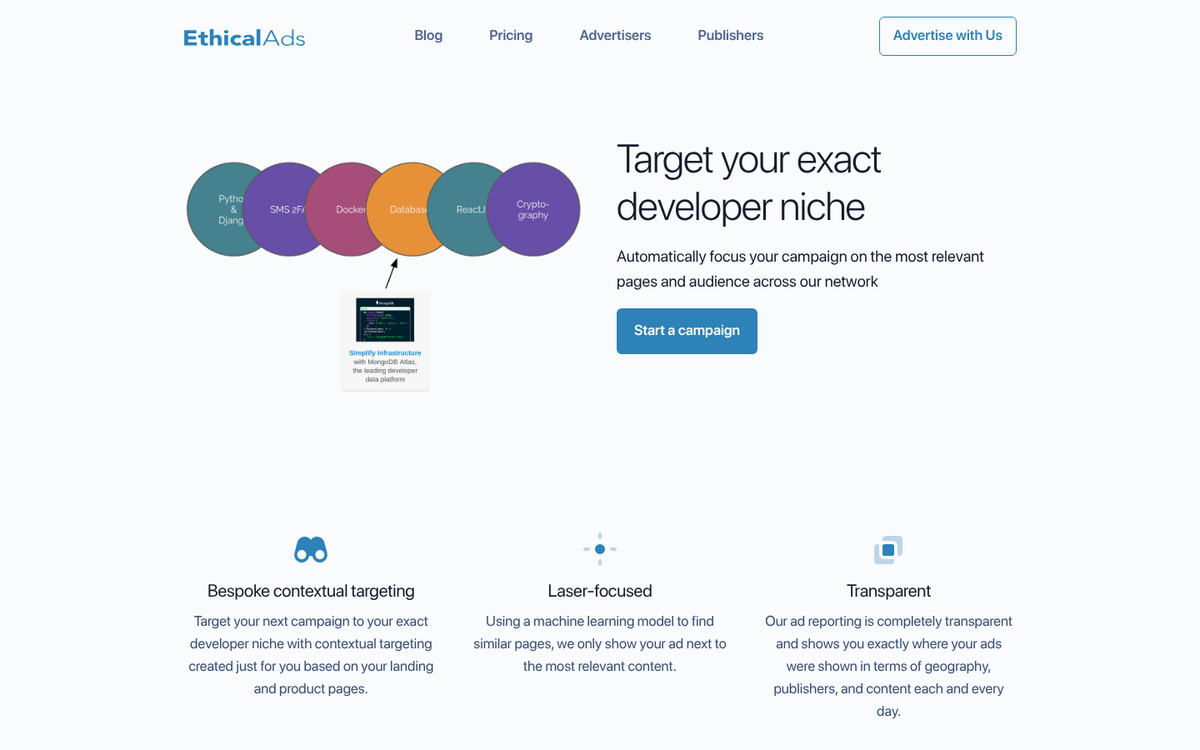
This is a pretty common method of sorting traffic, and it comes from how most of these traffic sellers work. They tend to have networks of websites running ads for them. When a site enrolls to run ads, it typically fills out information indicating its niche and topic. This allows the network to categorize the traffic coming through its ads and serve the right kind of ads to the right kind of sites. If you're selling athletic wear, you probably want your ads displayed on sites in the athletics niche, right? It'll get you a lot more interested traffic than you'll get if you're running ads on sites dedicated to cooking or home improvement.
Now, this can be a bit difficult to verify, because it's always possible that a site is misrepresenting its category. However, if the network doesn't even offer the option to sort by niche, you know you're going to be getting low value, unsorted traffic. It might still convert, but it might also be completely worthless to you.
Can You Choose a Daily Level of Traffic?
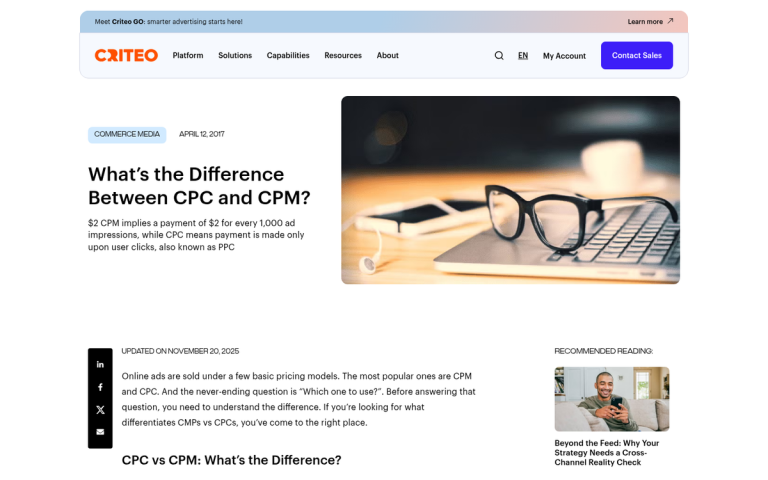
Buying traffic can be dangerous if you're running display ads on your own site. A lot of ad networks don't like when publishers buy traffic, simply due to the potential for fraud. This is more applicable to CPM ads - cost per thousand impressions - rather than CPC ads, since bought traffic won't reliably click through other ads.
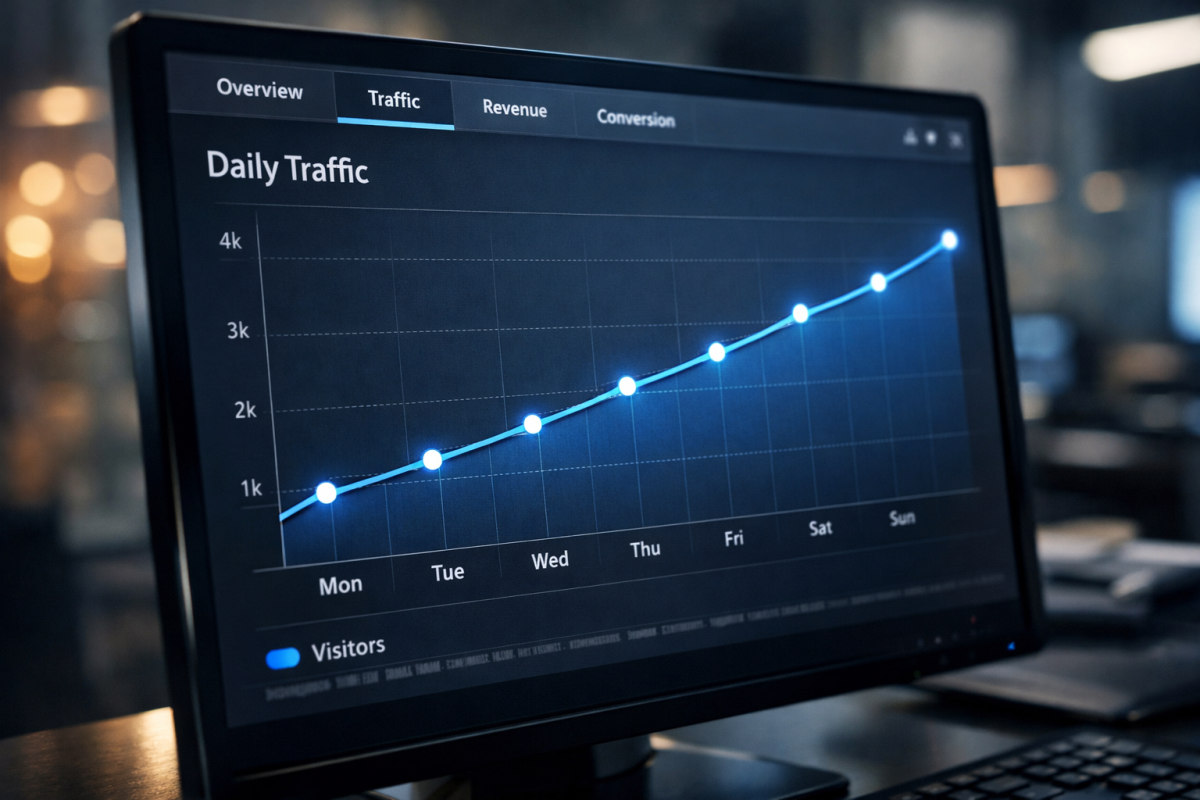
One of the ways networks detect suspicious activity is to look for unnatural spikes in traffic. If your site averages 500 hits a day and you buy a large package that all gets delivered in a two-day window, you're suddenly showing an 11x traffic spike before it drops back to normal. That's a red flag for most ad networks. You generally want the traffic you buy spread out evenly over the applicable period - typically a month - rather than dumped all at once.
On a side note, you don't want to buy an excessive amount of traffic relative to your baseline. If your site averages 500 hits a day, you don't want to be buying 5,000 hits a day right out of the gate. Start with a few hundred extra per day, and ramp up gradually as your traffic and conversions grow.
What Analytics Do They Provide?
A lack of analytics in your traffic buying dashboard isn't necessarily a deal breaker, but the more analytics they provide, the more legitimate they likely are. You're going to want to monitor as much as you can about the traffic coming in, including referral sources and what actions visitors take while on your site.
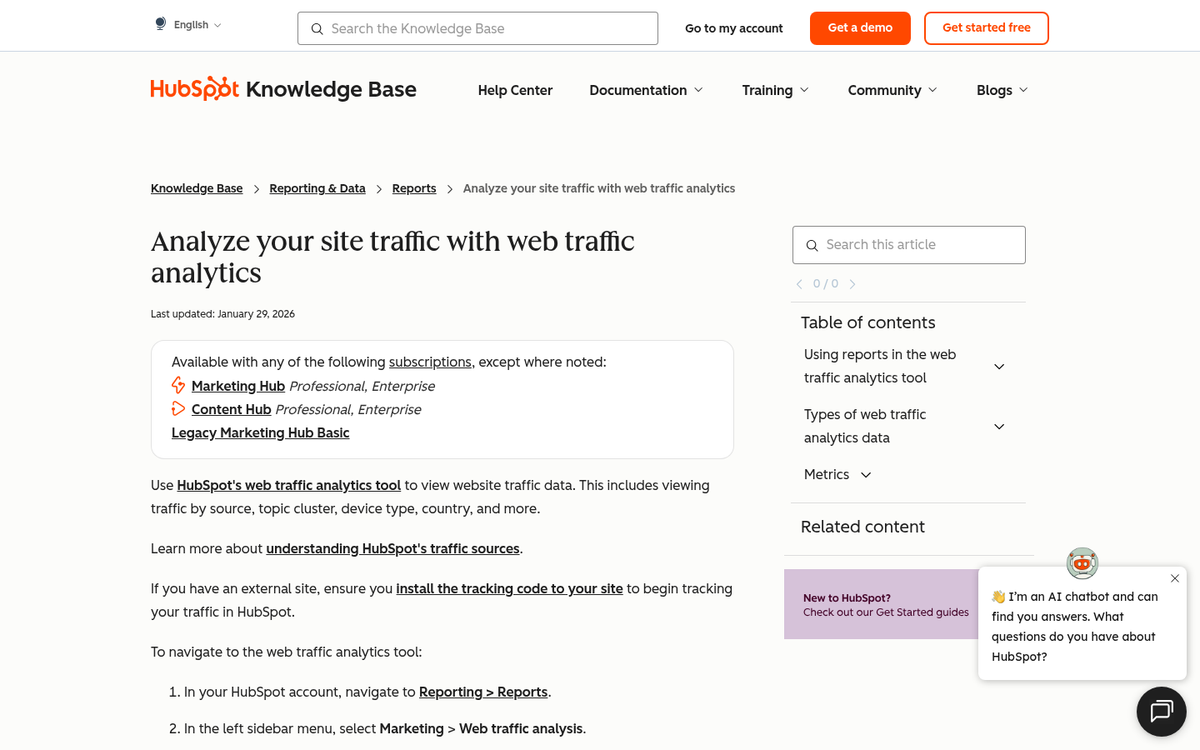
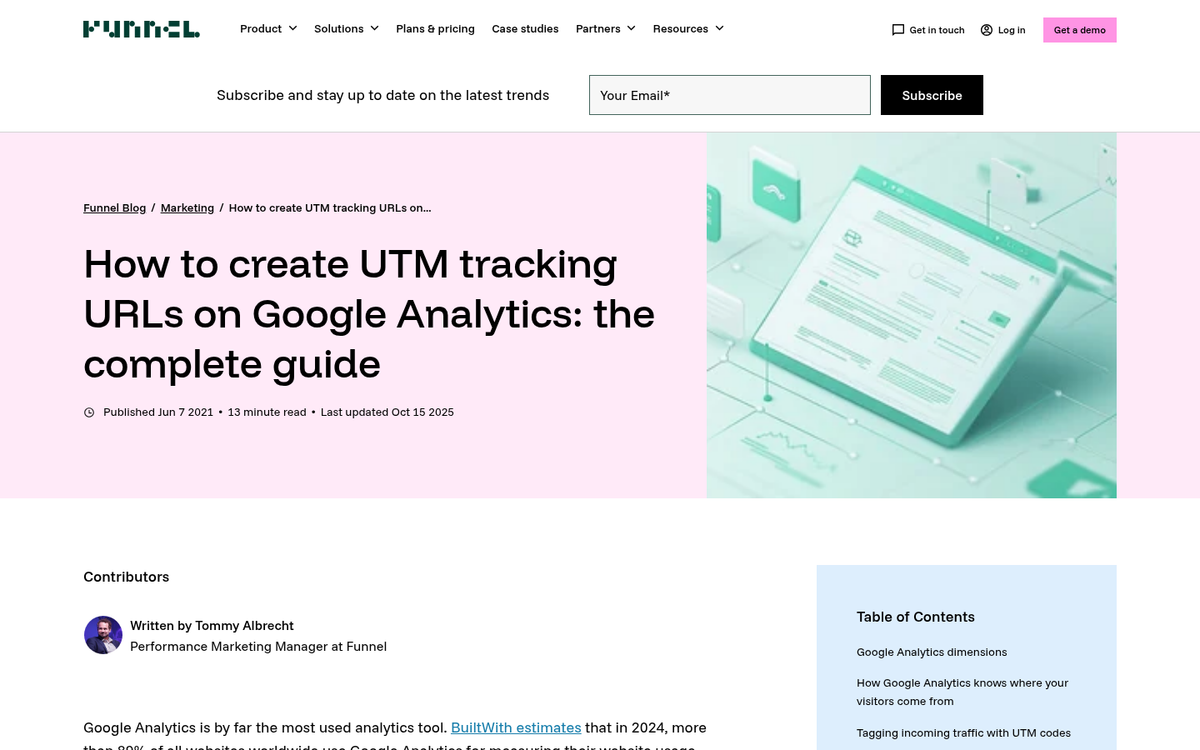
Platforms like Google Ads and Meta will give you extensive analytics. Other ad networks and traffic sources may give you little or nothing at all. Make sure you're running Google Analytics or a comparable platform, make sure the links you use in your traffic campaigns are tagged with UTM parameters, and make sure you're tracking everything as precisely as possible. This allows you to identify the weak points in your traffic conversion process so you can improve them directly.
What Rates Are You Paying?
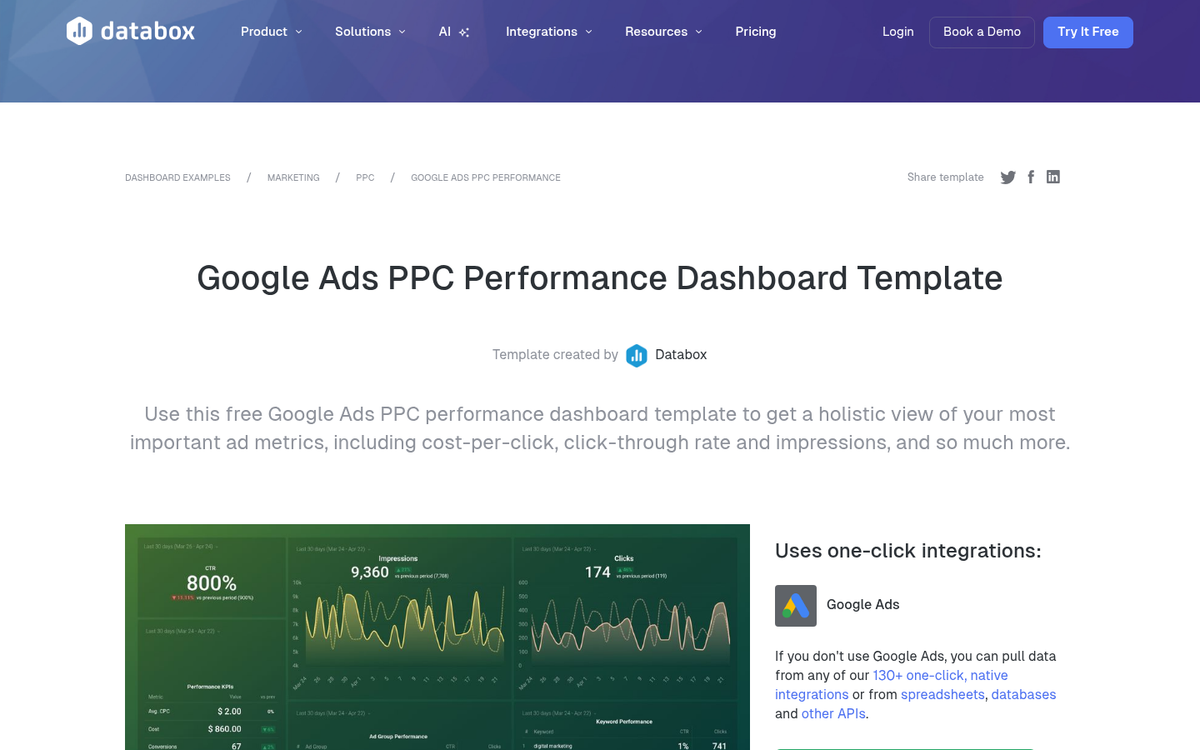
The rates you pay for your traffic matter, but they aren't the be-all and end-all of the exchange. As I mentioned earlier, you need more than just cheap traffic. Cheap traffic can sometimes be cheap for a reason. Bot traffic and completely untargeted traffic will be very cheap, but it also won't get you any meaningful conversions.
Keep in mind that paid traffic costs are rising across the board. Small businesses currently spend between $100 and $10,000 per month on Google Ads alone, and hiring a Google Ads expert can add to those costs, with average cost-per-lead figures now topping $70 across industries, every dollar needs to be working hard. You need to monitor how much you're paying for traffic so you know your true cost per conversion. If you're consistently losing money on a source, cut it off and try a different one. Don't make excuses for underperforming traffic sources - just move on and test something else.
Does the Traffic Convert?
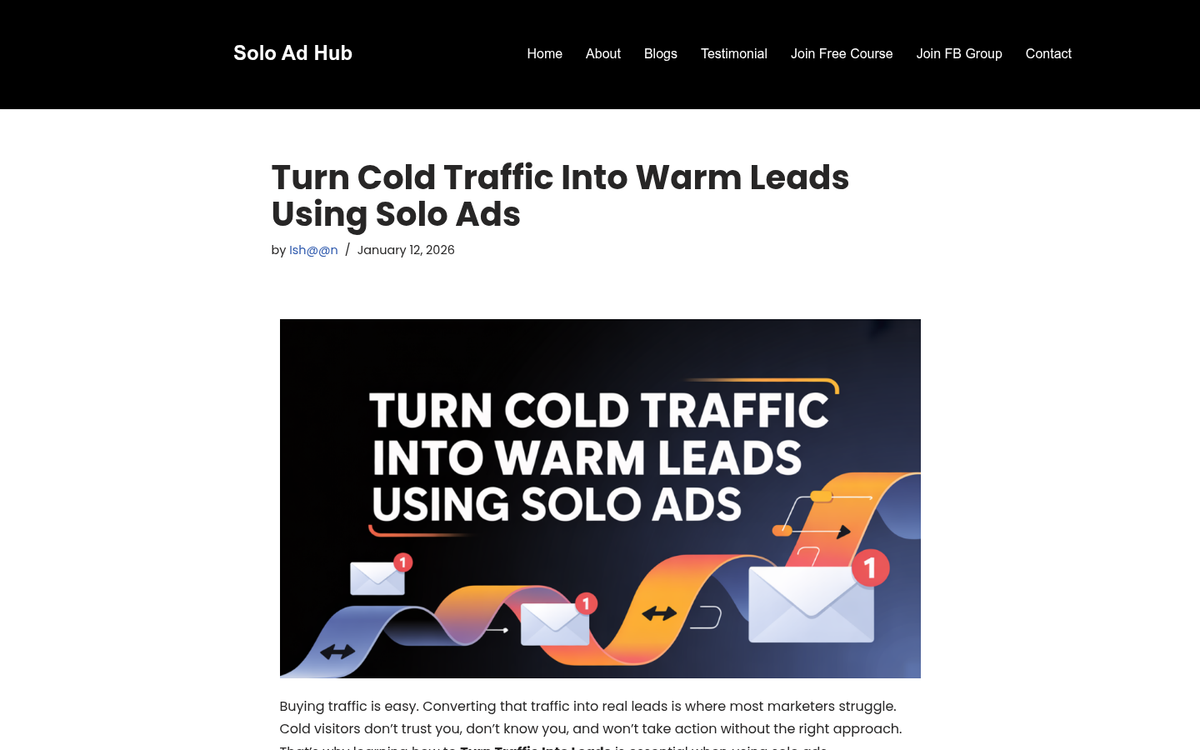
At the end of the day, this is the most important metric, but there's no way you can know it without actually making an investment. What you need to do, then, is pick your top potential traffic sources and start small. Buy a modest amount of traffic and watch where it comes from, how it behaves, and whether it converts. If it does
1 response
Thoughtful replies only - we moderate for spam, AI slop, and off-topic rants.
Although most people prefer to get free traffic from Search Engines and Social Media, it comes with a lot of work on their part. All you need to drive paid traffic to your site is cash, then site back and see the stats ramp up.