





On a site like this one, one of the first questions a savvy webmaster should ask is how the service you might buy affects your ranking. Buying traffic is one of those gray-hat techniques that isn't particularly black hat, but isn't necessarily white hat either. Will it hurt you in the long run, or even in the short term?
Key Takeaways
- Buying traffic isn't automatically harmful, but bad traffic from bots or click farms can seriously damage your rankings.
- Google uses Chrome data to monitor behavioral signals like dwell time and bounce rates, making poor-quality traffic increasingly risky.
- Good purchased traffic mimics organic visitors and can positively contribute to engagement signals Google uses for ranking.
- Shady traffic sellers may generate toxic backlinks, risking a Penguin-related penalty that takes significant effort to recover from.
- Running Google AdSense? Artificially inflated traffic violates their terms of service and can get your account permanently banned.
A Short Answer
In a word: it depends. Buying traffic will not automatically earn you a search penalty, but calling it completely harmless would be misleading.
Purchasing traffic is a multifaceted experience, and there are several ways along the path that can earn you some form of penalty or hurt you in ways that matter. The landscape has also shifted considerably - Google's signals are far more sophisticated in 2026 than they were even a few years ago.
Essentially, when you're buying traffic, you're getting either good traffic or bad traffic. Good traffic emulates organic traffic and can genuinely benefit your site by increasing exposure and driving conversions. Bad traffic does nothing but inflate your hit counter without bringing any real benefit. Additionally, bad traffic can come from sources that actively hurt you.
Obviously, when you're buying traffic, you want to buy good traffic. Unfortunately, the world of traffic buying remains a minefield littered with low-cost scams and black hat techniques.
Characteristics of Bad Traffic
Bad traffic doesn't help you because all it does is inflate your view count. Sure, you can say "look, I have 10,000 hits per month from unique IPs!" The thing is, none of those unique hits are doing anything meaningful for you.
Bad traffic typically comes from bots, click farms, or low-quality traffic exchanges. You receive hits from unique IP addresses, but you don't get the behavioral signals that come from real people. Organic users click links, explore your site, spend time reading, and may convert. Bots and hired clickers do none of that.
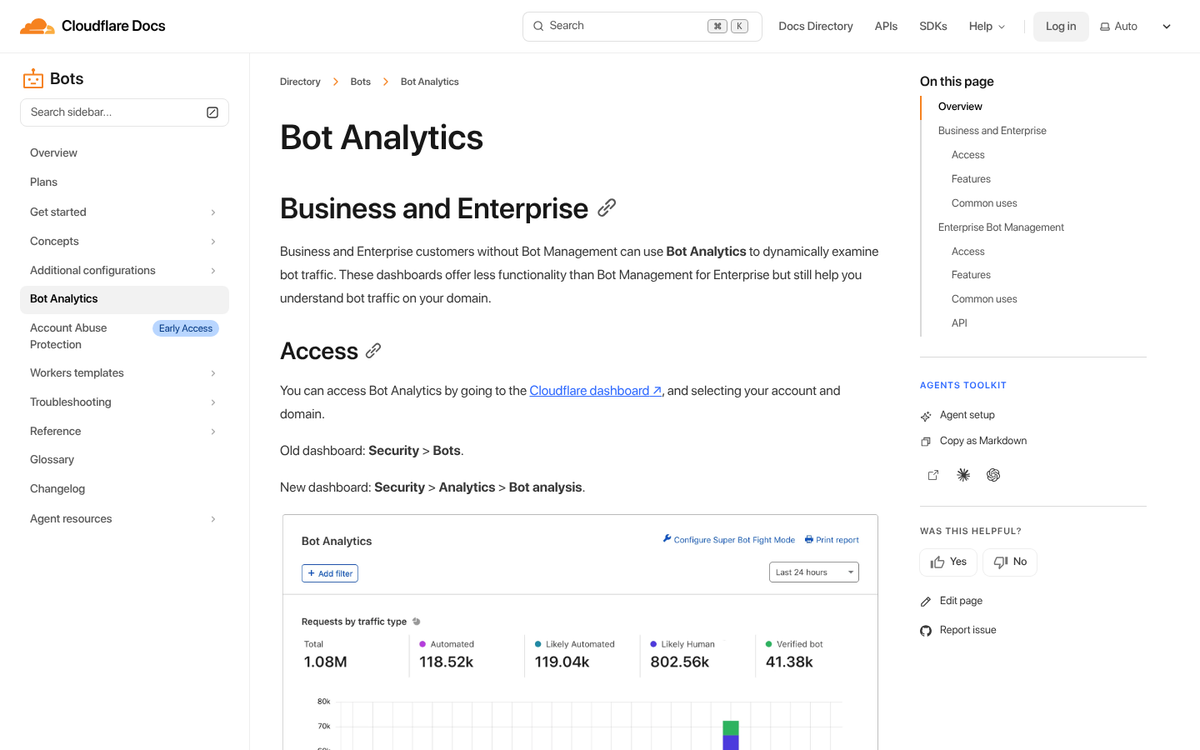
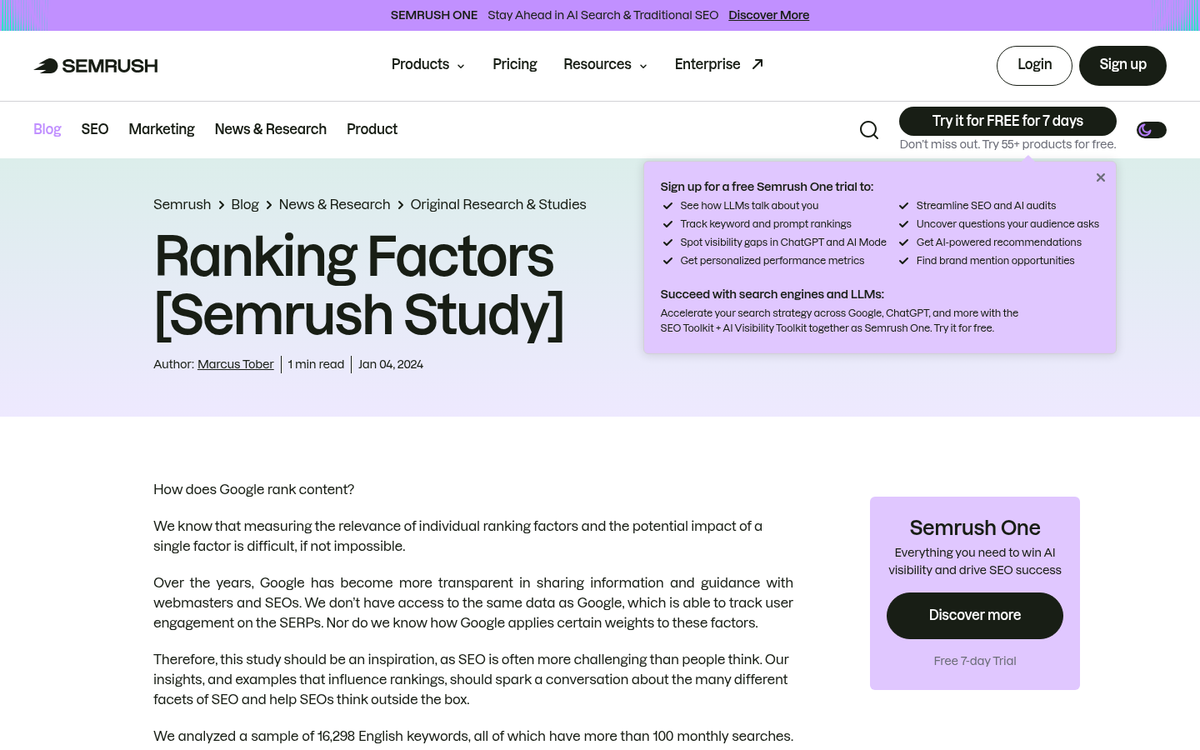
This matters more than ever in 2026. Google has long used Chrome browsing data to understand how users interact with websites - including how many people visit a site, how often, and for how long. Research from Backlinko found that pages ranking on the first page of Google tend to have an average dwell time of over three minutes. If you're pumping bot traffic onto your site and your average session duration tanks as a result, that's a real engagement signal Google can see and factor in.
There's also the link risk. Some bad traffic sellers funnel visitors through a network of low-quality blogs and spammy sites, which can generate toxic backlinks pointing at your domain. Google's Penguin algorithm, which launched back in 2012, specifically targets sites with unnatural or manipulative link profiles. A sudden influx of bad backlinks from a shady traffic seller can trigger a manual or algorithmic penalty that takes considerable time and effort to recover from. If you're wondering whether Google penalizes your site for other link-related practices, the same vigilance applies - choosing traffic sources with genuinely converting visitors is always the safer long-term approach.
Buying Good Traffic
By contrast, purchasing genuinely good traffic is possible, though it is generally more expensive. Good traffic does everything it can to mimic organic traffic. These are real users located in your target market, potentially interested in your product or content, who will explore your site and engage with your calls to action.
If this sounds familiar, it should - buying quality traffic this way is essentially running an ad campaign. After all, what is a PPC campaign but spending money for traffic? You invest money, traffic comes in and explores your site, some of it converts, and when you stop paying, the traffic drops off.
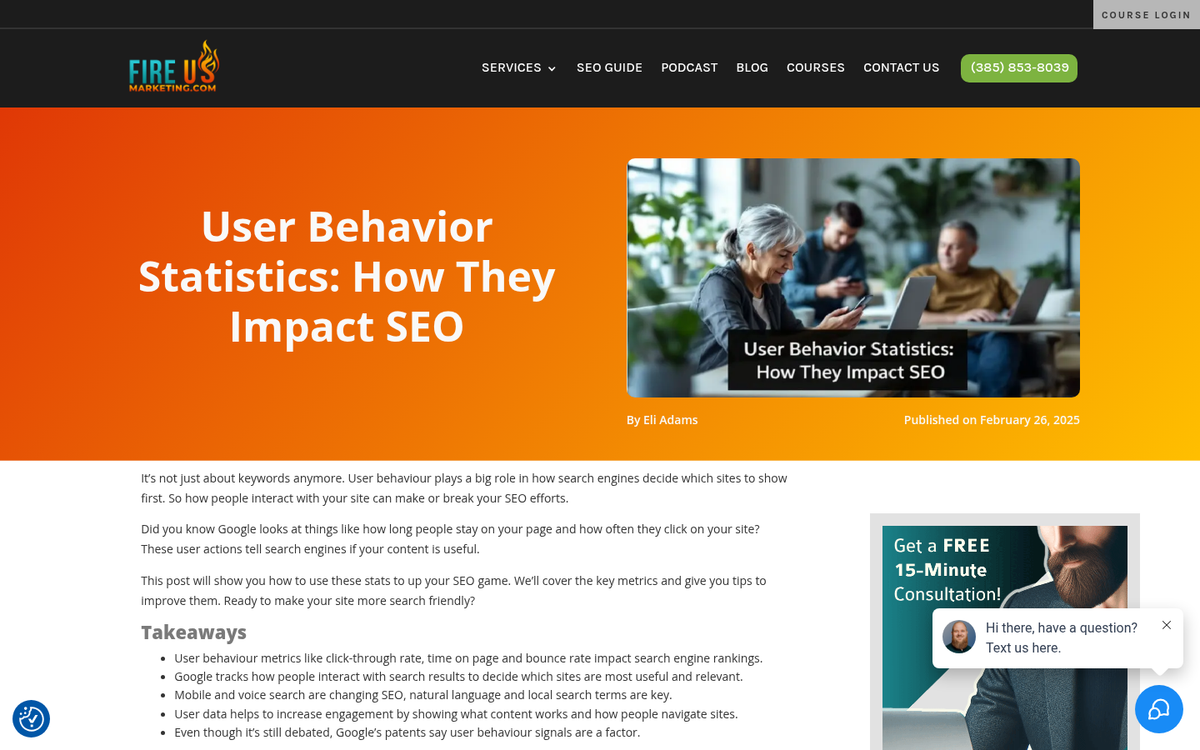
Here's where it gets genuinely interesting from an SEO standpoint. Semrush's Ranking Factors research identified direct traffic as the number one Google Search ranking factor. The thinking is that when lots of people navigate directly to your site, it signals to Google that your brand is well-known and trusted. Quality purchased traffic that behaves like real organic visitors can, in theory, contribute positively to these kinds of engagement signals - though this should never be your primary SEO strategy.
The benefit of buying traffic legitimately is that it comes from real users on quality sites within your niche. Reputable traffic sellers run managed campaigns through their own tested networks. They don't send robots or spam links your way. You're essentially outsourcing the heavy lifting of campaign management in exchange for a premium.
Google and Traffic Buying
If you were worried about Google detecting purchased traffic a few years ago, you should be even more thoughtful about it today. Google's use of Chrome data means they have a remarkably detailed picture of how users behave on your site compared to others in your niche. The question is no longer just "can Google see my traffic?" but "what does my traffic tell Google about my site?"
Bot traffic and low-quality clicks send terrible behavioral signals - high bounce rates, near-zero dwell time, no return visits. Even if Google doesn't explicitly penalize you for buying traffic, these signals can drag your rankings down indirectly.
Good traffic, on the other hand, looks and behaves like organic traffic. It's much harder to distinguish, and if those visitors are genuinely engaging with your content, the behavioral signals can actually work in your favor. The key is that the traffic has to be real people who genuinely interact with your site.
A Note About Alexa
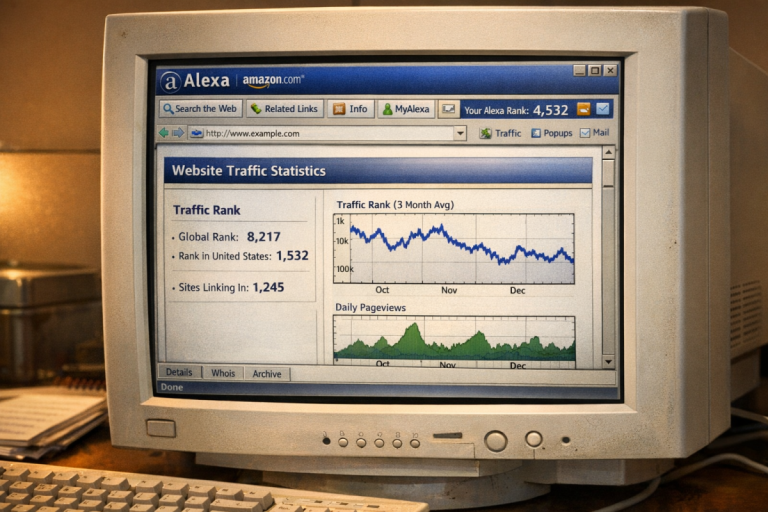
It's worth mentioning that Alexa rankings are no longer a consideration at all - Amazon shut down Alexa.com in May 2022. If you've been buying traffic specifically to inflate your Alexa rank, that ship has sailed entirely. Any traffic seller still advertising "Alexa rank boosts" as a selling point is either years behind the times or outright misleading you.
For gauging site authority and traffic estimates in 2026, most advertisers and media buyers rely on tools like Semrush, Ahrefs, or SimilarWeb instead.
Ways Paid Traffic Can Hurt
There are a few concrete ways that paying for traffic can hurt your site, and they're worth taking seriously.
The first is unnatural links. If the traffic seller routes visitors through spammy sites, you may end up with a toxic backlink profile that invites a Penguin-related penalty. Always audit your backlink profile regularly if you're experimenting with any form of paid traffic.
The second is poor engagement signals. As discussed, Google uses Chrome data to monitor behavioral metrics. If your paid traffic produces terrible engagement numbers - low dwell time, high bounce rates, no repeat visits - you may be signaling to Google that your site isn't worth ranking well, regardless of your other SEO efforts.
The third is your monetization accounts. If you're running Google AdSense, the terms of service are explicit: artificially inflating traffic can get your account suspended or permanently banned. Google takes this seriously, and losing an AdSense account can be a significant blow to a monetized site.
Other than those risks, buying traffic from a legitimate, reputable seller - one sending real users who genuinely engage with your content - remains relatively safe and can offer real benefits, particularly for building brand awareness and improving engagement metrics that increasingly influence how Google evaluates your site.


1 response
Thoughtful replies only - we moderate for spam, AI slop, and off-topic rants.
Interesting, any recommendations? I am mostly looking for something for freshly launched websites that don't get much traffic. It's certainly a mine field out there with scams or worse.