




As answer engines increasingly replace traditional search results for everyday queries, the brands that get surfaced are not necessarily the ones with the most backlinks or the highest domain rating. They are the ones that AI systems have learned to trust. Your Brand Authority Score is basically a measure of how well you have built that trust - across your content, your mentions, your expertise signals, and your online footprint as a whole.
For website owners and managers, this matters in a helpful way. If your Brand Authority Score is low, AI systems will overlook your content even when it's directly relevant to a user's question. If it's strong, your brand can become a favorite source that answer engines pull from repeatedly - which translates into visibility, traffic, and credibility that compounds over time.
This entry will talk about what actually changes a Brand Authority Score, how you can review where your brand currently stands, and what steps you can take to improve it within an Answer Engine Optimization strategy.
Quick Answer
A Brand Authority Score is a metric that measures a brand's credibility, trustworthiness, and influence within its industry or market. It typically evaluates factors such as online presence, backlink quality, social media engagement, customer reviews, and domain authority. A higher score indicates stronger brand recognition and trust among consumers and search engines. Businesses use this score to benchmark against competitors, identify areas for improvement, and guide marketing strategies to strengthen their overall brand reputation and visibility.
What Brand Authority Score Actually Measures
It factors in how frequently a brand is referenced across the web, the quality and diversity of the mentions, and how that presence holds up over time.
The scale runs from 1 to 100. But it's not a straight line. The difference between a score of 10 and 20 is manageable. The difference between 80 and 90 is a fundamentally different challenge. Scores at the top of the range are held by an extremely small number of brands, and the effort to reach them grows exponentially the higher you go.
Moz publishes a list of the top 500 businesses by authority, and it's worth spending a bit of time with. Google, YouTube, Facebook, Amazon, and Walmart all score 100. Apple, one of the most recognized businesses on the planet, barely cracks the top 20. Coca-Cola does not make the top 500 at all.
That last point is worth sitting with. Coca-Cola is a household name in nearly every country in the world. But it ranks outside the top 500 by this measure. That tells you something important about what the score actually tracks.
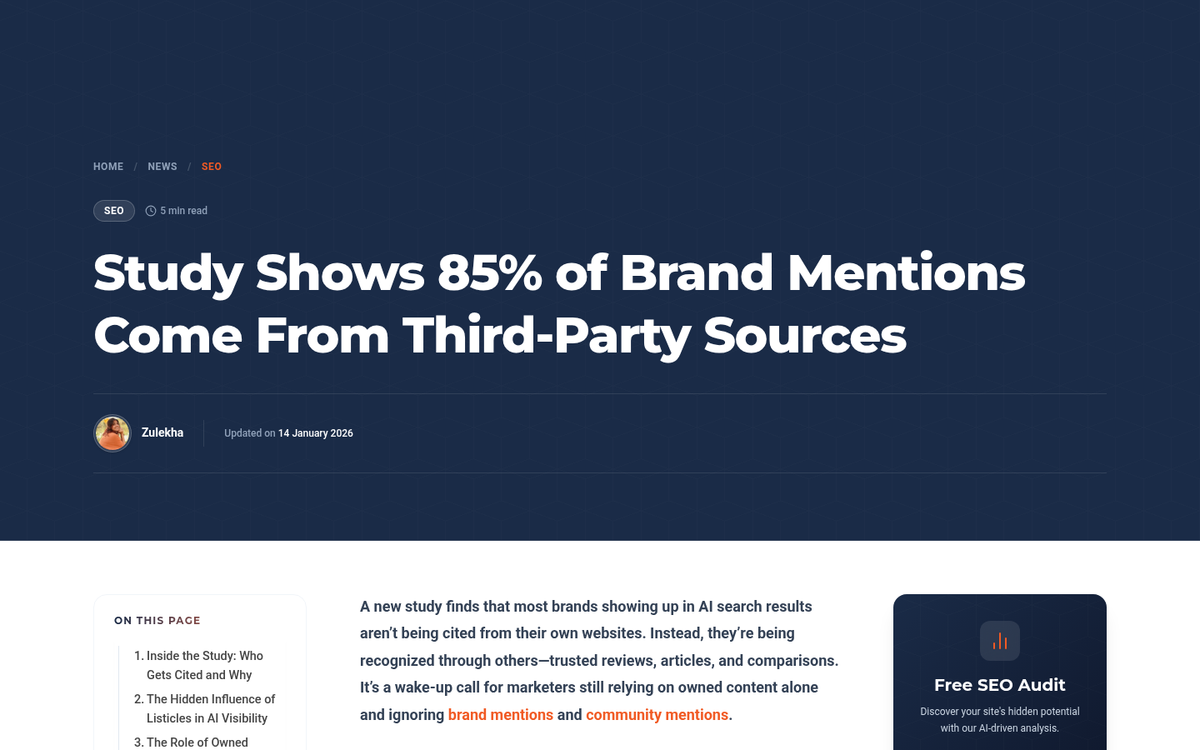
Brand Authority Score is not about cultural recognition or how many people can name your brand. It's about online footprint - the depth and reach of a brand's presence across online sources that other sites link to, cite, and reference. Brands with massive offline recognition don't automatically earn high scores here. Getting Google sitelinks on your blog is one small signal of this kind of recognized online presence.
Brands that score well are those that function as online hubs.
For most businesses, scores in the range of 40 to 60 represent a credible business website. Scores above 70 put a brand in rare company.
How Brand Authority Connects to AI and Answer Engines
AI tools like ChatGPT, Perplexity, and Google's AI Overviews don't pull from any website that ranks well. They lean toward sources that seem to be honest and well-established across the web.
From the AI's perspective, if it has to choose one source to answer a question, it's not flipping a coin - it's drawing on patterns in its training data - patterns that align with which businesses get mentioned, cited, and referenced most across trusted publications and communities.
Brand recognition works as a trust proxy in that process. A brand that appears in credible contexts - news articles, industry forums, editorial content - builds a footprint that AI systems can detect, signaling that publications find the source worth referencing.
This is different from having backlinks. A site can accumulate links through directories and paid placements without ever building genuine brand recognition. What AI systems appear to favor is something more organic - a brand that people actually talk about and refer to without being paid to do so.
Why Answer Engines Use Brand Signals as a Shortcut
Answer engines are built to be accurate and fast. To do that at scale, they need reliable shortcuts to find credible sources. A strong brand signal is one of those shortcuts because it's harder to fake than a technical SEO metric.
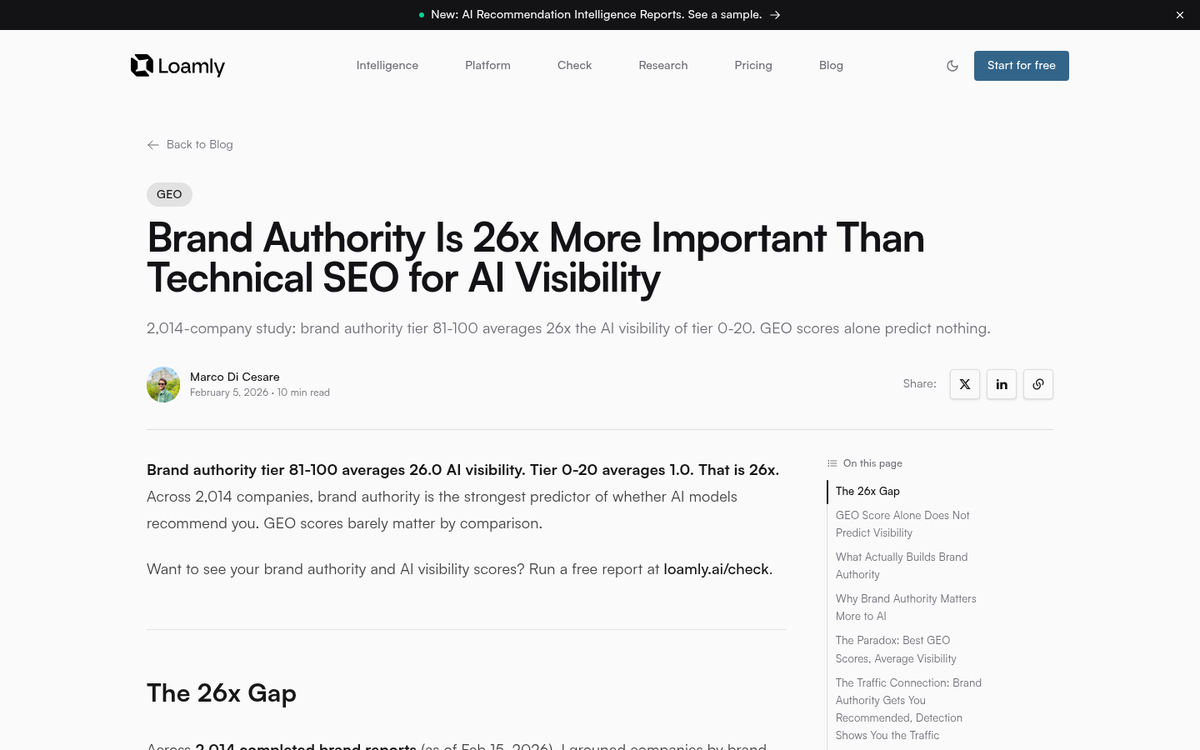
A brand with a high authority score has usually earned mentions across multiple independent channels over time. That multi-source validation is what an AI needs to feel confident about surfacing a particular source in a response.
It's also worth mentioning that AI Overviews in Google don't always pull from the top-ranking page. A page ranked fourth or fifth can get cited if its brand carries stronger recognition - that's a real departure from how search traditionally worked.
Brand authority isn't a magic pass into AI-generated answers. But it does raise the probability of being selected. The more an AI associates your brand with a topic - through steady, credible mentions - the more likely it is to treat your content as a favored source for that subject area.
Where Your Site Likely Stands Right Now
Across 245 verified audits from January 2026 AI Search Rankings data, the average Brand Authority Score sits at 79.14 out of 100. That number gives you something to work with. If you haven't run an audit, it's worth asking yourself if you'd land above or below that line.
One thing to keep in mind is that the score is currently U.S.-only, with regional expansion in the works. So if your audience or business operates outside the U.S., your results might not paint a full picture yet. That doesn't make the data useless - it just means international site owners should treat their score as a starting point instead of a final verdict.
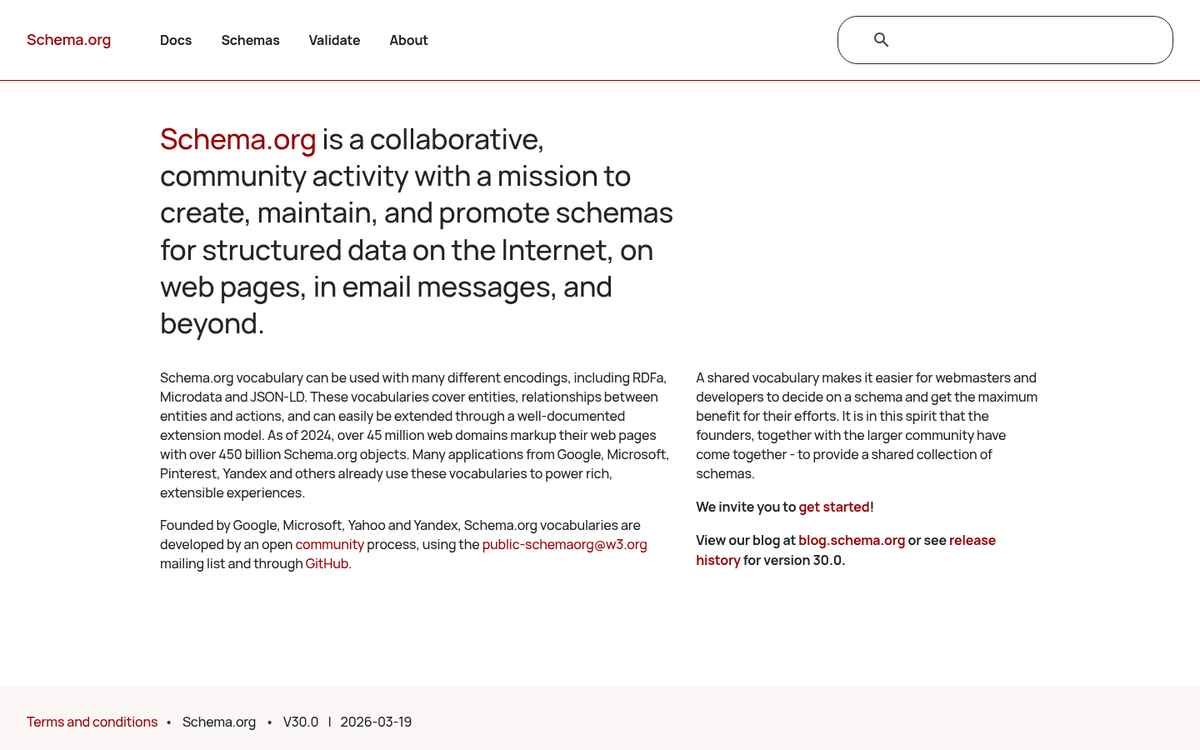
The more helpful exercise is to consider your brand's presence away from your own website. If a person who doesn't know your business heard your brand name, would they find anything about you outside your own website? Press coverage, community mentions, third-party reviews, and industry references all feed into how authoritative your brand looks to AI systems. A gap in offline or external visibility pulls scores down even when the website itself is well-built. Acquiring new sponsors for your website is one way to build that kind of third-party credibility.
| Score Range | What It Likely Signals |
|---|---|
| 90-100 | Strong external presence with consistent brand recognition across multiple sources |
| 75-89 | Solid foundation but gaps in third-party validation or breadth of brand mentions |
| 55-74 | Limited external footprint and possible inconsistencies in how the brand appears online |
| Below 55 | Minimal brand presence outside owned channels and low recognition by AI systems |
Most sites land in that 75-89 range, which means there's room to move up without starting from scratch. The difference between a score in the low 70s and one that clears 85 is not necessarily about technical fixes - it can depend on how well the brand exists in places it doesn't control. Tools like WordPress plugins that boost your site's rankings can support that effort on the technical side.
Signals That Influence Your Brand Authority Score Over Time
Your Brand Authority Score responds to a handful of real-world signals, and it helps to know which ones actually move the needle. The big ones are branded search volume, mentions across respected sites, steady entity presence, and earned media coverage. These are the levers worth your attention.
Branded search volume is a strong signal because it tells search engines that people are actively looking for you by name. The more people search for your brand directly, the more that behavior registers as trust. You can grow this through word-of-mouth, email campaigns, social presence, and anything else that keeps your name in people's heads.
Mentions on authoritative sites carry weight here. PR-driven coverage is one of the most helpful ways to build this presence, even if it takes time to arrange.
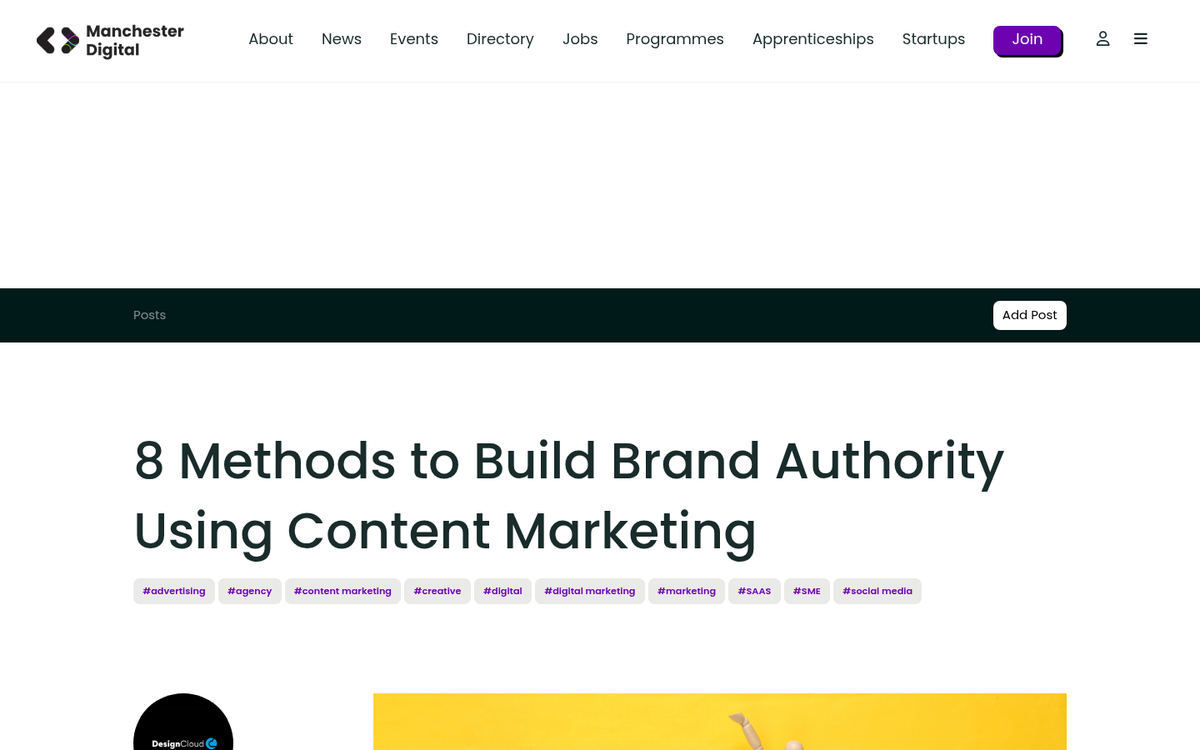
Entity consistency also matters more than you might expect. Your brand name, logo, and structured data should appear in a steady way across your website, social profiles, and directories. When that information lines up cleanly, it helps search engines connect the dots and recognize you as a well-defined entity instead of a vague one.
Moz also refreshes Brand Authority scores on a bi-monthly basis. Changes you make won't show up right away, and that's a thing to sit with - it removes the temptation to chase short-term plans and reinforces that this score was built to go well with standard brand-building over time.
Low-quality link building is an example of something that won't move this score the way you might hope. Buying links or stacking up directory submissions from obscure sites doesn't replicate the organic brand presence this score is measuring. The inputs are different, so the output won't respond the way it does with traditional link-based metrics. If you're looking to promote your blog and grow your brand presence, focus on strategies that build genuine recognition.
The tactics above are a long game. Every press mention, every branded search, every steady data point across the web adds up slowly. The score is a reflection of how known and trusted your brand is in the world. That reputation takes time to build.
Building Brand Authority Is a Long Game - Here's Where to Start
Brand authority is built across more touchpoints than most site owners know. The press mention you earned last quarter, the speaking slot at an industry event, the steady NAP data across directories - none of it lives in isolation. AI models pull from a wide surface area when they look at who deserves authority in a given topic space. Offline recognition feeds online trust and online trust feeds citation likelihood. Treating them as separate strategies is a gap that will cost you visibility as AEO continues to grow.
If you take one helpful step this week, make it an audit of your entity presence. Search your brand name and see how it's described, where it appears, and what context surrounds it. Then check if your knowledge panel, structured data, and third-party mentions are telling a steady story. From there, the path forward can become clearer - and every gap you close is one more signal pointing AI systems in your direction instead of away from it.
FAQs
What is a Brand Authority Score?
A Brand Authority Score measures how much AI systems trust your brand, based on content quality, mentions, expertise signals, and your overall online footprint. It runs on a scale from 1 to 100.
How does Brand Authority Score affect AI search visibility?
AI tools like ChatGPT and Google's AI Overviews favor brands with strong authority scores, treating them as trusted sources. A higher score increases the likelihood your content gets cited in AI-generated answers.
What score range should most businesses aim for?
Scores between 40 and 60 represent a credible business website, while scores above 70 put a brand in rare company. Most audited sites currently land in the 75-89 range.
What signals actually improve a Brand Authority Score?
Branded search volume, mentions on authoritative sites, consistent entity data across directories, and earned media coverage are the key signals. Low-quality link building does not meaningfully move this score.
How often does Brand Authority Score update?
Moz refreshes Brand Authority scores on a bi-monthly basis, so changes won't appear immediately. This reinforces that the score rewards long-term brand building rather than short-term tactics.