




Here's what's happening in the broader search landscape: tools like ChatGPT, Perplexity, and Google's AI Overviews are no longer just pointing users toward a list of links. They're reading, synthesizing, and directly answering questions - and when they do, they sometimes pull from sources and reference them by name. That act of referencing is where citation rate comes in.
For website owners and content managers, this change matters more than it might feel. Traditional SEO was largely about ranking on a results page and earning a click. AI-driven search changes that equation. Your content might now be read, summarized, and cited inside an AI-generated answer - without the user ever visiting your site. Or it might be ignored entirely. Citation rate is the metric that helps you understand which of those results is happening, and how.
This glossary entry will talk about what citation rate means, why it's become a relevant signal in the space of AI Optimization (AIO) and Answer Engine Optimization (AEO), and what you can realistically do with this information as someone responsible for a website's presence and performance.
Quick Answer
The citation rate refers to how frequently a published work is cited by other researchers over a given period. It measures a paper's or author's impact within a field. A higher citation rate generally indicates greater influence and relevance. It is commonly used in academic evaluations, such as the h-index or impact factor, to assess research quality. Citation rates vary significantly by discipline, with fields like medicine and biology typically having higher rates than mathematics or humanities.
What Citation Rate Actually Means
Citation rate, in the context of AI-generated answers, measures how frequently an AI tool pulls from your content when it responds to a user's question. It's not about how others link to your site in blog posts or academic papers - it's specifically about whether tools like ChatGPT, Google's AI Overviews, or Perplexity reach for your page when they build an answer.
It reads across multiple sources and assembles a response, and it may reference some of the sources. Your citation rate is the percentage of relevant answers where your content made the cut.
Consider what it looks like in practice. A user asks an AI tool about the best way to remove a stripped screw. The tool generates a paragraph-length answer and shows two or three source links underneath it. If your page is one of the links, you've been cited. If it's not, you haven't - even if your content would have been helpful.
That difference between "useful content" and "cited content" is the focus here.
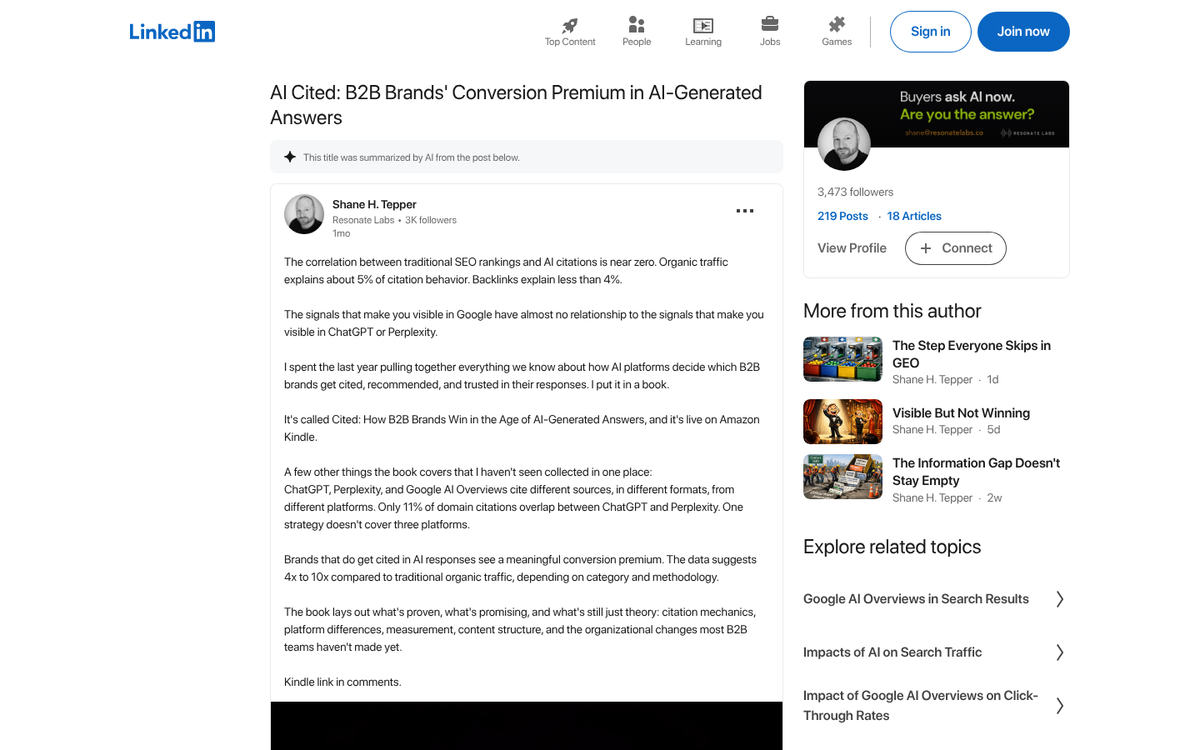
It's worth drawing a quick line between this and academic citation rates, because the phrase sounds similar. In academic research, citation rate tracks how other scholars reference a published paper over time; it's a reputation metric built over years. The citation rate we're talking about here is more immediate - it measures whether an AI system treats your content as a credible source during real-time answer generation.
The underlying question for any website owner or content creator is straightforward. When an AI tool is assembling an answer that your content could speak to, does it use your page or does it go elsewhere? That choice happens at the model level, based on how the AI interprets the relevance, structure, and authority of your content.
Low citation rate means your content exists on the web but doesn't get pulled into AI replies - so users never see it, even when they ask questions you've written answers to. A higher citation rate means your content is actively part of the conversation happening inside these tools, and users are being sent your way as a result.
How Citation Rate Differs From Traditional Search Rankings
Traditional SEO is built around one goal: get users to click your link. Rankings, impressions, click-through rates - it all points back to driving traffic to your site. Citation rate operates on a different logic.
When an AI tool answers a question, it doesn't send the user to browse a list of results - it picks a source it trusts and pulls from it. The user may never visit your site at all. But your content still shaped the answer they received; it's a fundamentally different relationship between content and audience.
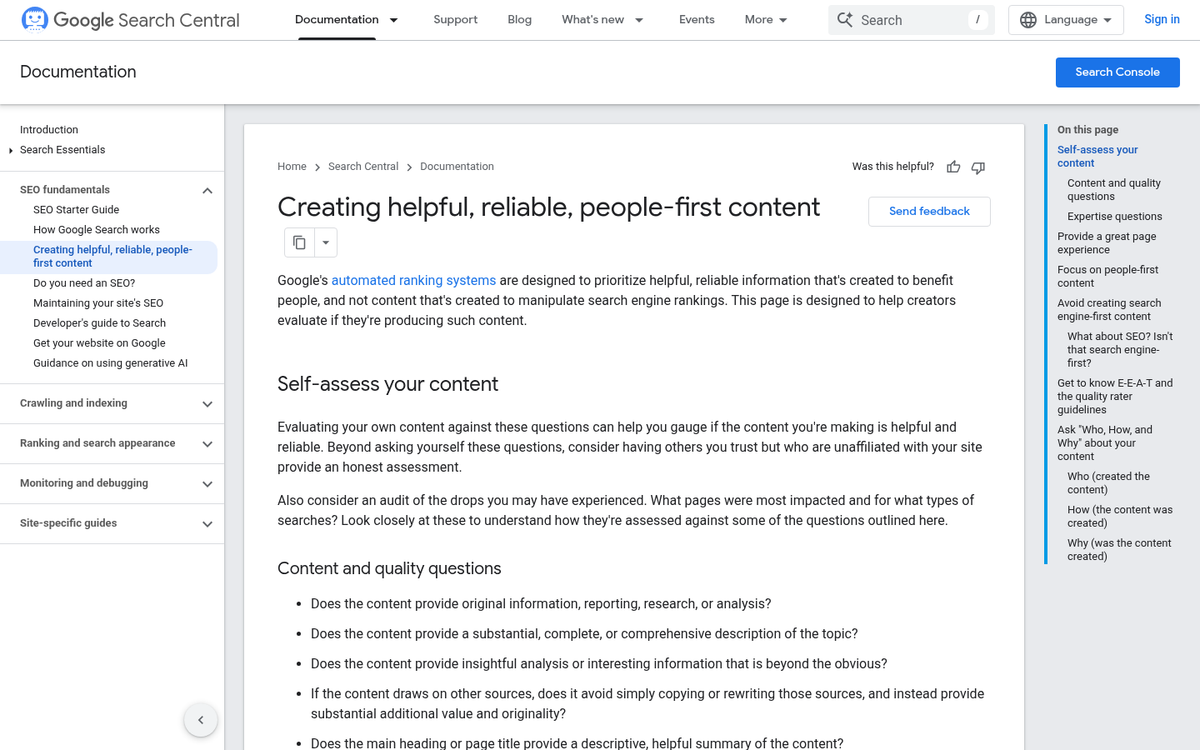
A page can sit at position one on Google and never get cited by an AI - it may have great keywords and strong backlinks. But if the content isn't structured in a way that AI tools can interpret as authoritative and direct, it gets passed over. A page with modest search traffic can get cited repeatedly because it answers questions in an honest and precise way.
The intent behind each system is also different. Search rankings reward content that attracts attention. But citation rate rewards content that earns trust. One is about visibility, the other is about credibility. If you want to strengthen that credibility, improving your blog's E-A-T score is a good place to start.
| Traditional Search Rankings | Citation Rate (AEO) |
|---|---|
| Focuses on clicks and traffic | Focuses on trust and authority |
| Measured by position and impressions | Measured by how often AI pulls from your content |
| User visits your page | User may never visit, but your content answers their question |
| Rewards keyword relevance and backlinks | Rewards clear, direct, credible information |
It's also worth mentioning that the two don't always overlap. Optimising for one doesn't automatically improve the other. A business can have a well-ranked website and still have a citation rate of zero across AI platforms.
This matters because the way people get information is changing. More users are getting direct answers from AI tools without running a traditional search at all - a trend closely tied to the rise of zero-click search. So the measure of whether your content is doing its job has expanded past where you rank on a results page.
Citation rate isn't a replacement for SEO thinking - it's an extra layer that goes alongside how AI tools choose what to use and what to pass over.
Why AI Tools Pick Certain Sources Over Others
AI tools don't pull from sources at random. They are trained to favor pages that are credible and well-structured - and there's a handful of tells that make a difference in whether a page gets cited or passed over.
One of the biggest things is topical authority. A site that covers a subject in depth, across multiple related pages, signals to an AI that it knows what it's talking about. A single strong post on a site that otherwise covers unrelated topics is less likely to get picked up than that same post sitting inside a well-developed content center.
Content clarity matters quite a bit too. AI tools need to extract a direct, usable answer from a page. When a page buries its main point under long introductions or circles around an answer without landing on one, it can become harder for an AI to use that content confidently. Pages that get to the point and back it up with context tend to get pulled more.
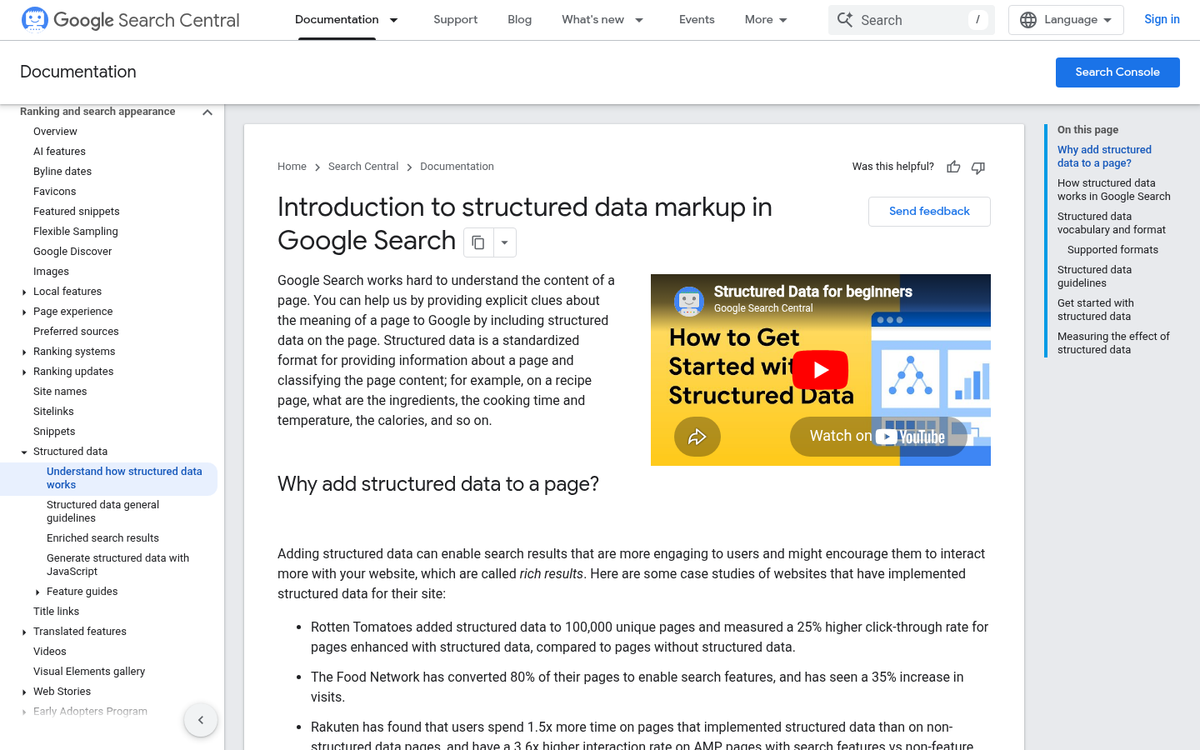
Structured data is another factor worth mentioning. Markup like schema helps AI systems understand what a page is about and how the information on it is organized - it's not a magic fix. But it does cut back on ambiguity about the content's purpose.
E-E-A-T signals - experience, expertise, authoritativeness and trustworthiness - also play a role. Things like named authors, credentials, links from credible external sources and a track record of accurate content all influence how much weight an AI assigns to a page. If you're working on improving your E-E-A-T score, these are the exact signals worth focusing on.
It is also worth mentioning that some industries get cited at much higher rates than others, and this is not entirely about how well their content is written. In academic research, fields with precise and universal information tend to have very low uncited rates - fields like chemistry or engineering. More interpretive fields have dramatically higher uncited rates. The same plays out with AI citations. Factual, structured and broadly applicable content gets pulled more than content that's subjective or context-dependent.
Source credibility wraps this together. An AI tool is more likely to cite a page if the wider site has a reputation for accuracy. That reputation is built through steady content, external recognition and not having misleading or thin material elsewhere on the domain.
Common Reasons a Site Gets Skipped by AI Answers
A site can have legitimately helpful content and still get passed over by AI tools- it's not necessarily about authority or domain age. Sometimes it can depend on small things that quietly signal to an AI that the content isn't reliable enough to cite.
Thin content is one of the biggest culprits. A page that covers a topic in two short paragraphs doesn't give an AI much to work with. AI tools like to pull from sources that go deep enough to answer a question, so pages that skim the surface get left behind.
Authorship is another sticking point. If it's not clear who wrote the content or what makes them qualified to write it, an AI has no way to judge credibility. A small business blog without author names or credentials looks anonymous, and anonymous content is harder to trust at scale. If you're training employees to write for your blog, setting clear authorship standards from the start can help avoid this problem.
Promotional language is a quieter problem. Pages that read more like sales copy than informational content get treated differently by AI systems. If most of your sentences push a product or service, the content reads as biased instead of informative.

A few other patterns that tend to get a site skipped:
- No structured data. Without markup like schema, AI tools have to guess what a page is about. That guesswork introduces uncertainty, and uncertainty leads to a source being skipped.
- Conflicting information. If your site says one thing on one page and something different on another, that inconsistency is a red flag. AI tools look for content that holds together across a site.
- Slow load times. This one surprises people because it feels like a technical issue, not a content issue. But accessibility matters. A page that is slow to load is also harder to crawl and index well. If you're unsure where to start, it helps to understand what it costs to make a site properly optimized for performance and mobile users.
- Outdated content. AI tools favor pages that reflect current information. A well-written post from several years ago with no updates can lose ground to a newer source on the same topic.
Most of these problems show up on small business sites and content-heavy blogs without anyone noticing. The content could be accurate and well-intentioned. But structural gaps quietly work against it.
The good news is that none of these problems are permanent. They're worth learning about because they're all things a site owner can do something about.
Measuring Your Own Citation Rate
Tracking how AI tools cite your content is helpful, but the tooling for this is still catching up. There's no single dashboard that gives you a complete picture, so use a combination of manual checks and available tools to piece things together.
The easiest starting point is to run manual checks yourself. Go into tools like ChatGPT, Perplexity, or Google's AI Overviews and ask questions that your content is meant to answer. See if your site comes up and watch how your content is described or paraphrased. It's a bit time-consuming, but it gives you a direct, first-hand look at what's going on.
Beyond manual checks, a growing number of tools are starting to track AI visibility more formally. Tools like Profound, Otterly, and similar AI search monitoring platforms can track brand mentions and citations across multiple AI tools at once. These save manual effort and give you trend data over time, which is harder to get from one-off checks alone.
Google Search Console doesn't directly track AI citations, but it can still help indirectly. If traffic from AI-generated answers is reaching your site, you might see referral patterns or query data that points to it. It's not a perfect signal, but it's worth watching alongside your other data. Paid tools like Sumo Pro can also help you better understand how visitors interact with your content once they arrive.
Below is a quick comparison of the main strategies available.
| Approach | Cost | Accuracy | Time Investment |
|---|---|---|---|
| Manual checks in AI tools | Free | Low to moderate | High |
| AI monitoring platforms | Paid | Moderate to high | Low |
| Search Console (indirect) | Free | Low | Low |
| Browser-based spot checks | Free | Low | Moderate |
No strategy here is perfect, and that's the reality of where this space is right now. The manual path is accessible to anyone but doesn't scale well, while paid tools give you better coverage at a cost. Most site owners land somewhere in the middle, using free checks to stay informed while keeping an eye on what the monitoring platforms develop next.
Steps to Improve How Often Your Content Gets Cited
Getting cited more starts with making your content easy for AI tools and search engines to pull from. That means writing in a way that answers questions directly and structuring your pages so the most helpful information is easy to find.
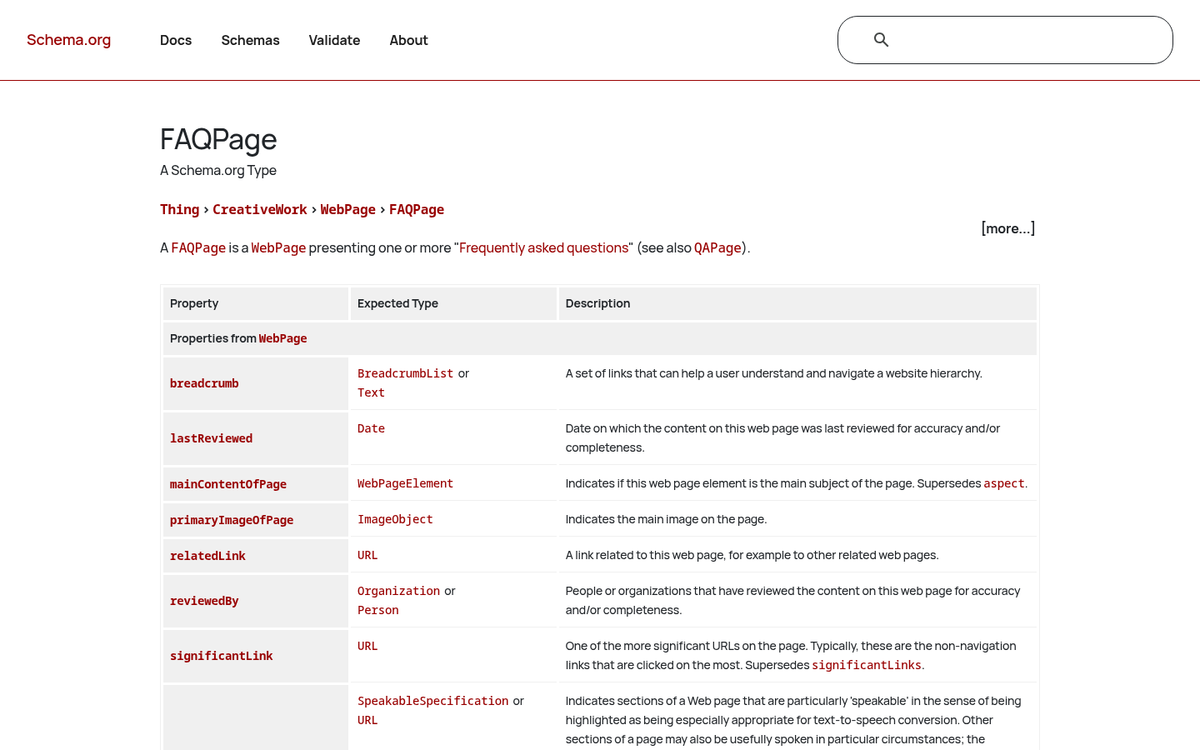
FAQ sections are a good place to start. When you frame content as a direct question followed by an answer, AI systems can match it to user queries more easily - this format also tends to do well in featured snippets, which are a form of citation in their own right.
Topical depth matters too. A page that covers one subject closely tends to outperform a page that skims across subjects. If you can build a cluster of related pages that link to each other, you signal to search engines that your site is a reliable source on that topic.
Author credentials are worth adding to your pages. A named author with a bio, relevant experience, and links to other published work gives your content a layer of trust that anonymous pages don't have - part of what Google refers to as E-E-A-T, which stands for Experience, Expertise, Authoritativeness, and Trustworthiness. If you're looking for ways to strengthen these signals, there are practical steps to improve your E-E-A-T score worth reviewing.
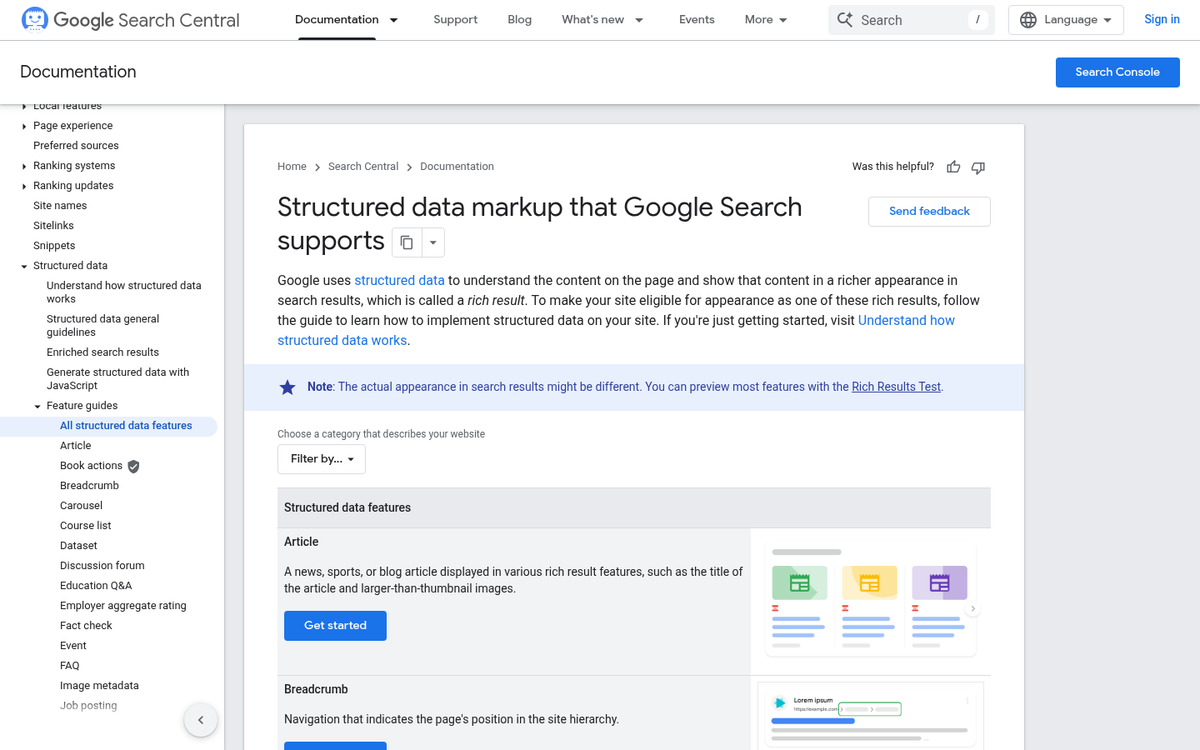
Schema markup is another tool to use - it's a type of code you add to your pages to help search engines understand the content structure. Article schema, FAQ schema, and author schema can all make your content easier to index and reference accurately. If your site runs on WordPress, installing SSL is another foundational step that supports how search engines evaluate your pages.
Backlinks from trusted websites also play a role. When credible sources link to your content, it tells search engines that your page is worth referencing. You can build these links by writing helpful content, contributing to industry publications, or getting your data cited in news articles.
The most honest thing to say here is that none of this happens fast. Sites that build a strong citation rate do so slowly, by publishing accurate content and keeping it up to date over months and years. Credibility accumulates the same way it does in any field - through consistency and a track record others can rely on.
Treat it as an ongoing process instead of a checklist you complete once. Revisit older pages to update facts, refresh examples, and improve structure. Every time you make a page more accurate or more helpful, you give it a better chance to be cited the next time someone searches for what you cover.
Your Citation Rate Is a Trust Score in Disguise
The good news is that this is still early. The standards for what gets cited, what gets surfaced, and what gets ignored are still taking shape, which means the window to get ahead of this change is open - but it will not stay open forever. Here is what to carry forward from everything covered here:
- Citation rate measures how often AI tools reference your content when generating answers, making it one of the most important visibility signals in modern search.
- Trustworthiness, clarity, and structure drive citations - not keyword density or backlink counts alone.
- Schema markup, clean formatting, and direct answers make it significantly easier for AI systems to extract and attribute your content.
- Topical authority matters more than individual page performance - AI tools favor sources that demonstrate consistent depth across a subject.
- The brands building citation-ready content today are the ones that will own the AI-generated answers tomorrow.
Go back and look at your highest-traffic pages with fresh eyes. Think about whether an AI tool could pull an accurate, citable answer from each one. If the answer is no, that's where the work begins. That audit alone can change the trajectory of your visibility in AI-driven search.
FAQs
What is citation rate in AI search?
Citation rate measures how often AI tools like ChatGPT or Google's AI Overviews pull from your content when generating answers to user questions.
How does citation rate differ from traditional SEO rankings?
Traditional SEO focuses on driving clicks to your site, while citation rate measures whether AI tools trust and reference your content, even if users never visit your page.
Why do AI tools skip certain websites when citing sources?
AI tools often skip sites with thin content, missing author credentials, promotional language, outdated information, or no structured data markup.
How can I measure my site's citation rate?
You can manually ask AI tools questions your content addresses, use paid monitoring platforms like Profound or Otterly, or monitor indirect signals in Google Search Console.
How can I improve my content's citation rate?
Add FAQ sections, build topical depth, include author credentials, implement schema markup, and earn backlinks from credible sources to signal trustworthiness to AI tools.