Key Takeaways
- E-E-A-T stands for Experience, Expertise, Authoritativeness, and Trustworthiness - Trustworthiness is considered the most important element.
- E-E-A-T matters most for YMYL industries - health, finance, and legal sites where bad advice causes serious real-world harm.
- Named author bylines, detailed About pages, and credentialed source citations are foundational steps to building visible trust.
- High-quality backlinks and guest posting on reputable sites strengthen both authority and credibility signals for your blog.
- Regularly auditing, fact-checking, and updating old content prevents misinformation buildup and maintains positive quality signals with Google.
As a blogger, you may have heard of something called your E-E-A-T score. It is part of Google's Search Quality Rater Guidelines framework, which has evolved over the years. Originally introduced as E-A-T in a big core update back in 2018, Google expanded the concept in December 2022 by adding an extra "E" for Experience, which makes it E-E-A-T.
If you haven't heard of E-E-A-T before now, there are two plausible reasons. The first is that you basically missed the news. The second is that you're not part of the industries that it most heavily targets.
E-E-A-T is part of a framework that focuses primarily on health and wellness websites and can affect legal and finance websites. These industries are known as YMYL: Your Money, Your Life. In other words, any industry or website that asks you to follow their advice with either your money or your life is a site where E-E-A-T applies most critically.
So what is E-E-A-T and how can you improve it?
What Is E-E-A-T?
E-E-A-T is an acronym made up of four words, each detailing an idea Google considers important for looking at the quality and trustworthiness of content.
They are:
Experience. This is the newest addition to the framework. Google wants to see that content is written by someone with first-hand experience on the topic. A product review written by a person who has actually used the product, or a travel post written by a person who has legitimately visited the destination, carries more weight than content that basically aggregates information from other sources. Demonstrating lived experience has become increasingly important as AI-generated content has flooded the web.
Expertise. The information presented on a page should come from someone with genuine knowledge in their field. If you're an expert, you can cite your own credentials to establish your level of expertise. If you're not an expert yourself, you should source your information from expert sources and cite them with their credentials to prove that it's helpful, accurate information - this helps cut back on the damage done by unfounded "gurus" looking to exploit an industry.
Authoritativeness. The information on a page should come from a source of authority. Who are you to be writing about this topic? Even if you're not a credentialed expert, you should at least be someone with a track record of making reliable content in a given subject area. This is usually demonstrated through author credentials, backlinks from respected sites and a strong body of published work.
Trustworthiness. This is considered the most important of the four elements. Users need to be able to trust the information they get on a page. You want to build in visible signs of trust so your users can trust your authors, your website and your content. Trust encompasses accuracy, transparency, site security and honesty about who is behind the content.
As you can see, all four of these properties are closely related. Google wants the content you find through their search to be high quality, rooted in experience, authoritative and honest. These properties are especially important in areas like finance or health; following the wrong advice can have extreme personal consequences like bankruptcy or harm to your health.
In the title, I promised 15 ways to improve your blog's E-E-A-T score. Here are those 15 ways.
1. Add an Author Byline to Every Post
One of the core elements of trust on a website is knowing who is writing the content you're reading. As a blogger, you should have an author name and byline at the top of each post and a longer author bio at the bottom of every post - it's easy enough to set these up that it should be no problem to do, even if you have authors who come and go.
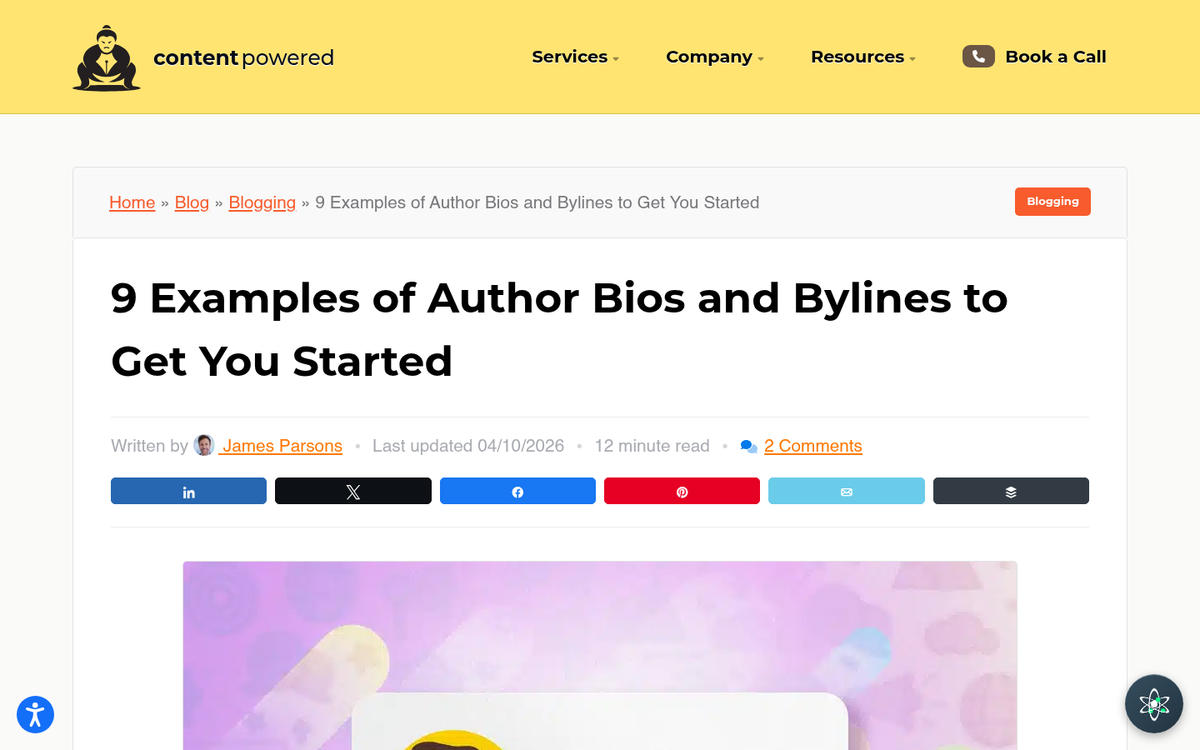
One thing you should stay away from doing is having every post published by "site admin" or by another generic name. These sites seem like they're trying to hide who is behind them and that does nothing to inspire trust in your readers. A publicly visible, named author is a more honest author.
Depending on your blog platform, this could be something that you can add with a plugin, or it may be something that you have to code into your template.
2. Maintain an About Section to Explain Who You Are
A blog should have an About section to explain who you are. This is relevant for single-author blogs because it gives you a long-form location to explain your background, your inspiration and what makes you credible. You see these all the time on travel websites, just to give you an example.
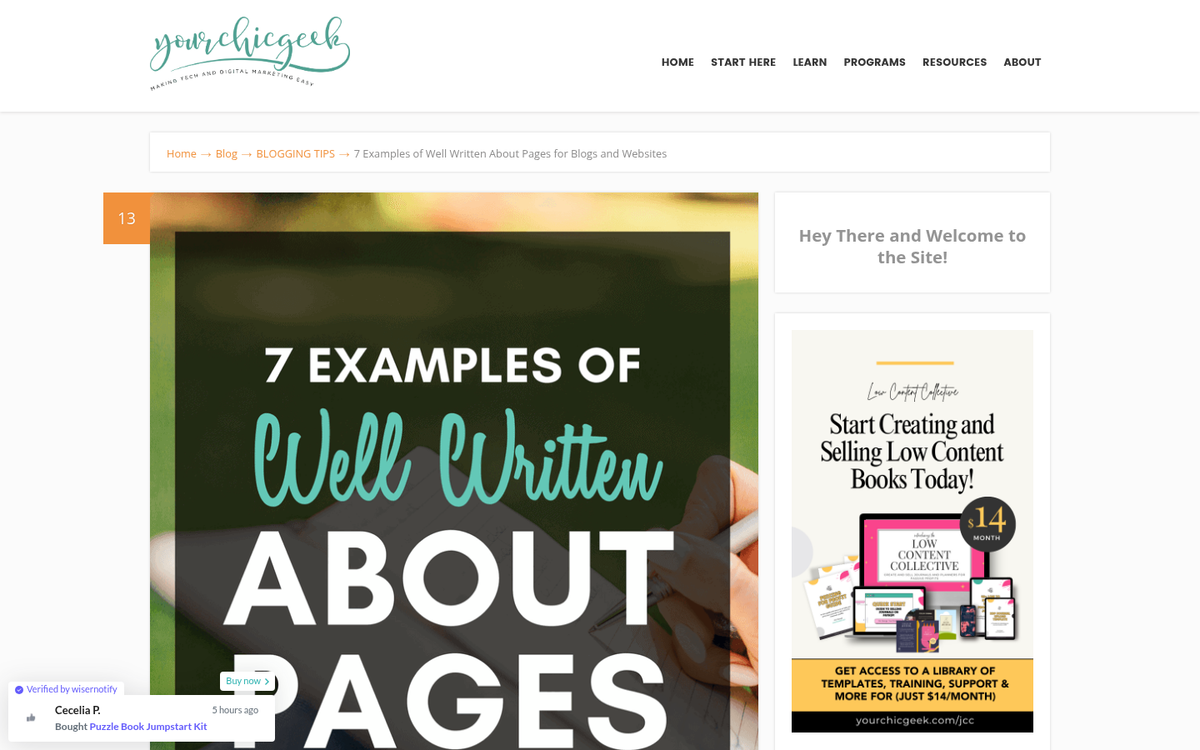
On a multi-author blog, your About section can serve to explain to the reader who you are to bring these authors together, what your authority is and what the goal of your site is. Obviously, even if your goal is "to make money", you want to show your concern for your readers and your industry at large.
3. Link to Authoritative Sources for Information
Whenever you cite a piece of information, you should cite a source for that information. Sometimes it can be as easy as a link to a well-established reference point for something foundational. If it's something that comes from a study or a survey, link to the original source of that data. If it's a survey you published yourself, link to the long-form source of the data so readers can see the numbers you're referencing.
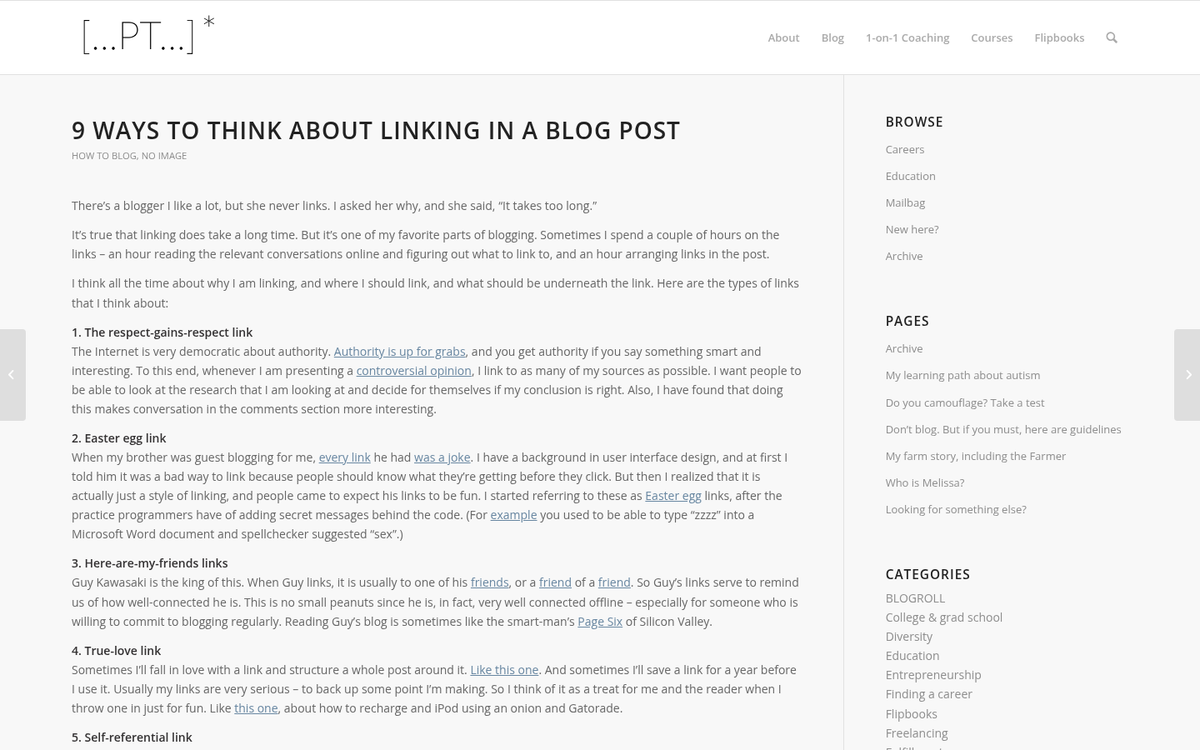
The goal here is to make yourself part of something bigger than yourself. People might not trust you immediately. But if you're drawing your information from credible sources and referencing them clearly, they're more likely to extend you trust by association. They can also use those sources to review your claims for themselves. If you're also thinking about whether to nofollow external links in your posts, that's worth considering as part of your linking strategy.
4. Explain Source Credentials in Your Text
You don't have to do this for every piece of information. But for an important piece of information to build upon in your post, you should explain the source in greater detail than just a link. Instead of "according to X", you can write "According to X, leader of the Y foundation, in their study about Z". This kind of detail also helps when you're thinking about how keywords fit naturally into your writing.
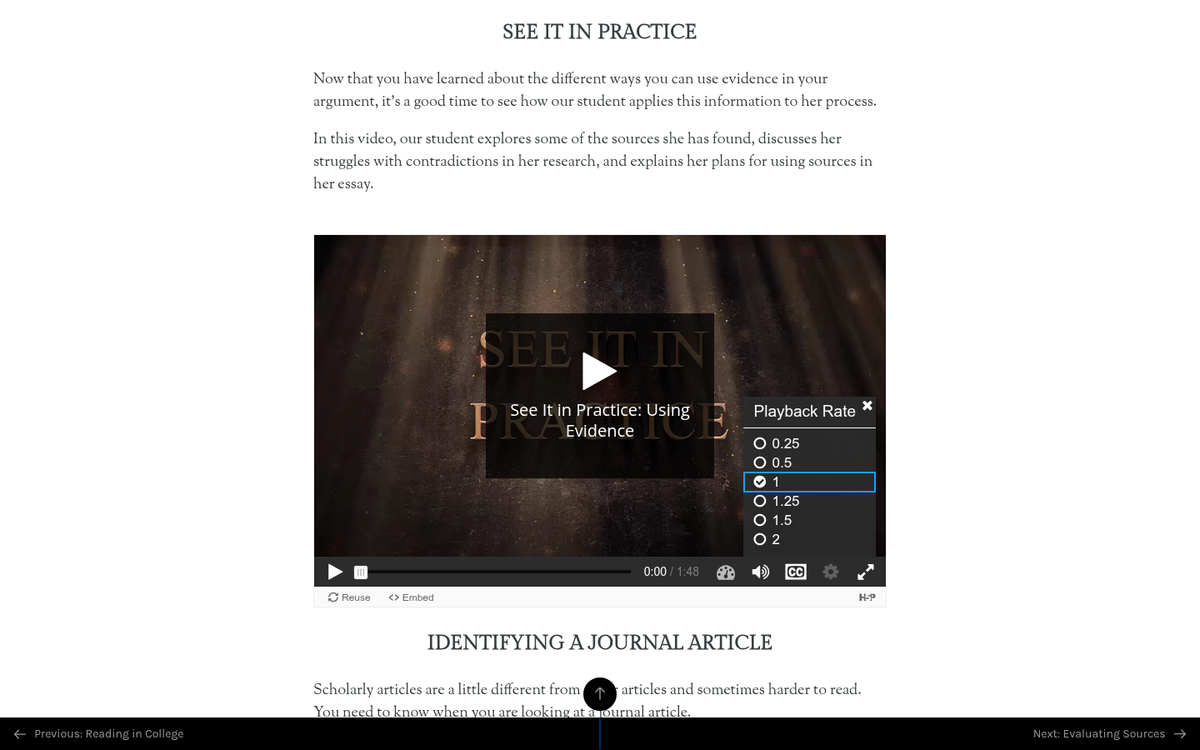
Of course, this will get long and unwieldy if you do it for everything - it's usually best to reserve this level of detail for the most important pieces of information or for sources that might not be widely recognized. The more prominent and recognizable a figure is, the less explanatory text you'll need to write about who they are. If you're looking to polish up your overall content approach, see our tips on writing a great blog post efficiently.
5. Focus on Establishing a Trustworthy Brand Identity
Perhaps the number one thing for a site you want to establish as an authority is creating a brand. Make a logo for yourself. Create a blog theme so you look distinctive from the thousands of template-based sites out there. Make sure your content is as polished as possible, while still being relevant and accurate to your subject matter.
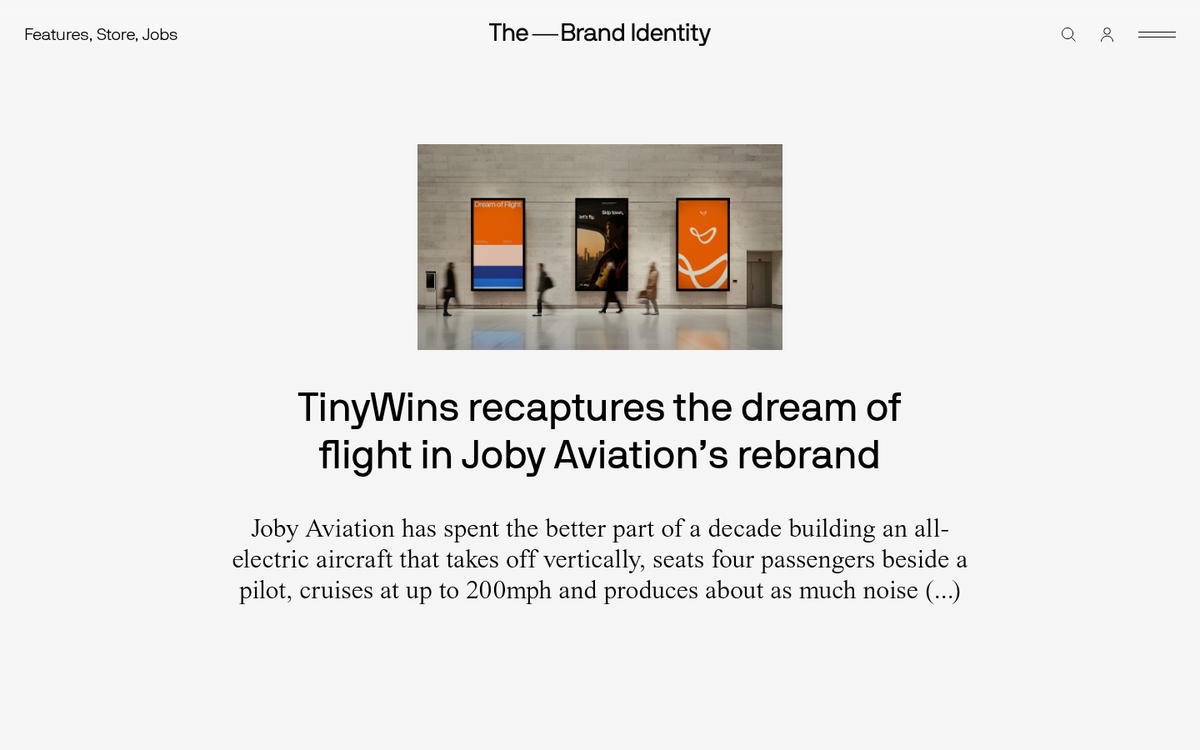
You can also have smaller touches. Pick a steady color scheme and format your legends and visuals around it. Establish a graphical style for your images. Make sure the writing on your site is consistent in terms of tone and voice. A recognizable brand identity builds cumulative trust as more people see your work over time.
6. Implement SSL for Your Website
SSL is a baseline security requirement for any website in 2026 - it has been a minor but confirmed ranking signal for years and browsers like Chrome actively flag non-SSL sites as "Not Secure," which erodes user trust before they've even read a word of your content.
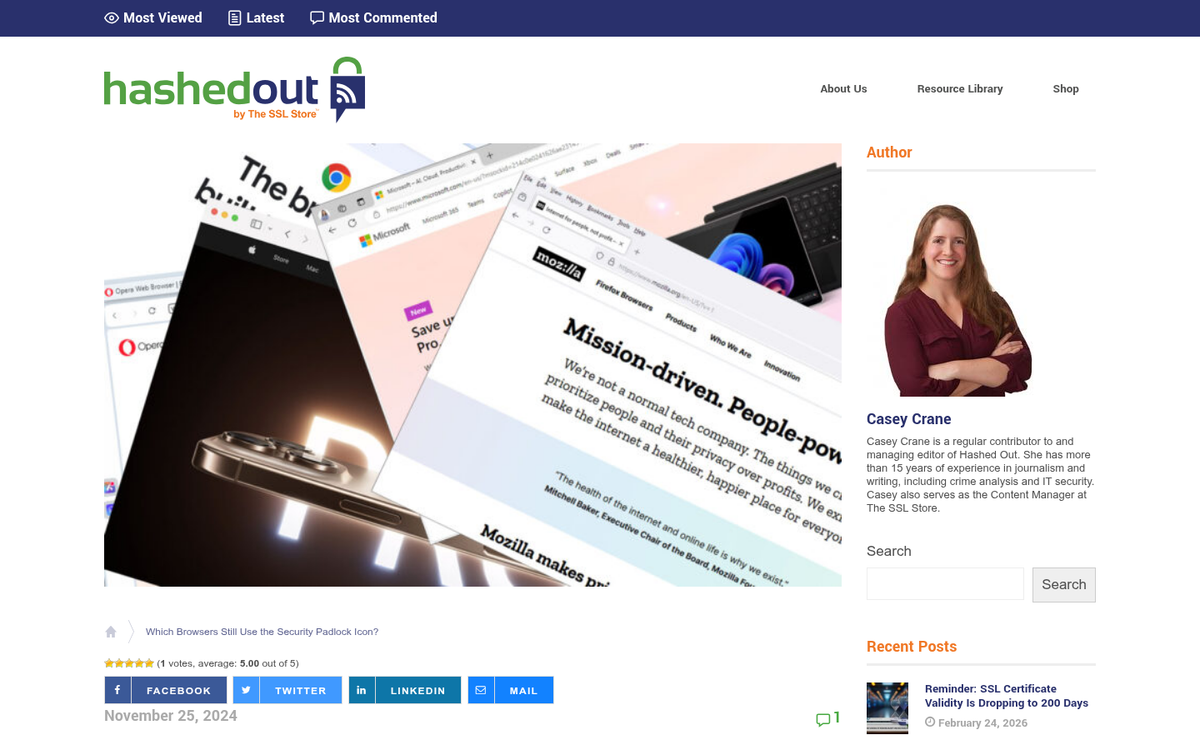
At this point, virtually every respected web host has free SSL certificates through services like Let's Encrypt, which makes there very little excuse not to have it in place - it's especially important if users are logging into accounts or submitting any personal information on your site. Learn more about how SSL can improve your blog's rankings if you haven't set it up yet.
7. Use Relevant Trust Badges Where Necessary
Tasteful use of a couple of trust badges can go a long way towards creating trust for a new site. This is most important if you have a storefront and you want to establish that your checkout process is protected. If you're running a Shopify store, check out these methods to add a blog to your Shopify store to help build additional credibility.
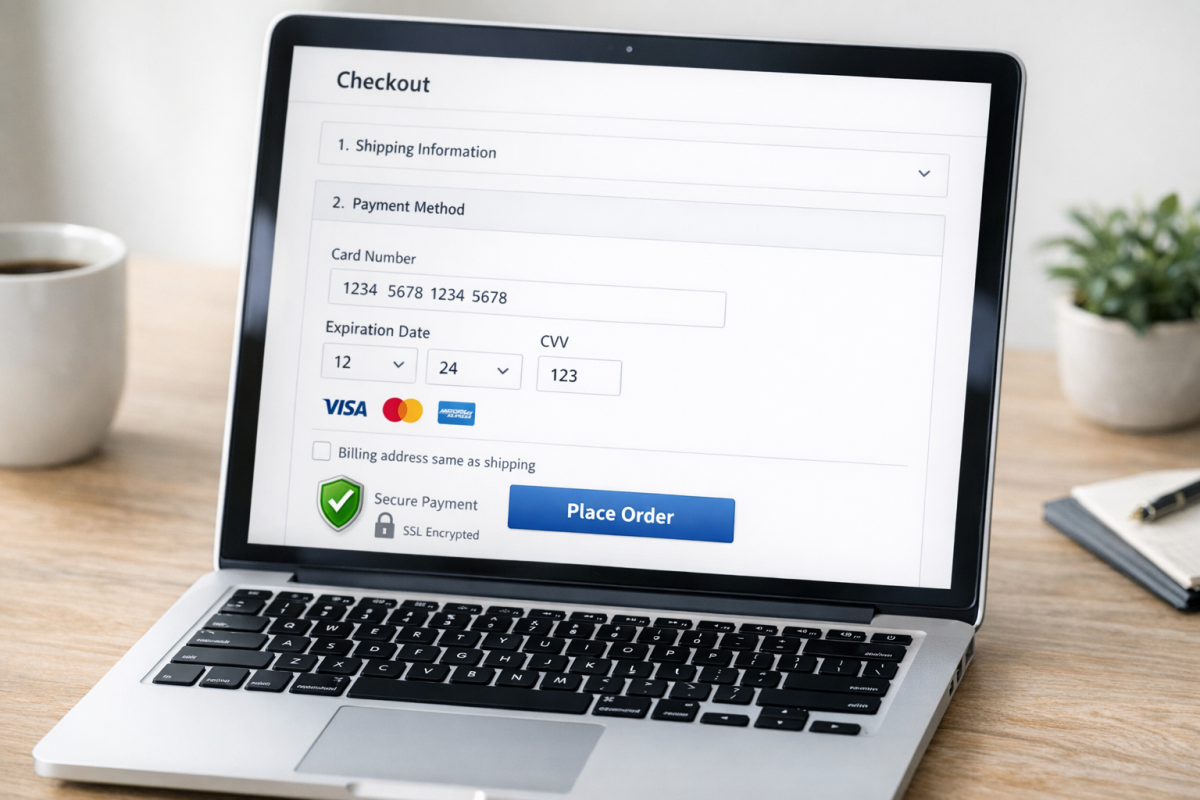
Remember that too many different trust seals all at once looks cluttered and unconvincing. Pick a couple of the most relevant trust badges and use them. Piling on every badge you can find tends to have the opposite of the intended effect. Similarly, knowing how many ads you can safely put on your blog follows the same principle of restraint.
8. Build Your Site Deeper
I don't mean taller or wider, here; I mean deeper. Add more pages. Add more content. Build out your back catalog until you have a big body of work for users to explore.

They might not read it. But Google will crawl it. Google can look at the breadth and depth of your content and will factor in E-E-A-T signals across your site as a whole. The more authoritative, honest content you have, the more credibility you accumulate over time.
To a degree, this takes time. You can't go from nothing to a site with thousands of articles overnight without drawing scrutiny. Consistent, quality publishing over time is what builds genuine authority. If you're ever tempted to shortcut the process, consider why backdating articles can look dishonest to Google and undermine that trust.
9. Focus on High Quality Backlinks

It should come as no surprise that backlinks remain a strong signal of trust and authority. Earning links from respected, relevant sources tells Google that others in your space consider your content worth referencing and that has benefits for your standing in search. Check out these services to help you get more links to your blog posts if you're looking to build your profile faster.
10. Write for Other Sites in Your Industry
One way to earn more backlinks and build more trust in yourself as an author is to write for other sites in your niche. The more respected the publication, the more credibility you get by association, because if you're not a knowledgeable and relevant contributor, why would they publish you?

This is a core ingredient of blog outreach and guest posting. Contact sites that are relevant to your topic and pitch content you can write for them. If the bigger names don't bite immediately, start by contributing to smaller but respected outlets to build up a citation trail and prove you can produce quality content. Work your way up over time.
11. Cut or Improve Content with Low E-E-A-T Attributes
For bigger, older sites, it's worthwhile to go back and audit older content for its E-E-A-T quality. Old content that's thin, no longer accurate, lacking sources, or written without any demonstrated expertise or experience may be worth either updating or removing entirely. That content can be a drag on your site's quality signals. If content is worth saving, bring it up to current standards with updated information, citations and an author voice that reflects genuine knowledge or experience.
12. Fact-Check, Edit, and Include New Information
From time to time, the field you write about evolves. New research emerges, best practices change, or previous information gets overturned entirely. This is especially common in health, finance and technology.
Periodically revisiting old content to update it with accurate, current information prevents your site from quietly accumulating misinformation over time - it also signals to Google that your content is actively maintained, which is a positive quality indicator. Outdated or factually incorrect content can quietly erode the trust users and search engines place in your site. If you're unsure where to start, learning how to rewrite a blog post and make it rank can help you refresh stale content effectively.
13. Check Your Website's Reviews and Ratings
One thing it's worth doing from time to time is looking up reviews, citations and ratings for your website. There are a number of places and aggregators that review and rate websites and brands and Google takes these third-party signals into account when assessing trustworthiness.
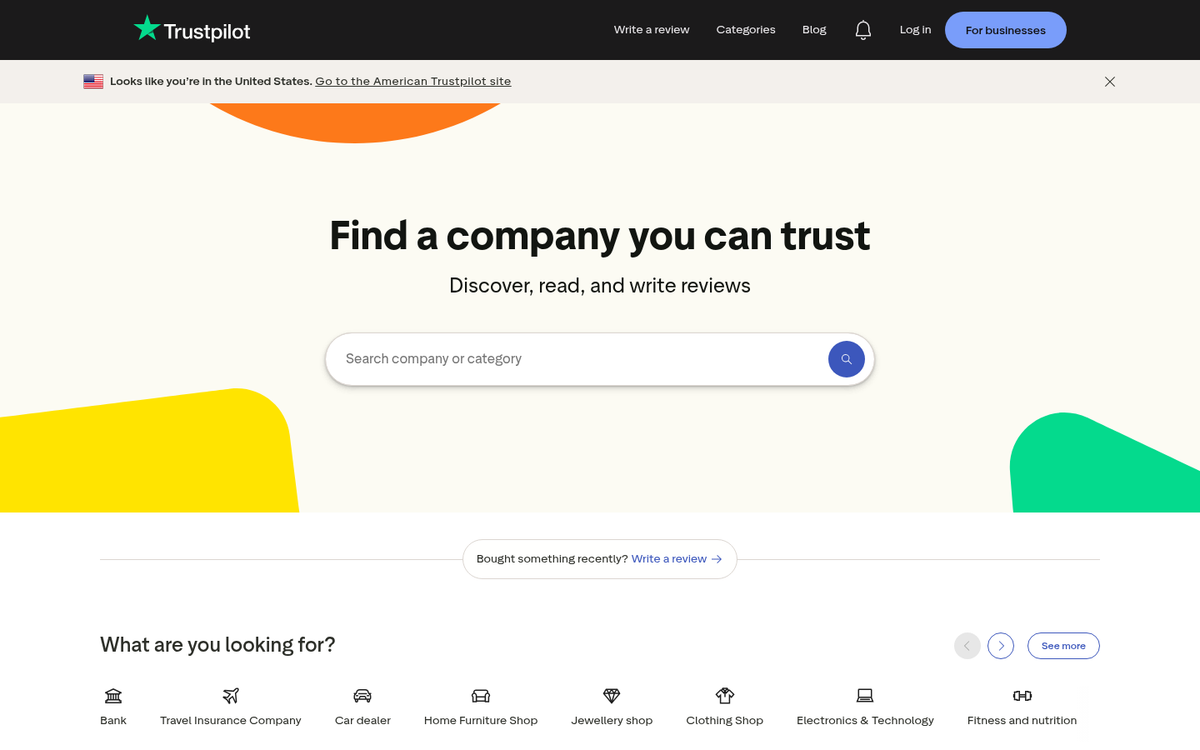
If your site has accumulated negative reviews, or has been called out in articles or forums, it's worth taking action to help with the underlying problems where possible. In some cases that means generating more positive reviews to change the balance. In others, it might mean directly tackling criticism and working to have inaccurate negative content removed.
14. Work to Manage Your Reputation

To carry on from the previous point, it's worthwhile to periodically take stock of your online reputation. Whether you manage this yourself or bring in professional help, maintaining a public image that accurately reflects your trust and authority is important. In an era where AI-generated content and misinformation spread faster than ever, being proactive about your reputation is more valuable than ever.
15. Keep the User's Needs First
Above all, you want to make sure that you're keeping the user in mind ahead of what is convenient for you. Especially in the YMYL industries, the user is placing a significant amount of faith in you. If you betray that faith, it can be devastating for them and for your long-term credibility. Google's continued investment in E-E-A-T as a quality framework is ultimately a reflection of this same priority: content should legitimately serve the people reading it.