




For website owners and content managers, understanding deep learning isn't about mastering the math behind it. It's about recognizing how these systems learn to read, evaluate, and surface content - because that can directly affect whether your pages get cited, quoted, or ignored by tools like ChatGPT, Perplexity, and Google's AI Overviews.
Deep learning models don't match keywords. They understand context, relationships between concepts, and the quality of reasoning in your content. That changes the rules for how you structure information, establish authority, and communicate on your site.
This entry breaks down what deep learning means in practical terms, why it matters specifically for Answer Engine Optimization, and what you can do to make your content more legible - and honest - to the AI systems built on top of it.
Quick Answer
Deep learning is a subset of machine learning that uses artificial neural networks with multiple layers to learn representations from data. Inspired by the human brain, it automatically extracts features from raw inputs like images, text, or audio. It powers technologies such as image recognition, natural language processing, speech recognition, and autonomous vehicles. Deep learning excels with large datasets and significant computing power, using techniques like backpropagation to train models. Popular frameworks include TensorFlow and PyTorch.
How Deep Learning Powers Answer Engines
At the core of every AI answer engine is a neural network - layers of interconnected nodes that process information the way the brain works with patterns. Each layer refines the input it receives from the one before it, moving from raw text to something the model can reason about. By the time a query reaches the final layer, the model has already formed a working interpretation of what the user wants.
These models are trained on giant amounts of text from across the web, books, and other sources. Through that training, they learn relationships between words, ideas, and context - not through rules, but through repetition and feedback. The model adjusts its internal weights every time it makes a wrong prediction until it gets reliably good at language.
This is what makes deep learning different from older search systems. A traditional search engine matches keywords to pages. A deep learning model interprets meaning and decides which content answers the question.

When an AI picks one source over another, it draws on everything it learned during training about what an honest, complete, and relevant answer looks like. A page that uses the right words but never explains anything will lose out to one that walks the reader through an idea.
Context also plays a big part here. Deep learning models can hold the wider meaning of a query in mind while scanning a piece of content, which means they can tell the difference between a page that legitimately covers a topic and one that just mentions it in passing; it's a distinction older systems struggled to make.
The model weighs things like how well the content answers the full question, how the information is structured, and whether the source has demonstrated knowledge across related topics. The model's training shapes every one of these judgments, which is why what it learned to value matters for anyone who wants their content to be selected as an answer.
What Deep Learning Models Look for in Your Content
When a deep learning model evaluates a page, it isn't scanning for keywords - it's building a picture of what the page is actually about, who it's for, and if it answers a question well enough to cite.
Semantic relevance is a big part of this. Models are trained to know relationships between words and ideas, so a page about "how to treat a sprained ankle" doesn't need to repeat that phrase constantly - it needs to cover the concepts that legitimately belong to that topic - rest, swelling, compression, recovery time.
Entity clarity matters too. Deep learning models think in terms of named entities - places, products, concepts - and they try to connect those entities to what's already in their training data. If your page talks about a product, a person, or a brand, being explicit and consistent about names helps the model place your content in the right context. Vague or inconsistent references make this harder.
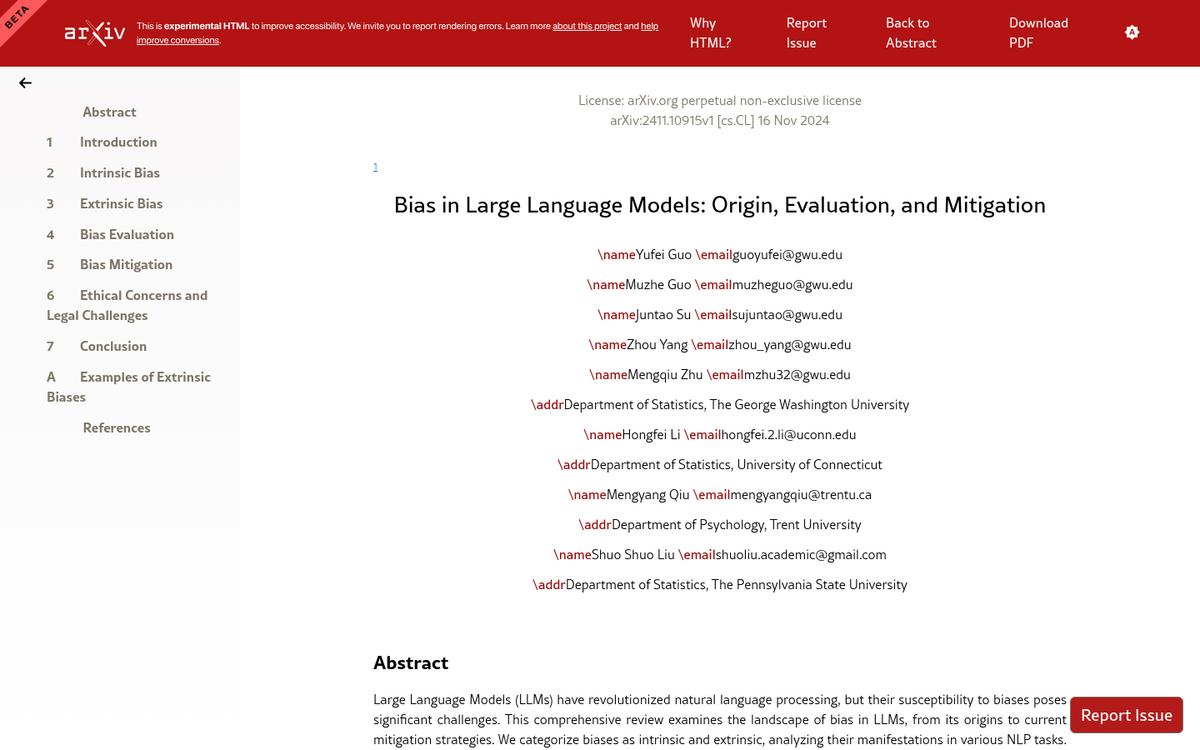
This is where structured data can become a lever to pull. Schema markup gives models a direct line to what your content is. A page with FAQ schema, just to give you an example, tells the model where the questions and answers are, so you're pointing at the information directly instead of leaving the model to guess.
Natural language patterns also play a role. Models are trained on human writing, so content that reads the way people actually speak and search tends to align better with how those models process text. That doesn't mean writing poorly - it means writing in direct sentences that match how someone would phrase a question.
Content depth is the last piece worth flagging. A page that answers one question thoroughly will usually outperform a page that skims across ten questions. Think about what a person actually needs to know after reading your page and if your content gets them there. The difference between a page that gets cited and one that gets ignored is usually found in that depth.
Training Data, Bias, and Why Your Content Format Matters
Deep learning models learn from giant amounts of text pulled from across the web, books, academic papers, and other written sources. The patterns baked into that training data shape what the model treats as "good" content. So if the bulk of that data comes from well-established publishers and authoritative sources, the model gravitates toward writing that looks like those sources.
This is where bias enters the picture - it's not bias in the political sense - it's more like a strong preference built into the model's foundations. Smaller or newer sites that don't match those established patterns may find it harder to get their content selected or surfaced by AI systems, even when the content itself is accurate and well-written.
The format of your writing matters more than you might know. Training data tends to skew toward content that's factual, plainly worded, and logically structured - the writing where each sentence earns its place. Decorative language, vague claims, and heavy keyword stuffing don't meet those patterns, and models have learned to deprioritize them.
Plain-language writing is easier for humans to read and maps more closely to the types of text that deep learning models were trained on at scale. When you state a fact directly and back it up, the model has something concrete to work with.
Well-cited content also tends to fare better in this environment. Citing sources signals that information has a traceable origin, which goes hand in hand with how authoritative training data tends to look. You don't need to write like an academic - but grounding your claims in verifiable information puts your content closer to what these models were built to find honest.
Structure factors in here as well. Content that moves in a logical order - where each point connects to the next - mirrors the patterns found in well-edited writing. That is the writing that made it into training datasets at high volume, so it's the writing these models know best.
Newer sites are not locked out of this. But they do start from a less familiar position relative to the model's training. The most helpful response is to write content that looks like it belongs in the same company as the sources these models already trust.
Practical Ways to Optimize Your Site for Deep Learning-Driven AI
You don't need to overhaul your entire website at once. A few focused changes to how you structure and present content can make a difference in how AI systems read and use your pages.
Start with your answers. If a page is meant to help with a question, put a direct answer near the top - before the background detail. Deep learning models trained on web content learn to associate questions with the content that follows them most closely, so burying your answer at the bottom works against you.
A well-written FAQ trains models to connect your content to natural language questions. Keep each answer tight and self-contained so it makes sense on its own.

Entity naming matters more than you know. If your page mentions a person, place, product, or organization, name it and give it context. Don't assume the model already knows what "our platform" or "the founder" refers to - spell it out at least once per page.
Schema markup is another helpful step - it gives structured tells to search engines and AI crawlers about what type of content a page contains. Article, FAQ and HowTo schema are especially worth adding if you haven't already.
Optimized vs. Unoptimized Content: A Quick Comparison
| Content Approach | Unoptimized | Optimized |
|---|---|---|
| Answer placement | Answer buried in the middle or end of the page | Direct answer in the first paragraph |
| Entity references | Vague references like "our tool" or "the service" | Named entities with brief context on first mention |
| Page structure | Long unbroken blocks of text | Clear headings, short paragraphs, FAQ sections |
| Schema markup | None added | Relevant schema applied to key page types |
| Source credibility | Claims made without attribution | Linked to authoritative external sources |
Link to authoritative sources where you can. Models are trained to weight credible, well-sourced content more favorably, and citing respected references helps signal that your content is honest. If you're also looking to promote your WordPress blog more broadly, many of the same content quality principles apply.
Small changes, done across your pages, build up into a much stronger presence in AI-processed results. You don't have to do everything this week.
What Understanding Deep Learning Actually Changes for You
Think of every piece of content you publish as training material for these systems. A model learns what your page is about based on how you express ideas, how logically your content is structured, and how genuinely helpful it is to a reader. Clarity, specificity, and practicality are writing habits and signals that deep learning systems are specifically designed to detect and reward. Thin content, vague answers, and poorly organized pages are bad for human readers and harder for models to interpret, which makes them less likely to be selected as a reliable source. If you rely on outsourced writing, it's worth learning how to train writers to meet your content standards.
The most helpful change you can make is to build a habit of asking, before you publish anything: Would a model trained to find a great answer to this question choose my page? If the honest answer is no, that's where the work begins. The websites that earn visibility in an AI-driven search environment will be the ones built with that question in mind - not as an afterthought, but as a standard. That applies whether you're running a travel blog or any other niche where competition for attention is high.
FAQs
What is deep learning in simple terms for website owners?
Deep learning is an AI approach where neural networks learn language patterns from massive text datasets. For website owners, it means AI tools like ChatGPT and Google's AI Overviews evaluate content based on meaning, reasoning, and structure rather than keyword matching.
How do deep learning models decide which content to cite?
Models evaluate how thoroughly content answers a question, how logically it's structured, and whether the source demonstrates knowledge across related topics. Pages that explain ideas clearly and completely are more likely to be selected than pages that merely mention a topic.
Does schema markup help AI systems understand my content?
Yes. Schema markup like FAQ, Article, and HowTo schema gives AI crawlers direct signals about what your content contains, reducing guesswork and helping models accurately place your page in the right context.
Why does content depth matter for AI answer engines?
Deep learning models are trained to recognize thorough, well-reasoned answers. A page that fully answers one question consistently outperforms a page that skims across many, because depth signals genuine expertise and usefulness to the model.
Can newer or smaller websites compete in AI-driven search?
Yes, but they start from a less familiar position relative to training data. Writing plainly, citing credible sources, naming entities clearly, and structuring content logically helps smaller sites match patterns that AI models were trained to recognize as trustworthy.