




Understanding machine learning helps you stop guessing and start making deliberate choices about how your content is structured, written, and positioned. These AI systems have been trained on giant datasets to evaluate relevance, authority, and credibility. The way your content is organized directly influences how those models interpret and rank it when generating answers for users.
This entry breaks down what machine learning means in practical terms, how it shapes the behavior of modern answer engines, and what you can do as a site owner to match your content strategy with the way these systems think and learn.
Quick Answer
Machine learning is a subset of artificial intelligence where systems learn from data to improve performance without being explicitly programmed. Algorithms identify patterns, make decisions, and generate predictions based on training data. It includes supervised learning (labeled data), unsupervised learning (finding hidden patterns), and reinforcement learning (learning through rewards). Common applications include image recognition, spam filtering, recommendation systems, and natural language processing. As more data is processed, models become increasingly accurate and capable.
How Machine Learning Actually Works (In Plain English)
At its core, machine learning is a three-step process: feed a system data, let it find patterns, and then use those patterns to make predictions or decisions. The tough part is that each step depends heavily on the one before it.
A spam filter is a good example. In the beginning, it has no idea what a spam email looks like. But as you mark emails as spam or move them to your inbox, the filter starts to see patterns - words, sender addresses, or subject line structures that seem to be in unwanted mail. Over time, it gets better at separating the junk from the genuine messages without you having to do anything.
That improvement isn't magic - it comes from exposure to a large volume of labeled examples, which is what the training data gives. The model runs through that data repeatedly to find patterns that hold up across different cases. Once it's trained, it applies what it learned to new data it has never seen before.
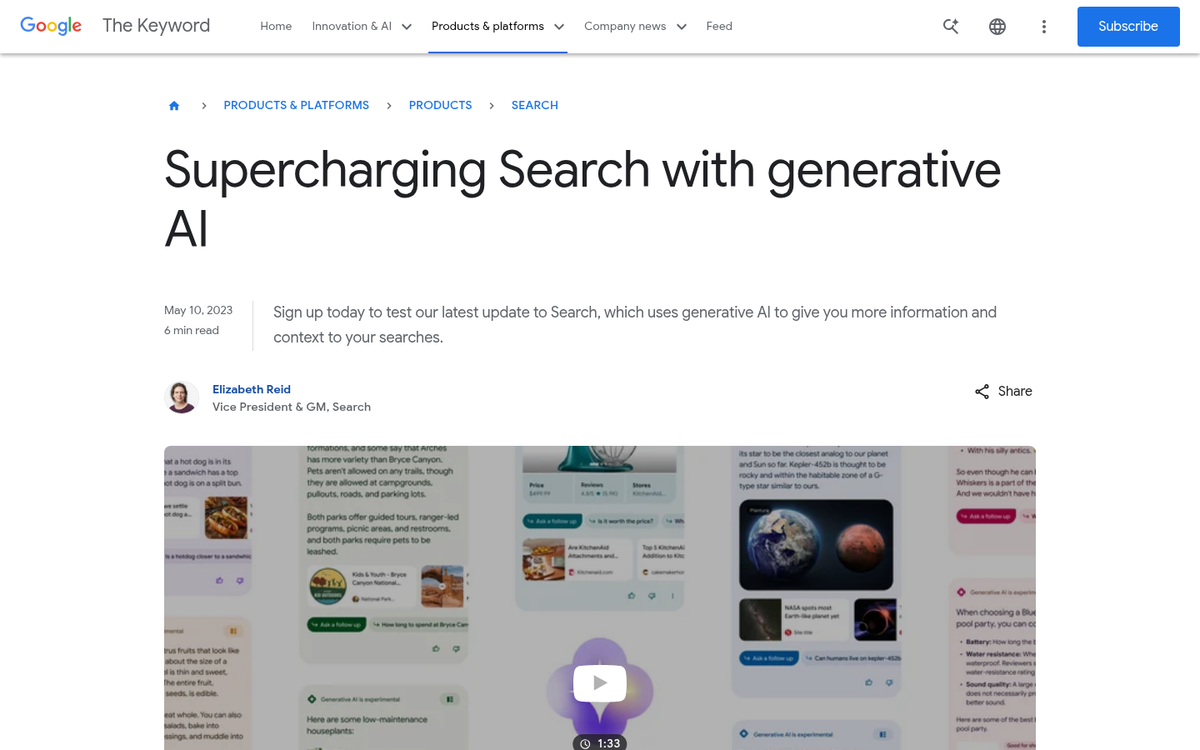
That's also why recommendation engines on streaming platforms seem to get sharper the longer you use them. Every time you watch something to the end or skip something halfway through, you give the system more signal to work with. The model updates its sense of what you're likely to try based on that feedback.
There's a part that trips people up, though. Machines don't learn the way humans do - they don't reason or understand context. They find statistical relationships in data and use those relationships to produce outputs. A model that looks like it "understands" your taste in films is very good at finding patterns in your behavior and matching them to patterns in other users' behavior.
That distinction matters quite a bit when you think about data quality. If the training data is incomplete, biased, or inconsistent, the model will pick up on the wrong patterns and make poor predictions - it's estimated that roughly 85% of machine learning projects fail not because of flawed algorithms but because of flawed data. This kind of hidden failure is similar to how a technical decision that looks fine on the surface can quietly undermine your results in ways that are hard to detect.
More data doesn't automatically fix this problem either. A system trained on a giant amount of bad data will still perform poorly - it'll just be very confident about the wrong things. The training data has to be right before anything else can be.
The Role Machine Learning Plays in AI Answer Engines
Answer engines like Google's AI Overviews, ChatGPT and Perplexity don't pull answers from a magic database. They use ML models to read, rank and summarize content from across the web in real time. The model decides what gets surfaced, what gets cited and what gets ignored.
This is a different game from traditional search. In older search, an algorithm mostly matched keywords to pages and ranked them by links and authority. ML-powered answer engines go further - they try to understand what the question actually means and then find content that best answers it in full.
So instead of just asking "does this page contain the right words," the model is asking something closer to "does this page know what it's talking about." That's a meaningful difference for anyone who owns a website.
These models were trained on giant amounts of text and through that training they developed a strong sense of what an honest, well-explained answer looks like. They learned to find depth, consistency and quality at a level that goes past easy keyword matching. A page that legitimately covers a topic tends to perform better than one that just mentions the right phrases.
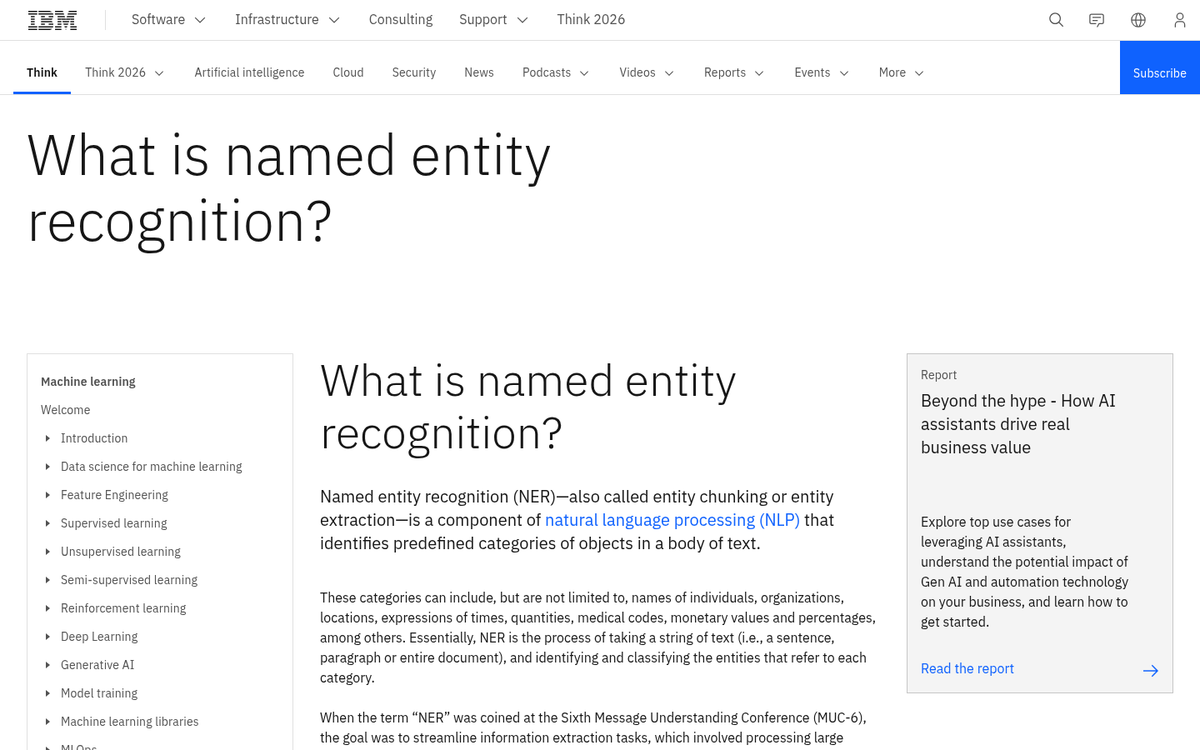
It's pulling from multiple sources, weighing each one and constructing a response. The sources it chooses to cite or summarize are the ones its training told it to trust.
That means the criteria for being picked aren't set by a human editor - they're baked into the model through its training data and feedback loops. Nobody at Google or OpenAI is manually looking over your page and deciding it deserves a mention. The model makes that call based on patterns it learned to associate with reliable, helpful content.
For website owners, that's the part worth understanding. If ML models are the ones picking which content to surface, then what those models were trained to reward becomes a priority. The goal is not gaming a system but understanding how the system was built to think. Understanding where your content lives and how it's distributed also plays into how well these models are able to find and evaluate it.
The next section gets into the tells these models look for when they review a piece of content.
What ML Models Look for When Evaluating Your Content
ML systems don't scan your page for keywords and move on. They read for meaning, and that distinction matters quite a bit for how your content gets ranked or cited.
One of the first things these models do is entity recognition. An entity is any concept, person, place, product, or organization that a model can find and connect to a wider knowledge graph.
Semantic relevance works alongside this. A model looks at whether your content legitimately covers a topic in full - not if you've repeated a phrase a number of times - it checks how ideas relate to each other across your whole page. Two pieces of content can use the same keywords. But the one with stronger semantic depth will usually perform better.
Google's ML systems are precise enough to detect nuance in medical content with around 89% accuracy. That level of sophistication means these models can tell the difference between content that explains something well and content that does not.

| ML-Friendly Content | ML-Unfriendly Content |
|---|---|
| Named entities with full context | Vague references without clear subjects |
| Answers written in direct, complete sentences | Keyword-stuffed or repetitive phrasing |
| Content that covers related subtopics | Shallow pages that skim the surface |
| Consistent authorship and attribution | No author information or credentials |
| Structured headings that organize information | Walls of unbroken text |
Authority signals also play a role. ML models pick up on things like author credentials, backlinks from respected sources, and how well your content goes hand in hand with established facts. A page written by a named expert with cited sources reads very differently to a model than an anonymous post with no references.
Content clarity is the thread that ties this together. If a human can read your page and walk away with a clear understanding of something, there's a chance the ML model reading it will too; it's not a coincidence - these systems are trained on human behavior and human judgment.
Structured Data and Machine-Readable Signals That Feed ML Systems
ML models don't read your content - they try to categorize it, summarize it, and choose where it fits. Giving them signals to work with makes that process faster and more accurate. Think of structured data as a way to label your content so a model doesn't have to guess.
Schema markup is one of the most direct ways to do this - it's a standardized vocabulary you add to your HTML to tell systems what your content actually is - a product, a recipe, a how-to guide, a frequently asked question. If you don't have it, a model has to infer meaning from context alone, and that leaves room for misinterpretation.
FAQ schema is worth mentioning in particular. When you mark up questions and answers with the right structured data, ML-powered answer engines can pull your response directly and match it to a relevant user query. The formatting does the work.

Heading hierarchy matters too. A well-structured page that moves logically from H1 to H2 to H3 gives ML systems a map of how your ideas relate to each other. A page with inconsistent or skipped heading levels is harder to parse, and that friction can push your content lower in model-generated results.
Concise definitions also help. If you're explaining a term or concept, state it plainly in one or two sentences before expanding on it. ML models that generate summaries like to pull from the clearest, most self-contained explanations on a page. If your blog runs on WordPress, adding structured code elements to your pages follows a similar logic of giving systems clean, readable signals.
Here is a quick look at some common schema types and the visibility each one can support in ML-driven answer engines.
| Schema Type | Best Used For | ML/Answer Engine Benefit |
|---|---|---|
| FAQPage | Question-and-answer content | Direct answer extraction for conversational queries |
| HowTo | Step-by-step instructions | Structured step display in AI-generated responses |
| Article | Editorial and informational content | Better content classification and topic association |
| Product | E-commerce and review pages | Attribute recognition for product-based queries |
| DefinedTerm | Glossaries and concept pages | Precise definition matching for knowledge queries |
Each one of these schema types gives ML systems a structured entry point into your content. The more accurately your markup matches what's on the page, the more reliably a model can use it.
Common Mistakes Website Owners Make With ML-Driven Optimization
Many site owners put genuine effort into their content and still see it underperform; it's frustrating, and it's worth understanding why it happens before writing off the work entirely.
One of the most common problems is leaning too hard on old-school keyword thinking. Stuffing a page with exact-match phrases made sense in an earlier era. But ML systems now read for meaning and context instead of repetition. A page that says "best running shoes" fourteen times does not signal authority to a machine learning model - it just looks thin.
Content freshness is another area where sites quietly fall behind. ML systems that power search and answer engines like to weight recency when it's relevant to a topic. A page about tax brackets or software tools that hasn't been touched in three years sends a weak signal - even if the writing itself is solid. The fix is easy: build a schedule to revisit time-sensitive pages and update the facts that have actually changed.
Then there's structured data, which an interesting number of teams still skip - it's one of the main ways ML systems confirm what your content is about, not a niche technical detail. If you don't have it, a page about a local business, a recipe, or a product review is harder to parse and less likely to appear in rich results.

Studies show that 99% of Fortune 500 businesses use AI and ML in some form. But many of those same organizations publish content that answer engines have a hard time reading. The gap isn't usually about budget or talent - it's that teams haven't updated their mental model of how content gets evaluated.
Another pattern worth naming is the tendency to optimize for one signal while ignoring others. A team might write legitimately helpful content but neglect page structure, or invest in technical setup but produce text that doesn't have enough semantic depth. ML systems pull from multiple tells at once, so a lopsided strategy tends to underdeliver. If you're looking for ways to promote a new WordPress blog, this balance matters from the very start.
If your content isn't performing the way you expected, audit it from the machine's perspective instead of the reader's. Ask if the structure, the markup, and the topical coverage all point in the same direction. That alignment is what ML systems are built to reward.
Give ML the Credit It Deserves - Then Get to Work
The core lesson is simple: being wins, structure builds credibility, and semantic depth separates helpful content from noise. When your writing is organized around questions, supported by relevant context, and easy to parse - for humans and machines - it aligns with what ML-powered systems are built to reward.
What makes this different from traditional SEO is that there's no finish line. Models update, ranking signals evolve, and the way people phrase questions continues to change. Optimizing for machine learning is a standard practice - not a box to check once and forget. The good news is that adjustments don't need a full overhaul - small, deliberate improvements to how you structure and frame content compound over time. Start with one page, one section, one clearer answer; it's how long-term visibility is built.
FAQs
What is machine learning in simple terms?
Machine learning is a three-step process: feed a system data, let it find patterns, and use those patterns to make predictions. It doesn't reason like humans - it identifies statistical relationships in data to produce outputs.
How do ML models evaluate website content?
ML models assess content through entity recognition, semantic relevance, authority signals, and content clarity. They look for depth and meaning rather than keyword repetition, rewarding pages that genuinely and thoroughly cover a topic.
What is schema markup and why does it matter?
Schema markup is standardized HTML code that labels your content for ML systems, telling them whether it's a recipe, FAQ, or product page. Without it, models must guess your content's meaning, increasing the risk of misinterpretation.
Why does poor training data cause ML failures?
Roughly 85% of ML projects fail due to flawed data, not flawed algorithms. A model trained on biased or incomplete data learns the wrong patterns and makes poor predictions, regardless of how much data it receives.
What common mistakes hurt content in ML-driven search?
Common mistakes include keyword stuffing, neglecting structured data, publishing outdated content, and optimizing for only one signal. ML systems evaluate multiple factors simultaneously, so an unbalanced content strategy consistently underdelivers in answer engine results.